


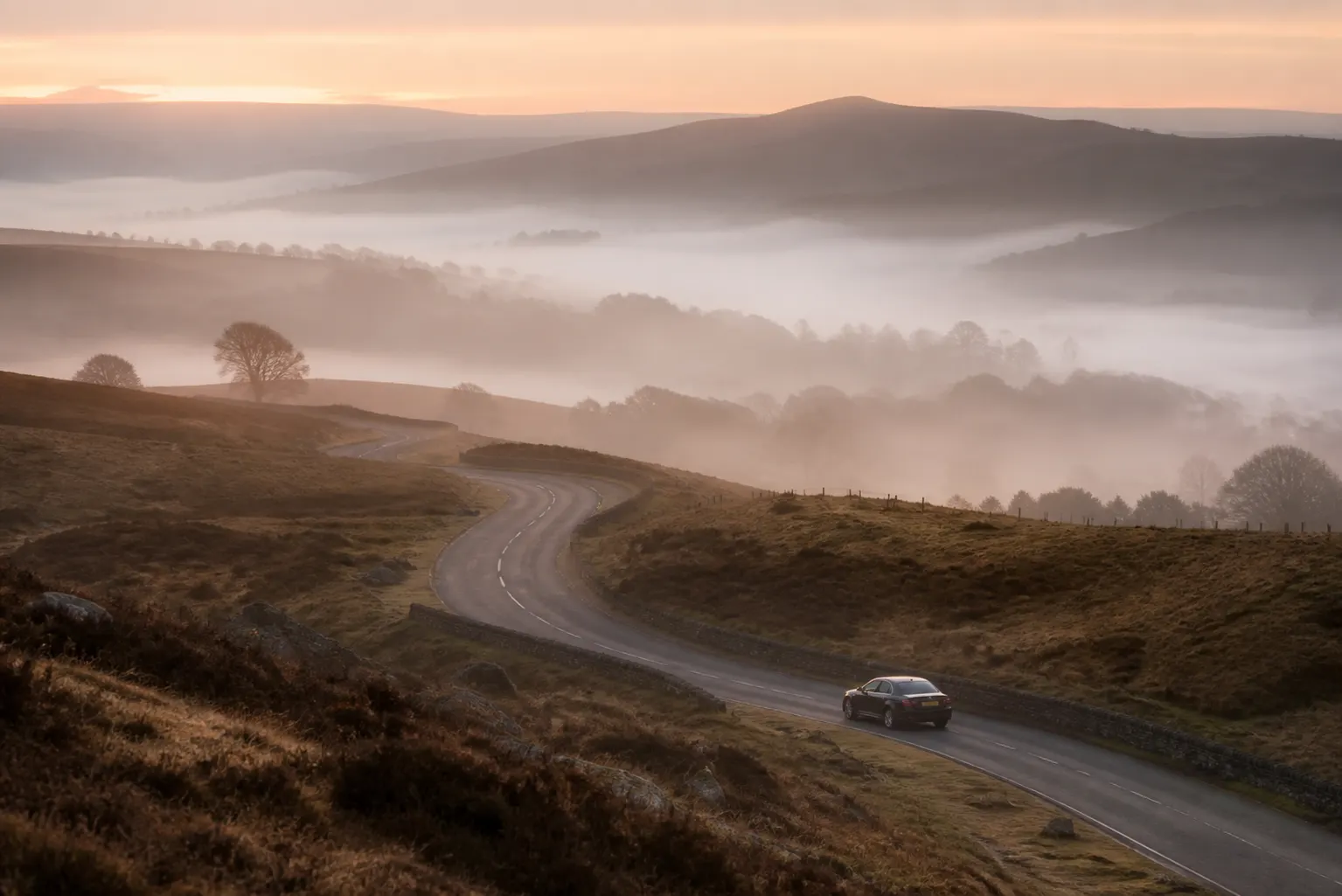

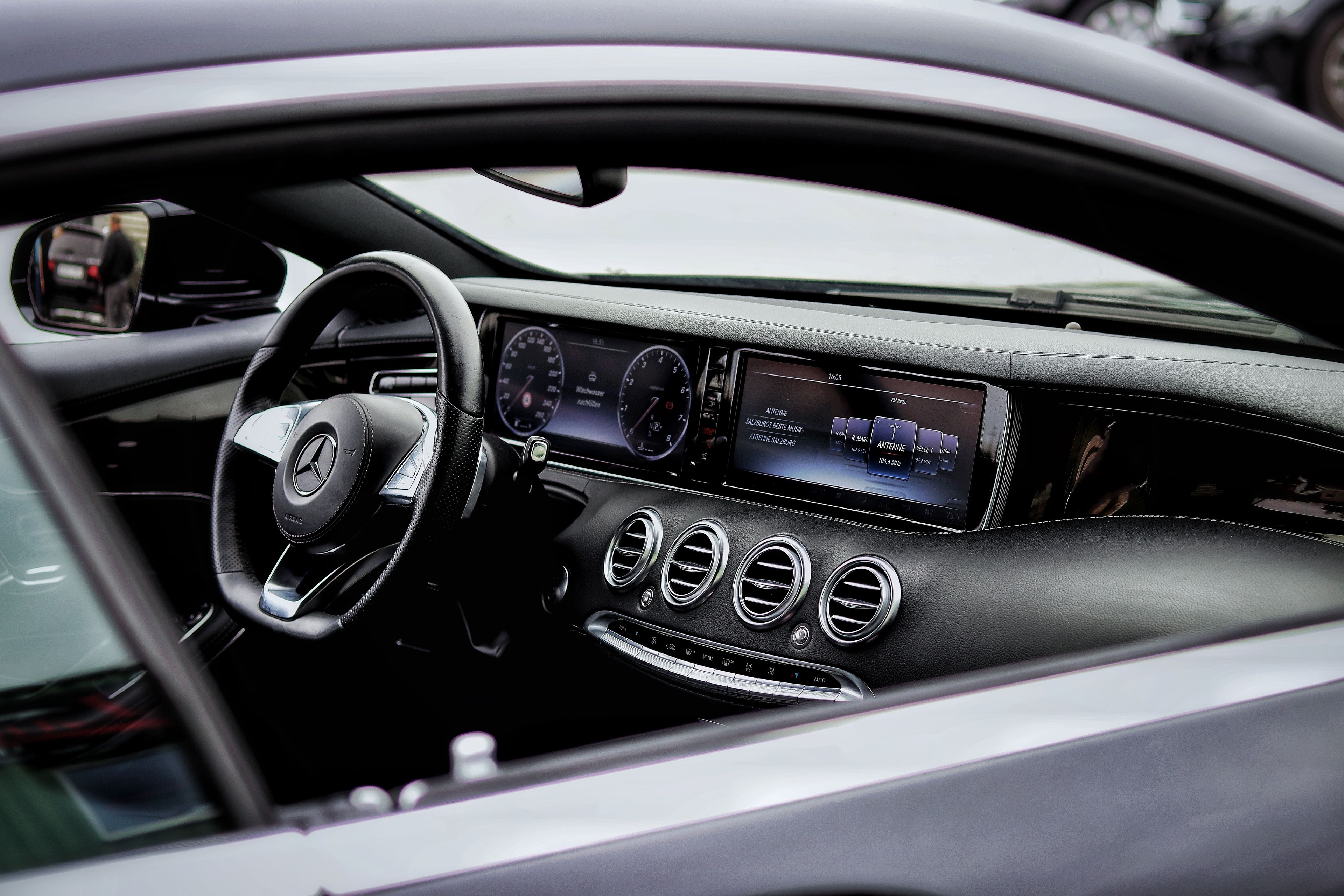
Hiring a chauffeur for several consecutive days is the largest commitment in this service, and it deserves more scrutiny than a single transfer. Done for the right trip it is close to unimprovable. Done for the wrong one it is an expensive way to be driven along roads you would have enjoyed driving yourself, with somebody else deciding when to stop.
This page sets out how to tell which you have. It looks at the roads you will actually be on, who is travelling, what happens each evening, and where self-drive or rail does the job better. It also covers the trips that look like tours and are really something simpler, since those come up more often than the genuine article.
The nights away are the real test
A day out and back, however long, is not a tour. It is a long day booking and should be arranged as one. A tour begins when you sleep somewhere other than home and continue the next morning, because that is the point at which chauffeur accommodation, rest requirements and continuity all enter the picture.
So count the nights before anything else. One night away is usually two day bookings with a gap. Three or more nights moving between places is a genuine tour, planned as a single arrangement, and the difference is not merely administrative. The whole shape of the planning changes.
Trips that suit the arrangement
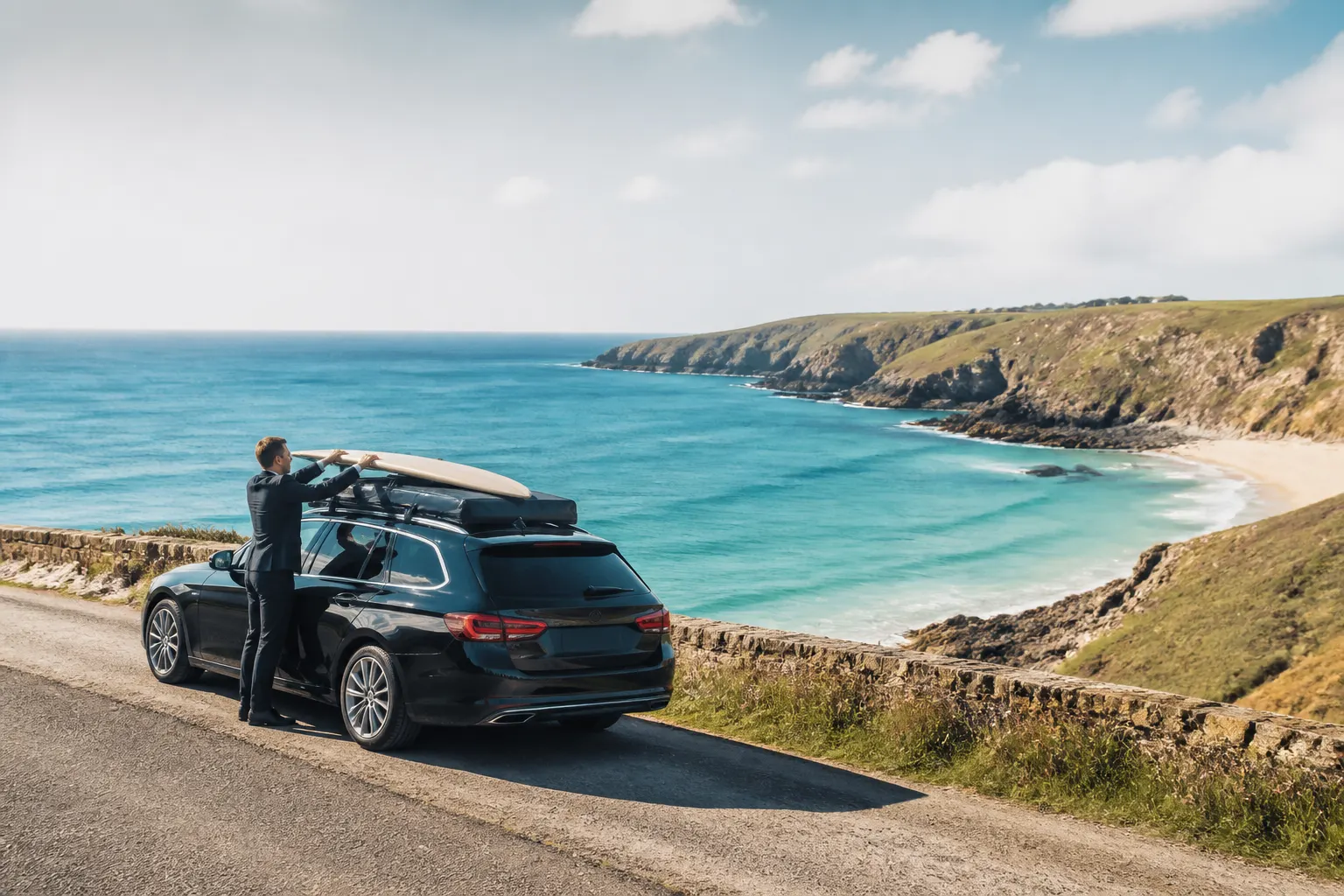
The strongest cases share a common feature: the roads are demanding, the destinations are hard to reach any other way, and the party would rather look out of the window than at a map. Rural Britain is where this service is at its best, which is slightly counterintuitive given the cars.
There is also the question of what the trip is for. On a celebration, a special anniversary or a once-in-a-lifetime visit, spending the days navigating and parking is a poor use of time that will not come round again. That is a different argument from comfort and usually the more persuasive one.
- Highland, Welsh or West Country routes with demanding single-track roads
- Visitors unfamiliar with driving on the left, or with British lanes
- Parties of four or more who want to travel and talk together
- Itineraries with a house, castle or garden most days
- Trips where nobody wants to be the designated driver at dinner
- Older travellers, or anyone for whom several hours at the wheel is tiring
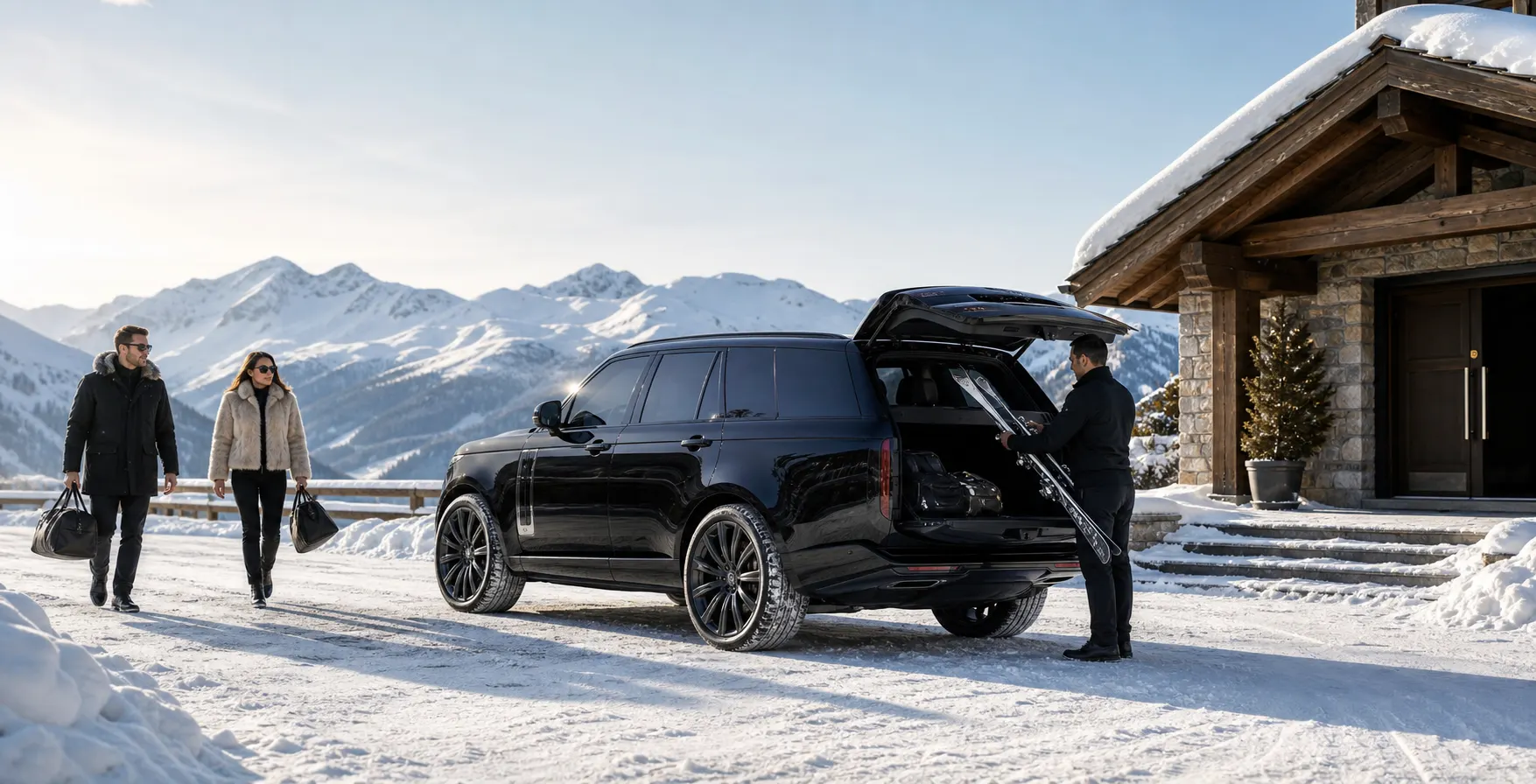
- Winter or early-spring trips where weather makes the roads harder
When self-drive is genuinely better
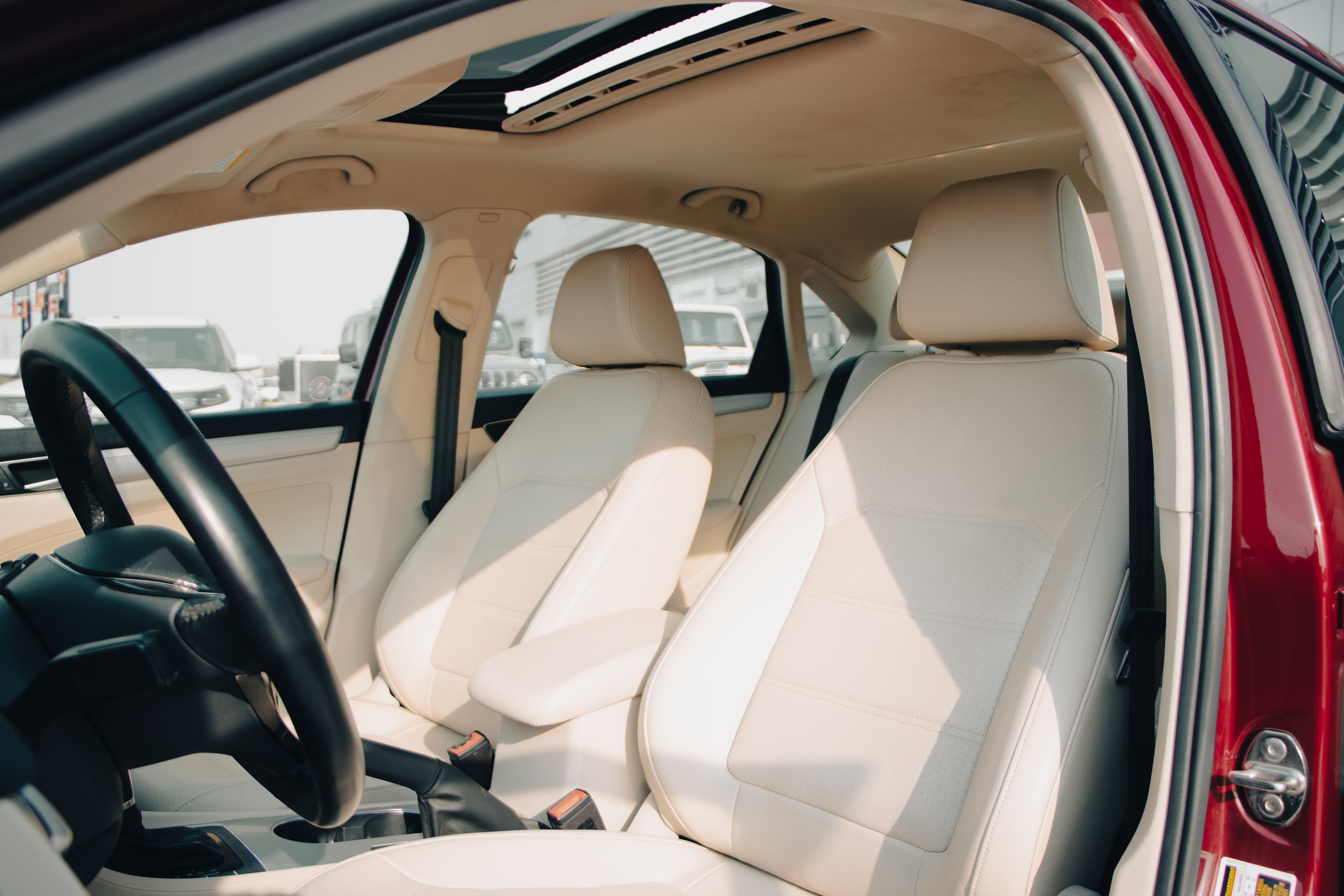
If somebody in the party actively enjoys driving and the route is one of the great British drives, hiring a chauffeur removes the best part of the holiday. The road to Applecross, the coastal runs in Pembrokeshire and the Yorkshire Dales are experiences in themselves, and being a passenger through them is a lesser version of the trip.
Self-drive also wins on flexibility of a particular kind: stopping at four in the morning for a sunrise, changing the entire day at breakfast, or driving forty minutes down a dead-end lane on a whim. A chauffeur arrangement accommodates a great deal of this, but it does have a shape, and complete spontaneity is easier with your own keys.
The third case is a trip based in one place. If you are staying a week in a cottage and making day trips from it, a hire car for the week is usually the more practical answer, with a chauffeur booked only for the arrival, the departure and any day involving a serious drive or a long lunch.
Where rail and air belong in the plan
Very few British tours should be entirely road-based. If your trip runs London, the Cotswolds, then Edinburgh and the Highlands, driving the middle leg costs the better part of a day for no scenic reward. Take the train or fly, and have a car waiting at the far end to continue the tour properly.
Northern Ireland and the islands need a different approach again, with ferries or flights forming part of the itinerary. Building those in from the start produces a far better trip than trying to make a single car cover everything. We will suggest the split rather than quote for a heroic drive that nobody will enjoy.
Party size and the vehicle question
Two people touring with modest luggage have the widest choice and the easiest arrangement. Four with substantial cases for a week is where the vehicle question becomes serious, because a tour loads more heavily than a transfer and the boot has to carry it every day rather than once.
Above five or six passengers, the calculation changes again. A single larger vehicle keeps a group together, which is much of the pleasure of touring, while two cars split the party and double the parking problem at every stop. Tell us the real headcount and case count early, since it determines the vehicle and therefore which lanes the route can sensibly use.
When to book something else
A good number of tour enquiries turn out to want something else, and the alternative is usually simpler. Working out which before booking saves both money and complication.
Send the outline, however rough, and we will tell you honestly which of these fits. If the answer is a hire car and a chauffeur for two of the days, that is what we will suggest.
- A single long day out and back: a chauffeur for the day, not a tour
- One night away with two journeys: two separate long-distance bookings
- A week based in one cottage: a hire car, with a chauffeur for key days
- A city visit with day trips out: sightseeing days booked individually
- A trip built around great driving roads: keep the keys yourself
- Long legs between distant cities: rail or a flight, with cars at each end
- A group of ten or more: a minibus with a professional driver instead