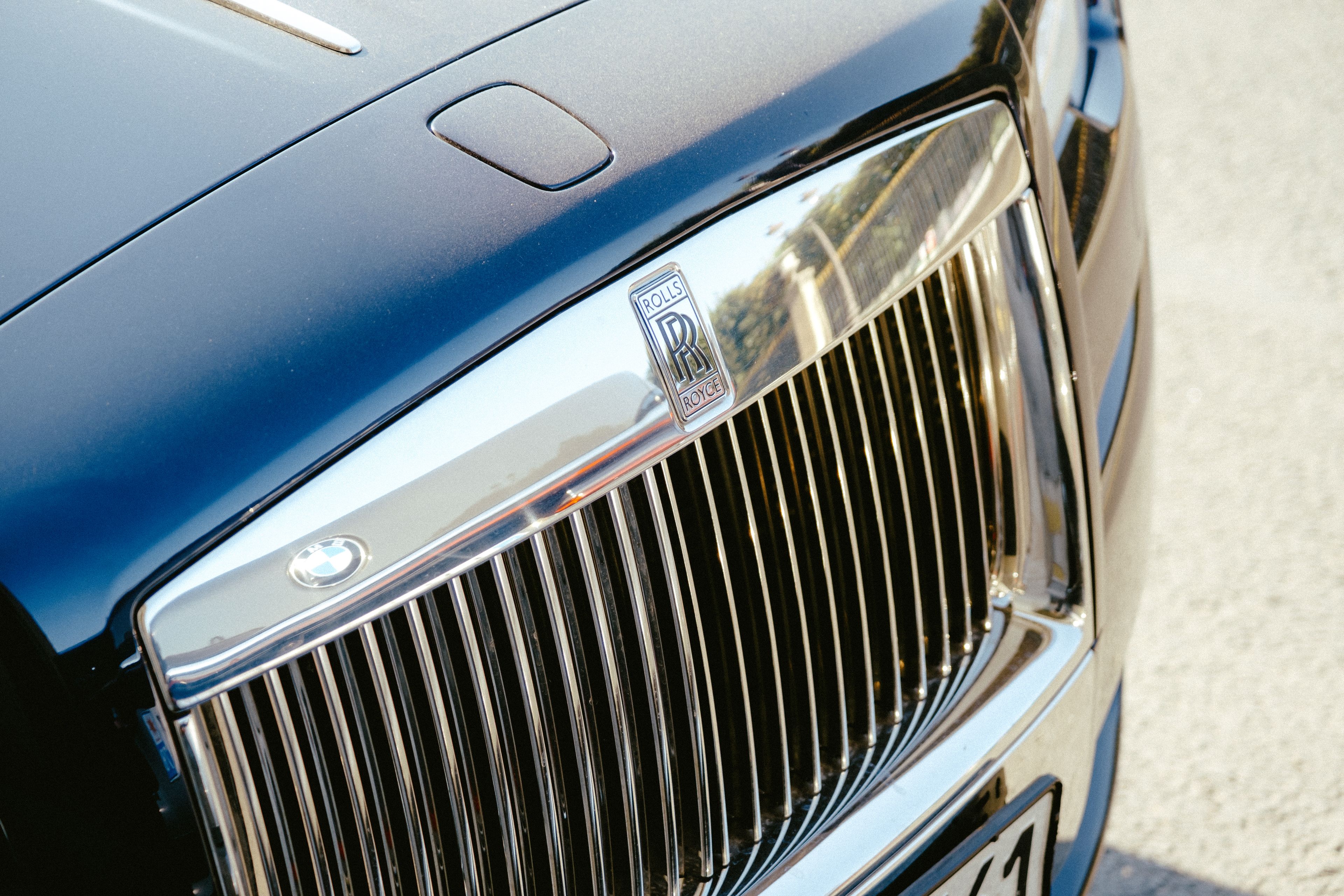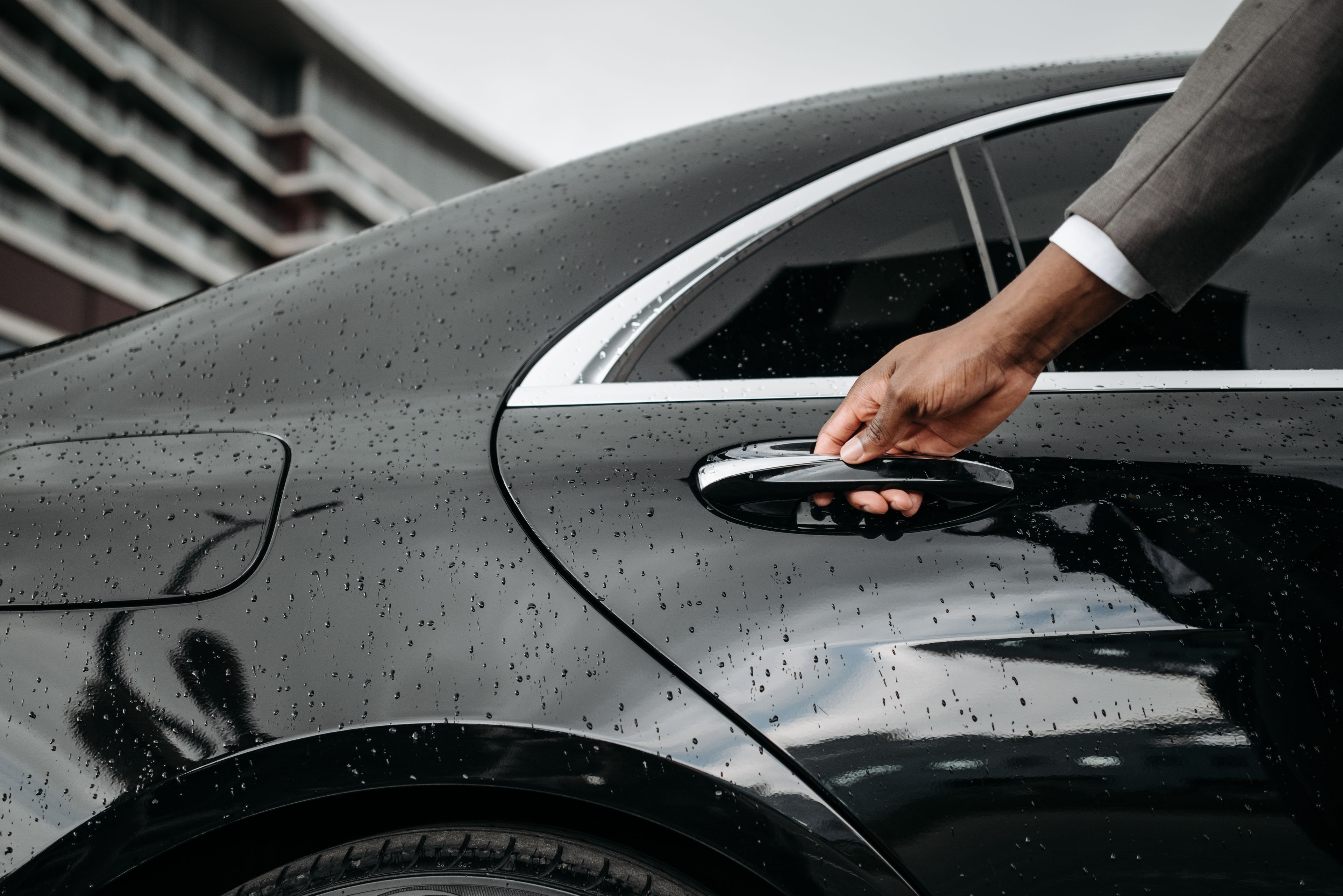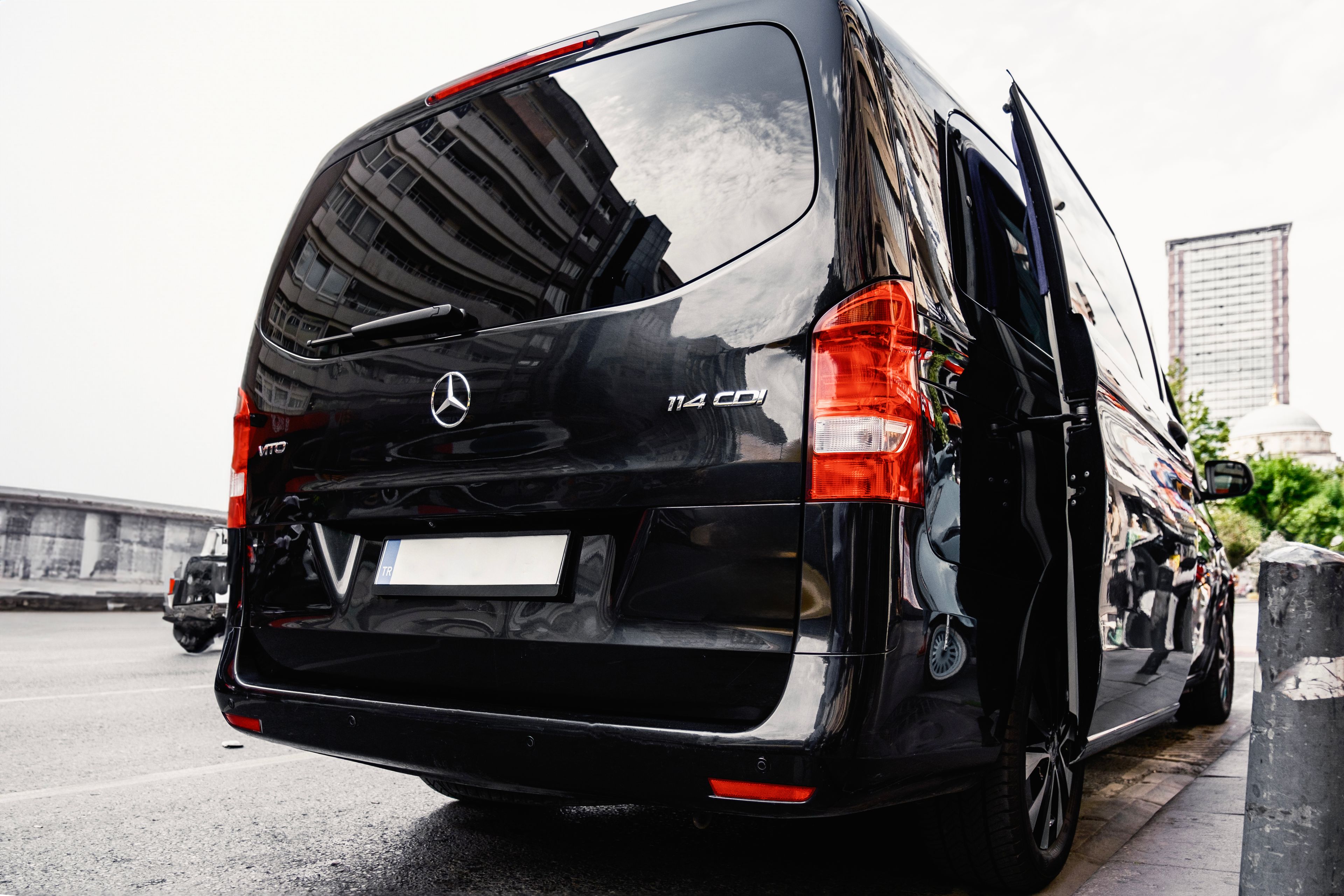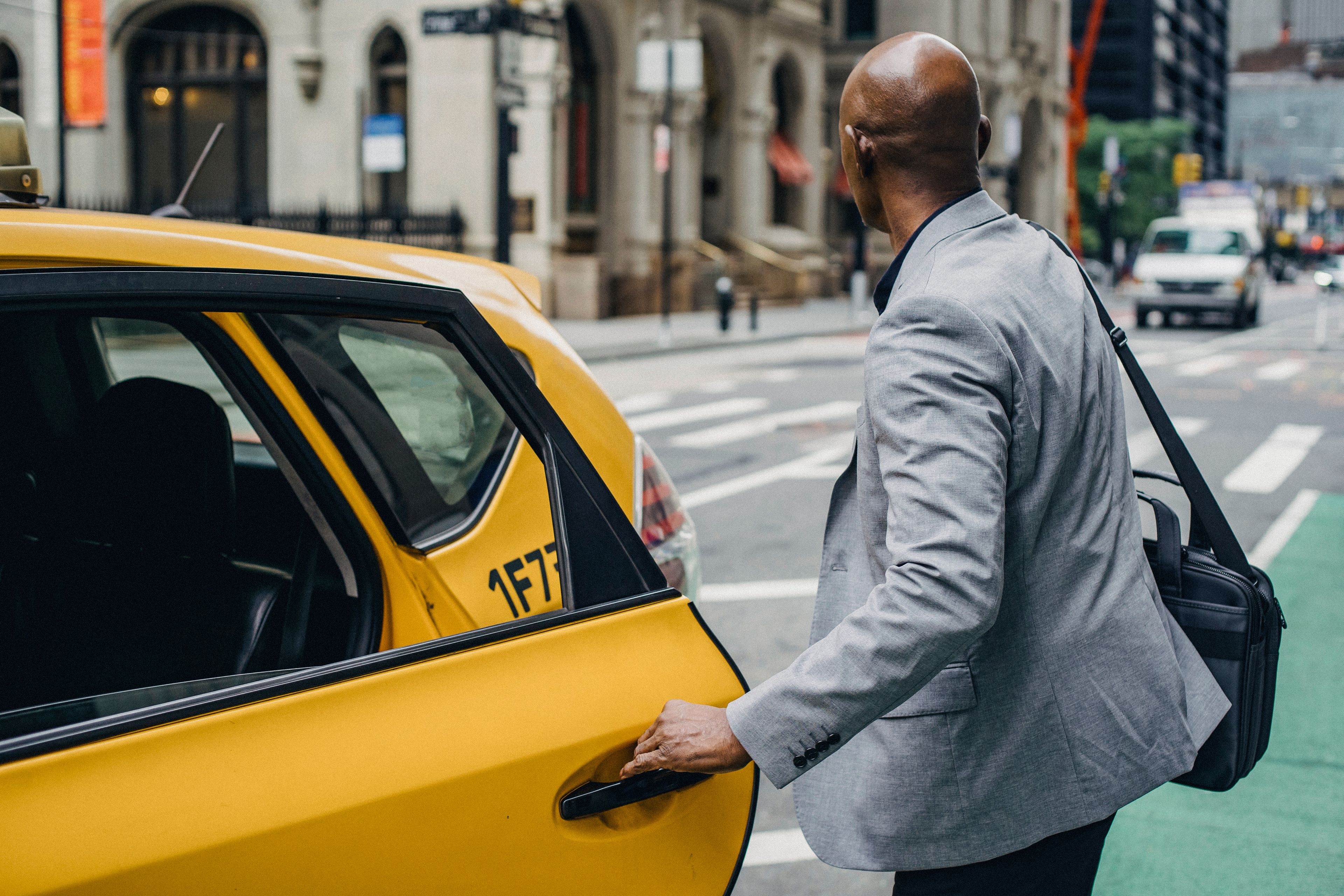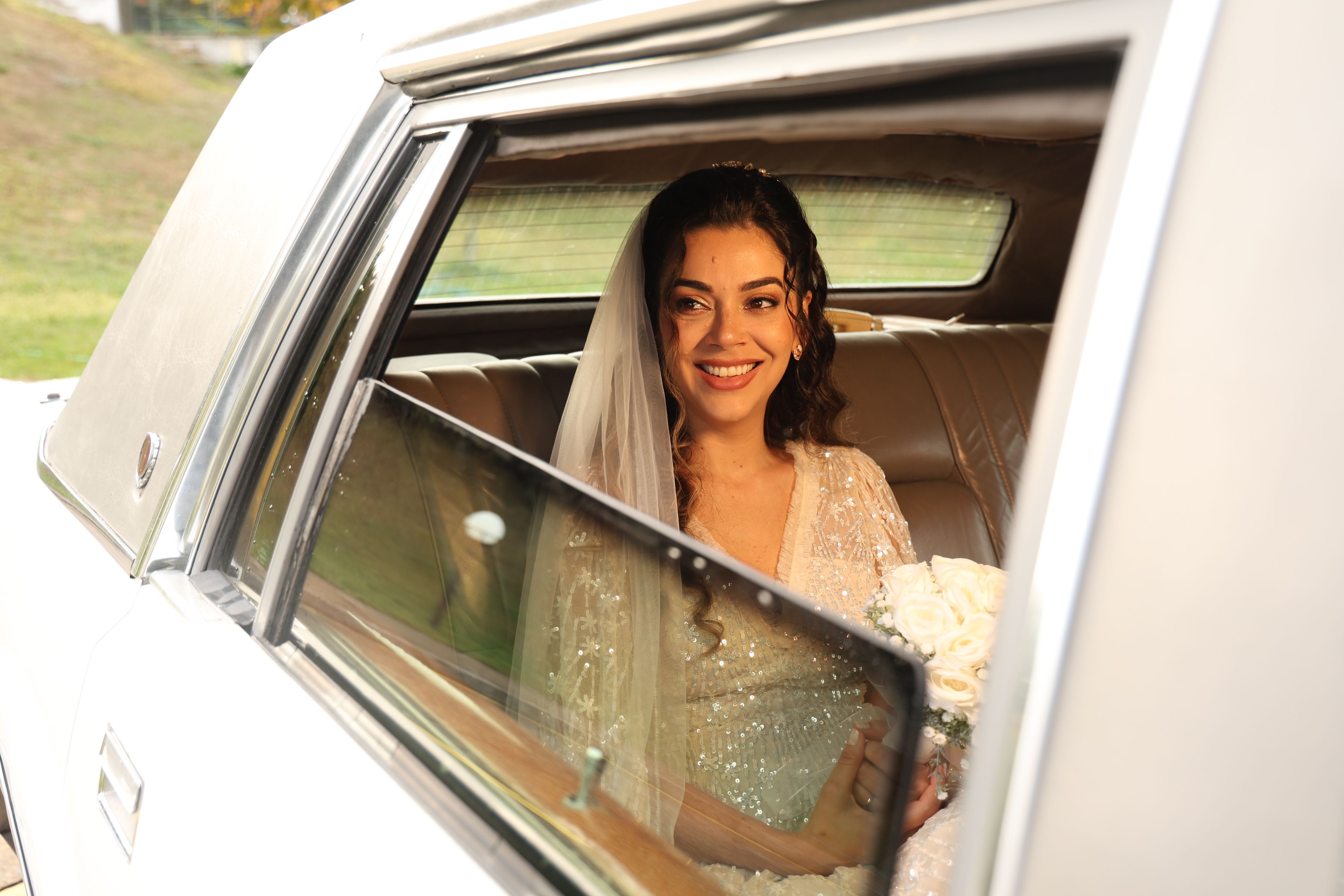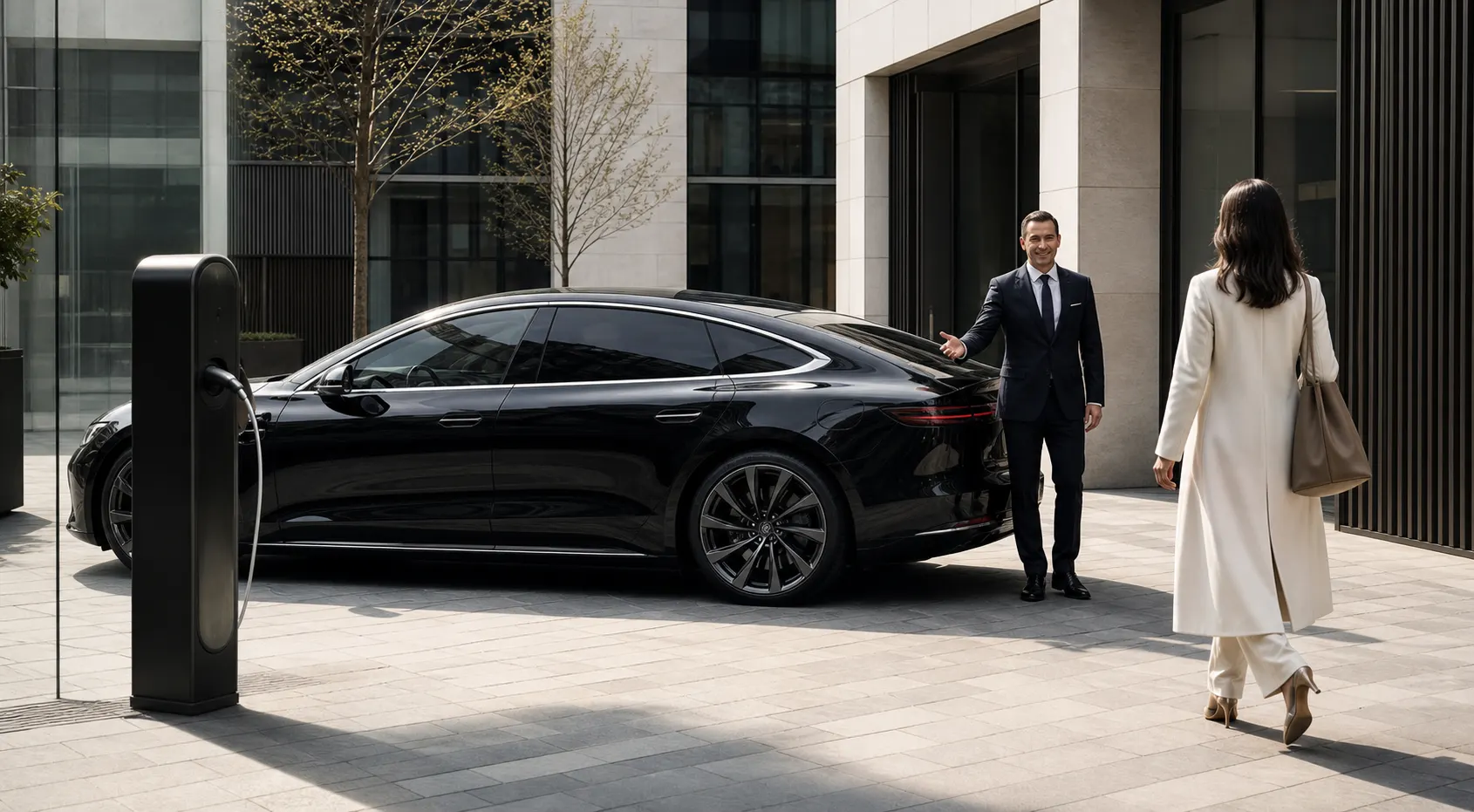







This is the easiest service to justify badly and the easiest to justify well. Badly, because a car outside a boutique looks like the definition of an indulgence. Well, because the actual problem it solves is mundane and universal: you can only shop for as long as you can carry what you have bought, and central London parking makes the obvious solution impossible.
So the question is a practical one. This page sets out the volume, geography and company that make a held car the right answer, the situations where a taxi and a delivery service does the same job for less, and the outlet and out-of-town trips where the arrangement is at its most useful. As always, the cases against come first.
Start with what you will carry
Everything follows from volume. If you expect to come home with one bag, this is a taxi journey and there is no argument to make. If you expect six, across four shops, spread over an afternoon, then carrying becomes the constraint on the day and removing it changes what the day can be.
The second variable is bulk rather than number. Two large boxed items are harder to manage than eight soft bags, and they rule out most alternatives immediately. Anything you cannot comfortably carry up an escalator is effectively a car journey whether or not you booked one.
Days where it clearly earns its place
The strongest cases combine volume with either geography or company. Shopping across several districts, shopping with somebody who cannot carry much, or shopping to a deadline all push firmly in the same direction.
Appointments are the other reliable indicator. A day built around a personal shopping suite, a fitting or a collection has fixed times in it, and moving between fixed times with an accumulating quantity of bags is exactly the problem this arrangement was designed for.
- Shopping across more than one district in a single day
- Any day expected to produce more than a few bags
- Bulky, boxed or framed purchases that cannot be carried far
- Shopping with someone elderly, or with young children in tow
- Days built around fitted appointments with fixed times
- Trips to outlet villages or showrooms outside the city
- Poor weather, when carrying and walking both become considerably worse

When a taxi and a delivery service wins
Most large stores and nearly all luxury boutiques will deliver, and many will hold purchases for later collection. If you are shopping in one place, buying two or three things and happy to have them arrive at your hotel or home the following day, that combination is simpler and cheaper than any car arrangement. It also means you walk out with nothing at all.
A single-street afternoon is the other case. If the whole day happens on Sloane Street or within Selfridges, you are not covering distance and the parking problem never arises, because you never needed to move a car in the first place. A cab there and a cab back is the right answer.
It is also worth being honest about browsing days. If the purpose is to look rather than to buy, and the shopping is genuinely uncertain, holding a car for hours against purchases that may not materialise is poor value. Book it for the day you have already decided will be substantial.
Outlet villages and the drive out
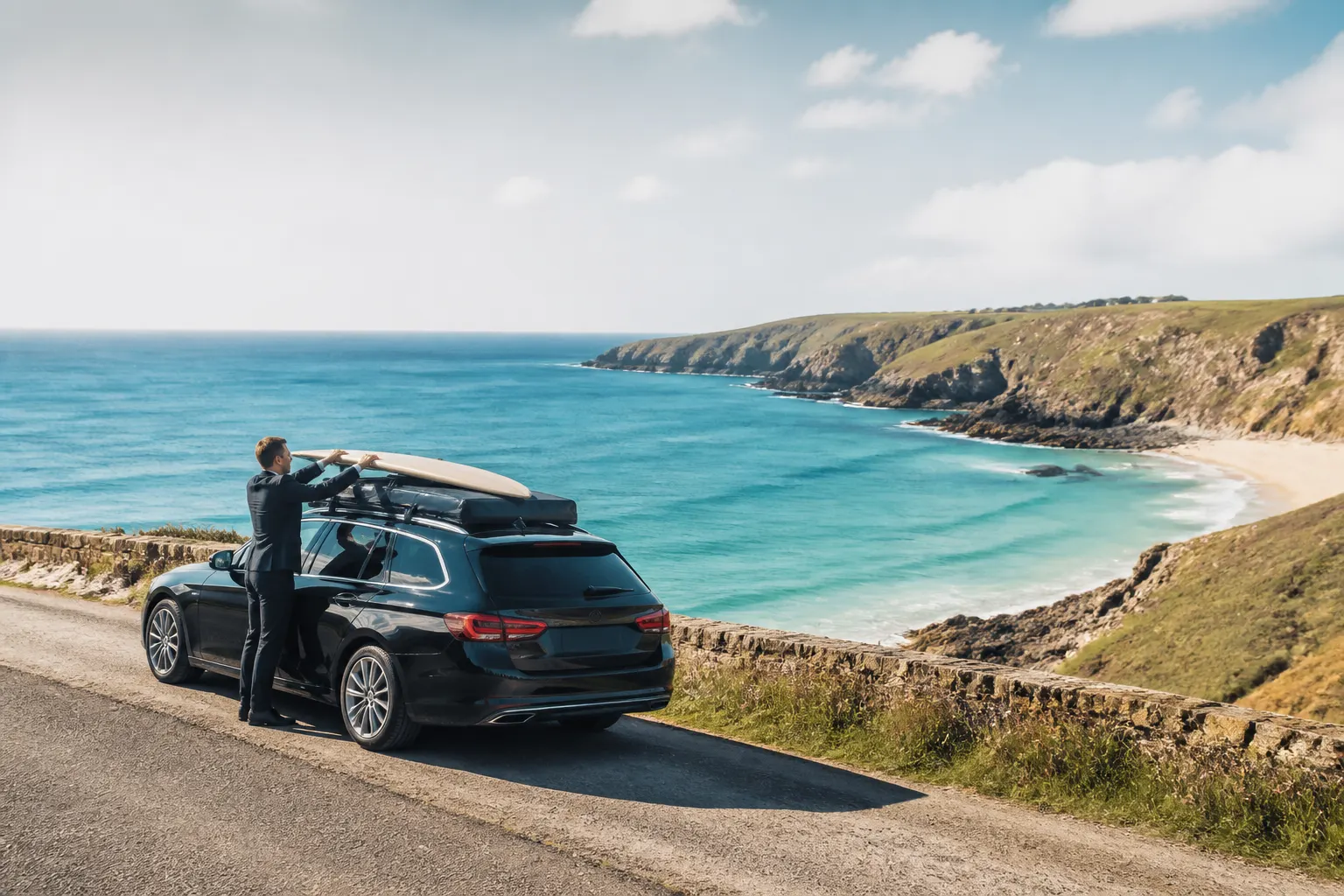
Out-of-town outlets invert the usual calculation. The shopping itself happens in one walkable place, so bag handovers matter less, but the journey there and back becomes the difficult part. Coaches run to a timetable that never suits, and driving yourself means a car park, a walk and a return leg in Friday traffic after a long day.
For those trips a full day booking is usually the right shape. The car is there when you finish rather than at a fixed departure time, everything goes into the boot as you accumulate it, and the return journey is spent sitting down. It is one of the clearest cases in this service, and it has almost nothing to do with luxury.
Shopping with company
Two people shopping together generate roughly twice the bags and half the tolerance for carrying them, which strengthens the case considerably. It also introduces a scheduling element, since parties rarely finish in the same shop at the same time, and a car that can collect from two points removes the usual standing about on a corner.
With children, the calculation is different again and usually decisive. Somewhere warm to retreat to, a place for coats and a pushchair that does not have to be manoeuvred through a boutique doorway are worth more than the shopping itself. Equally, if a child is unlikely to last the afternoon, book the shorter day and be pleased about it.
When to book something else
A shopping booking is a specific arrangement, and a number of days that sound like one are really something adjacent. Choosing accurately keeps the day simpler.
Send the outline and we will tell you which fits, including when a cab and a store delivery covers it. That is a perfectly good answer and we give it regularly.
- One store, two or three purchases: a taxi, and have the shop deliver
- A browsing day with uncertain buying: wait for the day you will commit
- Shopping folded into a wider stay: a hotel chauffeur block instead
- A day mixing shopping with sights: a sightseeing chauffeur booking
- Collecting one bulky item only: a single point-to-point booking
- An outlet village trip: a full day booking rather than hourly
- A gift-buying evening after work: two short transfers, not a held car