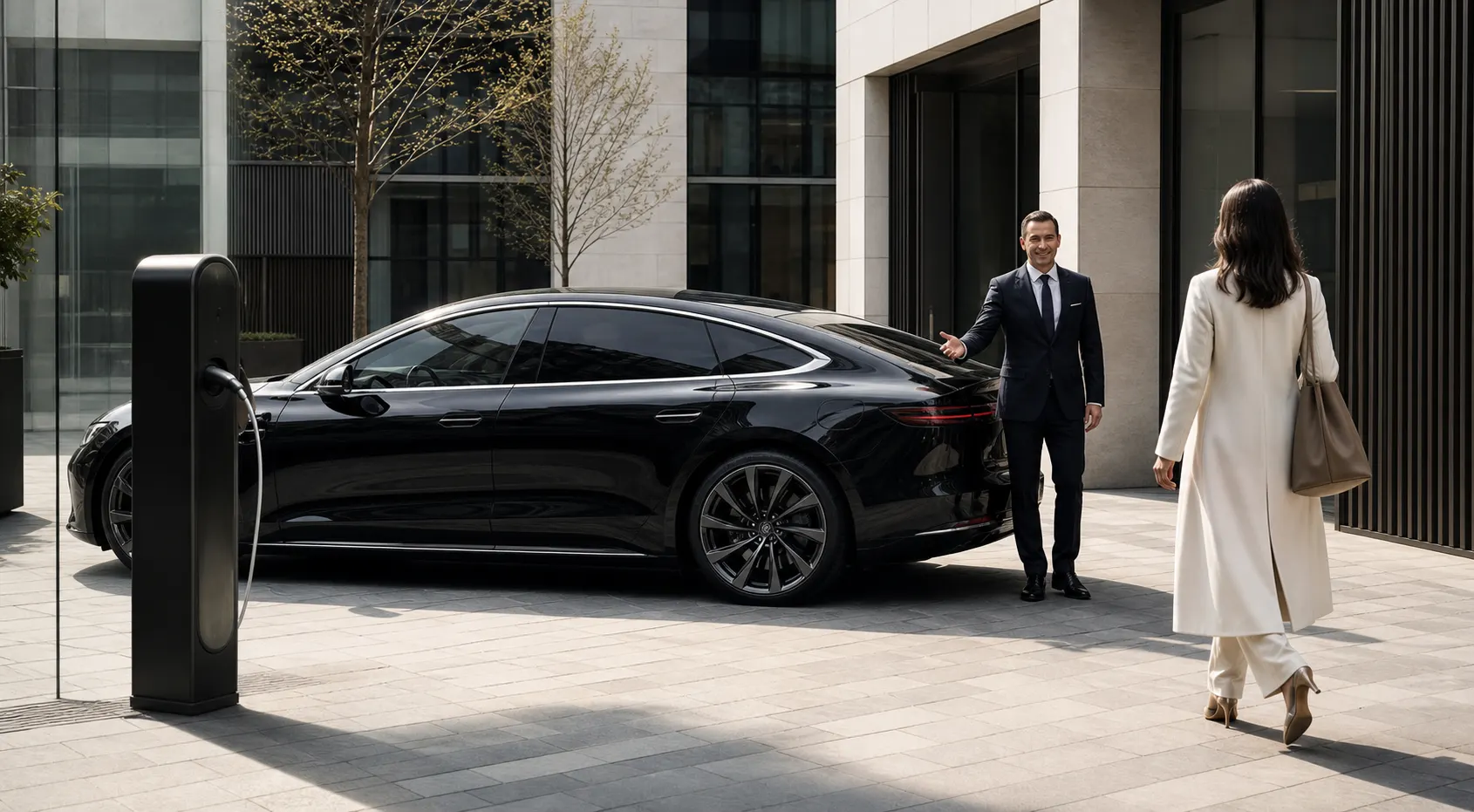






An executive booking is judged by a single measure: how much of the working day survives the travelling. Everything else follows from that. The vehicle is chosen for the hours you will spend in the seat, the timings are built around the one appointment that cannot move, and the chauffeur is briefed to keep you out of every decision that does not need you. This page follows that arrangement from the first message to the last drop-off.
It is written as much for the person who books on somebody else's behalf as for the passenger, because in practice that is usually who reads it. Where an assistant is coordinating, the parts that matter are the briefing, the confirmations and who hears about a change first. Those are set out plainly, along with the handful of things an executive chauffeur is not there to do.
Briefing us on the working day
The useful enquiry describes the day rather than the journeys. Tell us where you start, the appointments in order, the addresses as they appear on the invitation rather than the postcode you half remember, and the one meeting that genuinely cannot slip. From there we work out whether the day is a sequence of transfers or a single continuous booking, and we will say which we think it is rather than quote whatever you asked for.
The details that change the plan are rarely the obvious ones. A building with a service entrance on a different street. A client site inside a business park with a barrier and a visitor log. A lunch scheduled for an hour that has never once lasted less than two. Anything you already know about how these appointments behave is worth telling us, because it goes into the timings rather than into a note nobody reads.
- The full address of each stop, taken from the invitation
- The order of appointments, and which one cannot move
- Realistic durations rather than the ones in the calendar
- Whether colleagues join you, and where they are collected
- Cases, samples or materials travelling in the boot
- Calls you expect to take, and roughly when they fall
The confirmation you receive
A written quotation follows, and nothing is held until you have agreed it. It names the vehicle class we recommend for the length of the day, the collection time, the planned sequence and the terms that apply to your particular booking. Read the timings rather than skim them, because that is where a schedule which looks fine on paper turns out to depend on a twenty-minute crossing of central London at half past four.
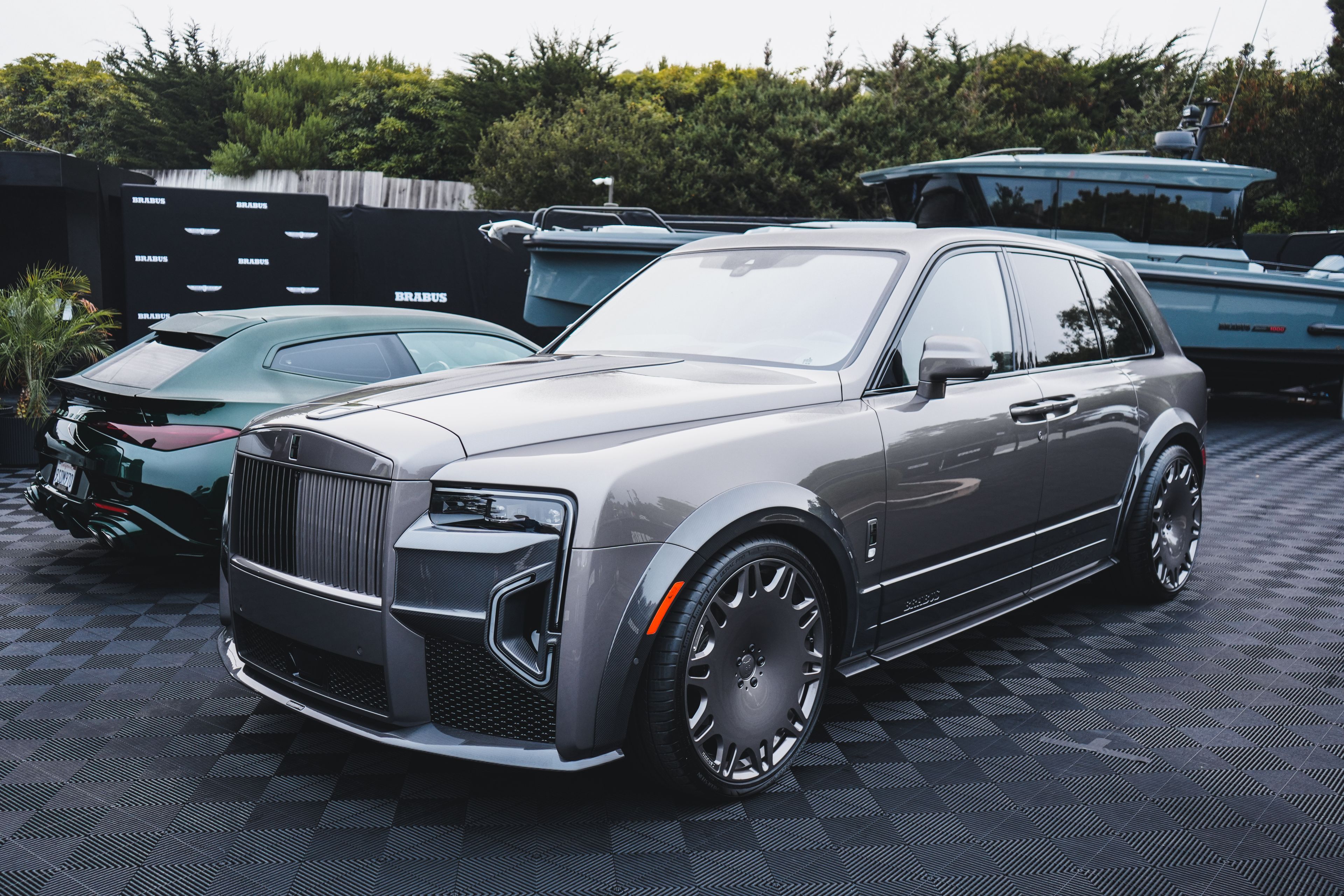
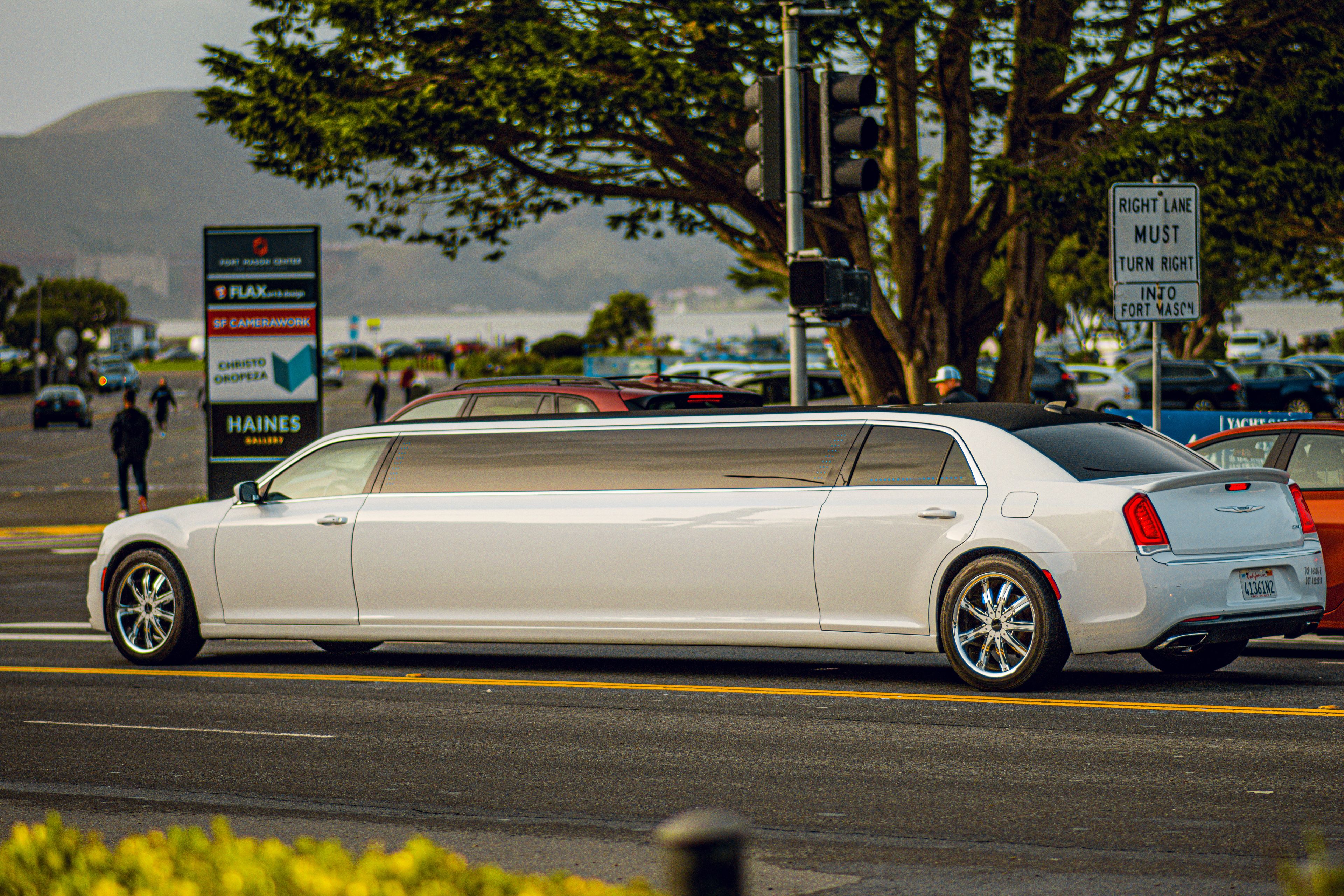
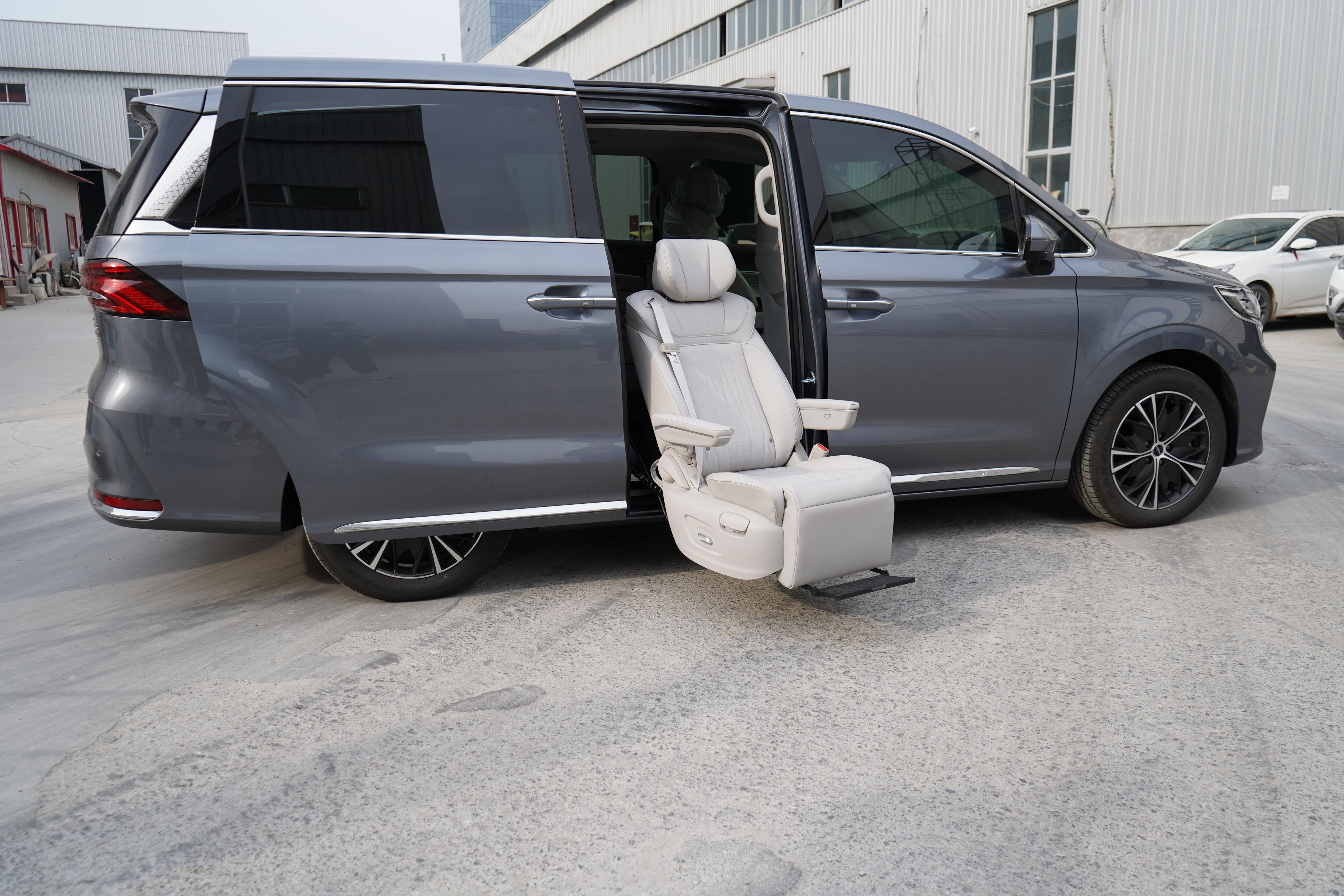
We describe a class of vehicle rather than a specific car. Vehicles come from our own cars and from a vetted network of professional chauffeur operators, and model, colour and specification are subject to availability. If a particular feature matters for the day, a fold-out table for signing or individual rear seats so two people can work side by side, tell us at this stage and we will confirm what can be held.
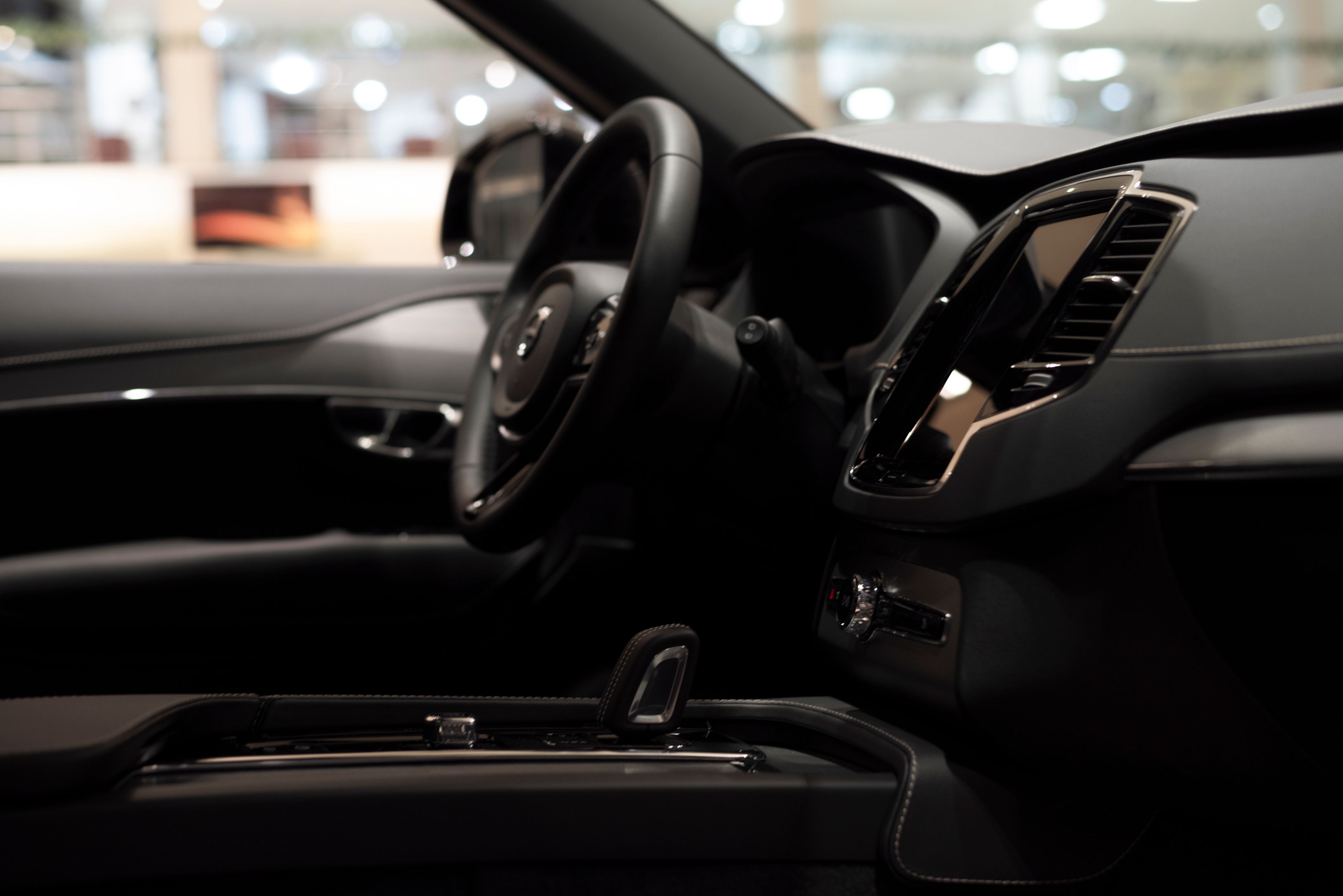
The rear compartment as an office
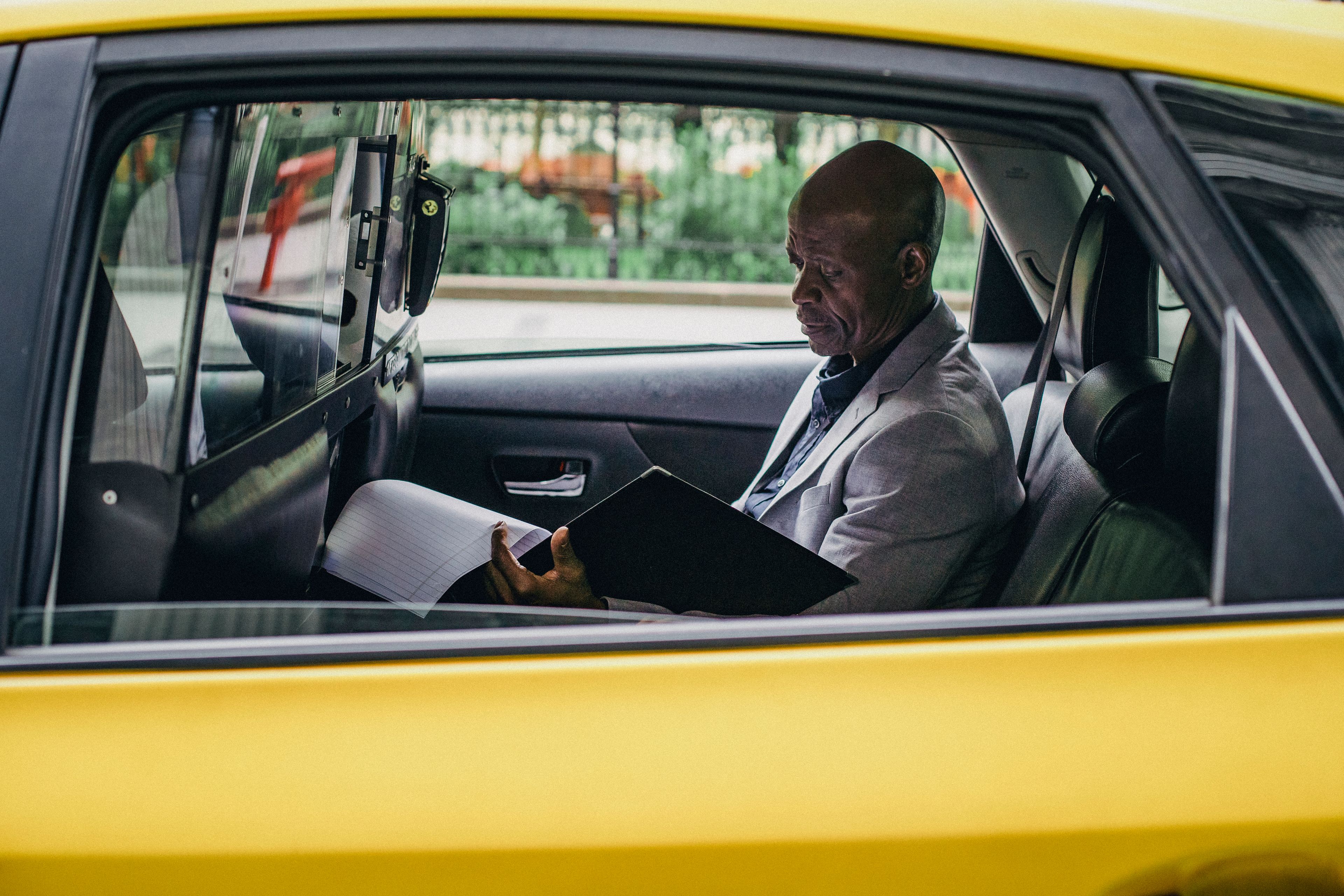
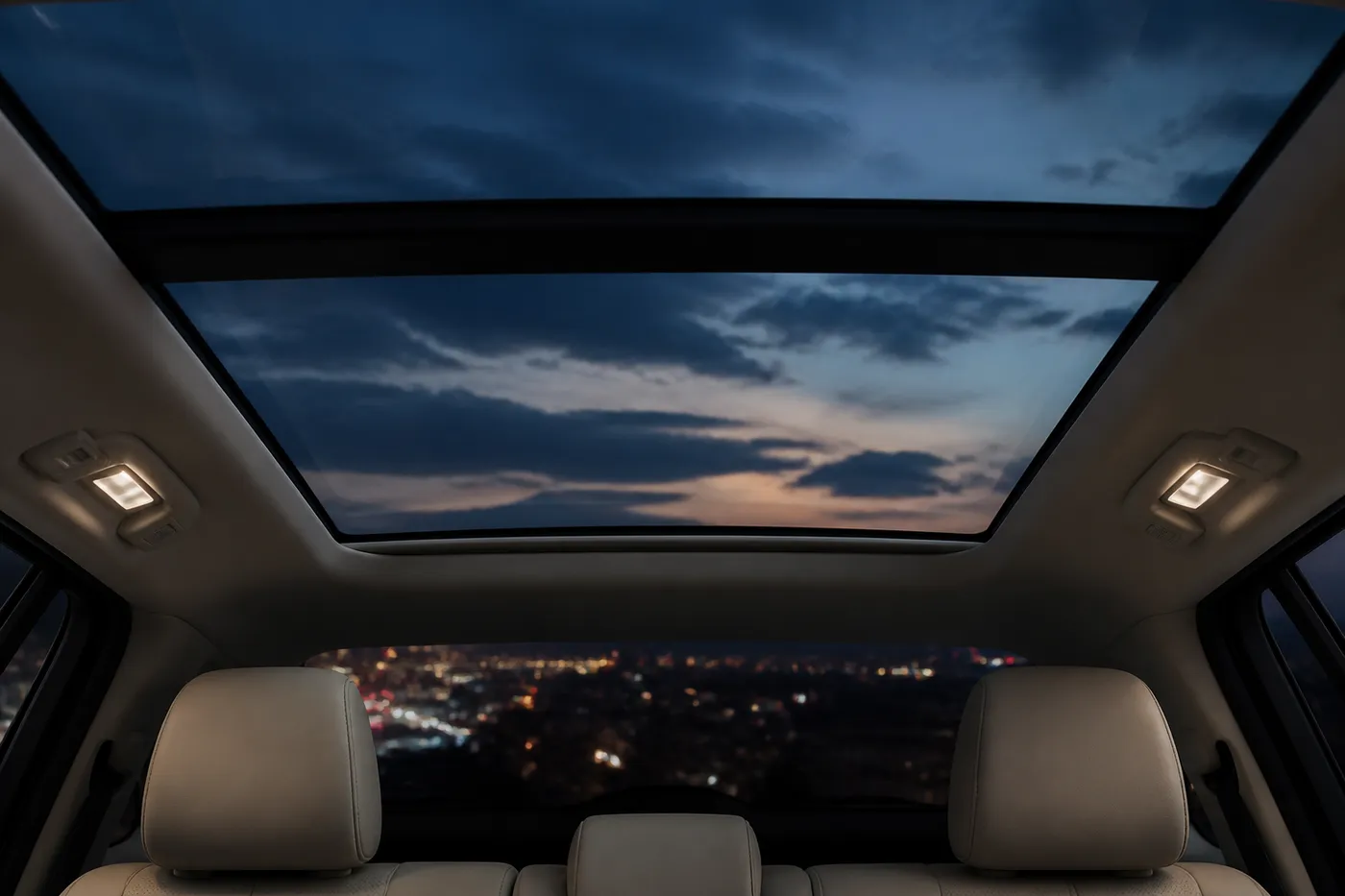
The practical test of a working cabin is whether a conference call sounds like a conference call. Acoustic glazing, a quiet drivetrain and a chauffeur who anticipates rather than reacts do most of that work. Power for a laptop and a phone at the same time is standard, and privacy glass means a document open on your knee is not being read by the car alongside you at a set of lights.
Do not rely on onboard connectivity for anything critical. Some vehicles carry it, mobile coverage on the routes we run is generally strong, and connecting through your own phone is still the arrangement we would recommend for a call you cannot afford to lose. If the day includes a video appearance, tell us when it falls and we will plan to be on a smooth stretch of road rather than in a multi-storey car park.
Your chauffeur works on the assumption that the cabin is yours. He will not ask what the meeting was about, will not comment on a call he could not avoid hearing, and will not mention any of it afterwards. That is a trained habit rather than a personality, and it is the reason anybody conducts business in the back of a car at all.
What happens between appointments
On a continuous booking the car does not leave you. Your coat stays on the seat, the papers you finished with stay in the door pocket, and there is a quiet place to sit for the twenty minutes between an office in the City and a lunch in Mayfair. That interval is where most of the value sits, and it is invisible until the first time you have it.
The chauffeur holds somewhere sensible rather than idling outside a client entrance, takes his own break while you are occupied, and returns to the door within a few minutes of a message. You are not expected to track him, to give notice, or to feel that somebody is standing in the rain on your account. If a meeting ends early, the time simply comes back to you.
What your chauffeur will not do
A small number of requests fall outside the role, and it is more useful to know them now than to discover them at a kerb in front of a client. None of these is a matter of willingness. They are either legal limits or the boundary between one profession and another, and both are firmer than they look from the back seat.
Where something on this list is genuinely needed, we can usually suggest how to arrange it properly: a second chauffeur for a day that runs beyond legal driving hours, a courier for documents, a specialist firm for anything involving protection. Saying so at the planning stage is worth considerably more to you than agreeing on the morning and improvising later.
- Signing for, storing or delivering documents unattended on your behalf
- Driving on once legal driving-hours limits have been reached
- Acting as security, close protection or a crowd manager
- Waiting inside a client building or attending a meeting with you
- Carrying more passengers than the vehicle is legally seated for
- Altering your schedule without an instruction from you or your office
When the day runs over
Working days overrun, and the booking is built to absorb it. A message is enough to move the rest of the sequence, and inside a continuous booking a delayed meeting costs nothing except the time it took. Where a change pushes the day well beyond its agreed length or redraws the route substantially, we tell you what that means before anything is committed rather than presenting it to you afterwards.
Legal driving hours are the one part of the plan that does not flex. If an evening looks likely to run into them, we would rather raise it in the afternoon and propose a second chauffeur than stretch the first and hope. Raising it early turns what would have been a difficult evening into a simple decision made in daylight.