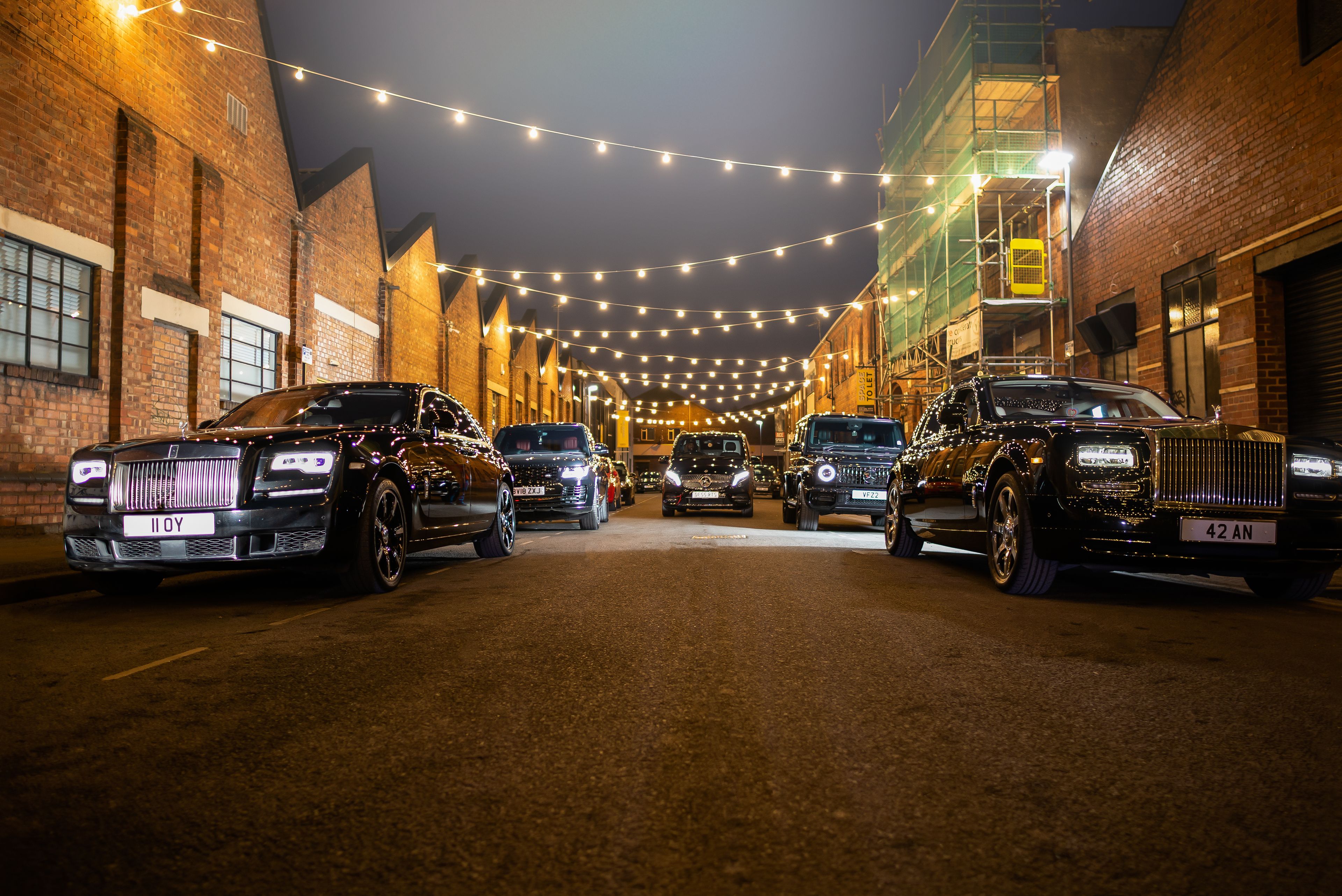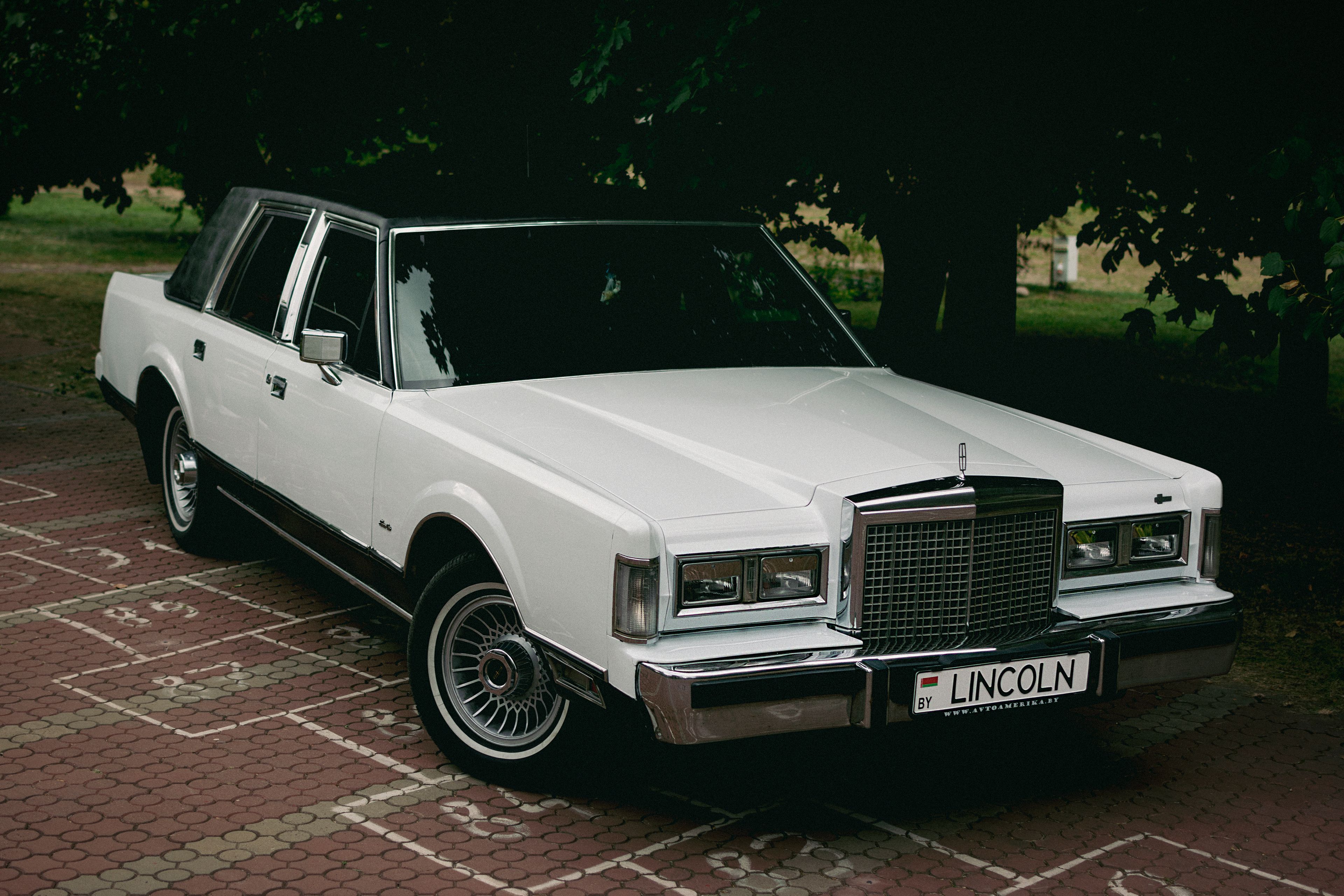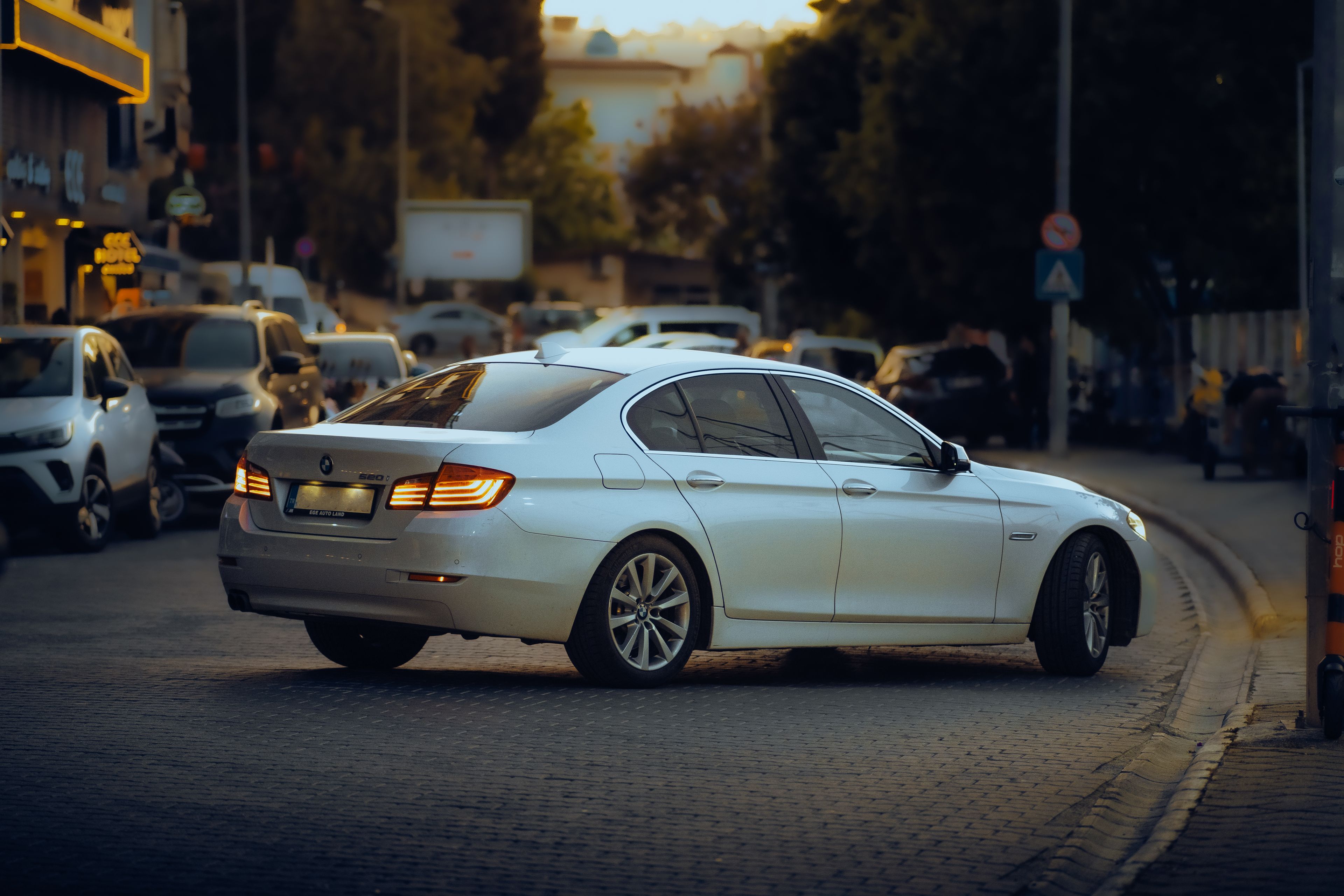






Shared journeys are where chauffeur etiquette becomes genuinely social. On your own, the only decisions are yours. With three colleagues and a client, there is a seating order to negotiate, a conversation to manage in front of a driver, and a shared hour that is either productive or quietly uncomfortable depending on how it is set up.
None of this is difficult, but almost all of it is decided before anyone gets in the car — by the vehicle chosen, by who is briefed, and by whether the journey is treated as transport or as part of the meeting. A little thought at the booking stage is worth a great deal more than good manners at the kerb.
Who sits where, in practice
The workable convention is simple: the guest or the most senior person takes the rear nearside seat, because it is the door that opens onto the pavement and the easiest to get into. Everyone else fills in around that. If you are hosting, offering that seat aloud rather than waiting for people to work it out is what stops the shuffle happening on the kerb.
In a saloon with three passengers, someone is in the middle rear seat, and it should be whoever is travelling shortest or minds least — usually the host. If nobody wants it, that is a signal that the vehicle is the wrong size for the party rather than a problem of etiquette. Nobody arrives at their best after forty minutes wedged between two colleagues and a seatbelt buckle.
Why the vehicle changes the journey
A luxury MPV transforms a shared business journey. Everyone gets a proper seat, there is space between people rather than shoulder contact, and the rear rows sit far enough from the driver that a conversation at normal volume does not carry forward. For a group who need to actually work en route, that separation matters more than any other feature.
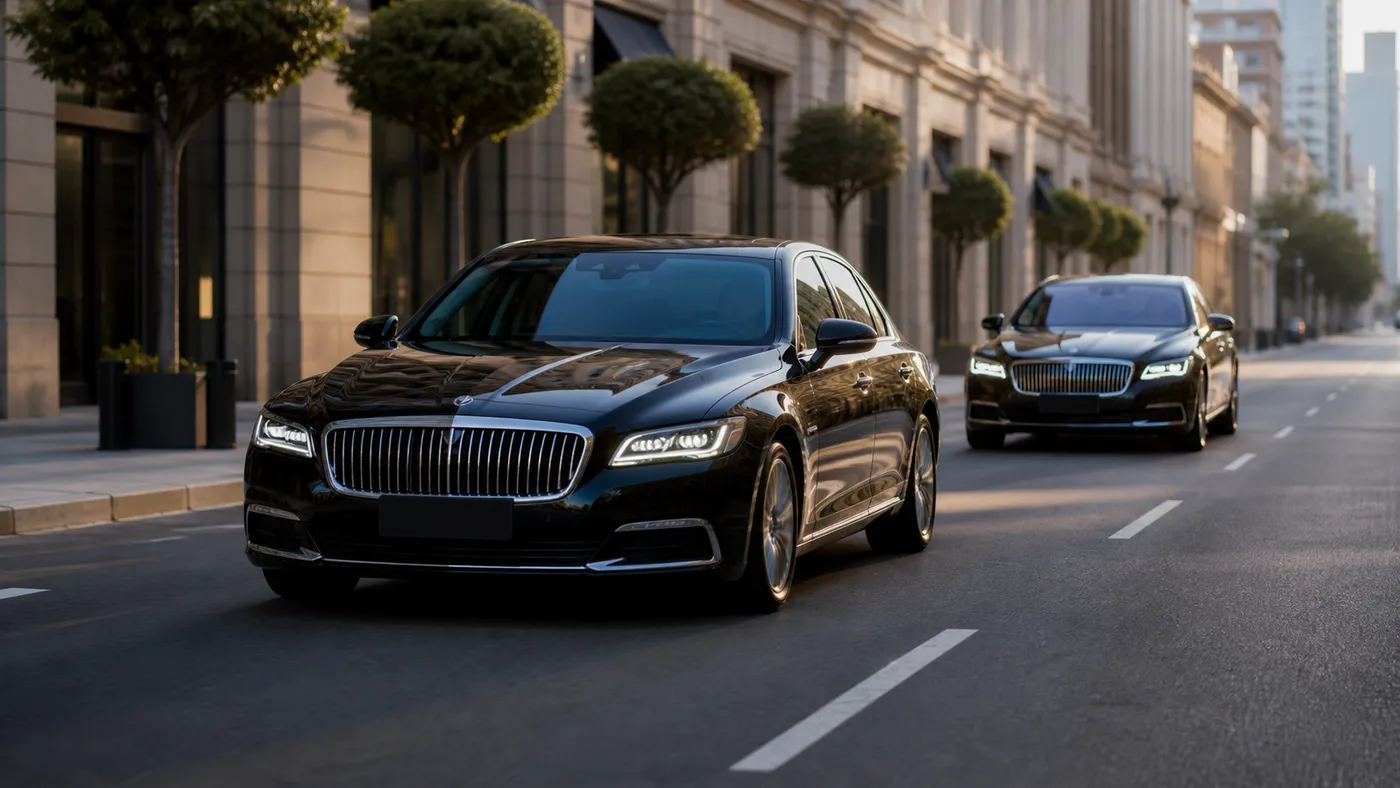
A saloon is right for two, workable for three over short distances, and wrong for four. The temptation to squeeze a party into one car to save arranging a second is where most uncomfortable shared journeys begin. Say the real number and the real luggage when you book and the recommendation will follow from it. Understating the party by one person is the most common way a good day starts badly.
- Two colleagues: an executive or flagship saloon is comfortable and quiet
- Three for a short hop: a saloon works, with the host in the middle
- Three or more over distance: a luxury MPV, every time
- Four to seven: an MPV, or two cars if the party needs to split at the far end
- Mixed party with a client: give the client the nearside rear seat
- Different departure points: two cars is usually faster than one long loop

How freely can you talk?
Assume the chauffeur can hear a normal conversation in a saloon, and assume equally that they will treat none of it as theirs to repeat. Professional discretion in this trade is a working standard rather than a promise, and it covers who travelled together as much as what was said. That is the honest position on both sides. Trust the professional standard, but do not rely on acoustics that do not exist.
For genuinely sensitive discussion, act rather than hope. Raise the music, use a larger vehicle where distance does the work, or hold the conversation for the meeting room. The most common mistake is a group who become progressively less careful over the course of an hour because the first ten minutes felt private. Volume creeps up with enthusiasm, and enthusiasm is exactly what a good meeting produces.
Using the journey as working time
A shared car is one of the few settings where a team is together, undistracted and unable to leave, which makes it unusually good for the conversation everyone keeps postponing. Treating it deliberately as working time — an agenda for the run to the airport, a debrief on the way back — turns an hour of transport into something useful.
That works best when the practicalities are handled in advance: a vehicle with room to open a laptop, a route with predictable timings, and a chauffeur told at the outset that the party will be working and would like the cabin quiet. Say so when booking and all three are arranged before you arrive. An hour of undisturbed discussion is worth more than most of the meetings it sits between.
- Say when booking that the party will be working
- Ask for a vehicle with room to open a laptop
- Agree the cabin should stay quiet for the duration
- Set an agenda for the outbound leg and a debrief for the return
- Confirm the finish time so nobody is watching the clock
Hosting a client in the car
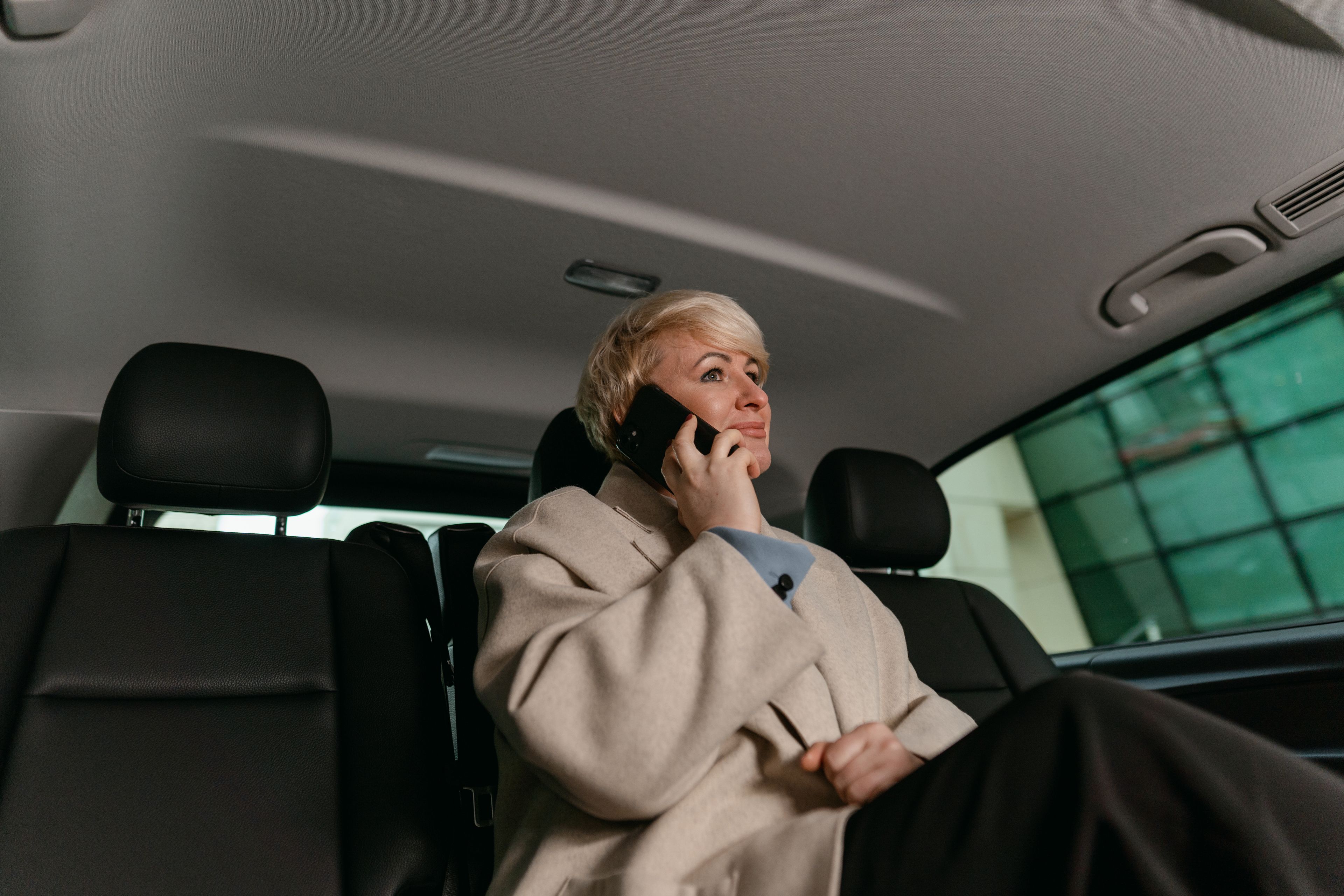
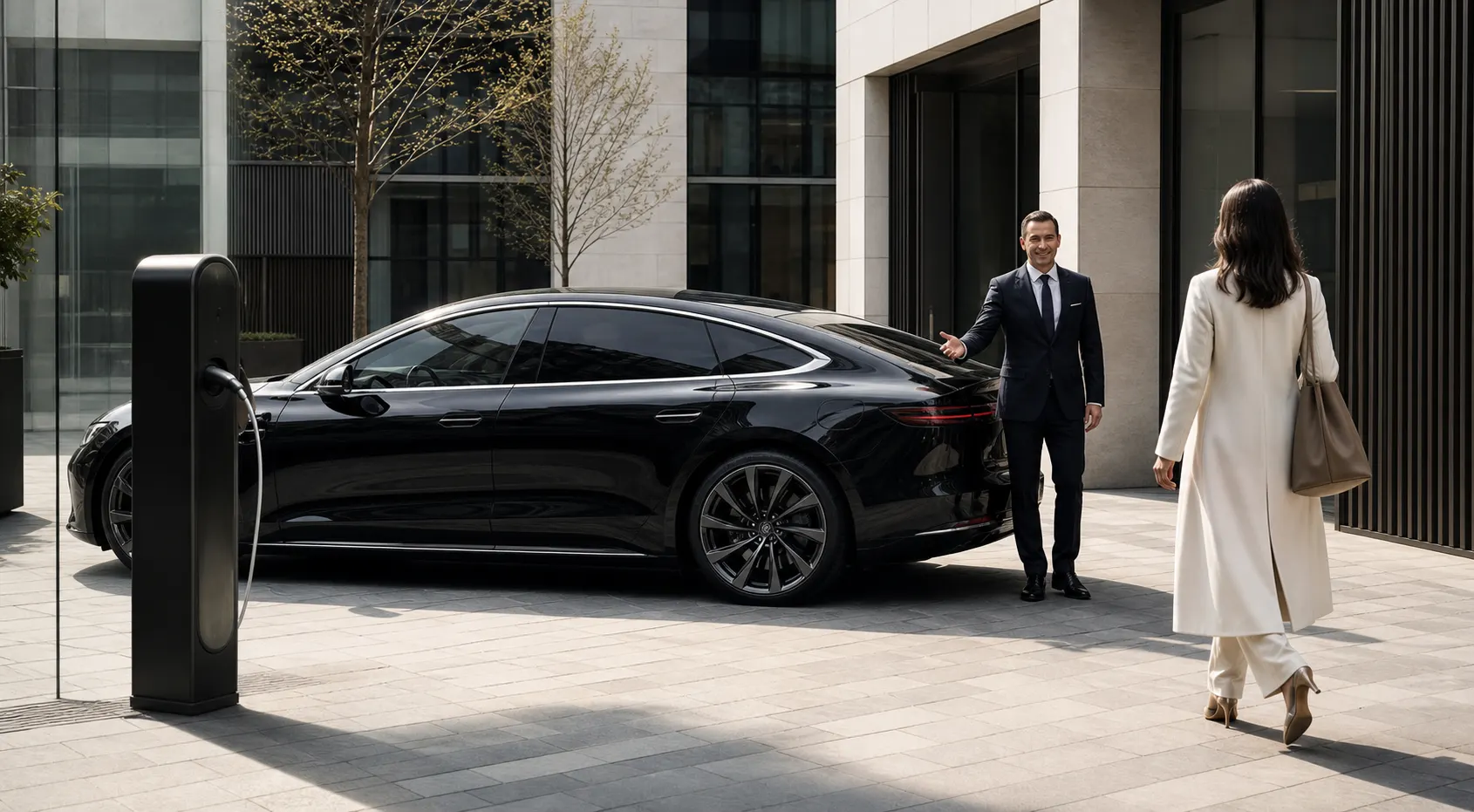
If you have arranged the car for a client, the car is part of the hospitality and small things register. Knowing their name before they get in, having the temperature already right, and being clear about what happens at the far end all read as competence. So does not making the client watch you resolve logistics on the phone for the first ten minutes.
Be careful, too, about the return leg. A client left to find their own way home after a good meeting undoes some of the impression the arrival made. If the car is holding for the day, say so; if it is not, tell them what has been arranged so nobody is standing outside a restaurant at eleven wondering. The last five minutes of hospitality are the ones people actually remember.
Multiple pickups and split parties
Collecting several colleagues from different addresses is doable and is often less efficient than it looks on a map. Each additional stop adds not just the driving time but the waiting, and a chain of four pickups across London can easily take longer than the journey itself. It is usually better to nominate one meeting point. A station forecourt or an office lobby works better than four front doors.
Where the party genuinely starts in different places, two cars converging is frequently faster and less stressful than one car looping. Give the full picture when you enquire — all the addresses, all the times, and where everyone needs to be — and the sensible arrangement usually becomes obvious immediately. What does not work is deciding the shape on the morning, when the vehicles have already been allocated elsewhere.