





Etiquette guides usually address only one half of the room, which is why they so often read as a list of rules for the nervous. Chauffeur travel has two sides to it. There is what a professional will do for you, most of which you should never have to request, and there is a small set of courtesies that make their job possible. Neither half is complicated, and neither half is grand.
What follows is the working version rather than the ceremonial one. It comes from how the job is actually done in Britain today, in ordinary cars on ordinary weekdays, rather than from a period drama. Almost all of it reduces to a single principle: nobody should have to guess what the other person wants, and information given early prevents most of the problems that etiquette is invented to smooth over.
What a chauffeur will do without being asked
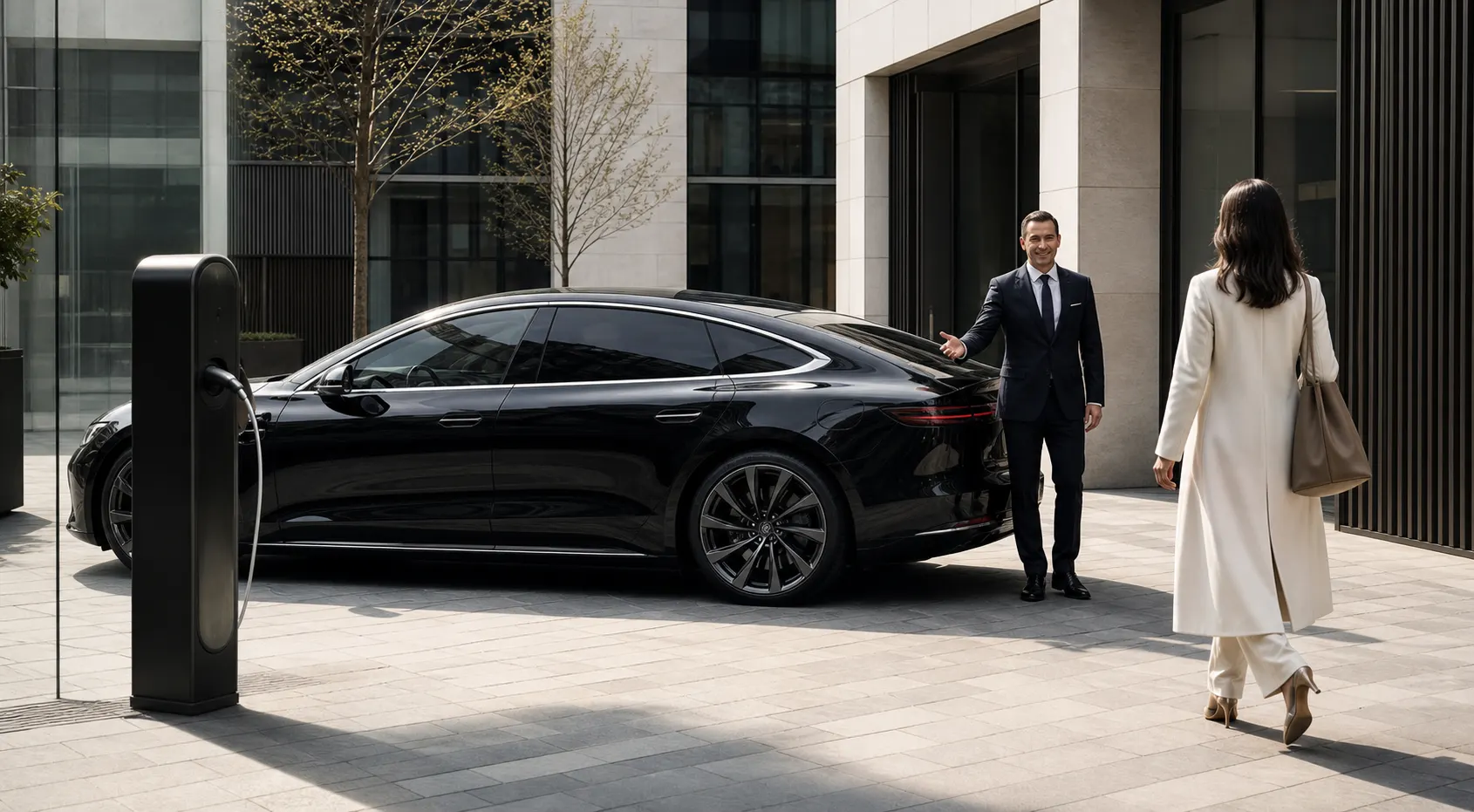
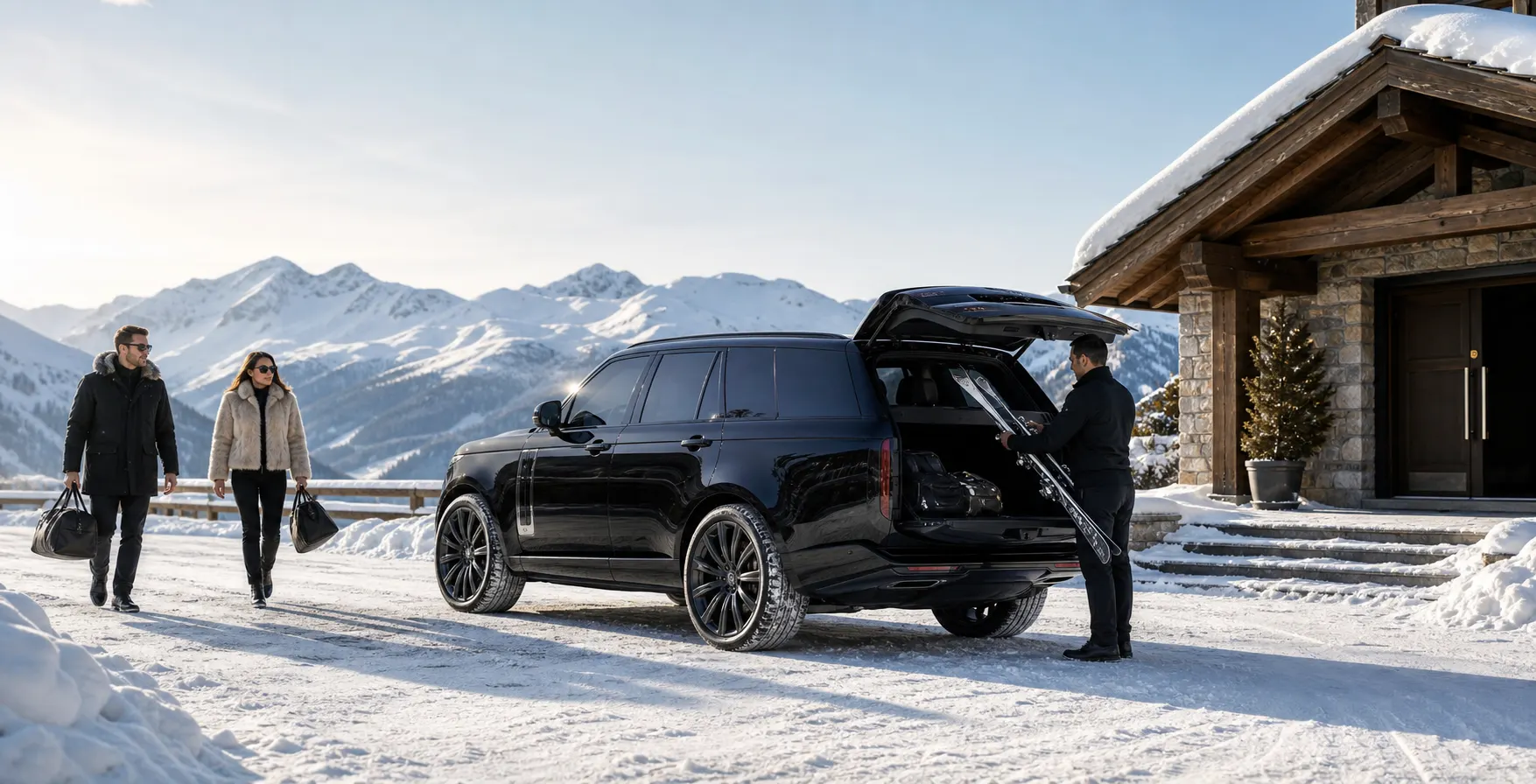
A professional arrives before you do, positions the car so the rear door opens onto the pavement rather than the road, and is out and waiting as you approach. They open your door, take your bags, and load them properly rather than throwing them in. They do not begin the journey until you are settled, and they confirm the destination once rather than checking repeatedly.
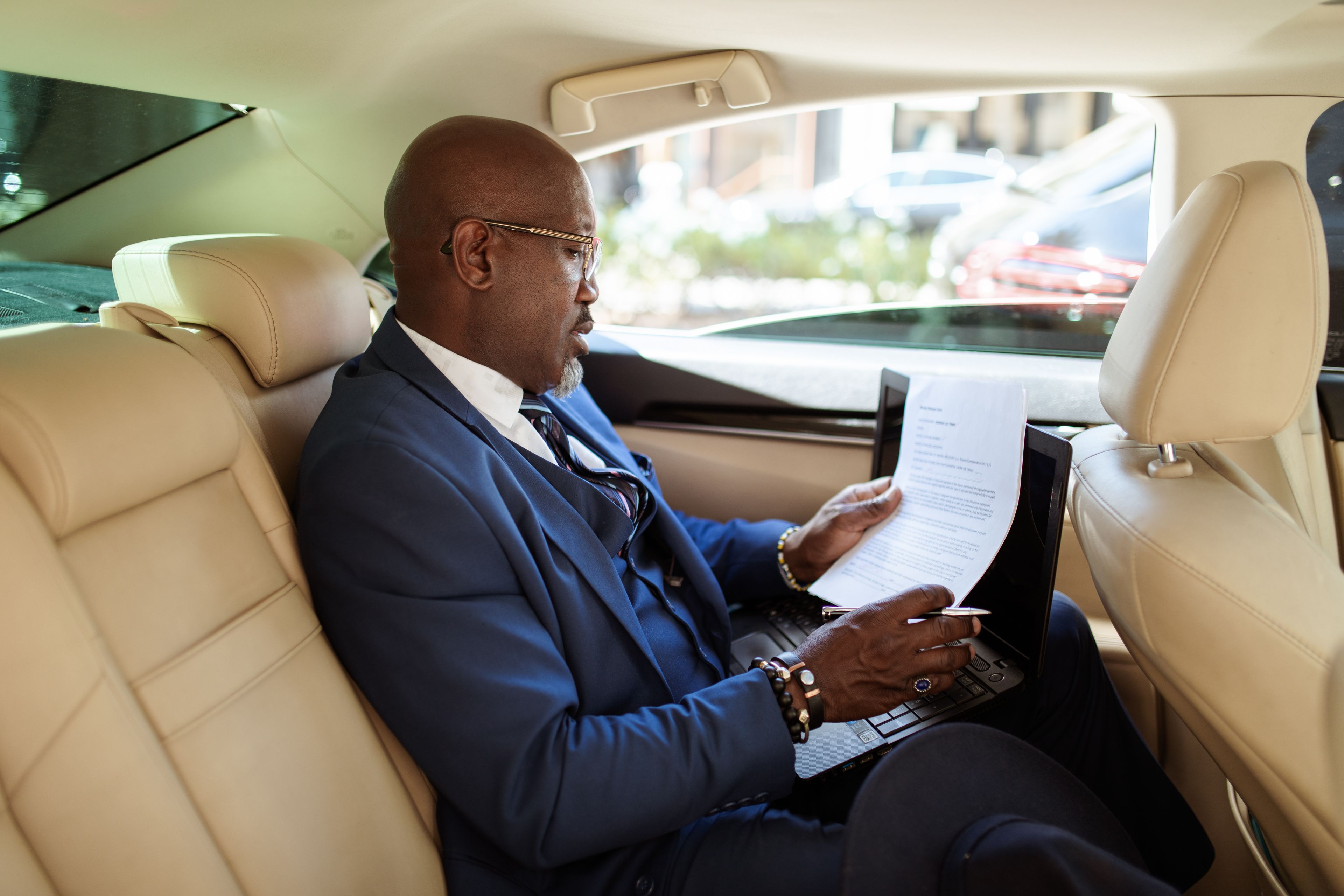
Through the journey they read the cabin. If you take out a laptop, the conversation stops. If you take a call, the music goes down without being asked. They drive smoothly, which is a skill rather than a speed, and they take corners and roundabouts in a way that lets you read or drink coffee without bracing. At the end they come round to your door rather than expecting you to open it.
What is quietly expected of you
Very little, and none of it is about deference. Be findable at the agreed time and place, or send word if you cannot be. Tell the chauffeur if the plan has changed. Treat the car as you would a colleague's — no feet on the seats, no litter left behind, no doors slammed. Wear the seatbelt. These are the whole of the passenger's side of the bargain.
The one thing worth adding is honesty at the point of booking. Passenger numbers, luggage, child seats, mobility needs, whether anyone finds it hard to get into a low car. None of it is intrusive to disclose and all of it changes which vehicle turns up. The awkward moments in this trade almost always trace back to something true that was not said in advance.

The greeting and the first minute
The first minute sets the tone for everything after it. A chauffeur will greet you by name if they have it, confirm the destination, and then leave the next move to you. If you answer briefly and turn to your phone, they will take that as the answer and drive. If you ask a question about the route or the weather, they will follow your lead and keep it easy.
Passengers sometimes worry that ignoring the driver is rude. It is not. Silence is the default in this trade and no professional interprets it as coldness. A greeting at the start and a thank you at the end are all that courtesy actually requires; everything between those two points is yours to spend as you like. Sleeping through the whole journey is a compliment rather than an insult.
Small courtesies that make a real difference
Some of these sound trivial written down, but each one removes a moment of friction that would otherwise land on somebody. They are worth knowing because they cost nothing and because chauffeurs notice them, which affects how the rest of the day feels. Think of them less as manners and more as maintenance on the small machinery of the day, which is easier to keep running than to restart.
None of them is a rule. If you forget every one of them the journey will still work, because absorbing that is part of the job. But a passenger who does two or three of these tends to have a smoother day than one who does none. The difference is not politeness so much as the number of decisions somebody else has to make on your behalf while driving.
- Send a message if you are running late rather than letting the clock run
- Say at the start if you have a hard deadline at the far end
- Name the entrance you will use, particularly at hotels and hospitals
- Mention extra stops when you book rather than mid-journey where possible
- Let the chauffeur load the luggage — they know how it fits in that car
- Close doors rather than pushing them, and let them close the rear door for you
Where the etiquette differs from a taxi
A taxi is a transaction that begins when you get in. A chauffeur booking begins hours earlier and involves a car and a named person held for you alone, which changes the register slightly. You are not competing for the driver's attention or negotiating the route. You will not be asked which way you want to go, because the route has already been considered and, if you prefer a different one, you only have to say so.
The other difference is waiting. A chauffeur waits by design, whether that is outside a restaurant, in an airport car park, or in a lay-by near a country house. It is not an imposition and does not need apologising for. If you are going to be much longer than expected, though, saying so is a kindness — it lets them move the car, eat something, or simply stop watching the door.
- The route is planned in advance rather than agreed at the kerb
- A named chauffeur and a specific car are held for you alone
- Waiting is part of the arrangement rather than an imposition
- Luggage is handled for you without needing to be asked
- Nothing is settled or discussed in the car itself
- The booking exists in writing before the day begins
Getting it wrong, and why it rarely matters
People overestimate how much can go wrong socially in a chauffeur car. Sitting in the wrong seat, forgetting a name, taking a call halfway through a sentence, spilling something — all of it is ordinary, all of it is absorbed without comment, and none of it will be mentioned. Chauffeurs are professionally incurious, and a passenger who is relaxed is easier to look after than one who is trying to perform.
If something does bother you — the temperature, the route, the radio, the pace — say it directly and early. A short sentence at the start of a journey fixes what an hour of politely enduring will not. Nobody in this trade takes a preference as criticism, and most would far rather be told. The only genuinely awkward journey is the one where nobody says anything at all.