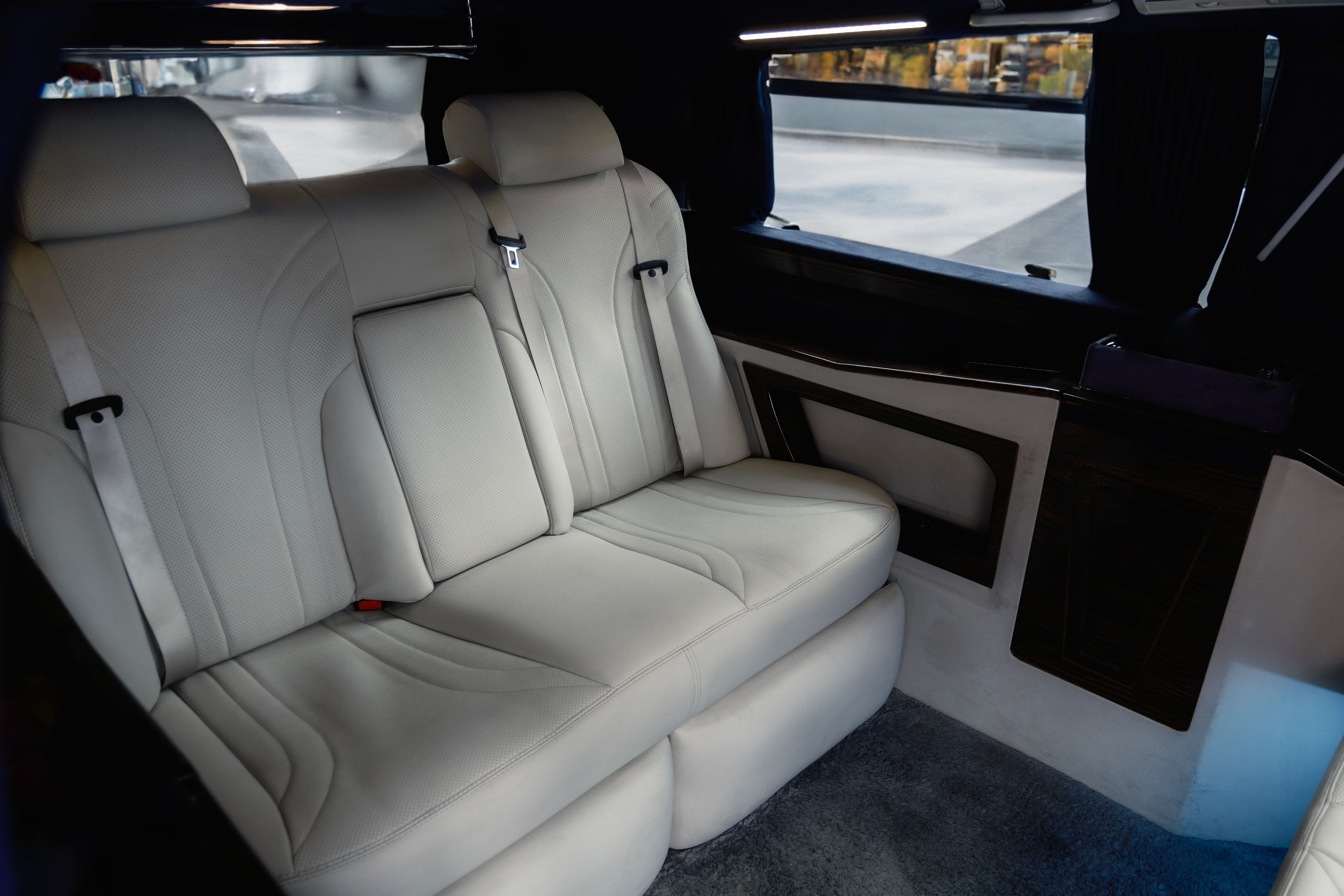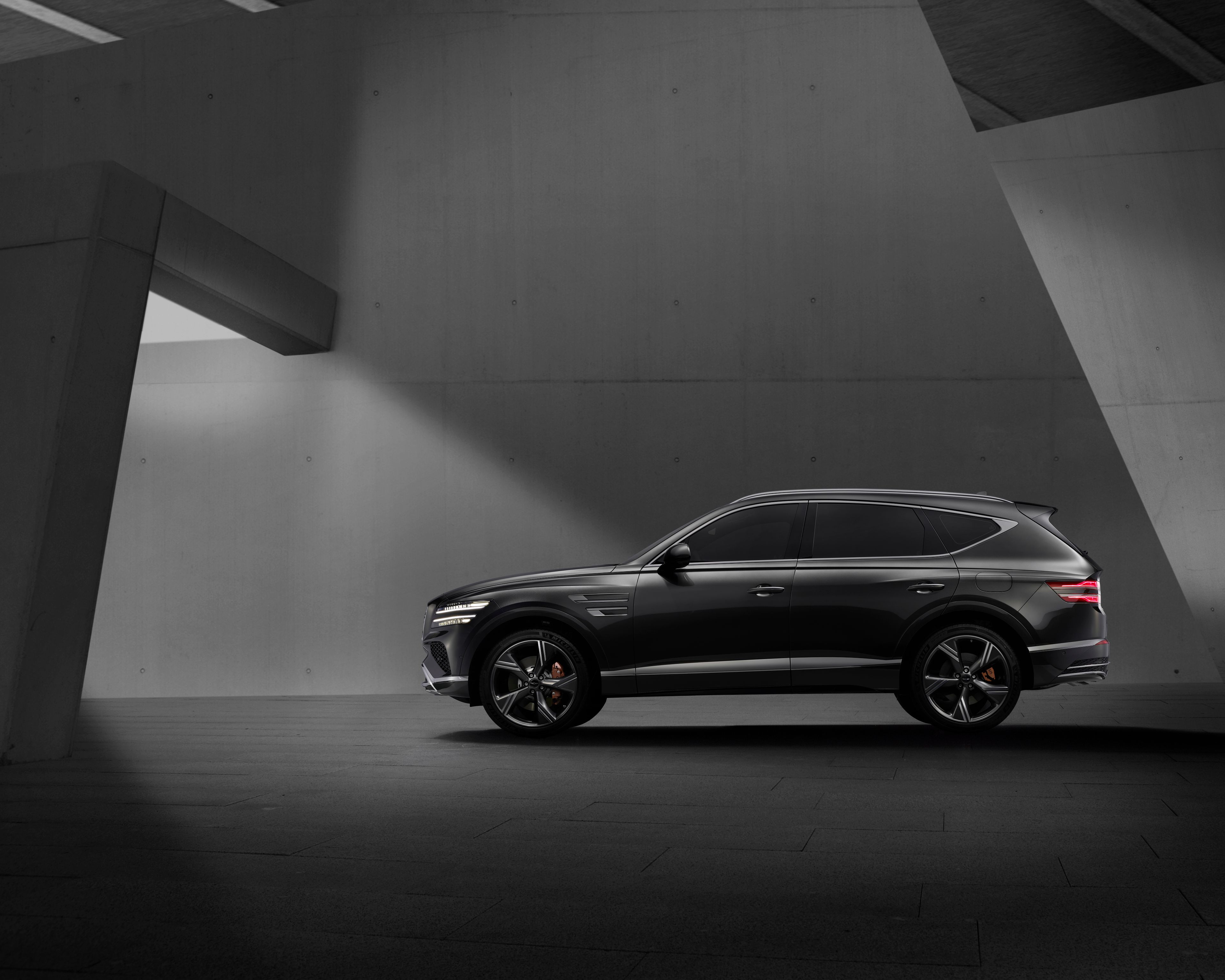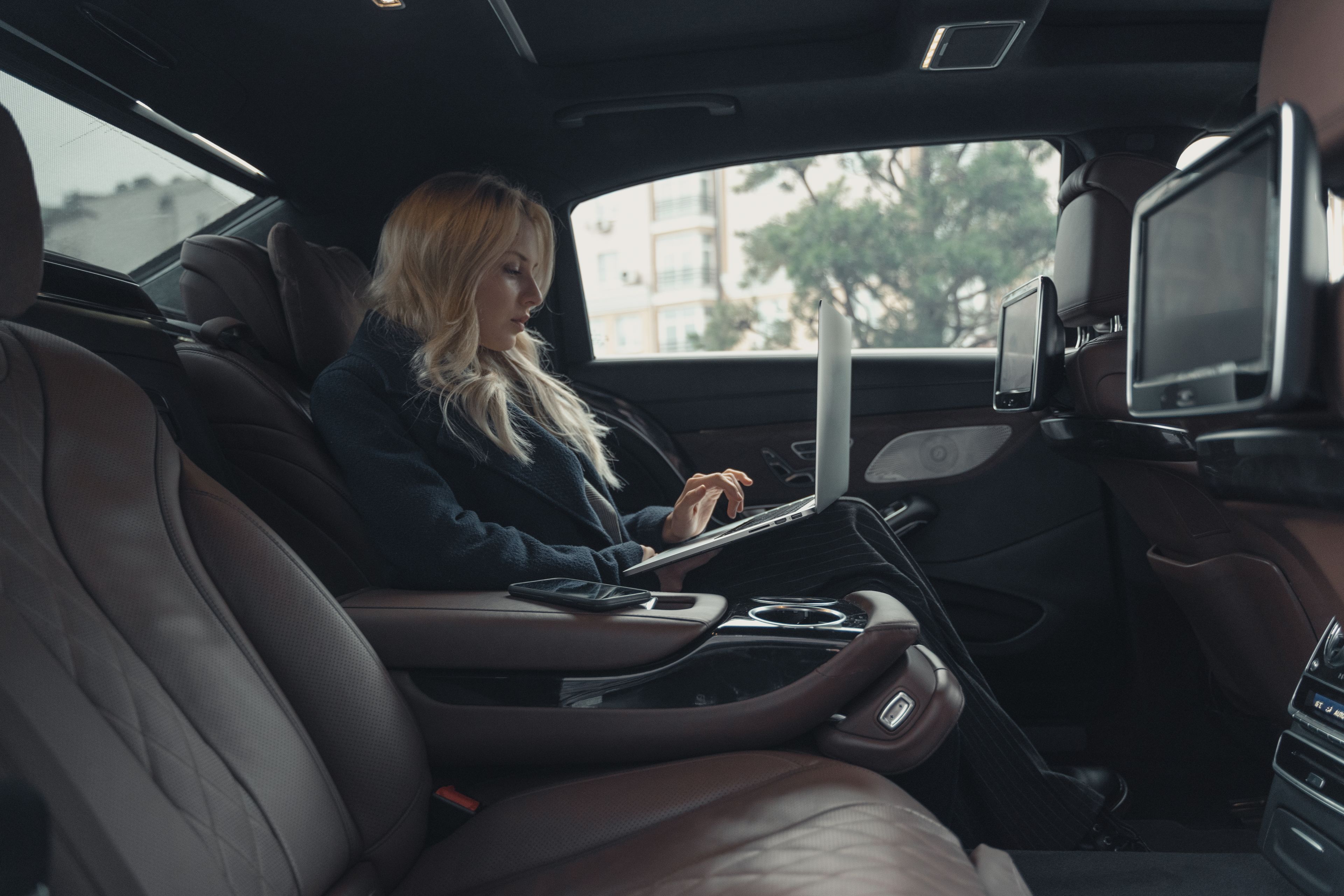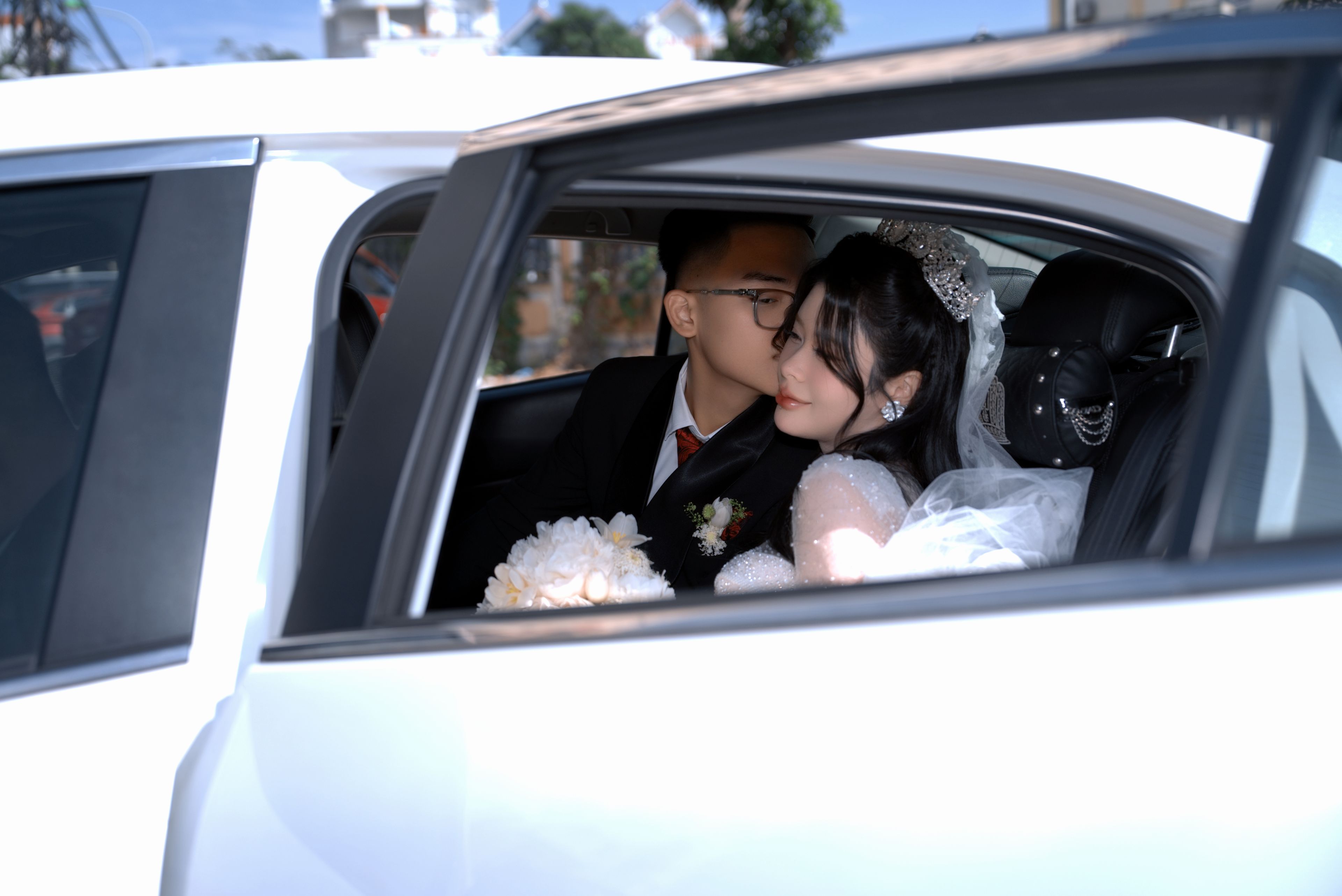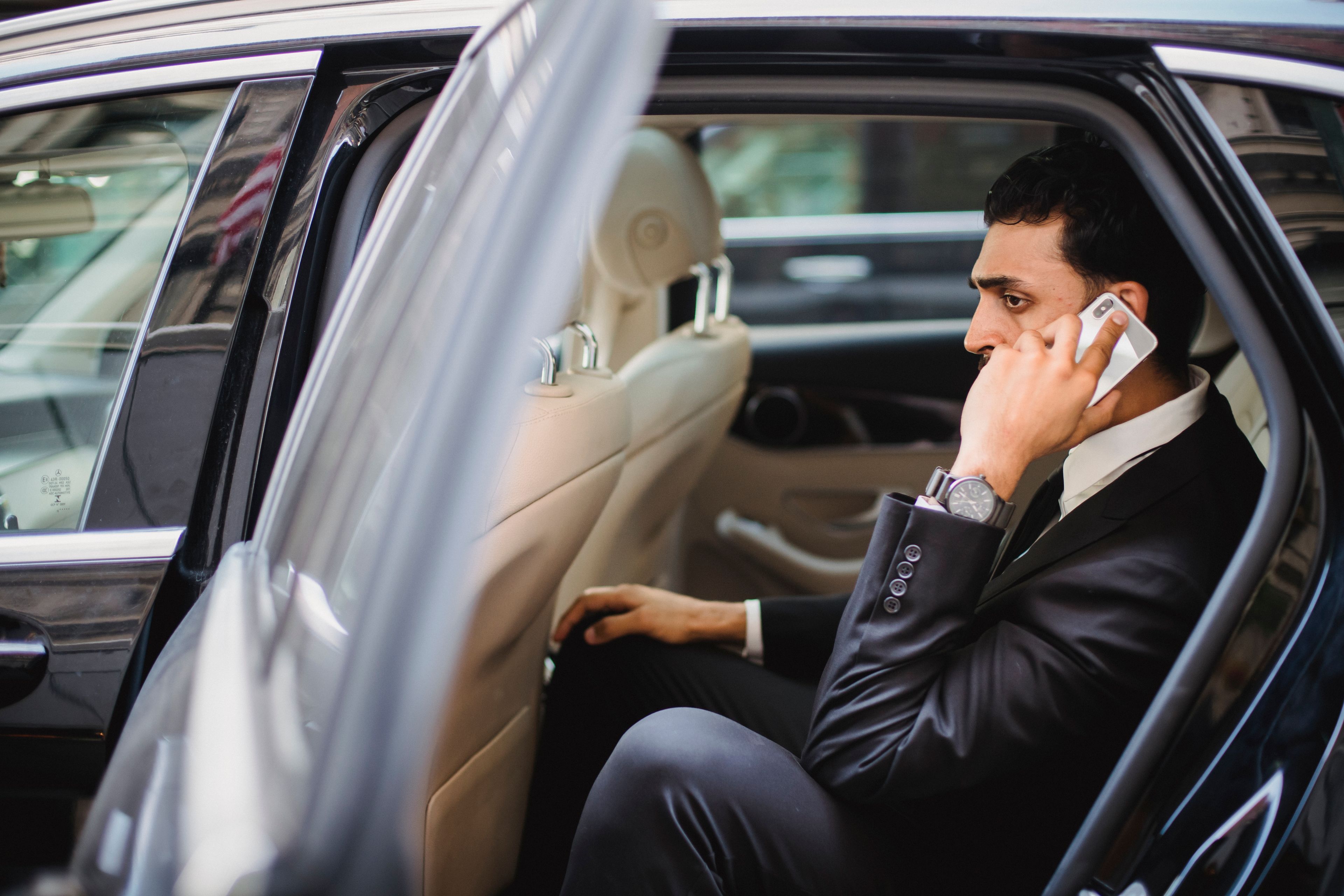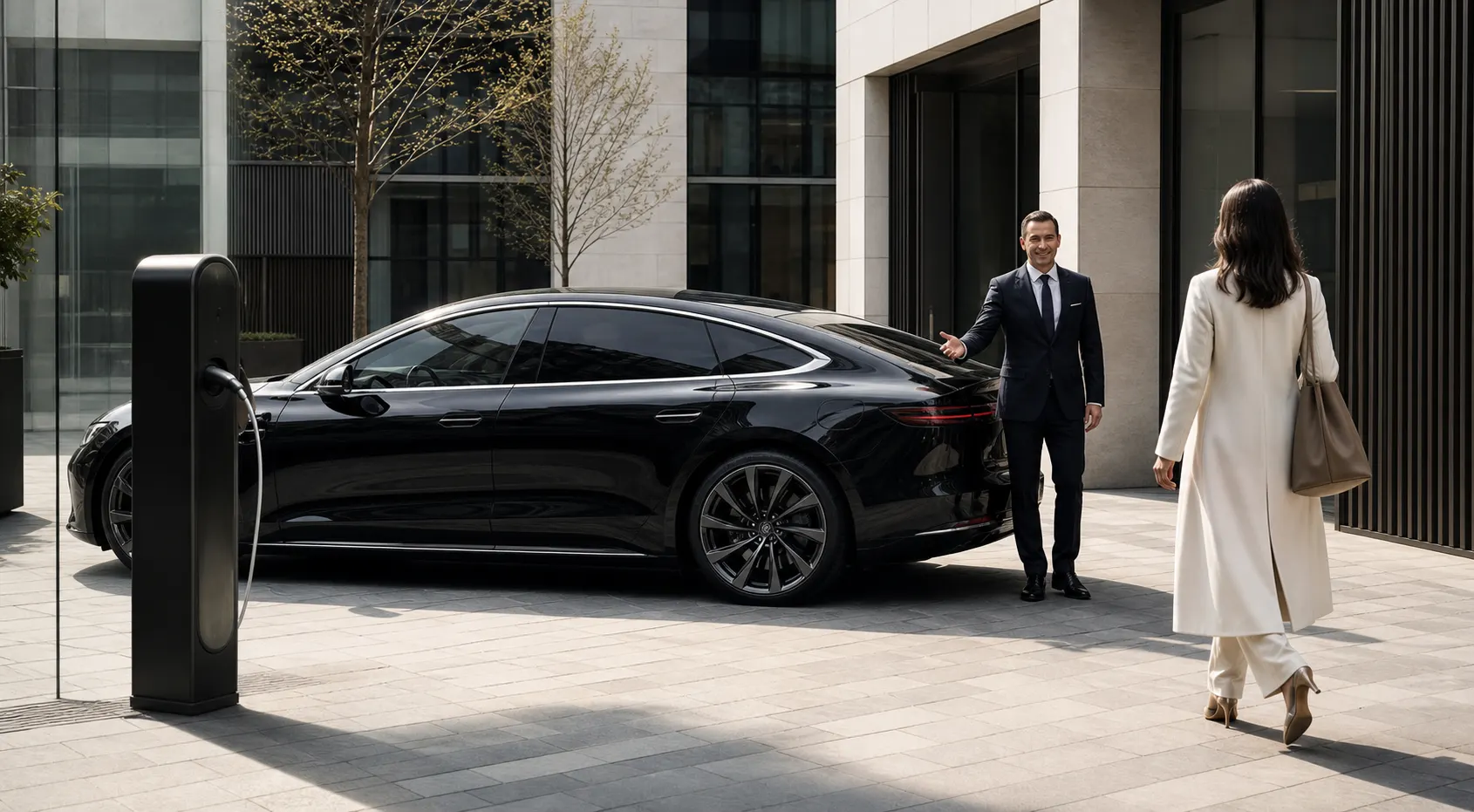

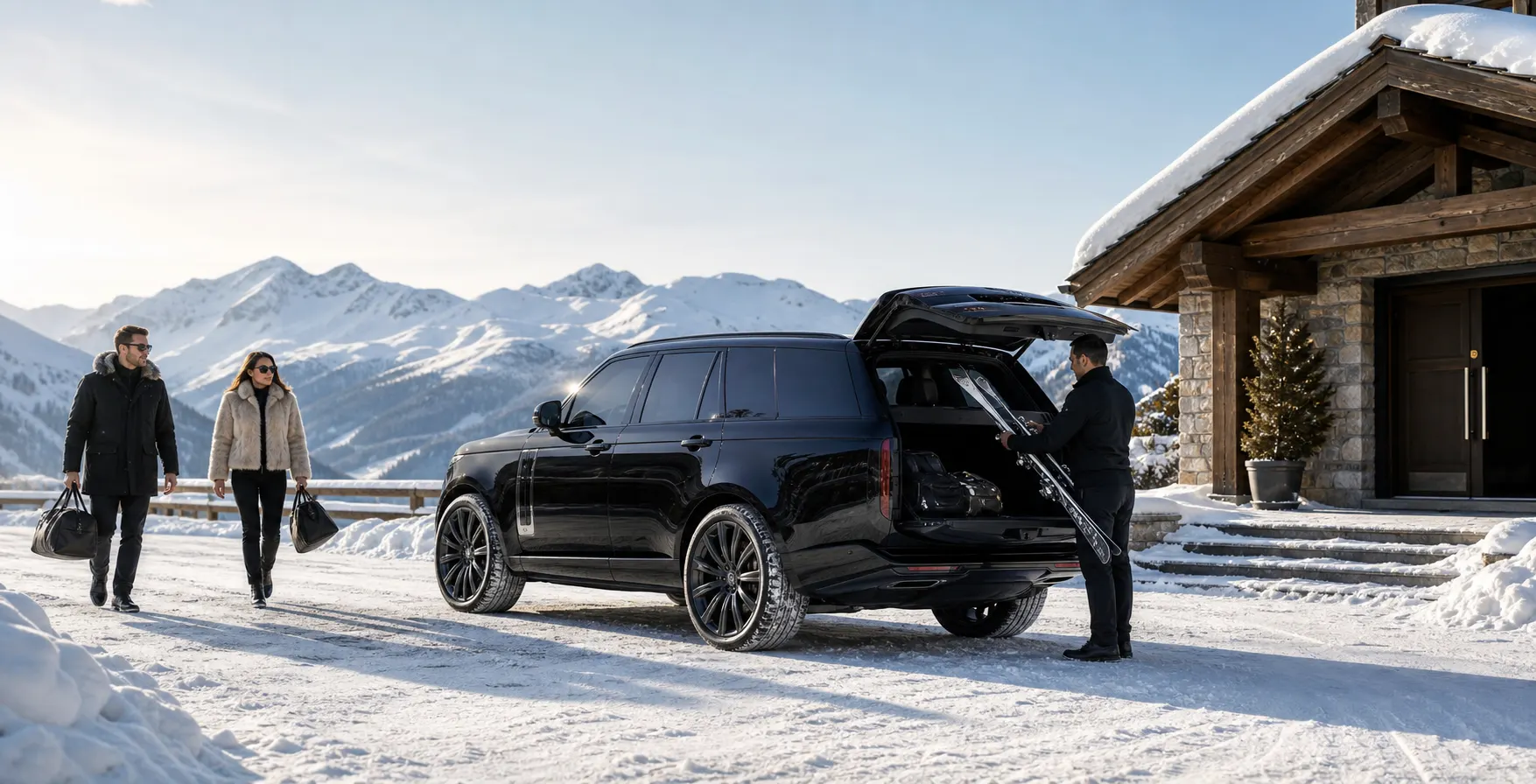



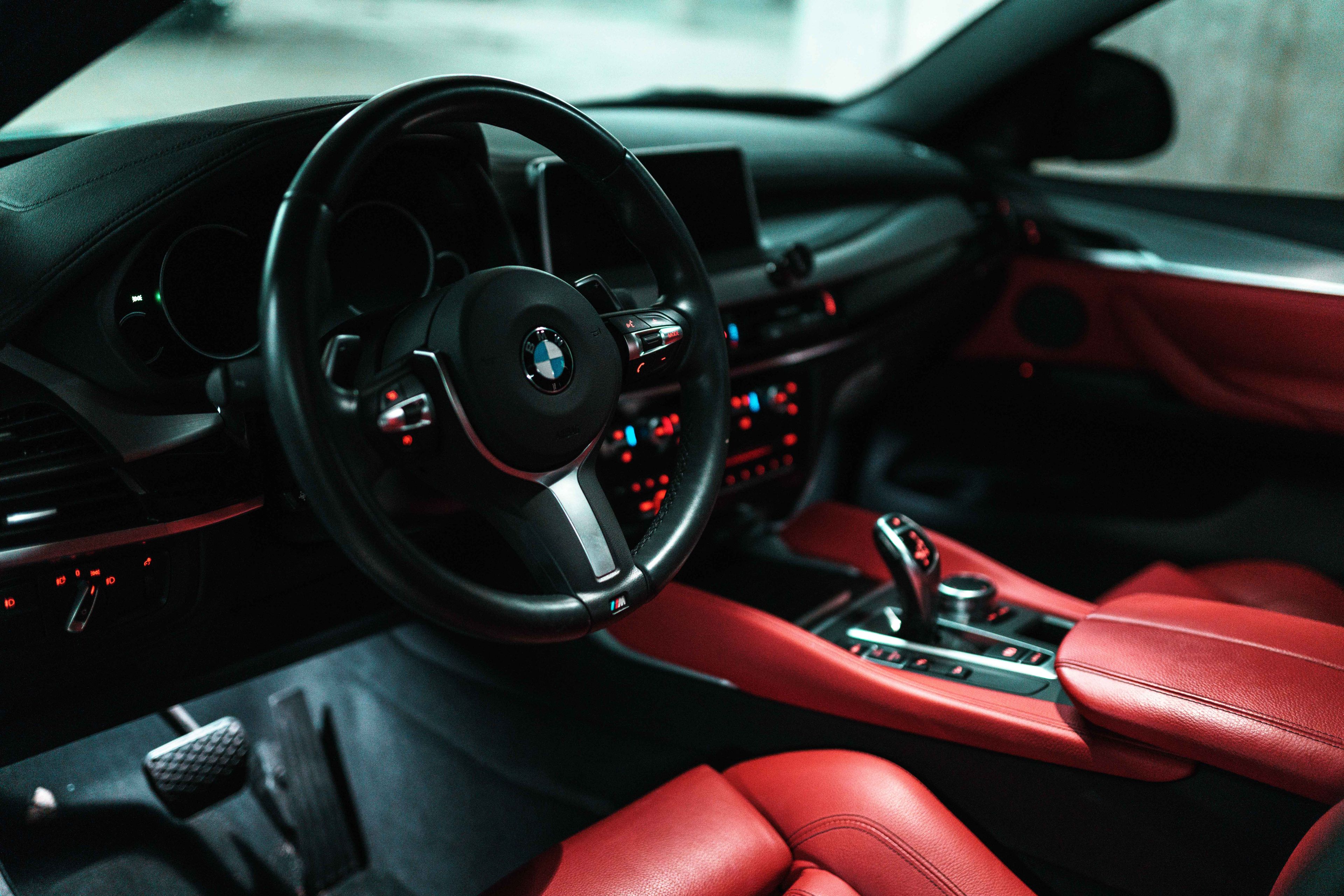
Event transport is one of the few areas where the wrong choice is punished immediately and in public. Get it right and the evening ends with a short walk to a warm car. Get it wrong and it ends with forty minutes in a queue, in whatever the weather is doing, in shoes chosen for a different purpose.
That said, a chauffeur is not the answer for every event, and some venues are actively hostile to cars. This page sorts events into the ones where the arrangement changes the night, the ones where it makes little difference, and the ones where you would genuinely be better off on a train. The last group is longer than most companies admit.
Judge the evening by how it ends
Arrival is usually solvable by any means. You can leave earlier, walk further or accept a longer approach, because you are in control of the timing. Departure is the opposite. Everybody leaves at once, the surrounding roads were designed for a fraction of that number, and app pricing responds to the surge exactly when you need it least. None of that is within your control.
So the useful question is not how you will get there. It is what happens between the final whistle and being on your way home. If the honest answer involves a long queue, an unlit walk, or a group splitting up to find separate cars, the arrangement earns its place. If it involves a five-minute walk to a station with trains every few minutes, it does not.
Events where it clearly pays
The pattern is consistent. Large crowds leaving simultaneously, limited public transport at the finishing hour, a dress code that makes standing about unpleasant, or a group that needs to stay together. Any two of those together and the case is comfortable. One on its own is often enough if it happens to be the transport, because a venue with no late service leaves you very few options at eleven at night.
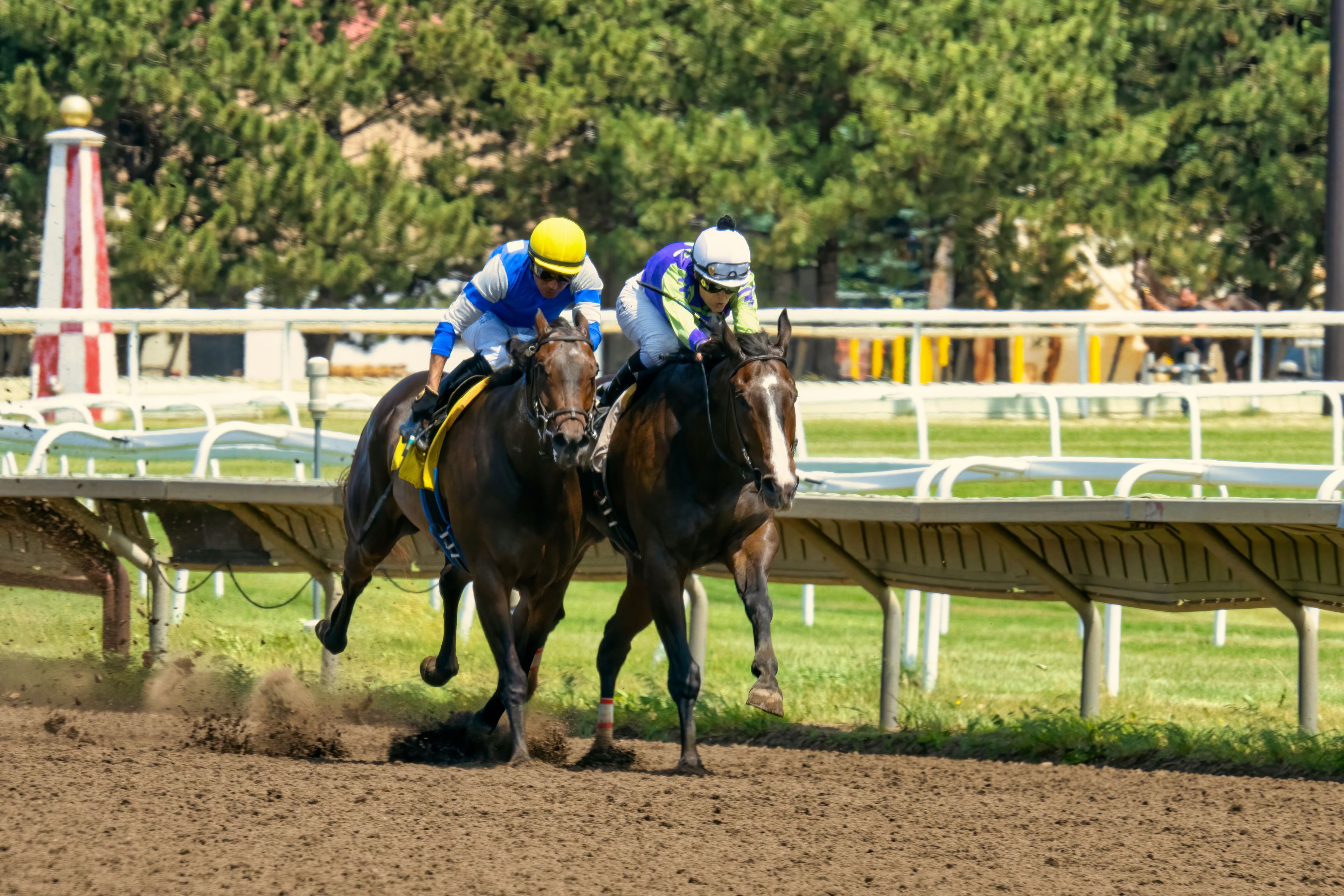
Racing, motorsport and country events add a further factor, which is that the venues sit outside towns and the roads to them were never intended for the volume. On those days the value is not only the ride home but the fact that somebody else has spent the afternoon working out how to get out of the field. That is a genuine skill and it is not evenly distributed.
- Racecourses and country venues with limited rail access and long walks
- Black-tie evenings where standing outside in the cold is genuinely unpleasant
- Groups of four or more who want to arrive and leave together
- Late finishes after the last useful train has already gone
- Anywhere with a strict start time, such as a curtain or a first race
- Evenings that begin at one venue and continue at another
- Occasions where guests are travelling from several different addresses
Where the car cannot help you
Some venues restrict vehicle access to a point where a chauffeur can make almost no difference. Festival sites, closed city centres during major events and several arenas built inside pedestrian zones all put the nearest legal set-down a genuine walk from the door. You will make that walk whether you arrive by car or otherwise, so the car has bought you comfort on the approach and nothing at the entrance.
Central London theatre is the clearest case. Many West End houses sit on streets that are pedestrianised, one-way or simply too narrow to stop in during the evening, and the nearest legal set-down can be several streets away. If you are already in central London and the weather is fine, walking or a short taxi ride is often the better arrangement, and we will say so.
The other category is any event where you intend to drink and the venue is genuinely well served by rail. Getting home is the whole problem a chauffeur solves; if the train solves it too, and it runs late enough, the car is a preference rather than a solution. Check the last departure before you decide, because that single fact settles more of these questions than anything else.
Group size changes the answer
For two people going to a well-connected city venue, the case is at its weakest. For six people going anywhere, it is at its strongest. A group travelling in one vehicle arrives together, sits together and leaves together, and nobody spends the last hour of the evening negotiating who is getting which car home. That negotiation is more corrosive to a good evening than people tend to remember afterwards.
There is also the reassembly problem, which is underrated. Groups scatter during an event. Bringing seven people back to one meeting point at the end is difficult enough without also asking them to find three different vehicles. One car, one agreed spot, one message when everybody is there. Anything more complicated tends to lose somebody in a crowd of several thousand people.
Both legs, or just the way home
You do not have to book the whole evening. Plenty of clients travel to an event by train and book a car only for the return, which is where the value concentrates. Others do the reverse when the arrival is the part that matters, for a photographed entrance or a seated dinner with a hard start time. Half an arrangement is still a useful one.
Where the evening is long and unpredictable, an hourly booking that holds the car throughout is usually better value than two separately timed journeys, because a delayed finish costs nothing extra and the car is already in position. Where the finish time is genuinely fixed, two separate movements are often the leaner arrangement. We will tell you which shape suits your evening.
When to book something else
An event chauffeur booking is a specific thing, and several evenings that look like event bookings are really something else. Choosing the right one usually gives you more for less complication. The substitutions below are the ones we suggest most often, and almost all of them are smaller arrangements rather than larger ones. Booking the right shape matters more here than booking the grandest one, because an event evening punishes complexity.
Send the venue, the date and the headcount and we will point you at the right arrangement, including when the honest answer is a train and a short walk. That is not false modesty; it is the reason people come back for the evenings that genuinely need a car. There are plenty of those in a British calendar year, and they tend to cluster in the same few weeks.
- A West End theatre in fine weather from central London: walk, or take a cab
- A wedding, however large: a wedding chauffeur, planned around the ceremony
- A corporate hospitality day with several guests: multiple cars, coordinated
- An evening with unpredictable stops afterwards: a chauffeur by the hour
- A photographed arrival with press present: a VIP chauffeur booking
- Twelve or more guests to one venue: a coach or minibus, not four saloons
- A venue with a rail station at the door and late trains: take the train