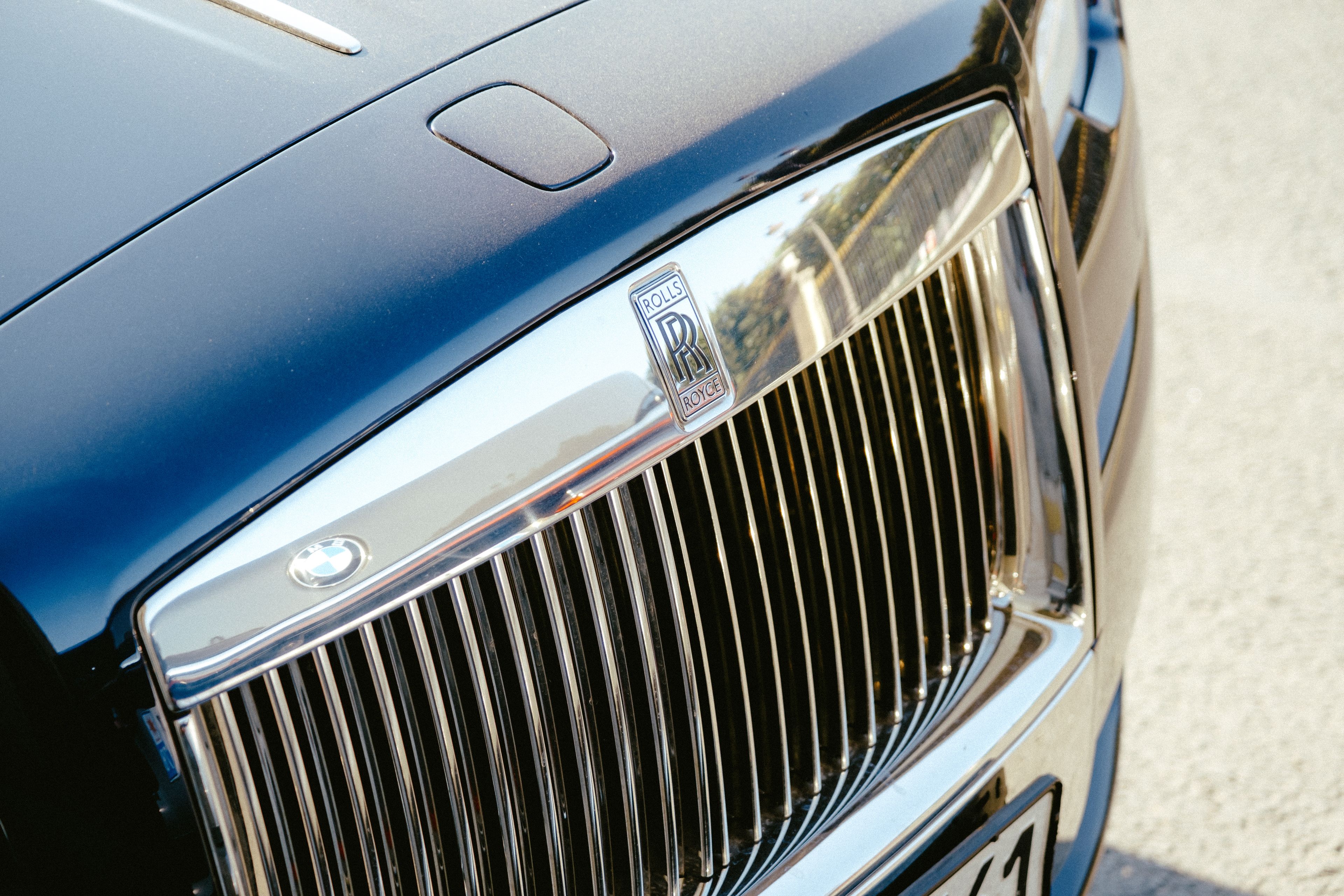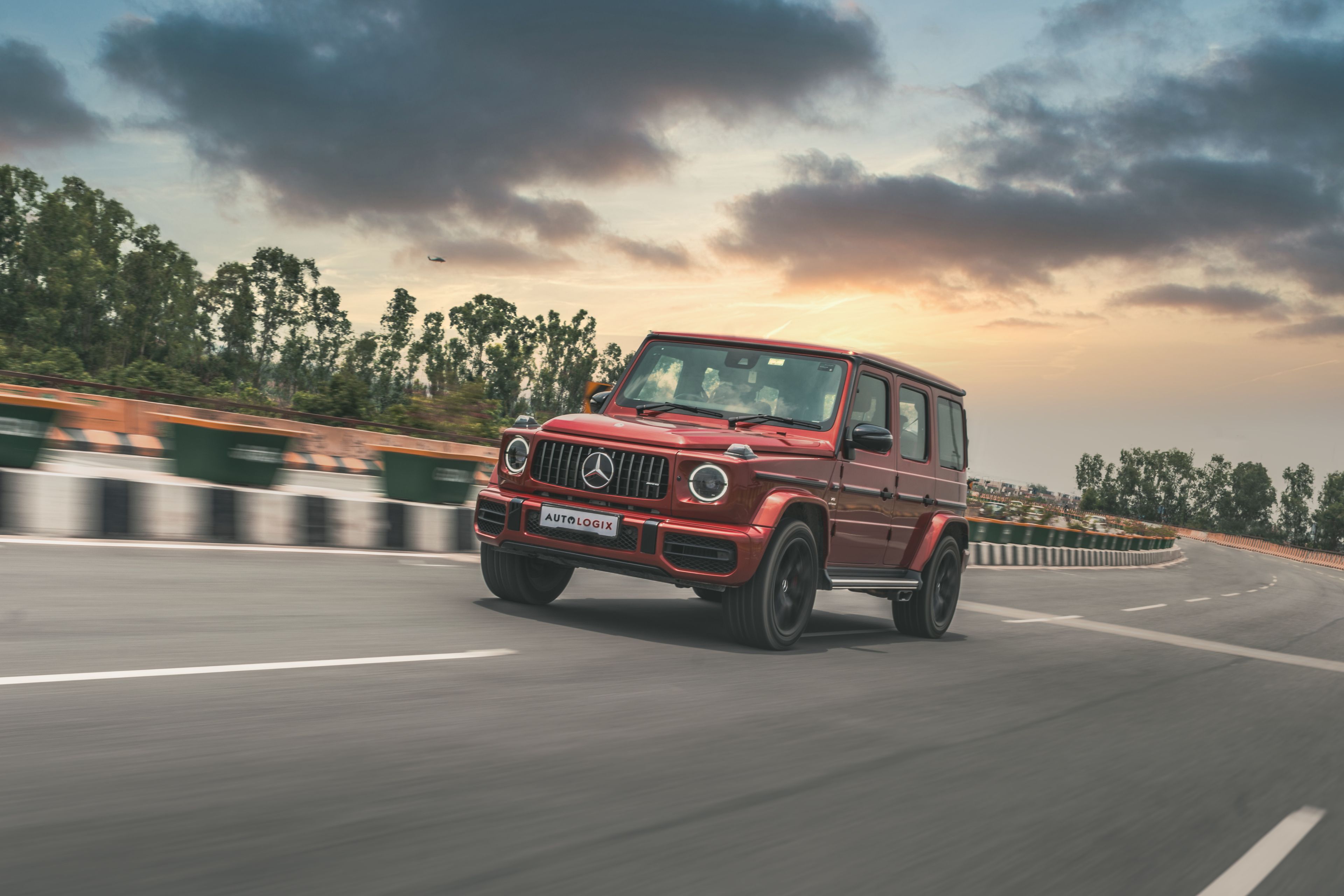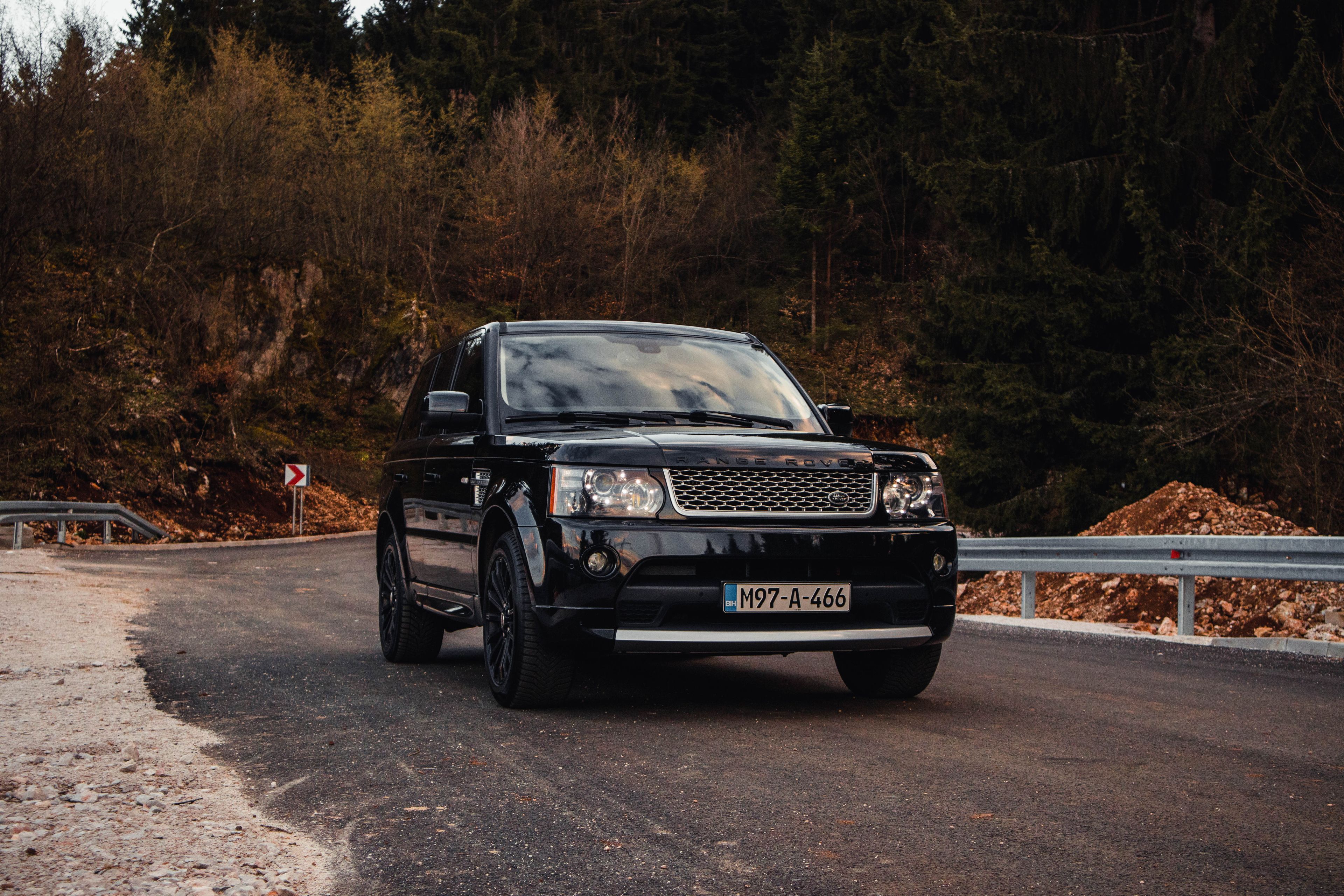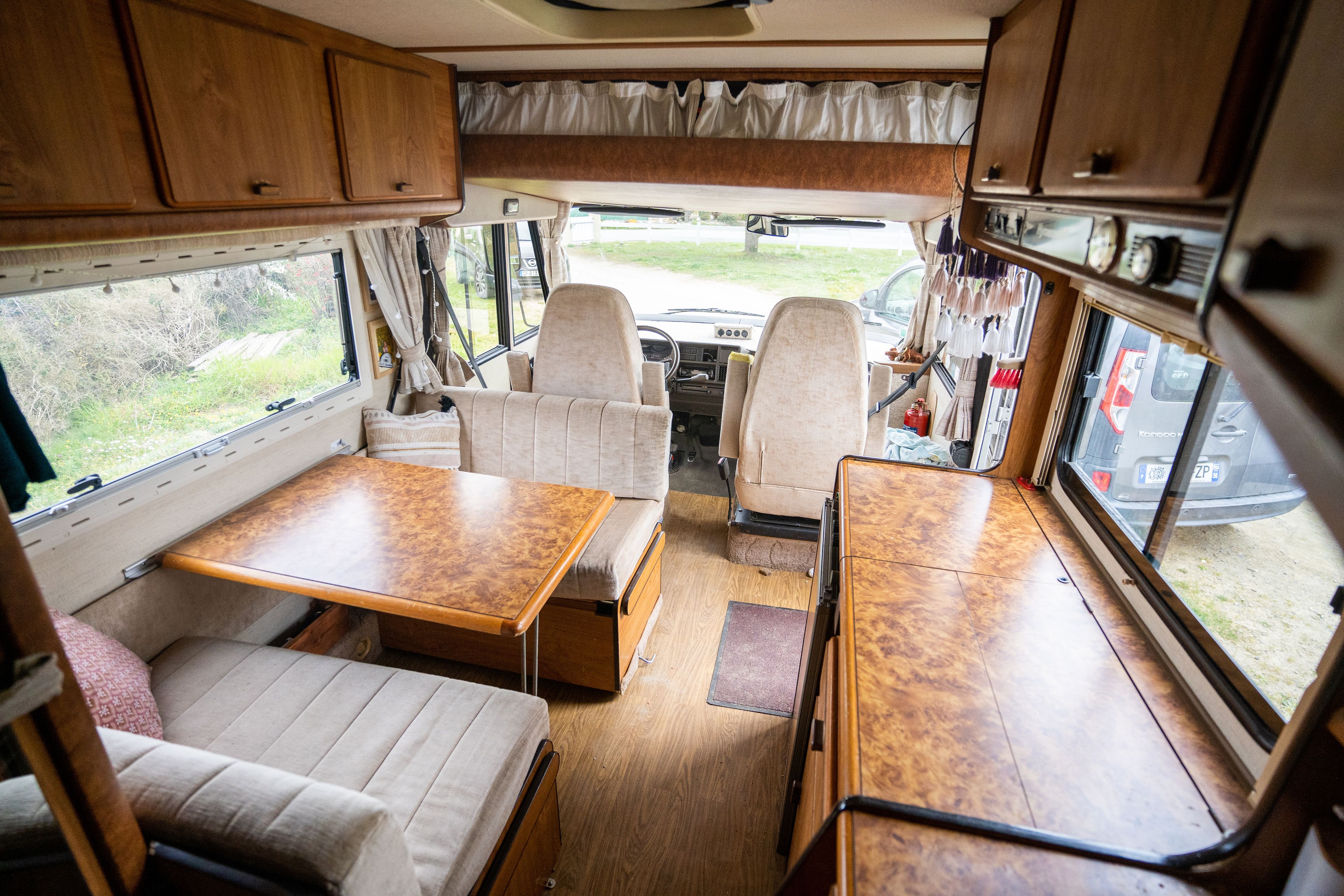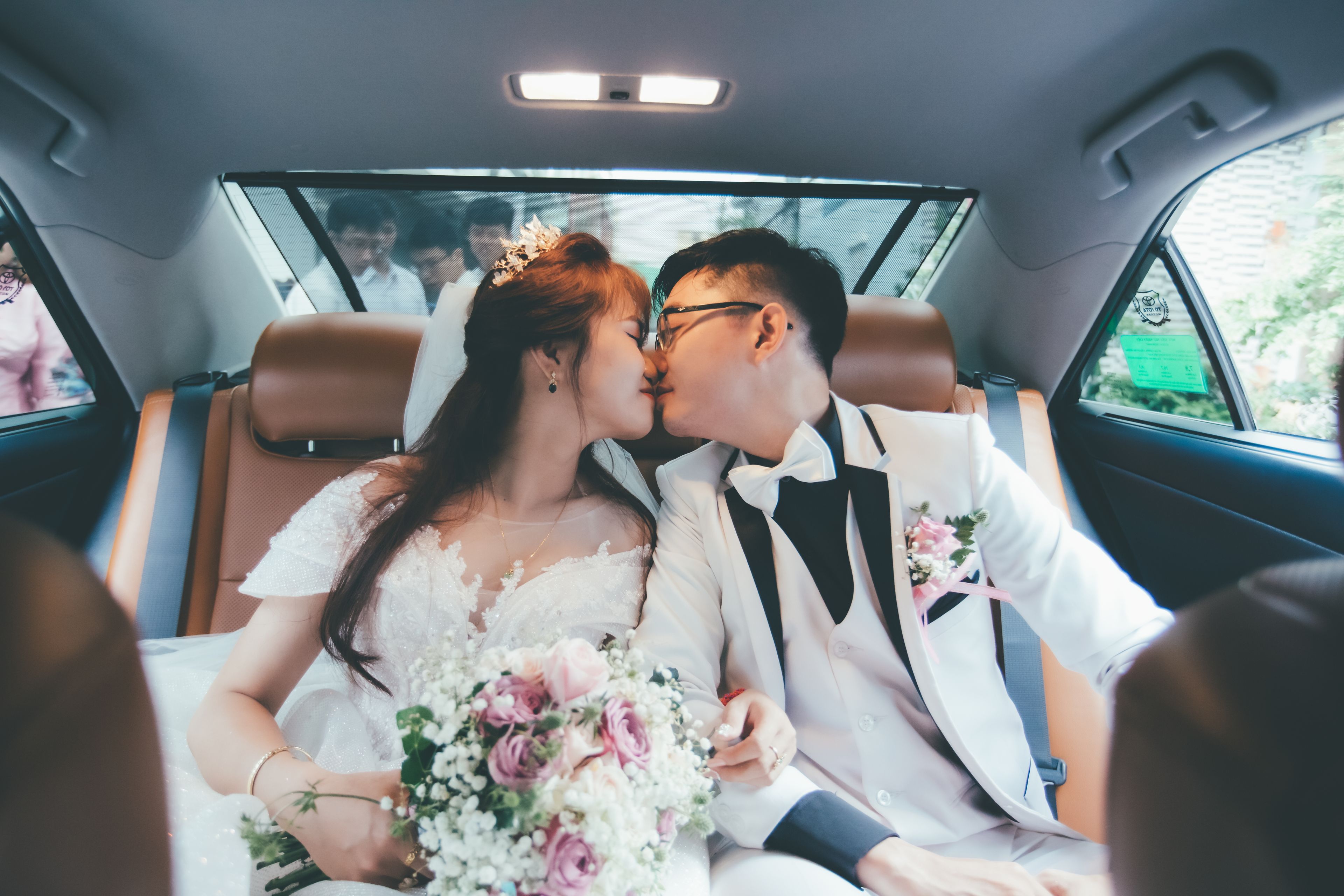



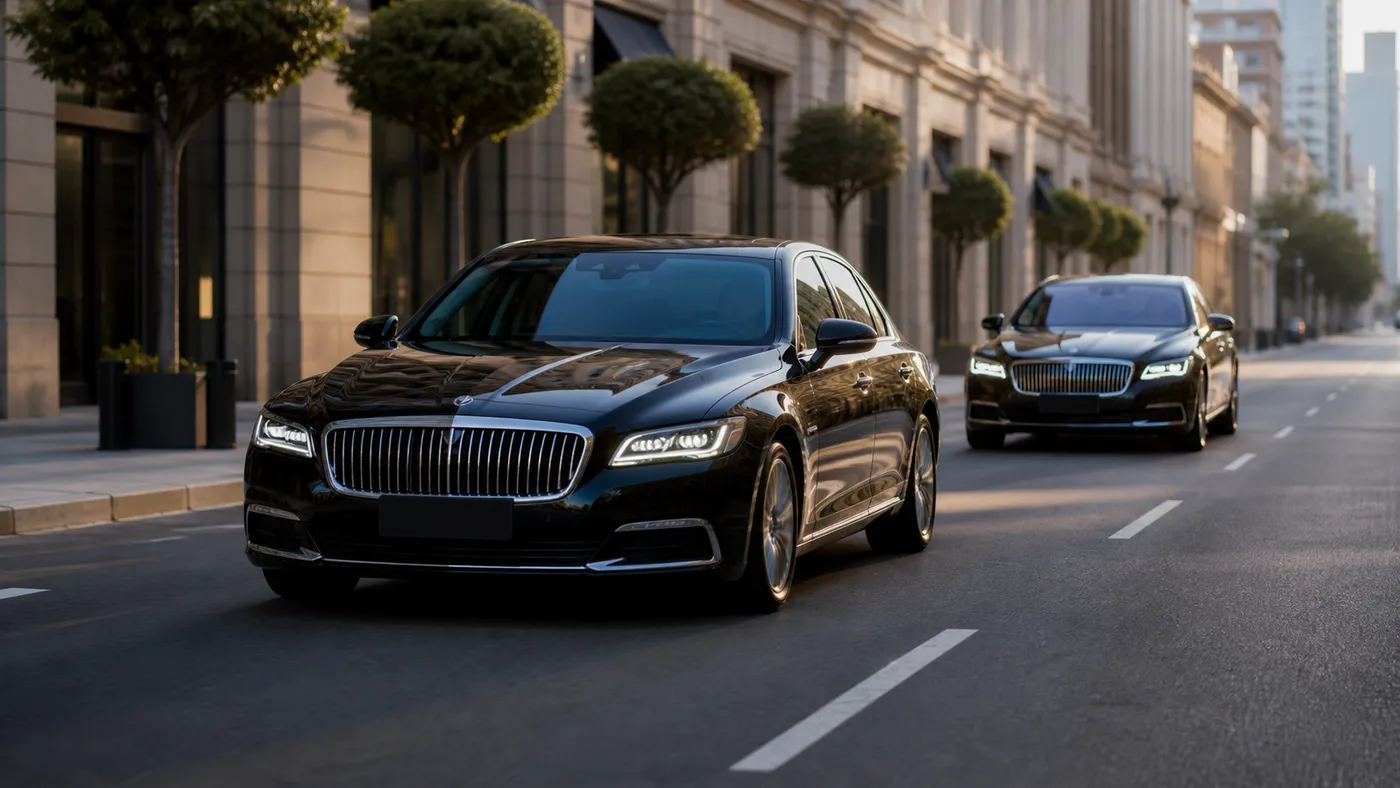

Almost every enquiry involving three or more passengers arrives at this pair, and it is usually resolved by counting rather than by taste. A flagship saloon is designed so that one or two people travel exceptionally well. A luxury people carrier is designed so that four, five or six travel comfortably at once, with their belongings, and can face each other while doing it.
Neither is a downgrade from the other; they answer different questions. What follows compares them the way a booking is actually decided: how many are travelling, what is being carried, how long the journey is, and whether anybody needs to talk to anybody else along the way. It also sets out clearly when the taller vehicle is the better choice even for two people.
One perfect seat, or a room for six
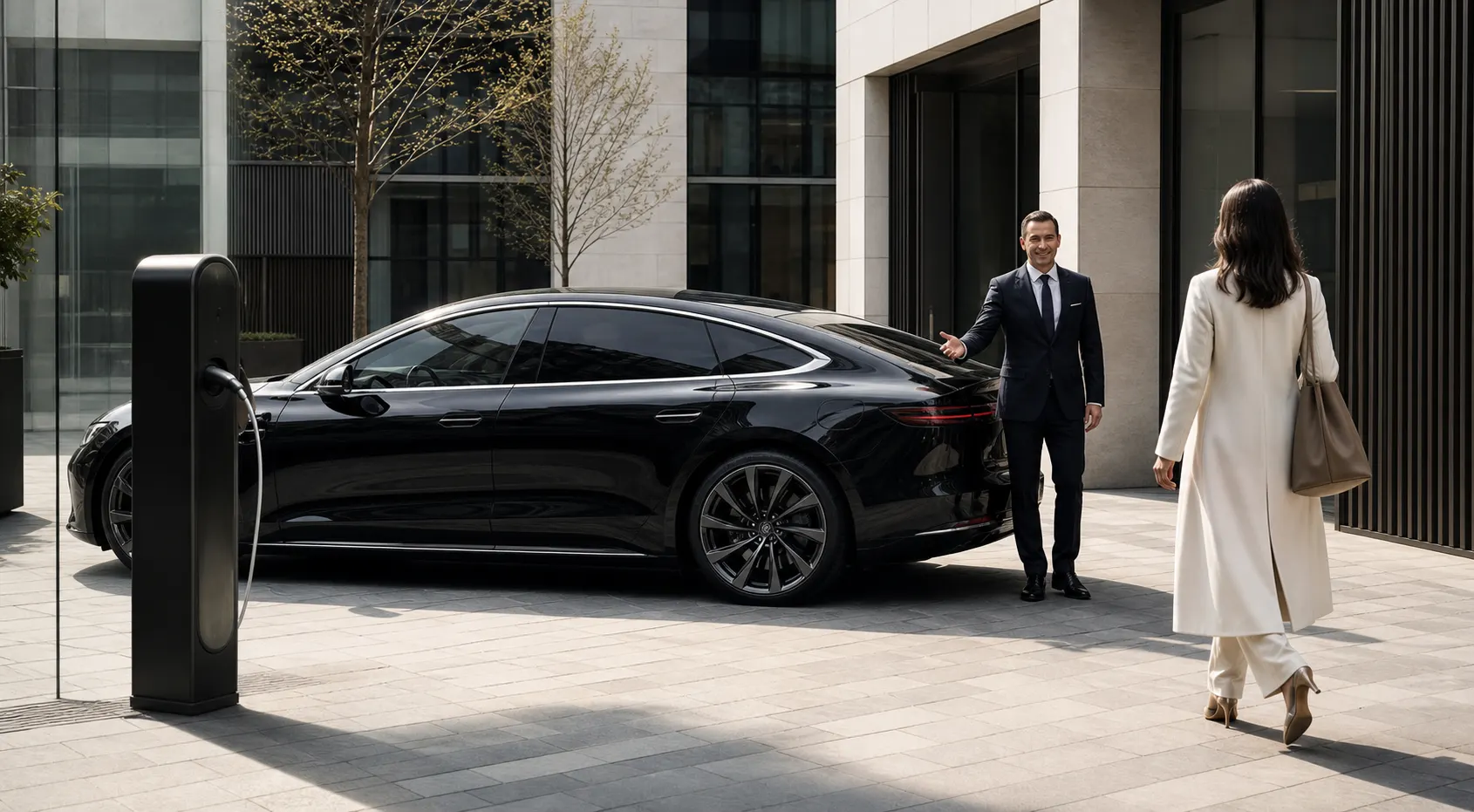
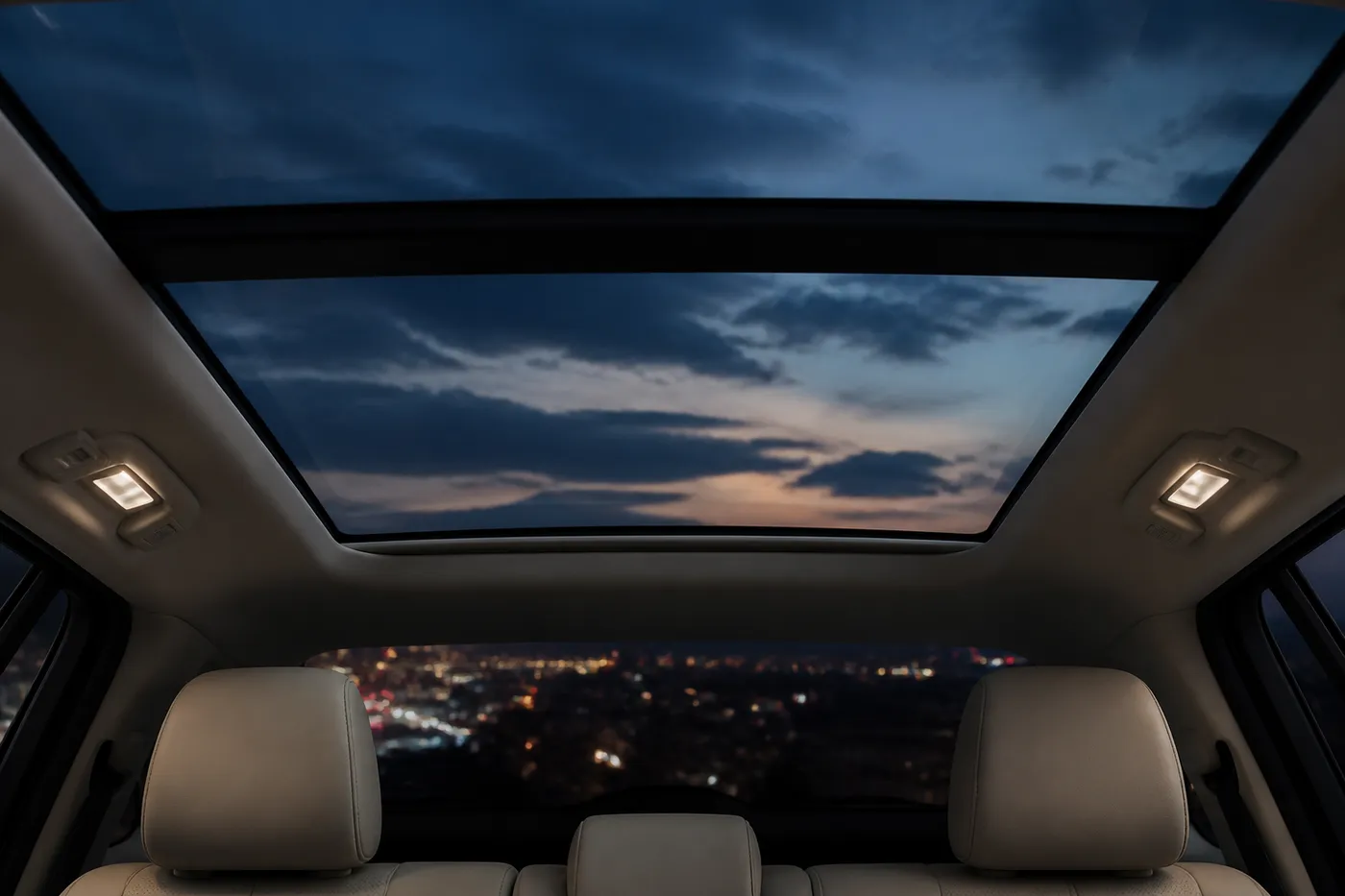
The S-Class concentrates everything on the rear bench. Two passengers get a reclining seat, a low centre of gravity, exceptional insulation and a cabin arranged around stillness. Its whole character is about reducing what reaches you: noise, movement, temperature change, the world outside. It is a car for people who intend to be quiet. Everything else in the cabin is arranged around holding that stillness.
The V-Class does something quite different. It offers individual seats with real space between them, a flat floor, a high roof, doors that slide rather than swing, and in many configurations seats that can face each other around a table. It is a small mobile room, and the point is that a group can use it as one rather than sit in a row looking forwards.
Counting passengers and cases properly
The saloon takes two adults comfortably, three at a squeeze for a short hop, and two large suitcases with cabin bags on top. That is the honest limit. Beyond it, something has to go on a lap or in a footwell, and the day starts badly at the kerb rather than well. It is worth being precise about this before the morning rather than at the kerb.
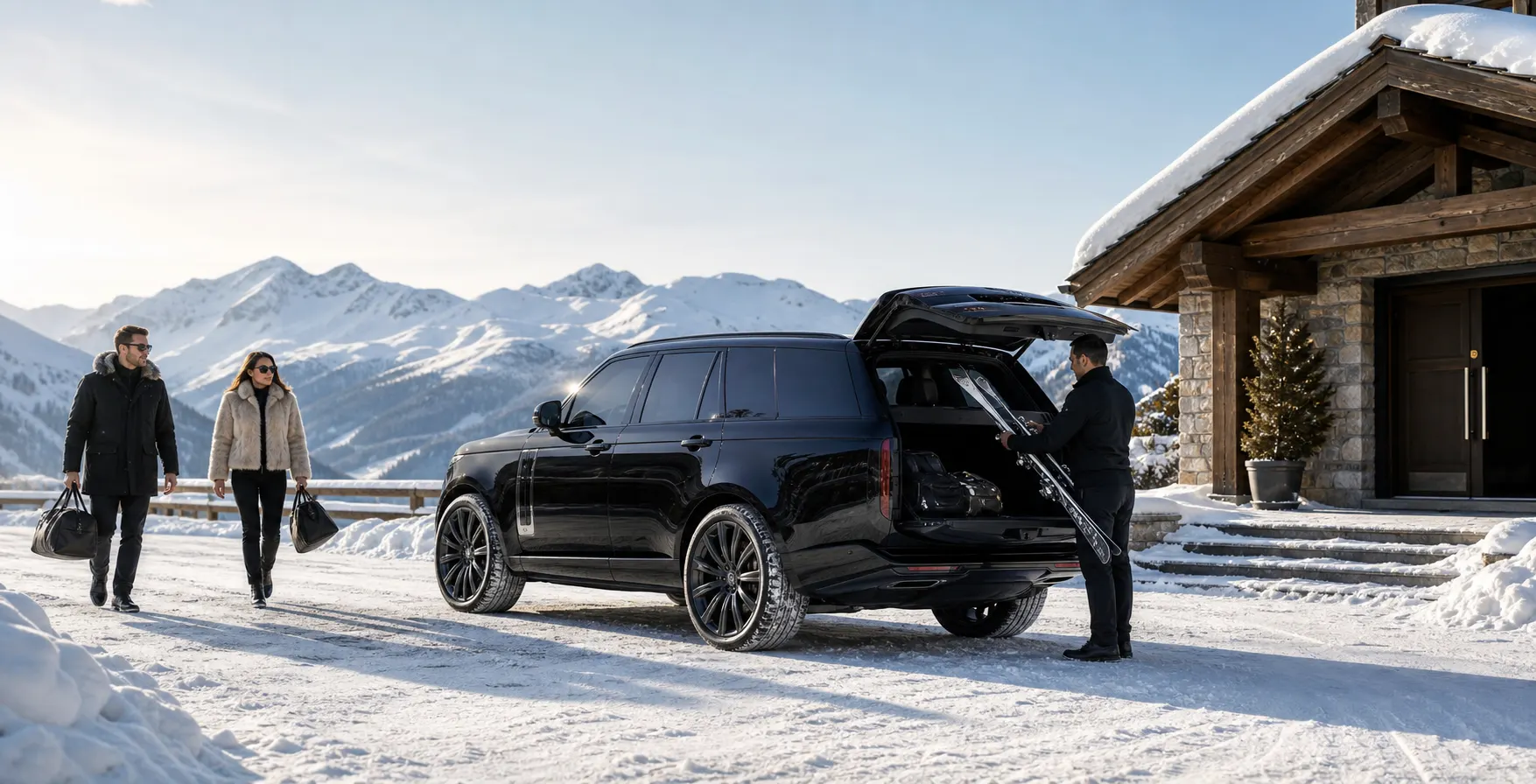
The people carrier takes six or seven depending on layout, with luggage space behind the rear row that a saloon boot cannot approach. For a family flying long-haul, a delegation arriving for a conference, or a wedding party moving between venues, it removes the entire negotiation. Nobody is holding a bag, nothing is wedged, and the loading happens at waist height rather than into a low boot.
There is a useful test here. If the number of large cases exceeds two, or the number of adults exceeds two, the answer is almost always the larger vehicle regardless of how much more impressive the saloon would look on the drive. Booking the grander car and hoping the luggage cooperates is the most common way a good morning is spoiled before it has properly begun.
Comfort over distance, and how it differs
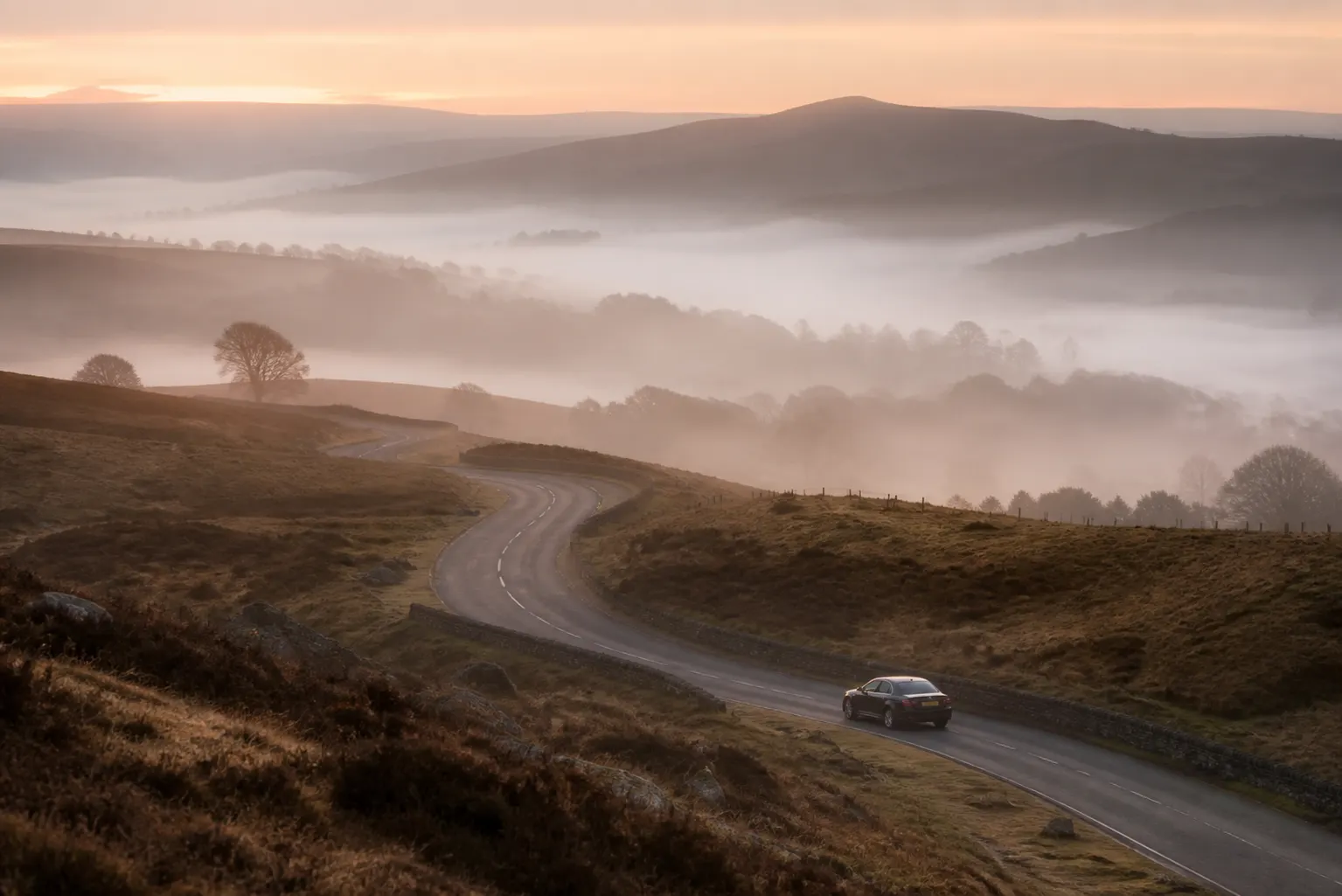
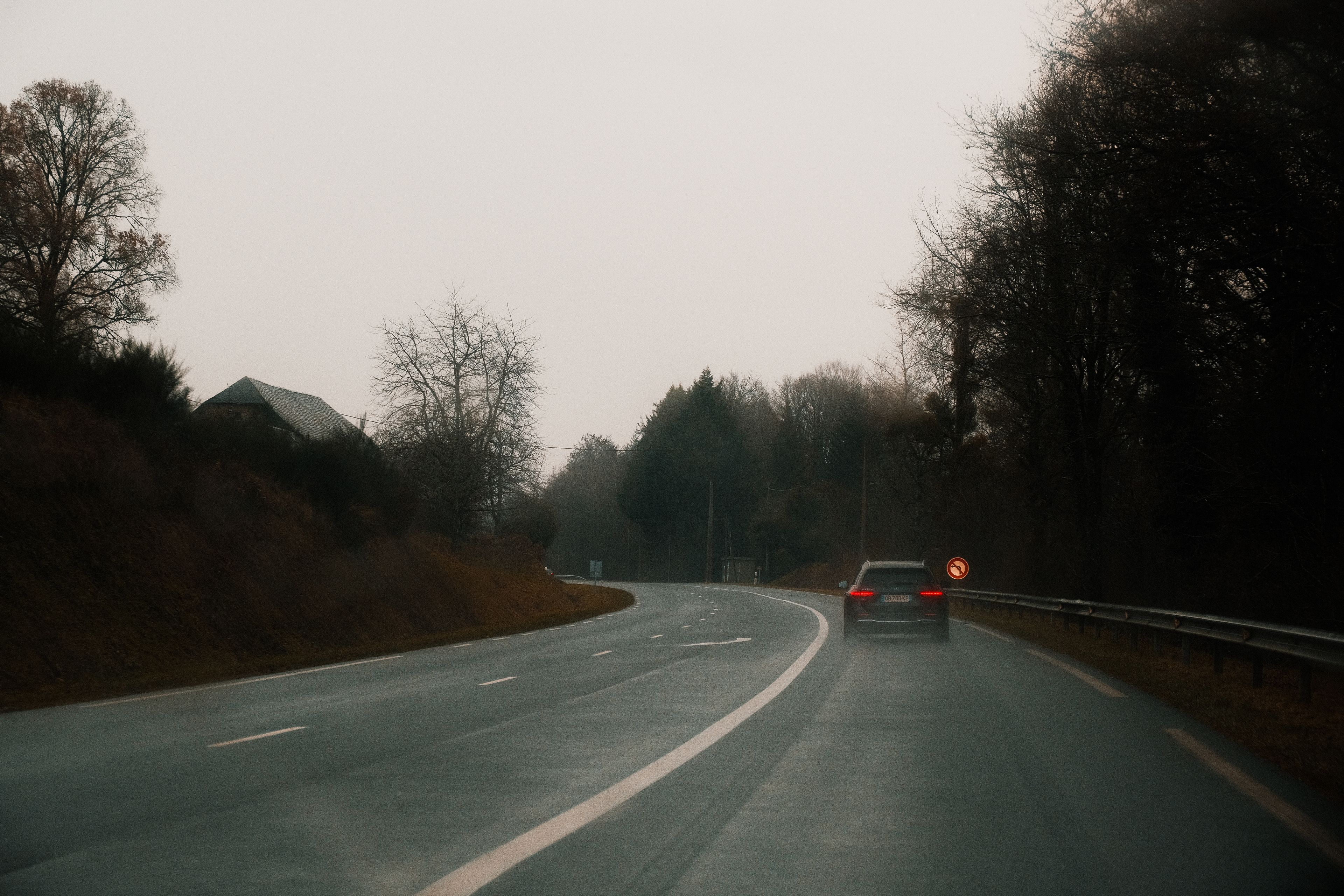
Over four hours the saloon is the more restful place for an individual. It sits lower, so there is less body movement through long curves and less sensitivity to crosswind, and a reclining seat with proper thigh support lets a passenger sleep properly rather than doze. For one person travelling alone on a long run, nothing in a people carrier matches it.
For a group, the calculation inverts. Four people in a V-Class each have their own seat, their own space and room to stretch, which over the same four hours is considerably better than three of them sharing a rear bench in a saloon while the fourth sits in front. Comfort for a group is a matter of separation as much as of seat quality, and the larger cabin supplies it.
The practical points that decide it
Reduced to what actually determines the booking, the difference is mostly arithmetic with a small amount of tone attached. Count first and consider the impression afterwards, because a party that does not fit into the vehicle will not be impressed by it. The lines below are ordered roughly by how often they settle an enquiry, with the passenger count sitting firmly at the top.
- One or two passengers travelling light: the S-Class, comfortably
- Three or more adults on any journey over half an hour: the V-Class
- More than two large suitcases: the V-Class, without discussion
- Working as a group in transit: the V-Class, with facing seats where fitted
- A formal arrival where the car is part of the impression: the S-Class
- Passengers who struggle with a low seat: the V-Class steps in at hip height
- Height-restricted car parks and hotel undercrofts: the S-Class fits more places
- Sleeping on a long motorway leg: the S-Class, with a reclining rear seat
When the V-Class is the better booking
Any airport run with a family is a V-Class job. Four people with checked luggage, coats, a pushchair and duty free will not fit into a saloon whatever the website photographs suggest, and the alternative is a second vehicle. One larger car is simpler, cheaper than two and keeps the group together, which matters most at five in the morning.
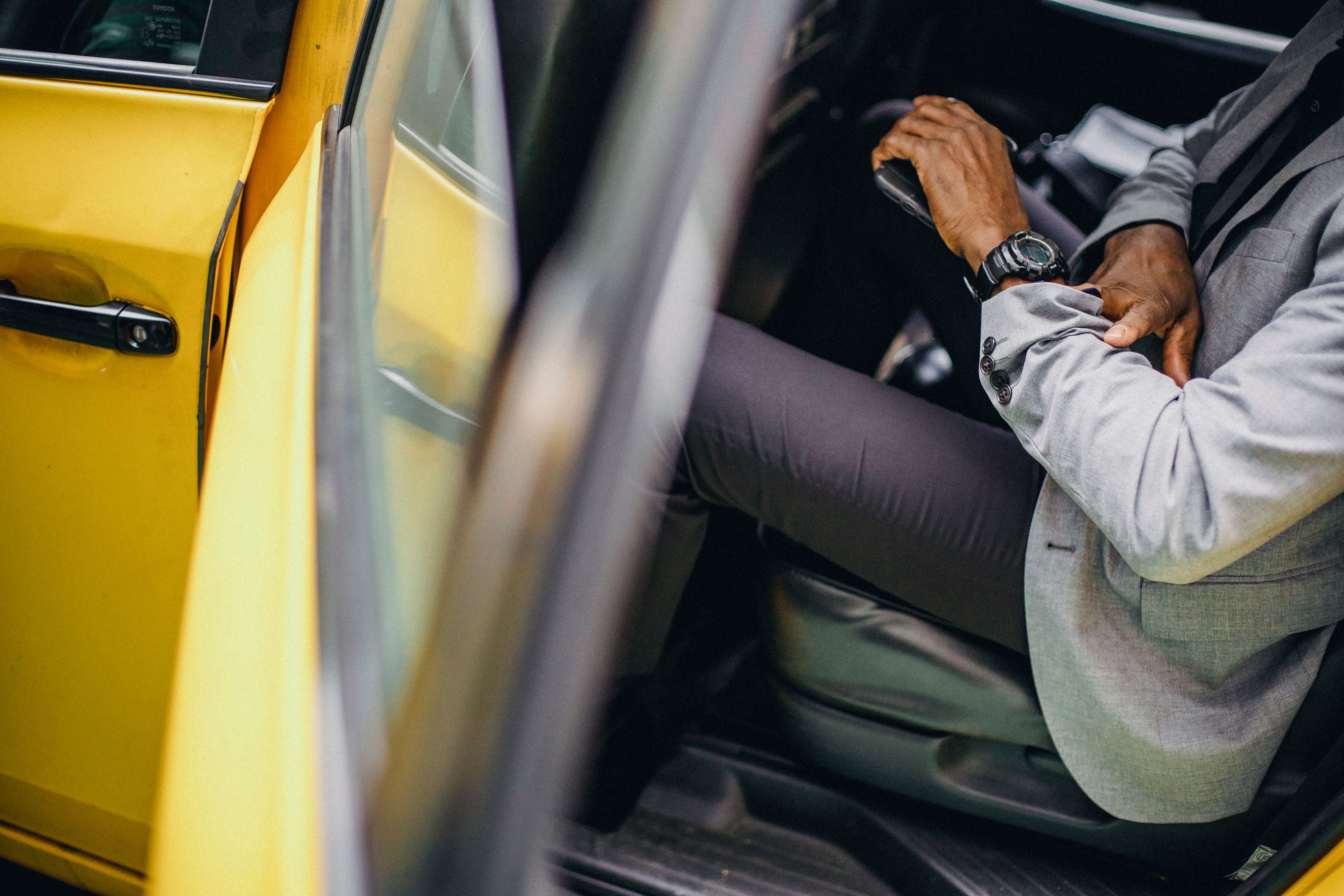
It also wins for mobility. The sliding door opens wide with no swing radius, so it works on a narrow street, and the seat is at hip height rather than below the knee, which is dramatically easier for older passengers, anyone with stiff joints and anyone in formal dress. A folding wheelchair goes in the back. These are practical virtues that outrank badge appeal.
And it wins whenever the group needs to be a group. Colleagues preparing for a meeting, a family who want to talk to each other, a tour party who would rather see the country through large windows than through a letterbox: the people carrier serves all of them better. We recommend it far more often than clients expect, and rarely regret it.
Choosing between them without overthinking
Start with the count, not the car. Tell us how many adults, how many children, how many large cases and how many cabin bags, and the vehicle follows almost automatically. Where the numbers sit on the boundary, which usually means three adults with modest luggage, we will ask about the journey length, because half an hour and three hours are not the same question.
Cars come from our own fleet and from a vetted network of professional chauffeur operators, so seat layout, model year and trim depend on availability. Facing seats, a fixed table or a partition are not present in every vehicle, so if any of those matters to your journey, say so at the enquiry stage and we will confirm what can be held for your date before you commit.