
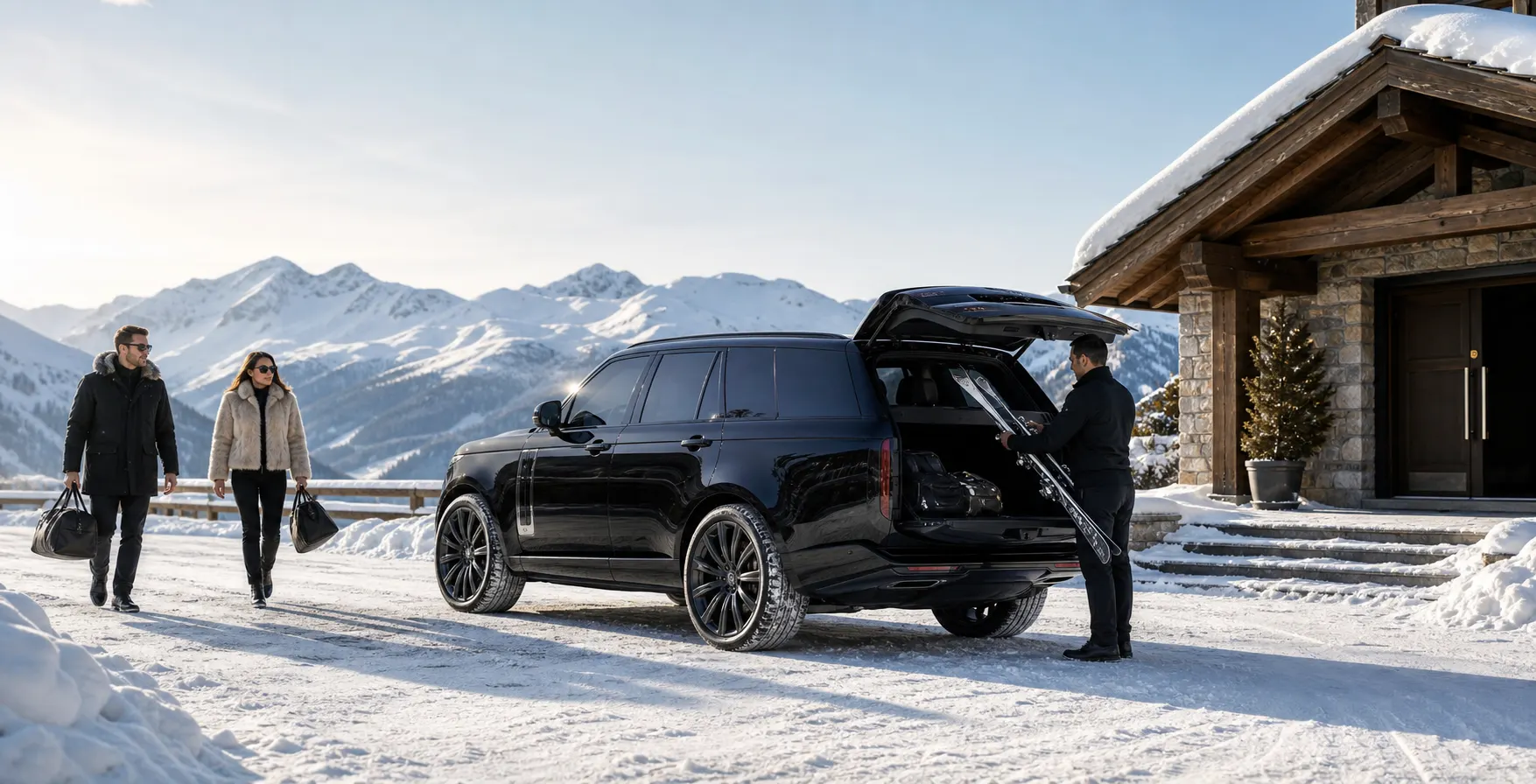






The request comes up more often than you might think. A family flying out with skis and a week of ski clothing. A house move where the cases need to be at the new address before anybody sleeps there. A conference where the stand materials must reach the venue the night before the people do.
All of those are solvable, and the sensible framing is to treat the luggage as its own journey with its own requirements. Once you stop trying to squeeze it into a passenger booking, the practicalities become straightforward and the responsibilities on each side become clear.
Why luggage travels as its own booking
A car carrying only bags still occupies a chauffeur, a vehicle and a slot in the day, so it is quoted and confirmed like any other journey. That framing also forces the useful questions to the surface: who is releasing the bags, who is receiving them, and what happens if nobody is there. Those are exactly the questions that get skipped when luggage is bolted onto something else.
It matters legally too. Carrying goods is not the same as carrying passengers, and the responsibility attaching to an unaccompanied case differs from that attaching to a suitcase in the boot while its owner sits behind. Anything of real value needs to be discussed and agreed in writing before we accept it rather than assumed to be covered.
What has to be arranged for it to work
A luggage run succeeds or fails on the handover at each end. Send us the following when you enquire and the booking can be built properly instead of improvised at a doorstep with somebody who was not expecting a car.
- Who is releasing the bags, and whether they need identifying
- Who is receiving them, with a name and a way to reach them
- Both addresses in full, with access, parking and buzzer details
- The count, size and weight of every item being carried
- A realistic window at each end rather than a single fixed minute
- Anything fragile, valuable or requiring particular handling

When a second vehicle is the better answer
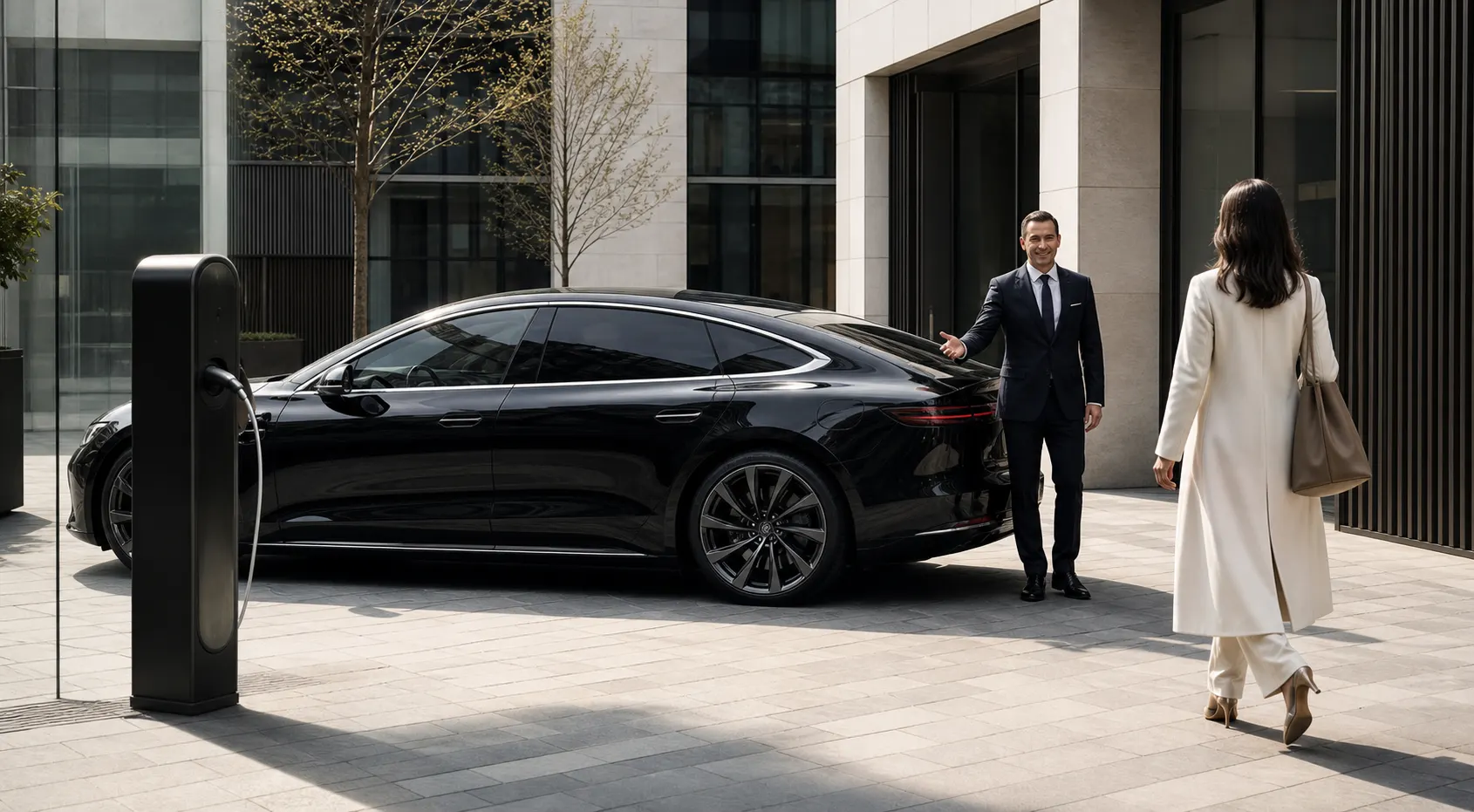
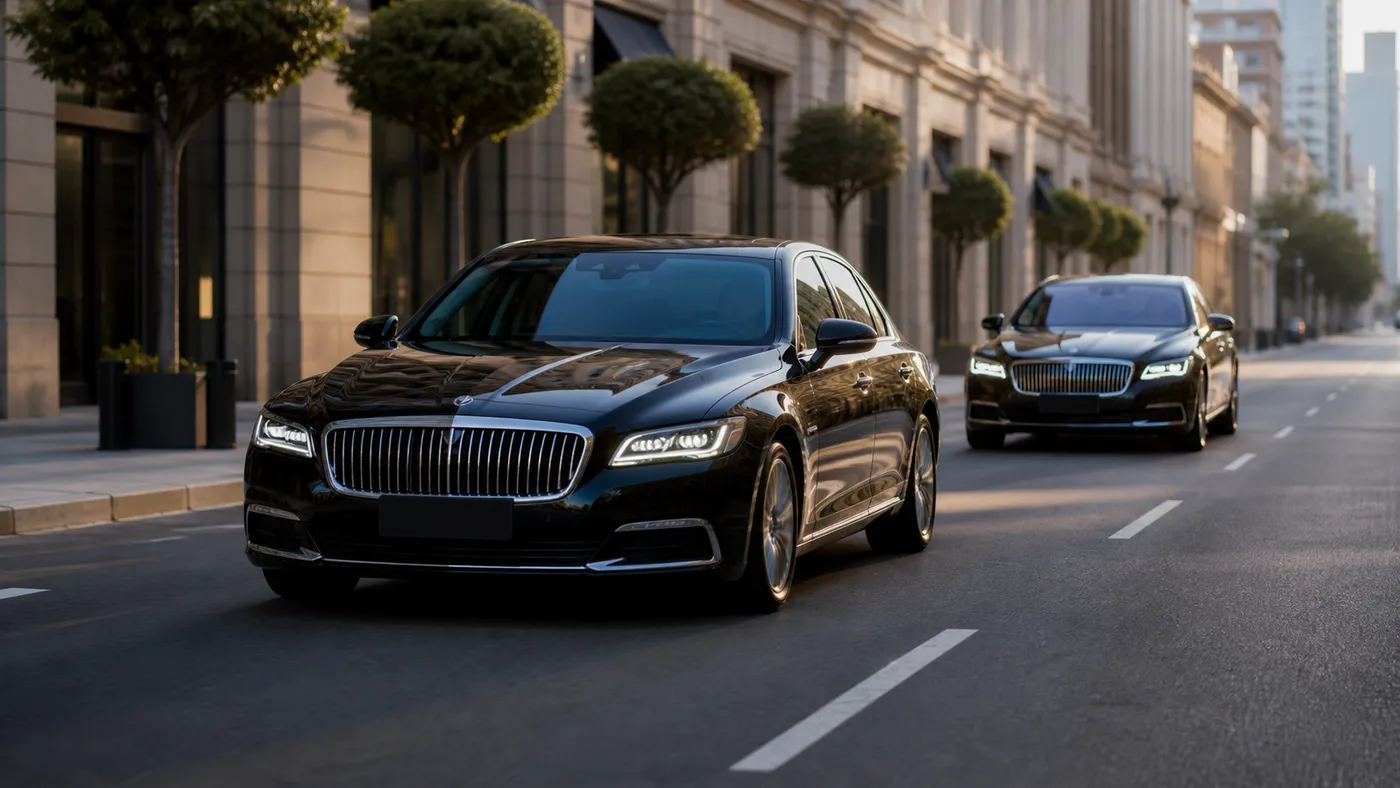
Often the luggage does not need to travel separately at all; it needs more boot space. Four adults with four large cases will not fit in a saloon, but a second car following the first solves the problem without anybody being parted from their belongings, and everybody arrives together. For families and groups this is nearly always the cleaner solution.
The genuine separate-run cases are the ones where timing, not capacity, is the constraint: bags that must arrive before the people, or stay behind after them. If you describe what you are trying to achieve rather than the service you think you need, we will tell you which of the two arrangements actually fits and quote accordingly.