



Seat counts look like the easiest question in chauffeur travel and turn out to be the one most often answered wrongly. The figure printed in a manufacturer's brochure describes what a car is legally permitted to carry, which is a different thing entirely from what four adults with checked bags and winter coats will find pleasant on a two-hour run up the motorway.
What follows is the practical version rather than the technical one. It covers how many people each class of vehicle genuinely suits, why the boot decides more bookings than the back seat does, and what happens when a party grows beyond what one car can sensibly hold. Settle this at the enquiry stage and very little else can go wrong at the kerb.
Seats are the straightforward number
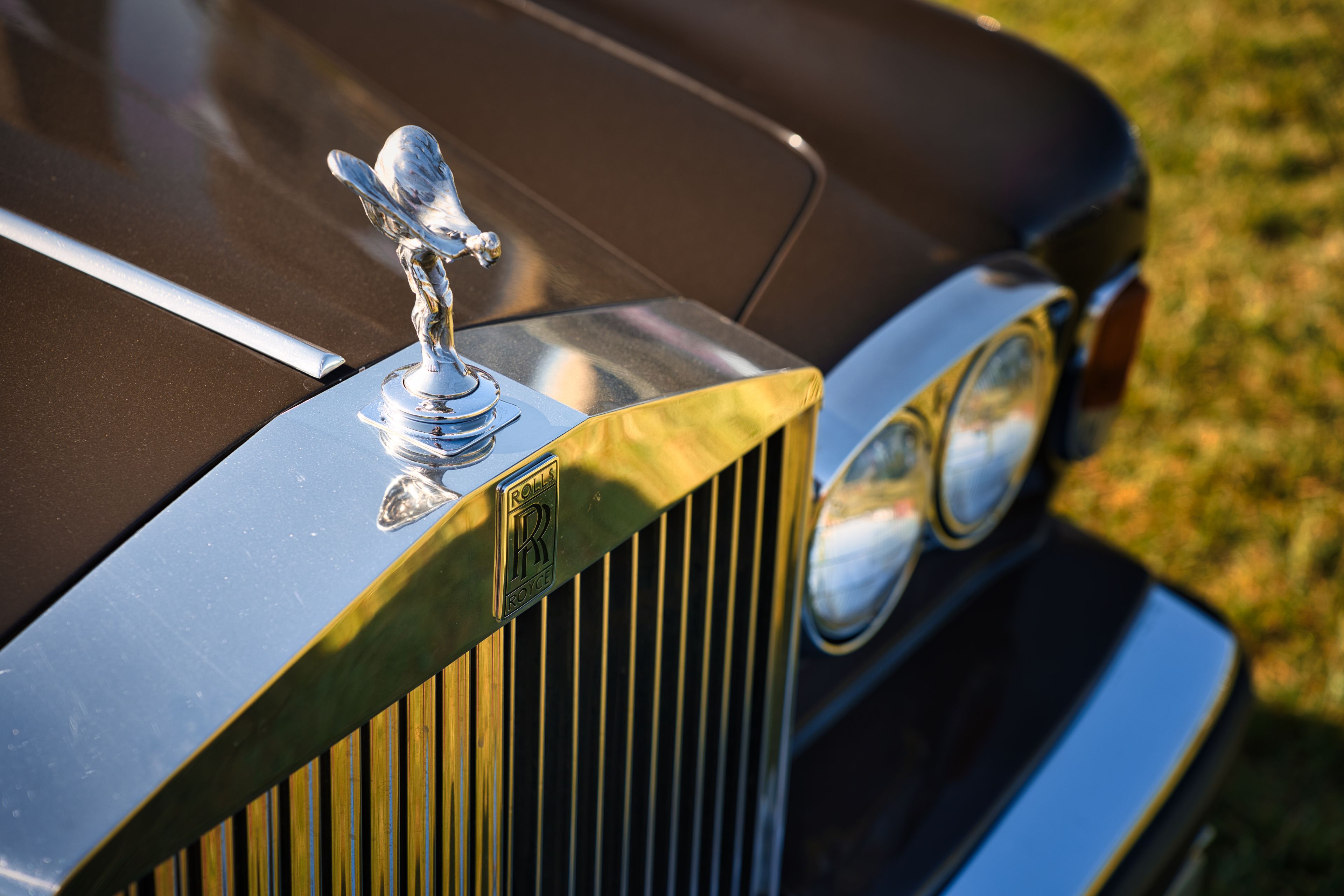
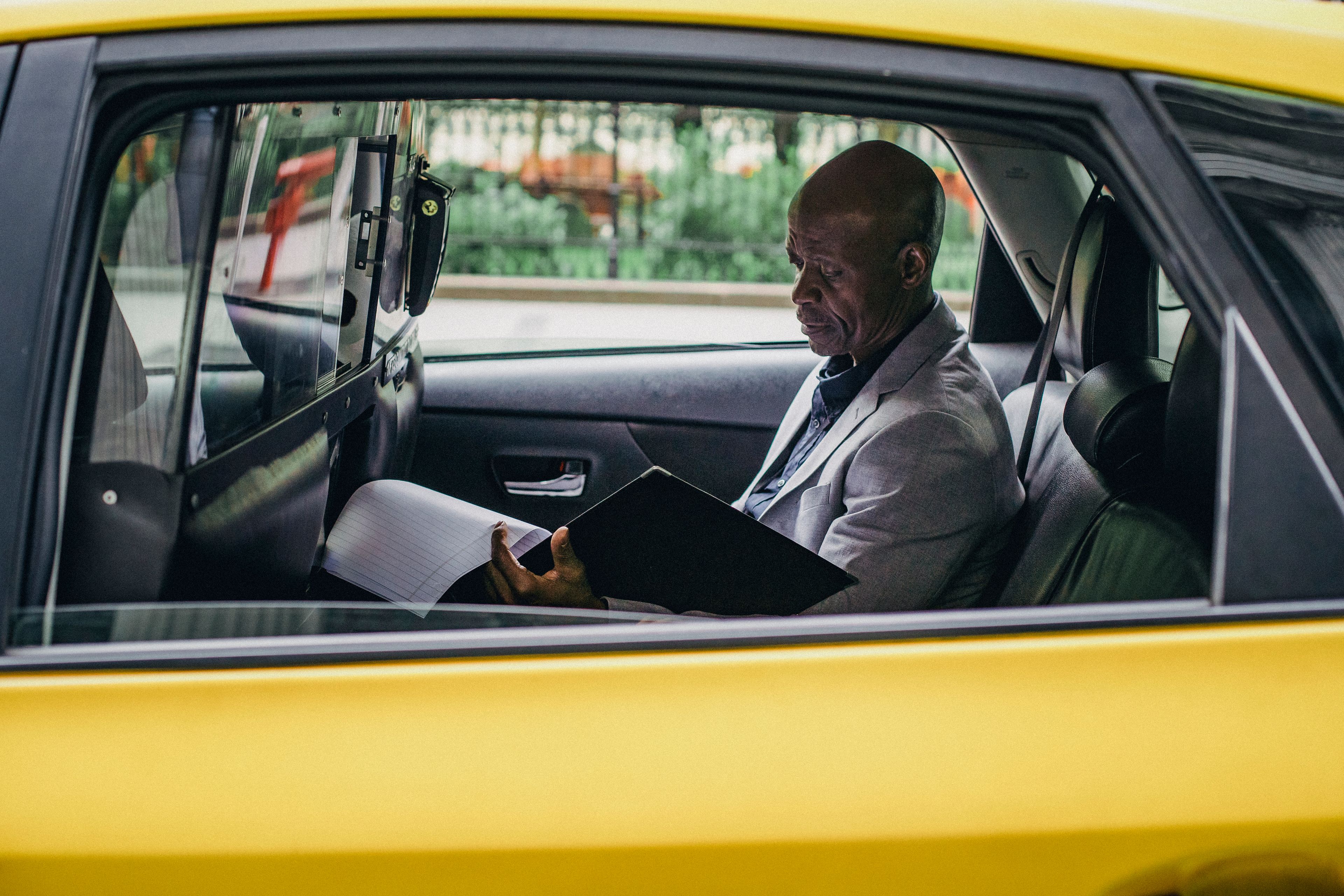
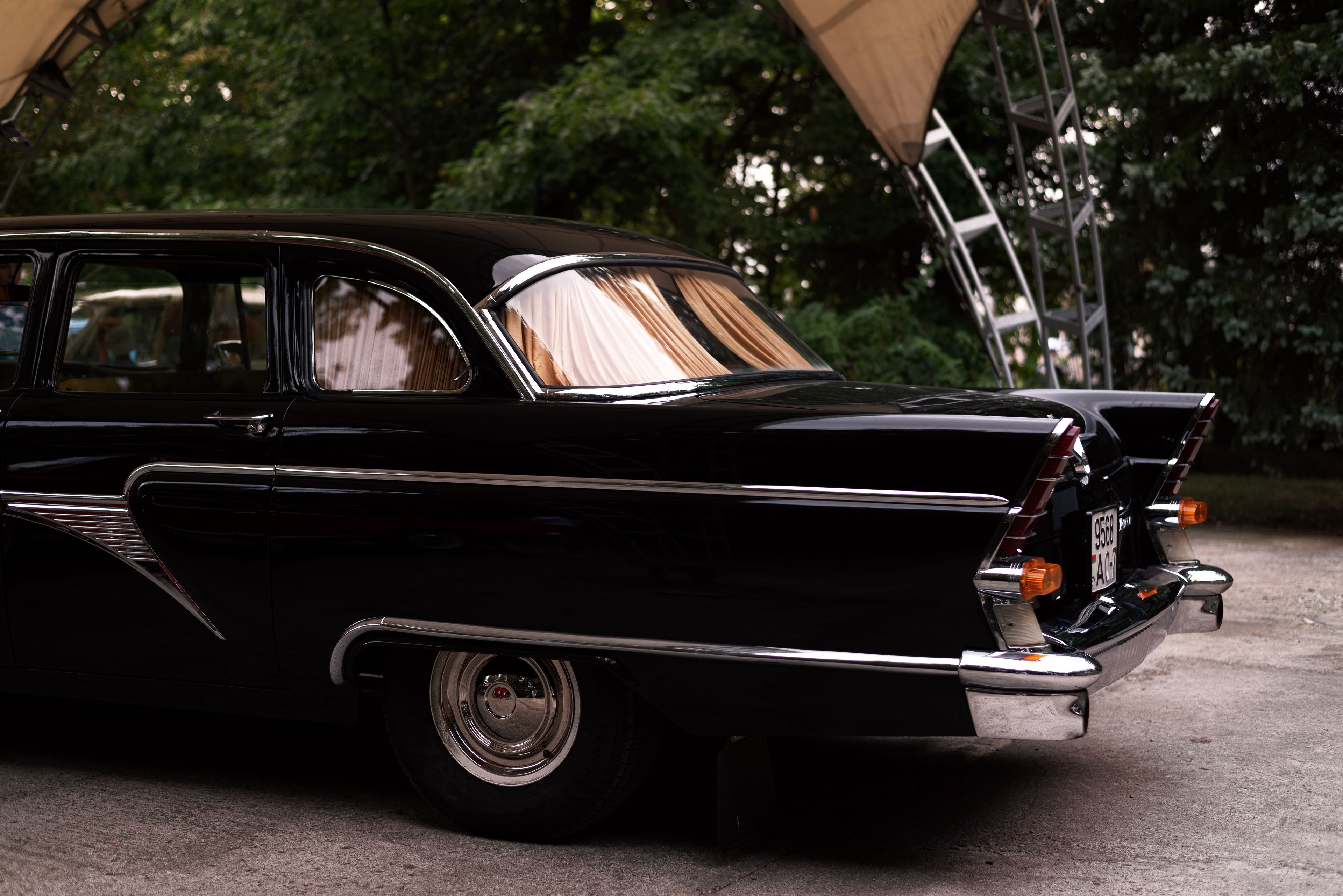
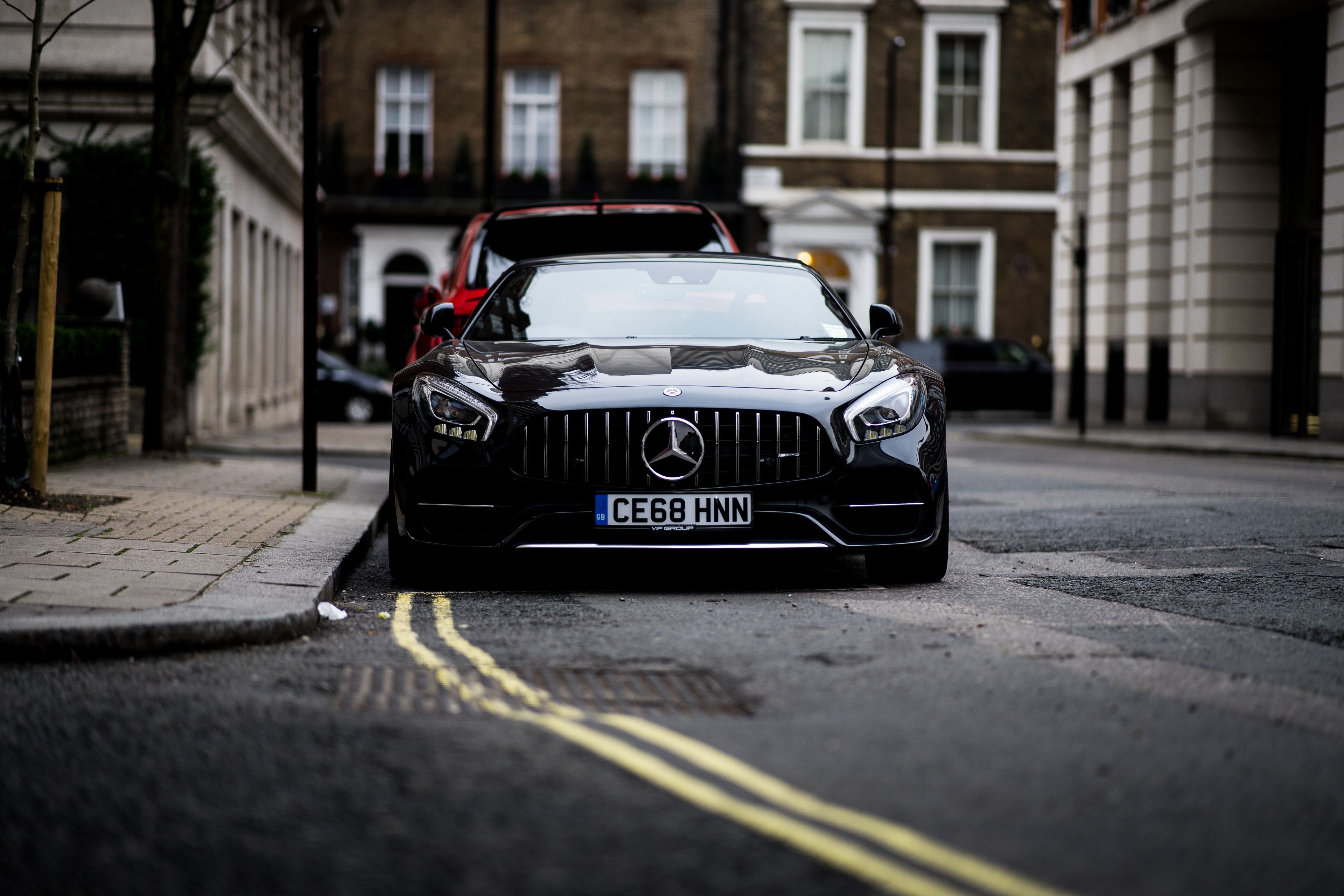
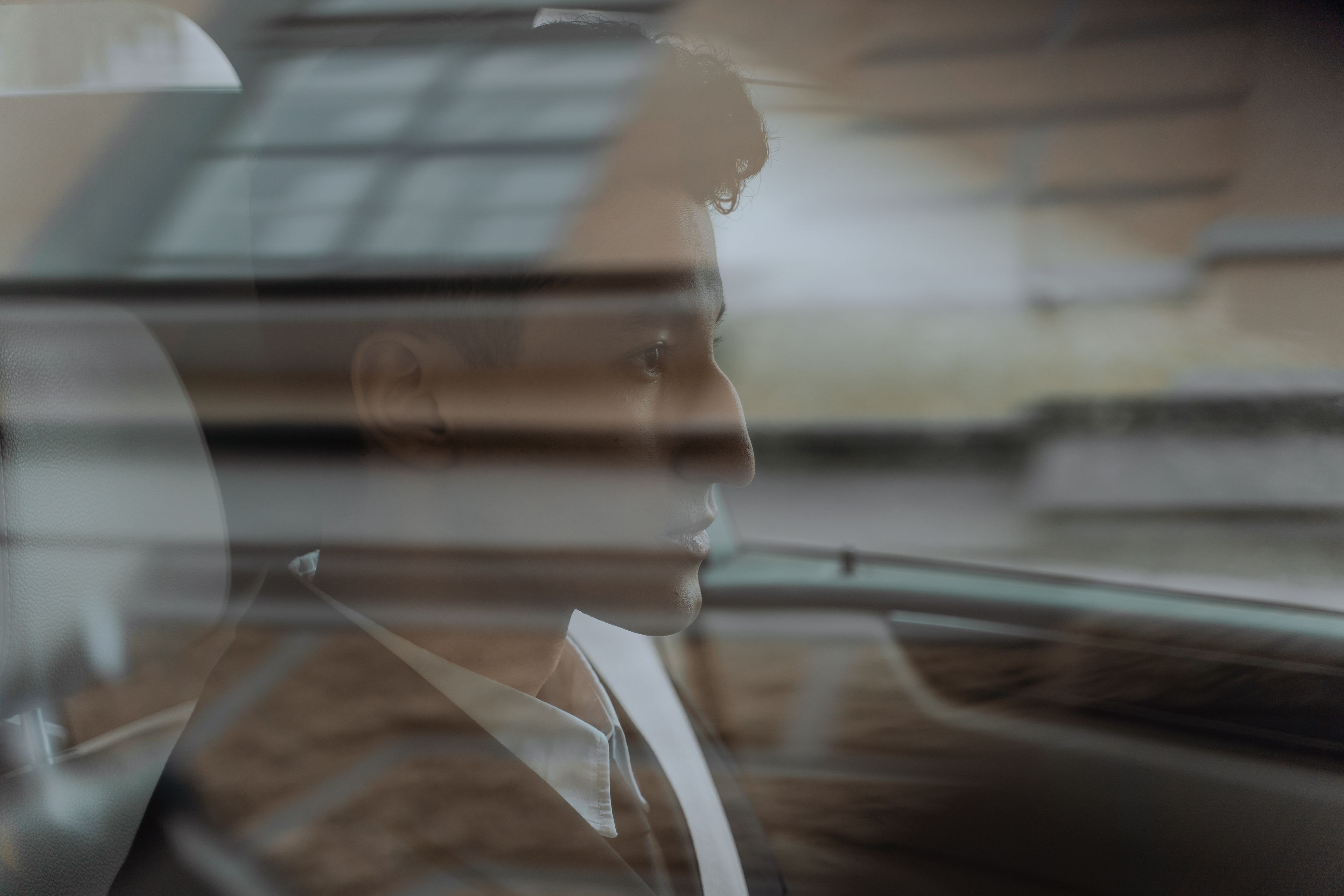
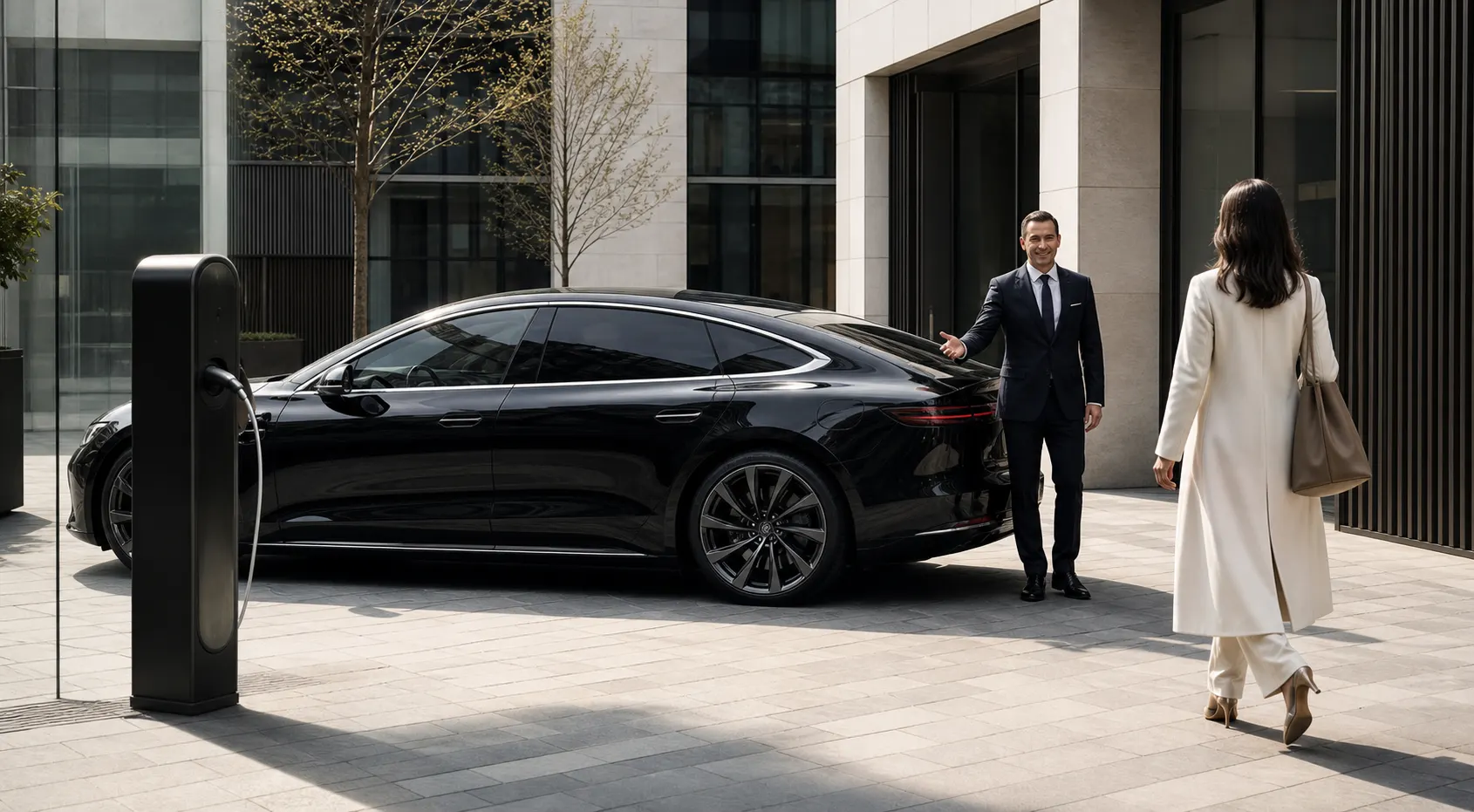
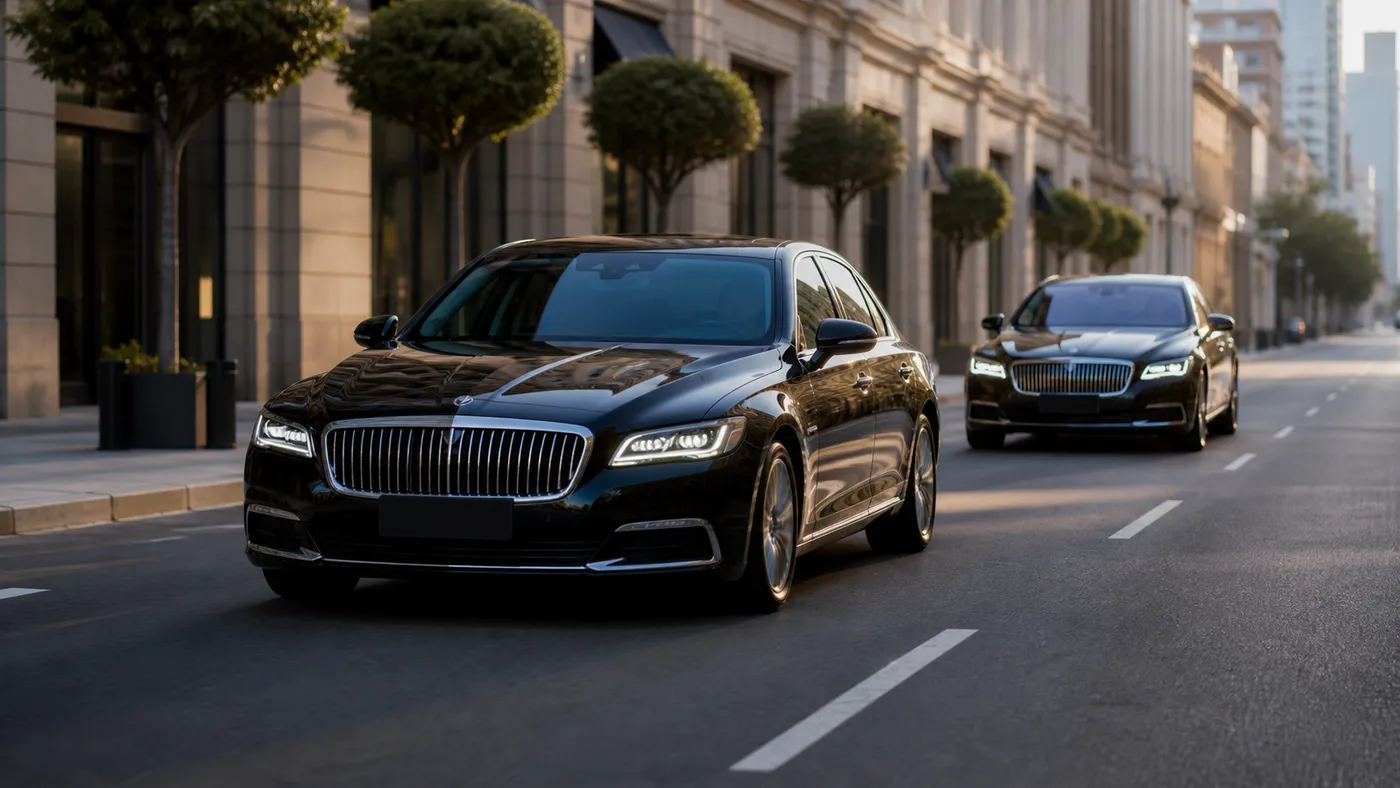
An executive or luxury saloon is built for four occupants including the chauffeur, so three passengers in the rear is the ceiling. Two is the number the car is really designed around: shoulder room across a saloon bench is finite, and the centre position sits above a transmission tunnel with less foot space than either outer seat. For a short hop across town three works perfectly well. For four hours to Edinburgh, it does not.
A luxury MPV changes the arithmetic completely. Individual seats replace the bench, everybody gets their own armrest and their own view out, and the middle row usually slides to trade legroom against boot depth. Depending on how the vehicle was ordered, six or seven passengers travel with genuine space around them. That is why we suggest an MPV for a party of four far more often than clients expect us to.
Why luggage decides the vehicle
Passenger numbers can be estimated. Case counts cannot, and they are where bookings quietly go wrong. A luxury saloon takes two large suitcases and two or three cabin bags without argument. Add a third large case and something has to travel on the rear seat, which is neither comfortable nor especially safe. Discovering that at five in the morning outside a departure terminal is nobody's idea of a good start to a holiday.
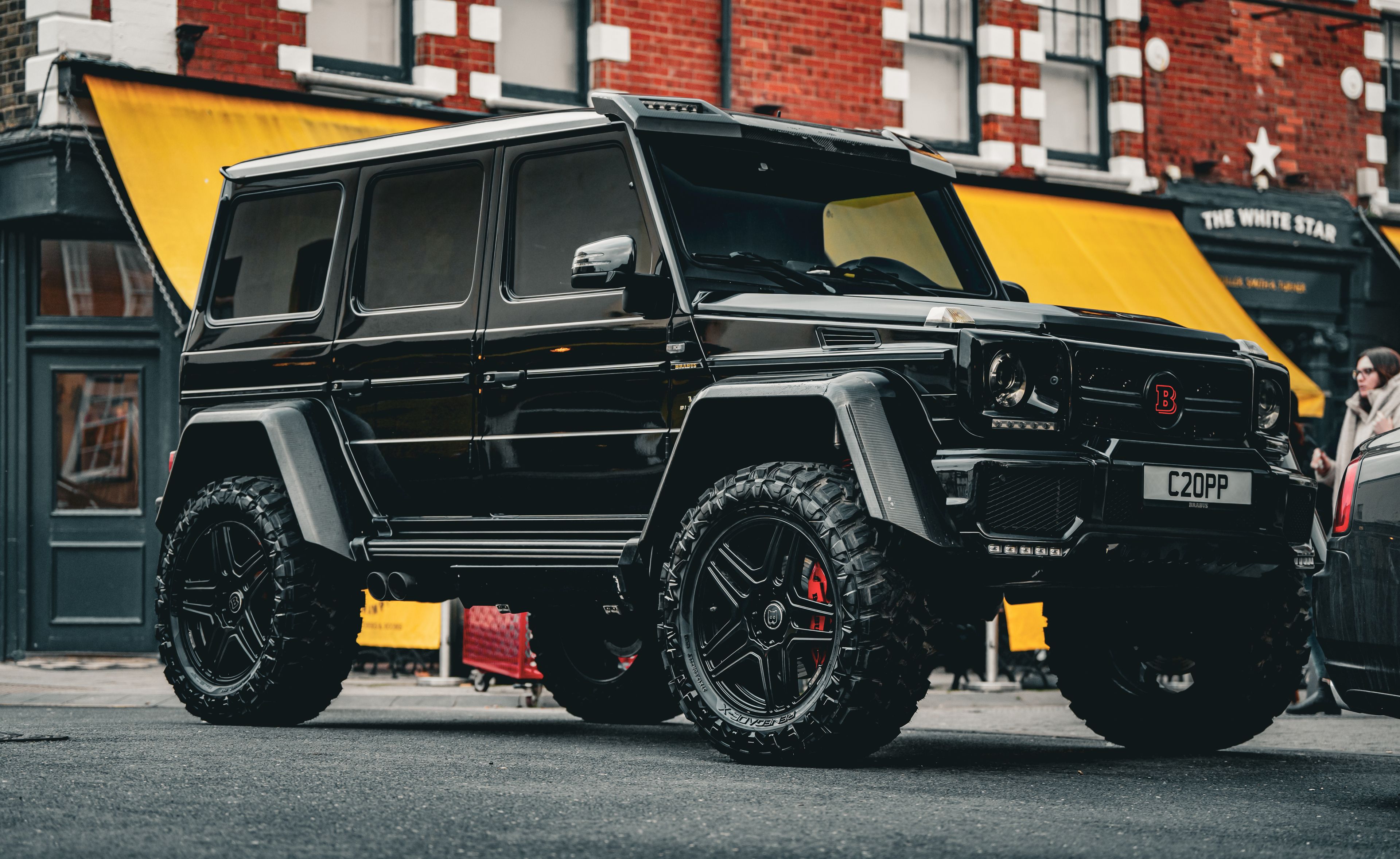
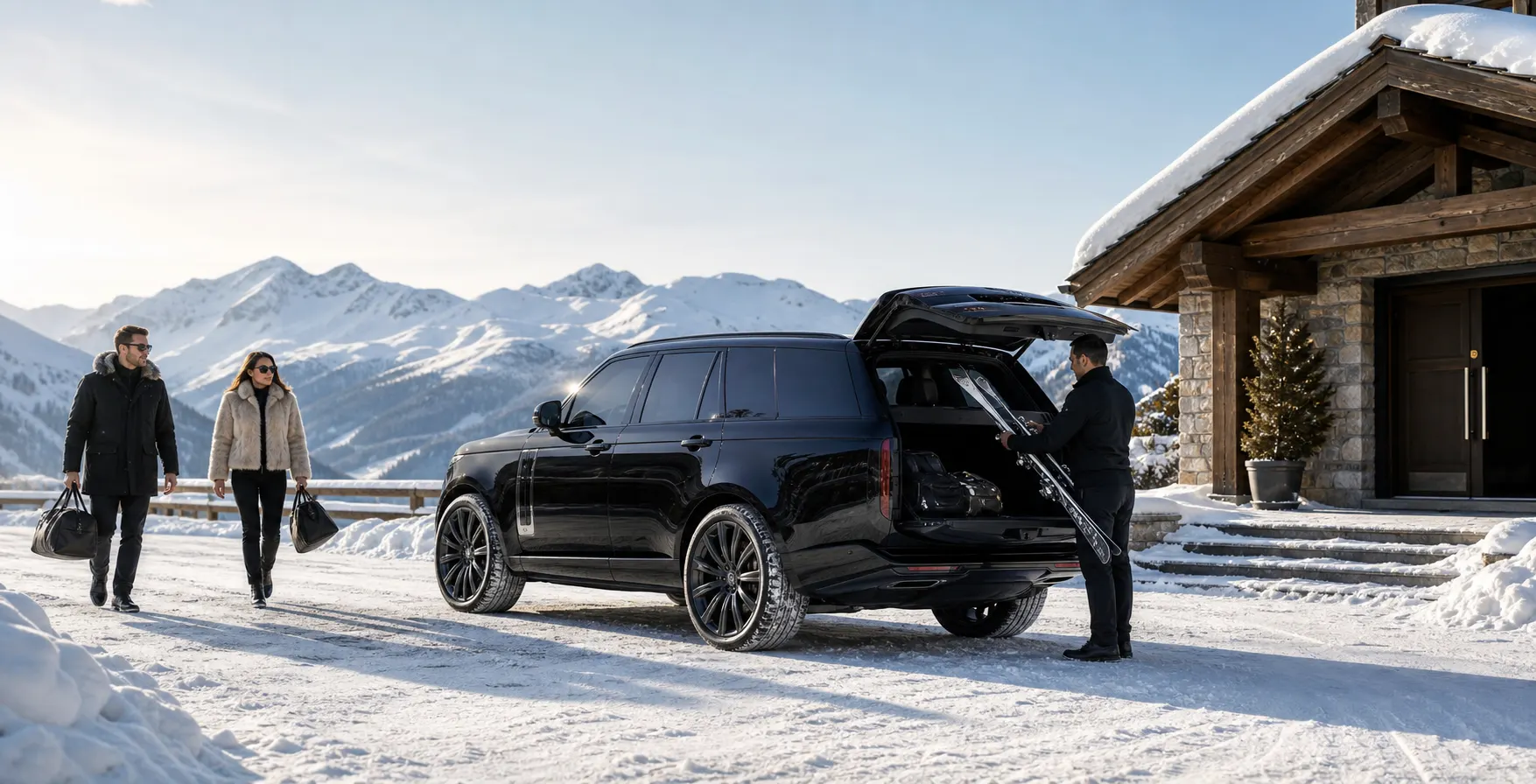
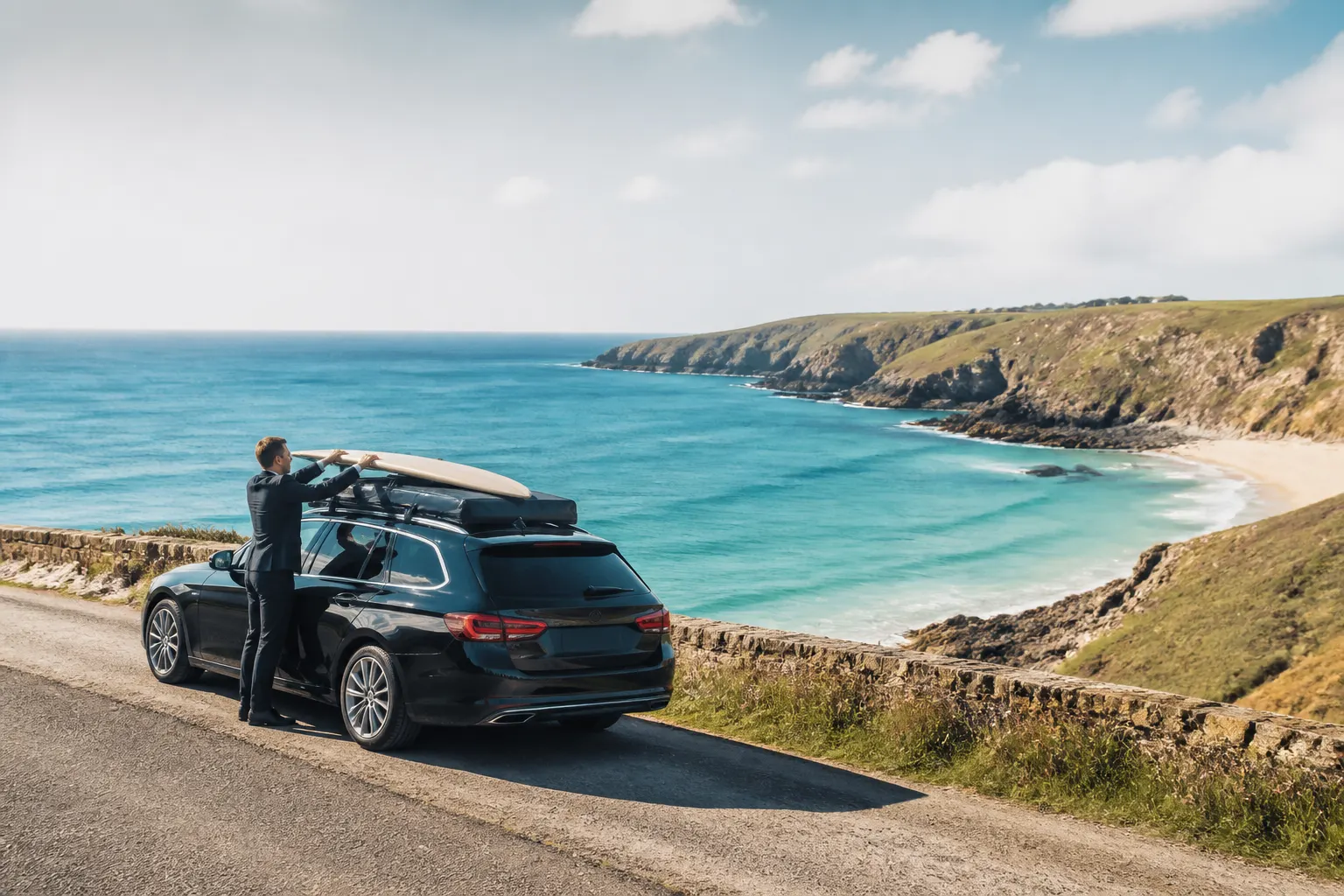
An MPV carries five or six large cases with cabin bags alongside, and it is the vehicle we suggest whenever a party travels with proper luggage rather than overnight bags. Skis, golf clubs, cellos, pushchairs and folding wheelchairs all need naming explicitly, because they change the answer even when the headline case count sounds modest. List the awkward items and the recommendation follows automatically.
- Large checked suitcases, counted individually rather than estimated
- Cabin bags, holdalls and laptop cases carried into the cabin
- Golf clubs, skis, snowboards or other long sporting equipment
- Musical instruments, camera cases and anything genuinely fragile
- Pushchairs, travel cots, folding wheelchairs or walking frames
- Boxes, samples, display materials or anything for a work event
Parties larger than one vehicle
Above six or seven travellers the sensible answer is usually two vehicles rather than one very large one. Two saloons, or a saloon alongside an MPV, keep the group together on arrival, allow people to split by destination if the day requires it, and preserve the character of the service in a way a minibus does not. Both cars are quoted together, both chauffeurs work to the same itinerary, and the party arrives as one.
Larger vehicles do exist and can sometimes be sourced through the operators we work with, though availability varies by region and date, and specification varies more than the category name suggests. Where a group vehicle is genuinely right for you we will say so and check honestly what can be secured. Where two cars would serve you better, we will say that instead rather than quietly taking the bigger booking.