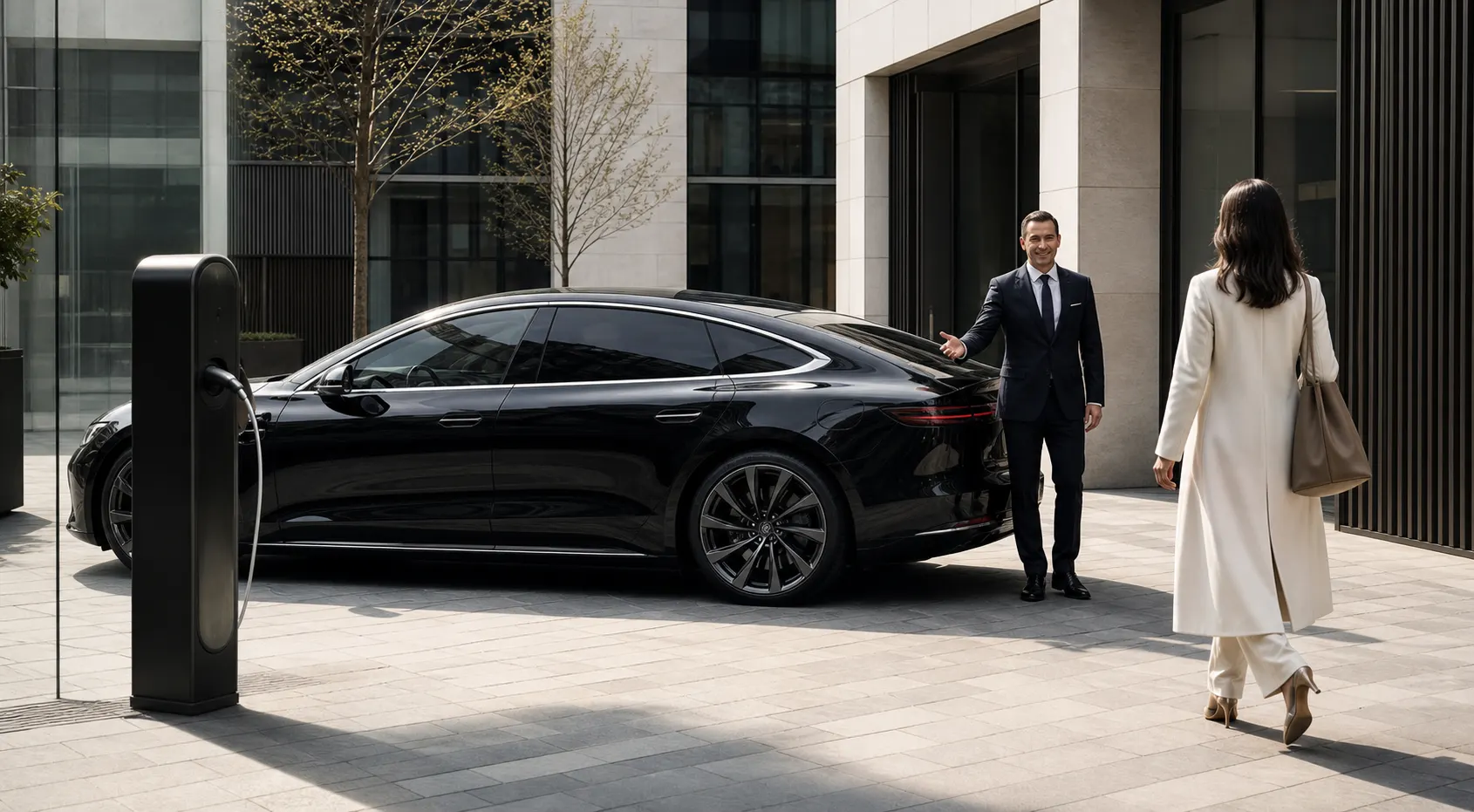







A property viewing day is a chain, and chains break at their weakest link. Six appointments across a city or a county, each with a vendor, a tenant or a site manager expecting you at a particular hour, and every overrun pushing everything behind it. Nobody involved in the day has any interest in navigating, parking or working out where the next address actually is, which is precisely the problem a chauffeur solves.
The second consideration is what happens between the viewings. A buyer forms an opinion in the car, an agent adjusts what they are going to show next, and a developer's team decides which of two sites they are actually pursuing. Twenty minutes of uninterrupted conversation on the way to the next appointment is often where the decision is genuinely made.
Building a viewing circuit that holds
Sequencing matters more than speed. Properties should be grouped so the circuit flows in one direction rather than crossing the same territory repeatedly, and the appointments with the least flexibility, typically those with a tenant in occupation or a vendor who has taken time off work, should sit where the timings are most reliable.
Build slack between viewings rather than assuming the published duration. A twenty-minute viewing routinely becomes forty when the buyer is interested, and it is far better for the schedule to absorb that than for the agent to be hurrying somebody out of a house they have just fallen for. Give the chauffeur the full list of addresses at the start of the day so the sequence can be reordered from the car if the morning runs long.
Where the day includes both town and country properties, split them sensibly. The transition between a dense urban circuit and a rural one is where most viewing days quietly lose an hour.
Country properties and rural addresses
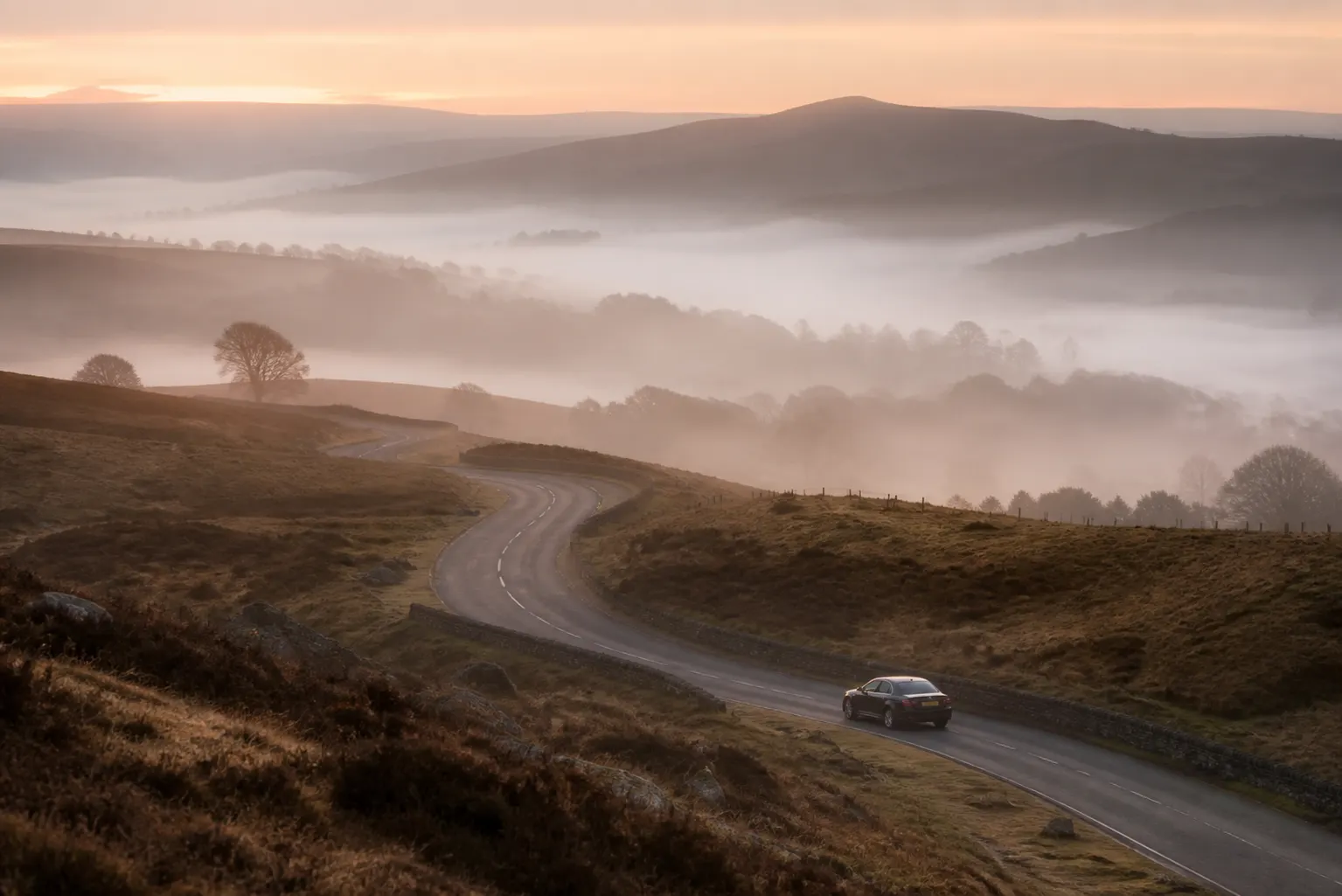
Rural property throws up problems that urban property does not. Postcodes cover large areas, entrances are unmarked, driveways are long and occasionally impassable to a low car, and mobile signal fails precisely where the navigation is needed. An estate agent who has been three times knows where the gate is; a chauffeur arriving cold does not, unless somebody tells him.
Send what three words, a pin, gate codes and a description of the entrance rather than the postcode alone. Ask whether the drive is gravel, steep, unsurfaced or narrow, because that decides whether a saloon is appropriate or whether something with more ground clearance is the sensible choice. If the weather has been poor, ask again on the day. A car stuck in a wet field is a memorable end to a viewing.

Investor tours and development sites
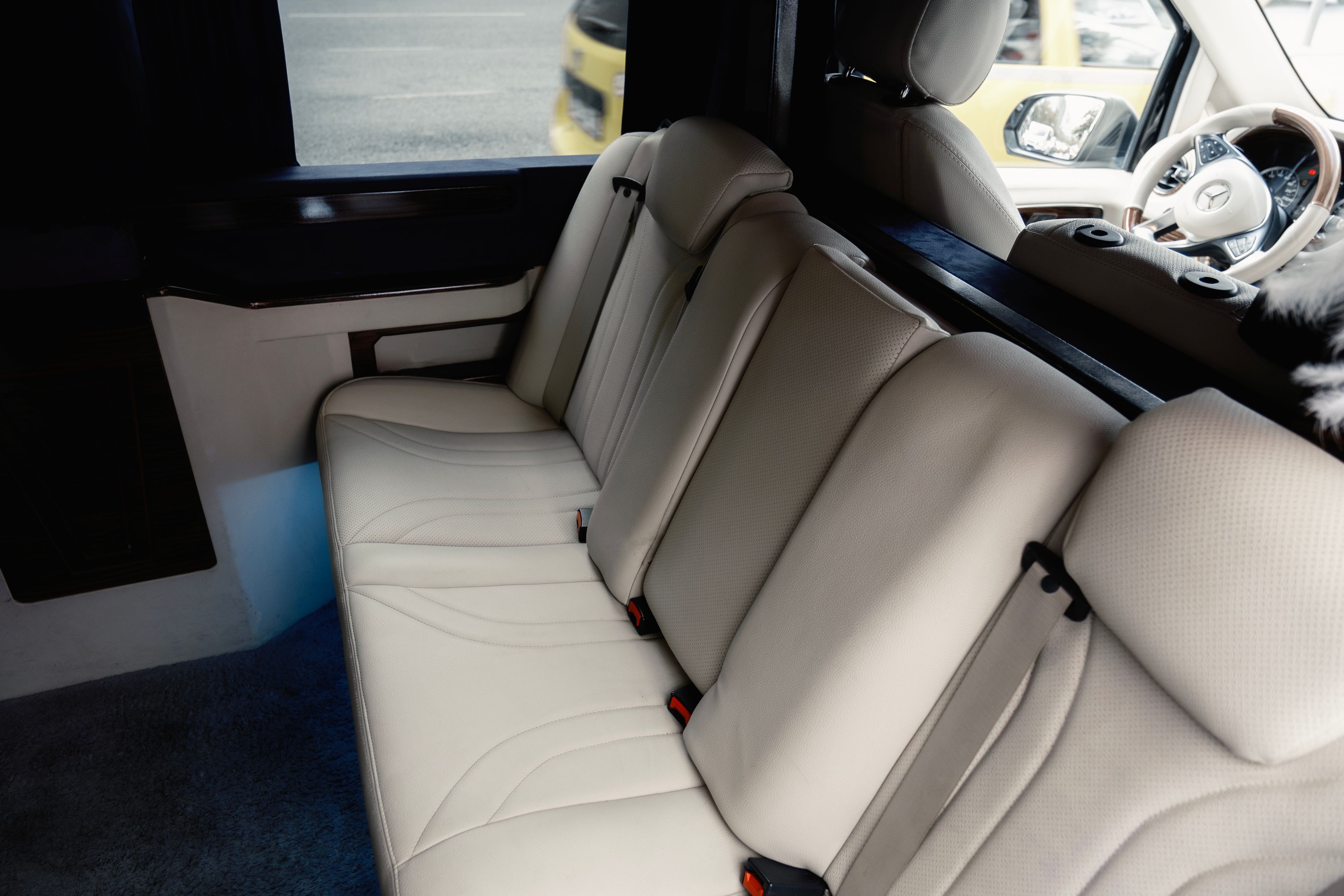
Showing a portfolio or a development pipeline to investors is a different exercise from selling a house. The party is larger, the stops are shorter, and much of the value lies in the commentary delivered between locations. A vehicle where everyone can hear one person speak matters here, which usually points towards an MPV rather than two saloons travelling in convoy.
Live construction sites bring their own rules. Vehicle access may be restricted, an induction may be required, hard hats and boots may need to travel with the party, and parking may be a considerable walk from where anyone wants to be. Establish those requirements with the site manager beforehand and pass them on, so the chauffeur knows where he can wait and the party is not walking half a mile in unsuitable shoes.
Buyers arriving from overseas
International buyers frequently compress an enormous amount into a short visit: an arrival on Monday, viewings on Tuesday and Wednesday, meetings with solicitors and banks on Thursday, a flight home on Friday. They are jet-lagged, unfamiliar with British geography and entirely dependent on whoever is organising the days.
Arranging a car and chauffeur across the whole visit is the most effective thing an agent can do to make that week work. It removes the daily uncertainty, means luggage and coats have somewhere to live, and gives the client one familiar person across an otherwise unfamiliar week. It also means the agent spends the journeys talking to the client rather than watching a map on a phone.
Discretion around who is buying
Prime property transactions are frequently confidential, sometimes acutely so. Which properties a client is viewing, who the client is, and the fact a viewing took place at all are matters we treat as private. Vehicles carry no branding, and a chauffeur does not discuss the day with anyone, including the next client in the car.
For agents working on off-market instructions, this is worth stating explicitly at the point of booking so it is understood rather than assumed. Where a firm has written requirements of its own, those can be agreed before work begins. If your obligations to a client involve specific confidentiality undertakings, take your own advice on what they require and tell us what we need to sign up to.
Arranging days that repeat
Agencies tend to run viewing days in patterns: Saturdays in a particular area, a weekly circuit for a developer, a recurring investor tour. Those repeat arrangements can be held as standing bookings with the same chauffeur, which quickly builds knowledge of the addresses, the gates and the awkward turnings that costs everybody time on the first visit.
Send the outline over WhatsApp or email with the date, the approximate number of stops, the geography and the party size, and you will receive a written quotation covering the vehicle, the period and the terms before anything is confirmed. For agencies booking regularly, an account can be arranged, with its terms agreed and confirmed in writing when it is set up.