





Travelling with small children reshapes a journey more than any other single factor. The luggage doubles, the timings soften, and the one detail that must never be improvised is the seat the child travels in. It is also the detail most often raised late, usually because parents assume a car service keeps a rack of seats sitting ready in the boot.
We do not, and neither does anybody being straight with you about it. Seats are sourced for the booking, matched to the child, and fitted before the car sets off. That takes notice rather than heroics on the morning. What follows explains what we need from you, why a proper seat goes in even where the law would permit otherwise, and how the collection then runs.
Why the seat has to be booked, not added
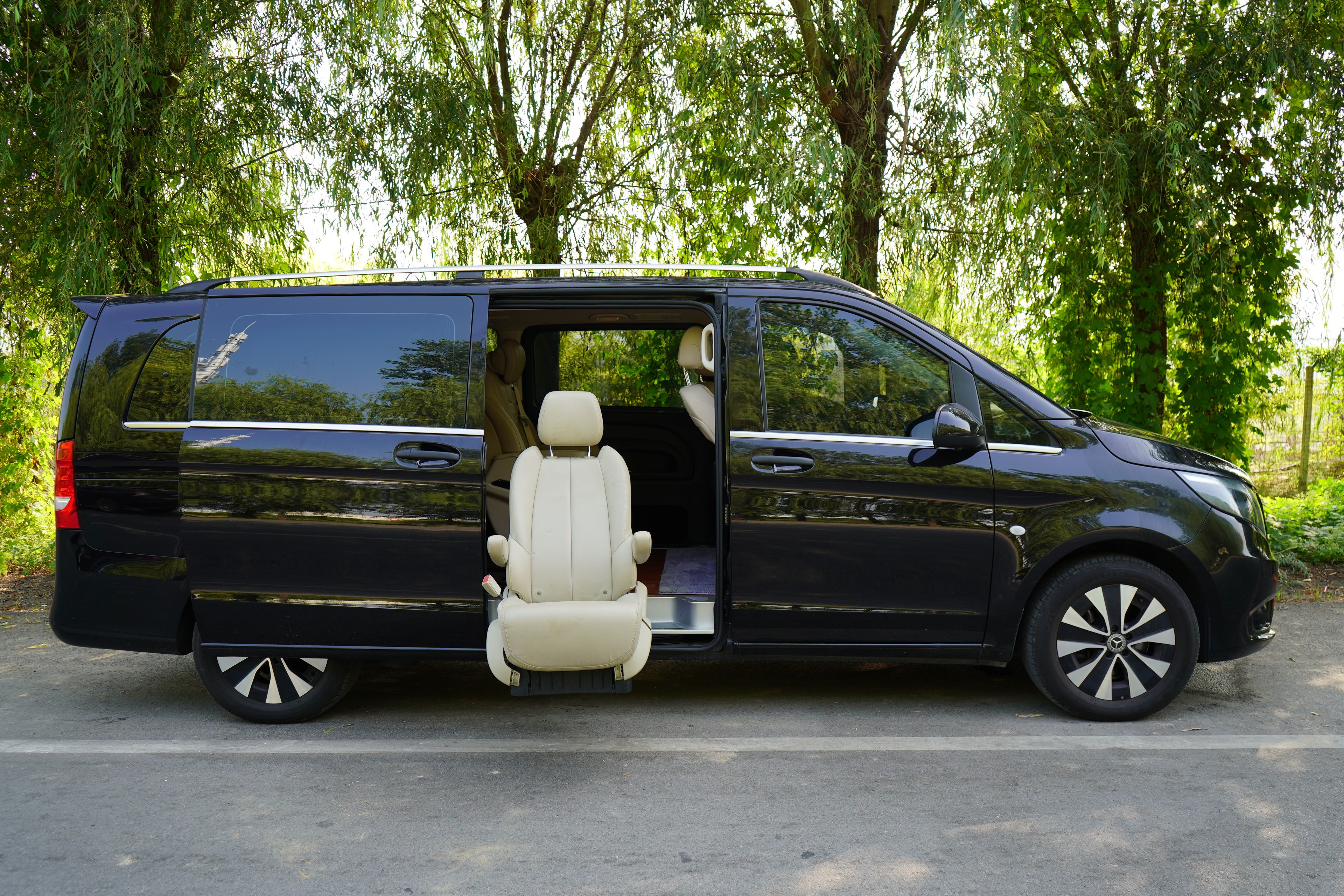
A child seat is not a generic object. An infant carrier, a high-backed booster and a forward-facing seat with an integral harness are three different pieces of equipment suiting three different sizes of child, and fitting the wrong one is worse than useless. Sourcing the right seat means knowing in advance, which is why the request belongs in your first message rather than in a note sent the night before.
Fitting takes time and care as well. A seat has to be secured correctly to the vehicle, checked, and then left alone rather than wrestled with on a double yellow line outside a departure terminal. Chauffeurs build that into their preparation when they know it is coming. Ask on the day and the honest answer will often be that we cannot do it properly, and we would rather say so than fit something badly.
What we need to know about each child
Age alone is not enough, because children of the same age vary enormously. Approximate weight and height both matter, and so does whether your child has outgrown a harness or still needs one. If more than one child is travelling, describe each of them individually rather than as a group, since two seats side by side also change how many adults will fit across the same row.
Mention everything else that shapes the collection while you are at it. A pushchair needing to fold into the boot alters the luggage calculation. A child prone to travel sickness alters where they are best seated. A long motorway leg with a toddler alters where a comfort stop makes sense. None of it is fussy detail, and all of it separates a smooth departure from a fraught one.
- Each child's age, approximate weight and rough height
- Whether they currently travel in a harness or on a booster
- How many children are travelling and how many adults alongside
- Whether a pushchair, travel cot or car seat of your own is coming
- Whether you would rather fit your own seat when the car arrives
- Any medical or mobility consideration we should plan around
The law, and why we go further
Licensed private hire vehicles occupy a different position in the child seat rules from private cars, and it is entirely possible to travel lawfully without a seat in circumstances where a family car would require one. We do not treat that as a reason to skip it. A correctly fitted seat is safer than an adult lap belt on an adult-sized bench, and safety is not an area where we look for the minimum permitted position.
You are equally welcome to bring your own seat if you would rather use equipment you know and trust, and many parents travelling from home do exactly that. Tell us in advance so the chauffeur allows time to help fit it and so the boot space is planned around the box it arrives in. Either route is fine. The only version we cannot accommodate is the one nobody mentions until the car pulls up.