





A great deal of chauffeur work is arranged by an adult child for a parent, or by a family for a relative who has stopped driving. The requirement is usually the same and rarely stated outright: someone reliable who will not rush, who helps without making a performance of it, and who can be trusted with an hour or two of somebody you care about.
That sits squarely within what a professional chauffeur does. The care and the medical questions do not, and we would rather be clear about the boundary now than have a family discover it at a hospital entrance. Below is what the help actually looks like, how to pick the right car, and what to tell us so the collection is arranged properly.
What the help actually looks like
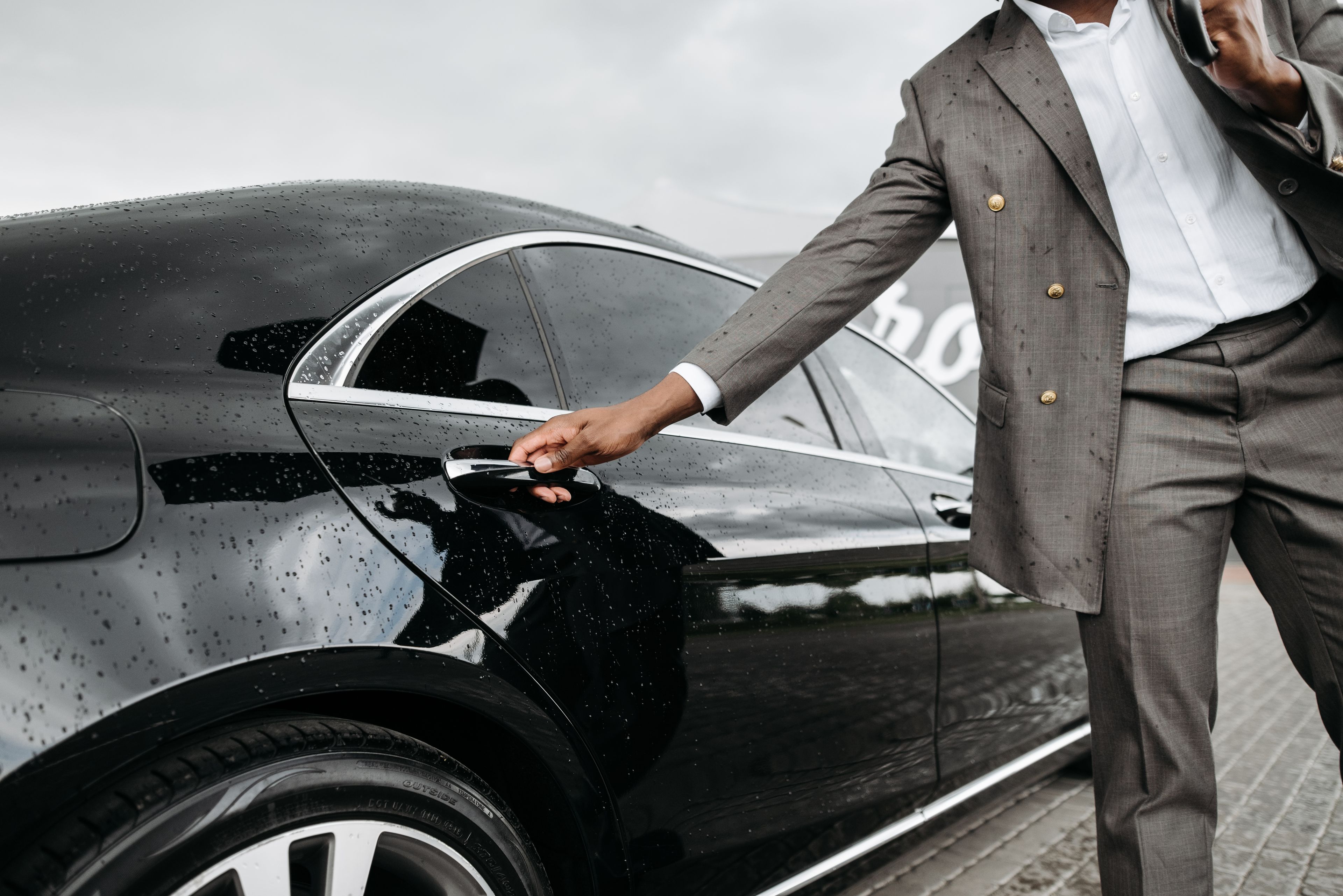
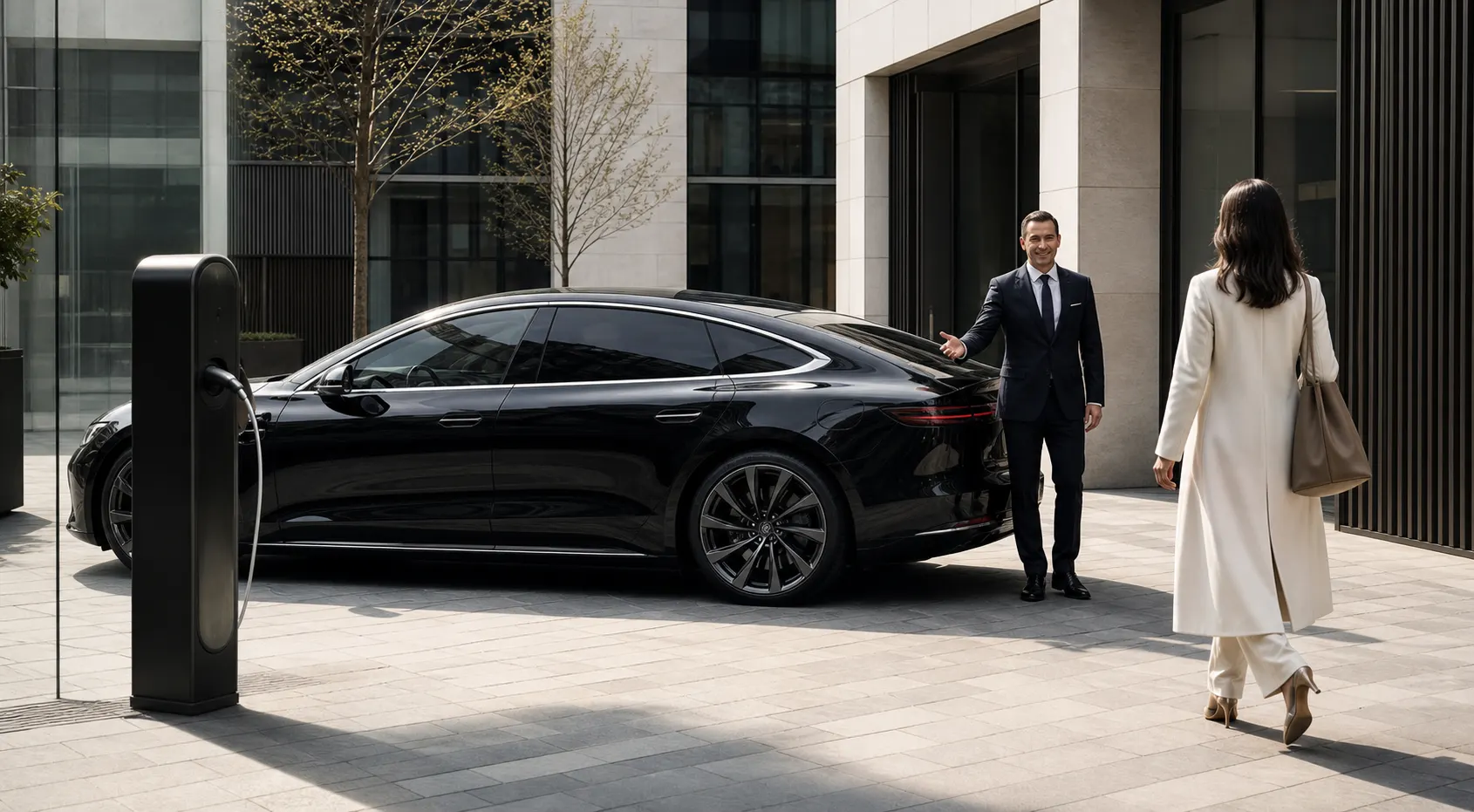
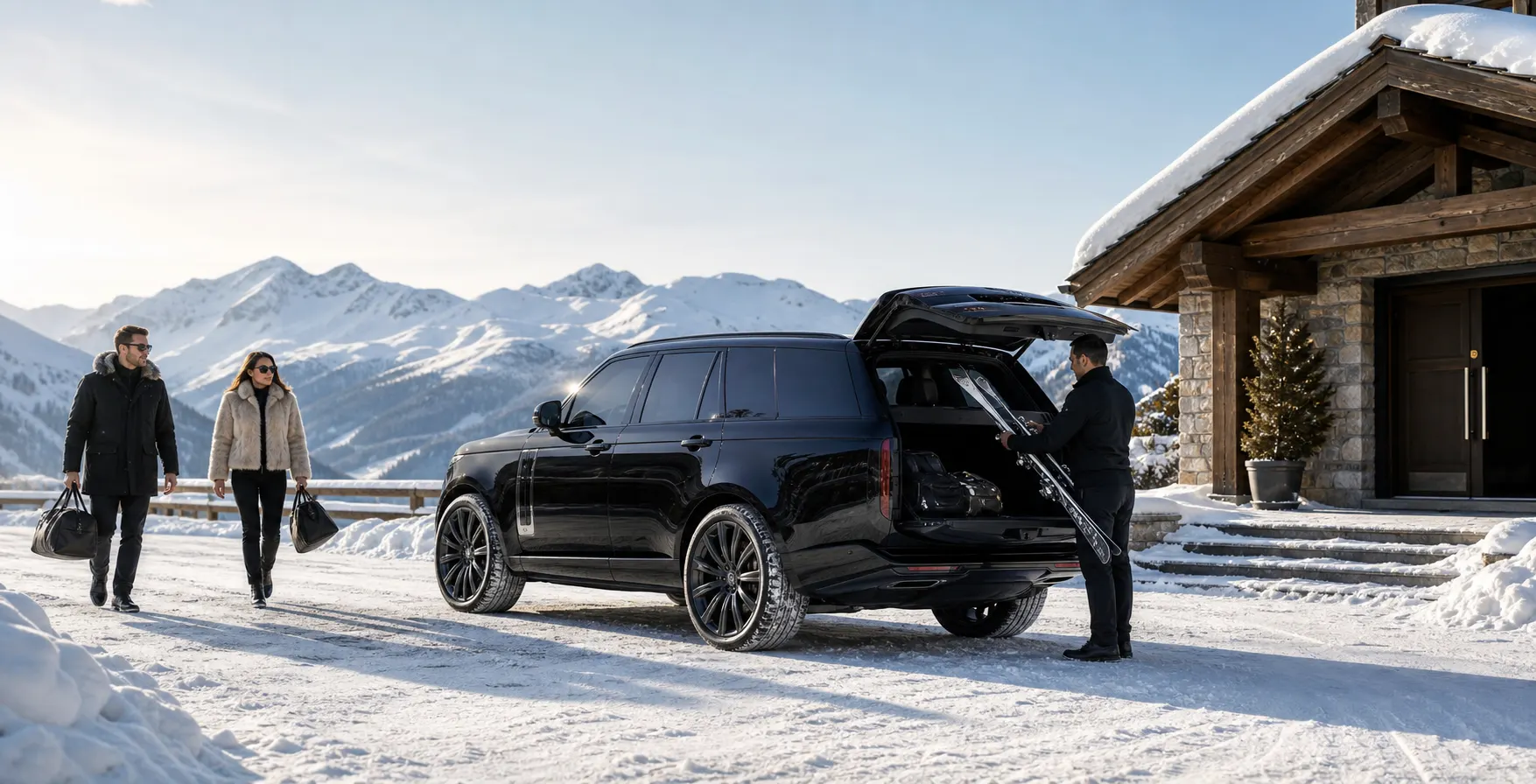
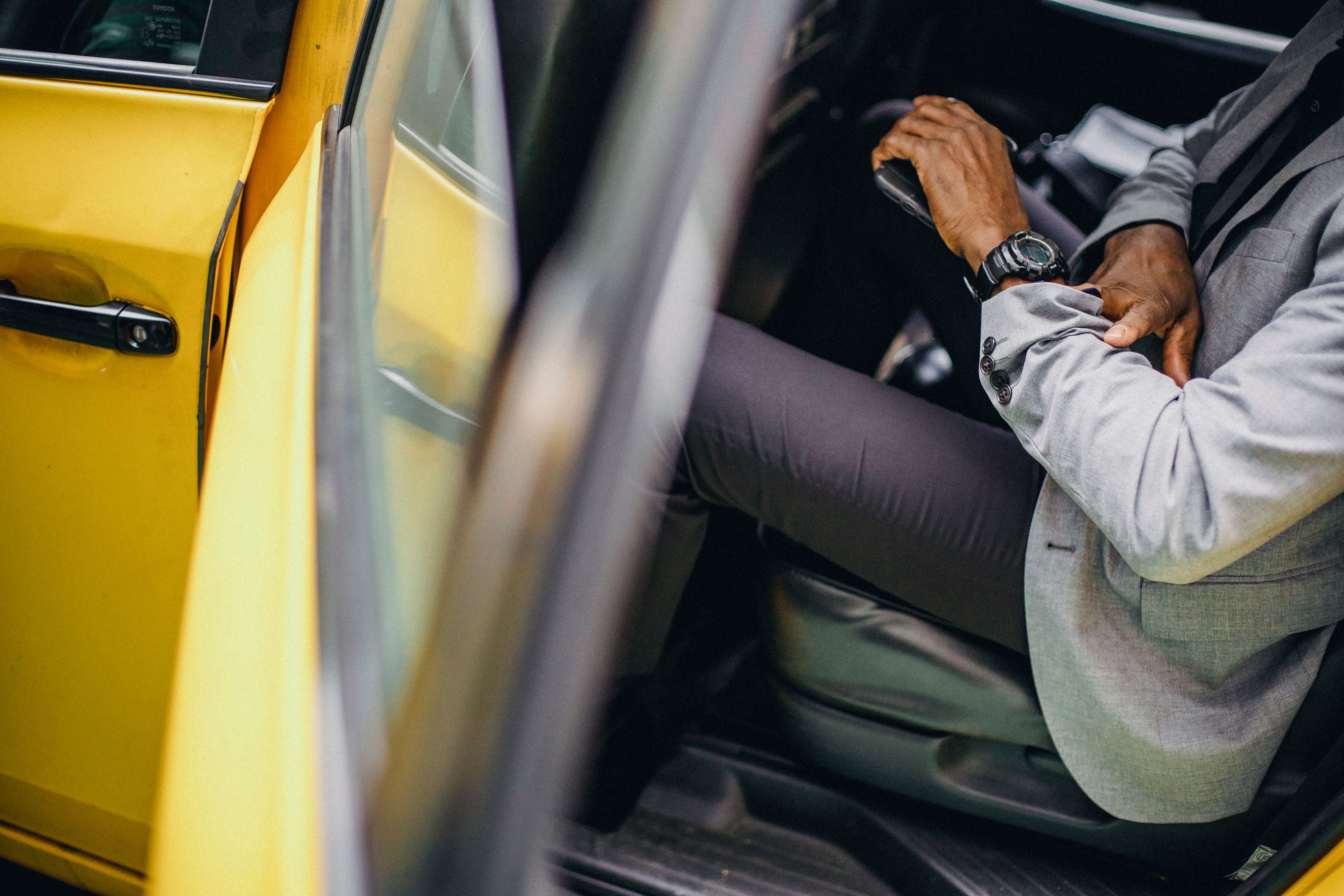
It begins before the car door. The chauffeur parks where the walk is shortest rather than where parking is easiest, comes to the front door if that has been agreed, and offers an arm across gravel, a wet forecourt or a kerb. Bags go into the car without the passenger touching them. The door is held open and the chauffeur waits, rather than hovering, while the passenger takes the time they need to sit down.
Inside, the small things carry the day. The seat is already at a height that suits, the cabin is warm before the passenger reaches it, the belt is fastened if a hand is wanted, and the driving is smooth enough that a walking stick stays where it was put. At the far end the same happens in reverse, including walking the passenger into a reception where that has been agreed in advance.
Choosing a car that is easy to enter
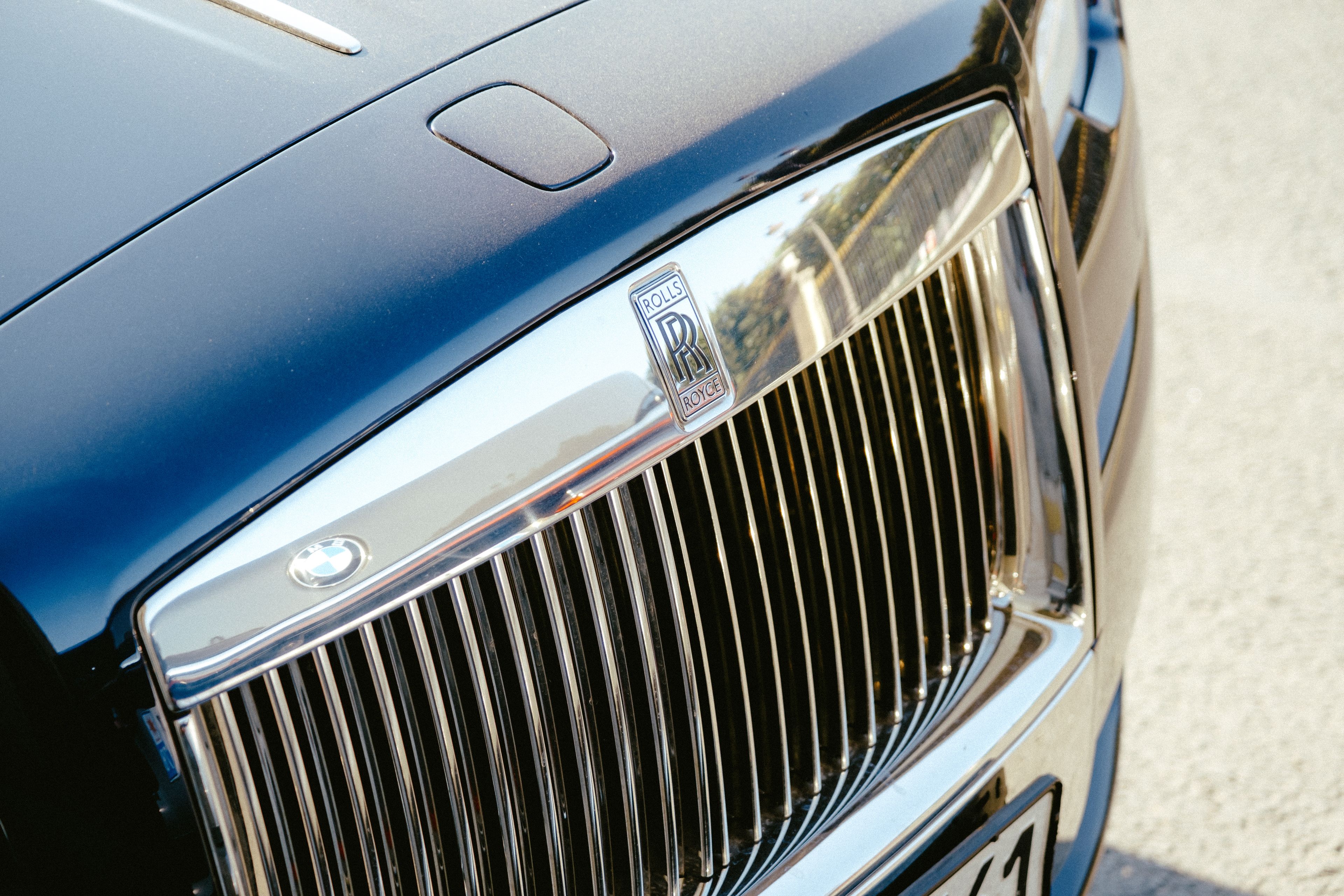
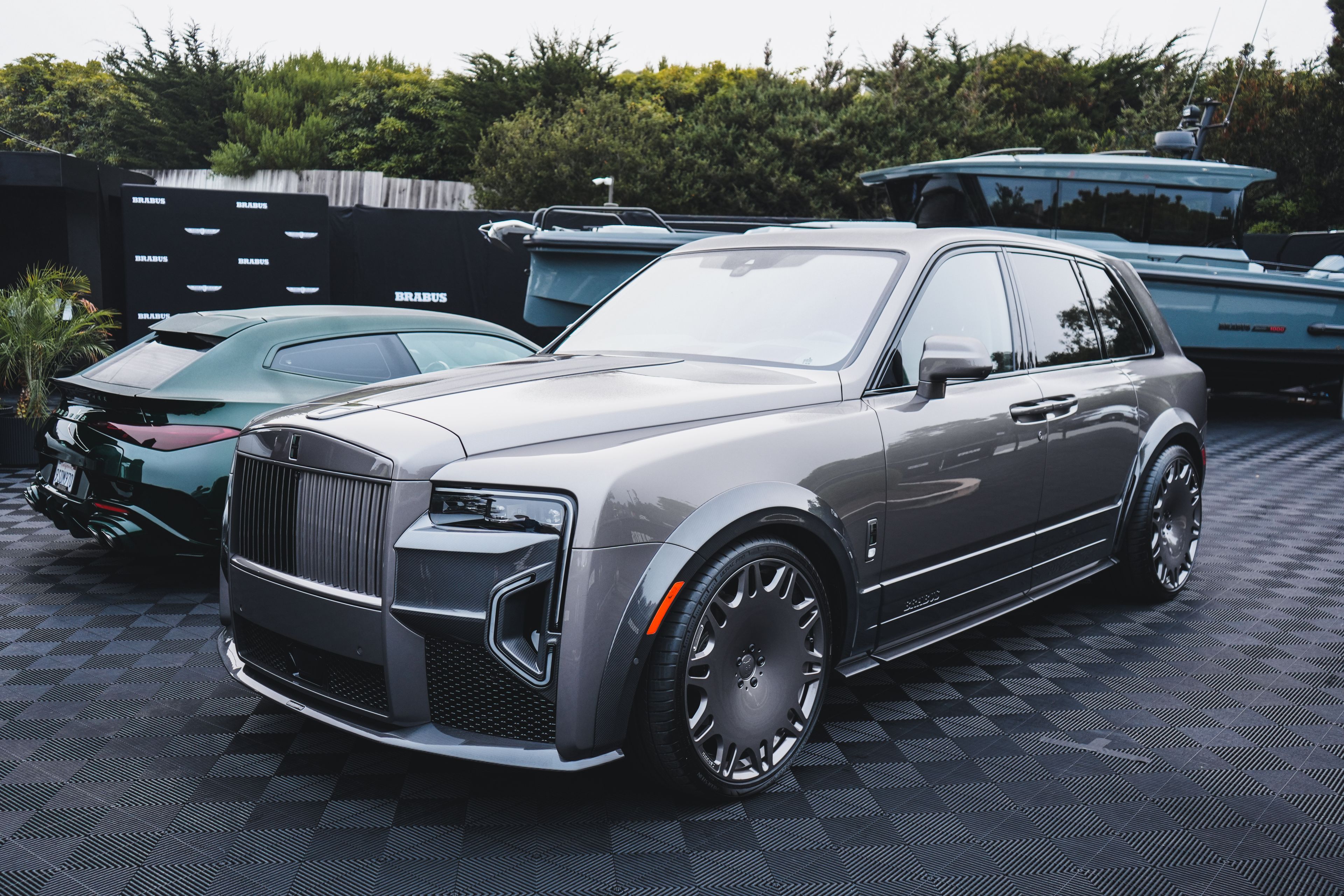
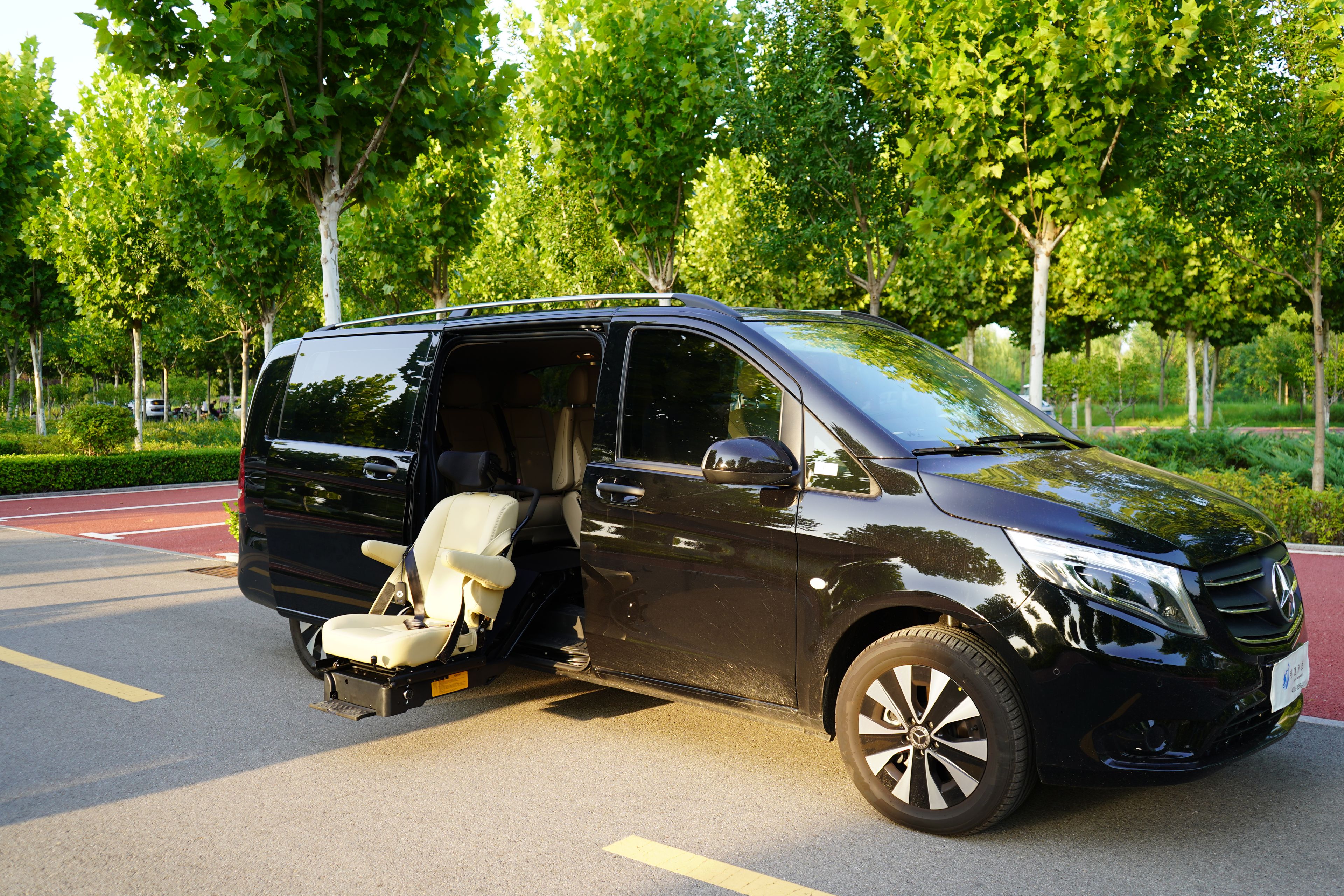
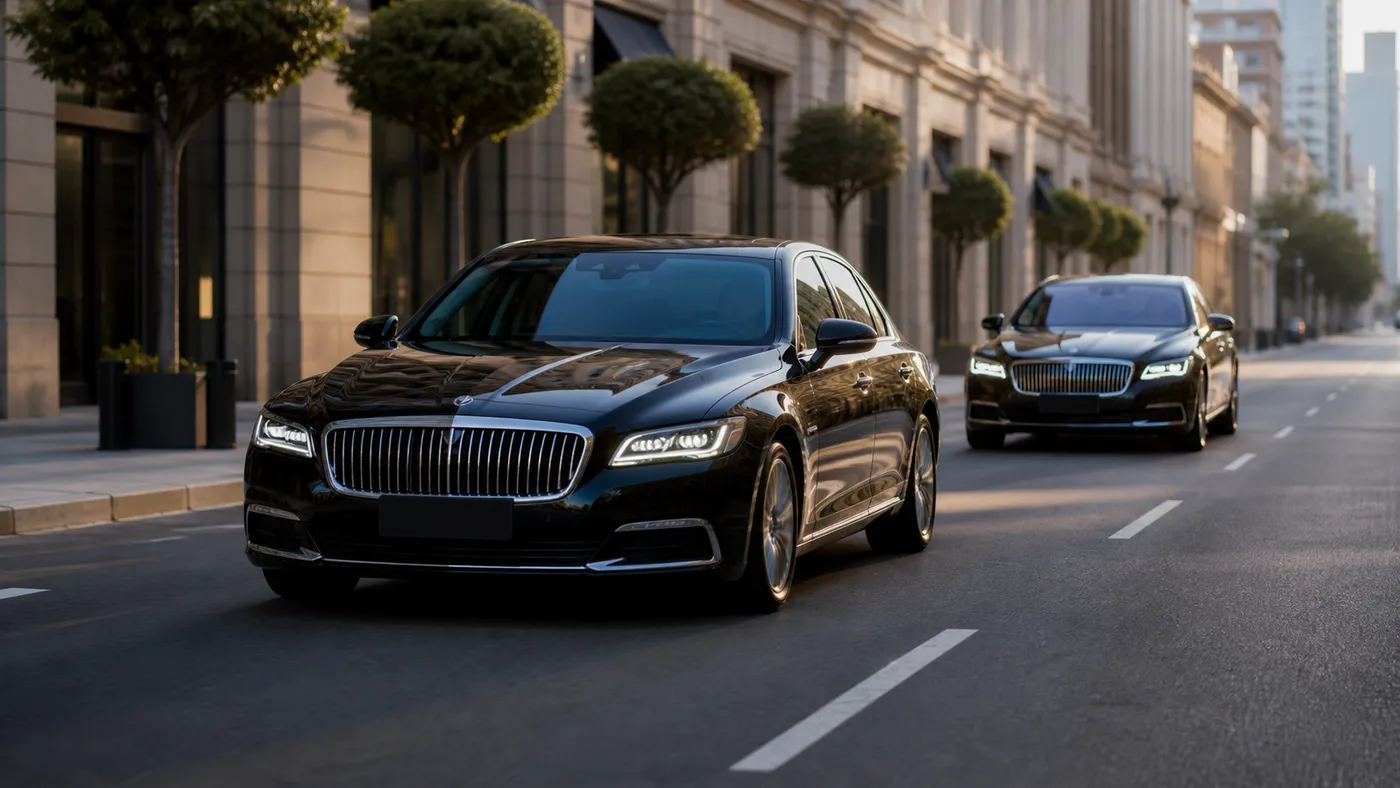
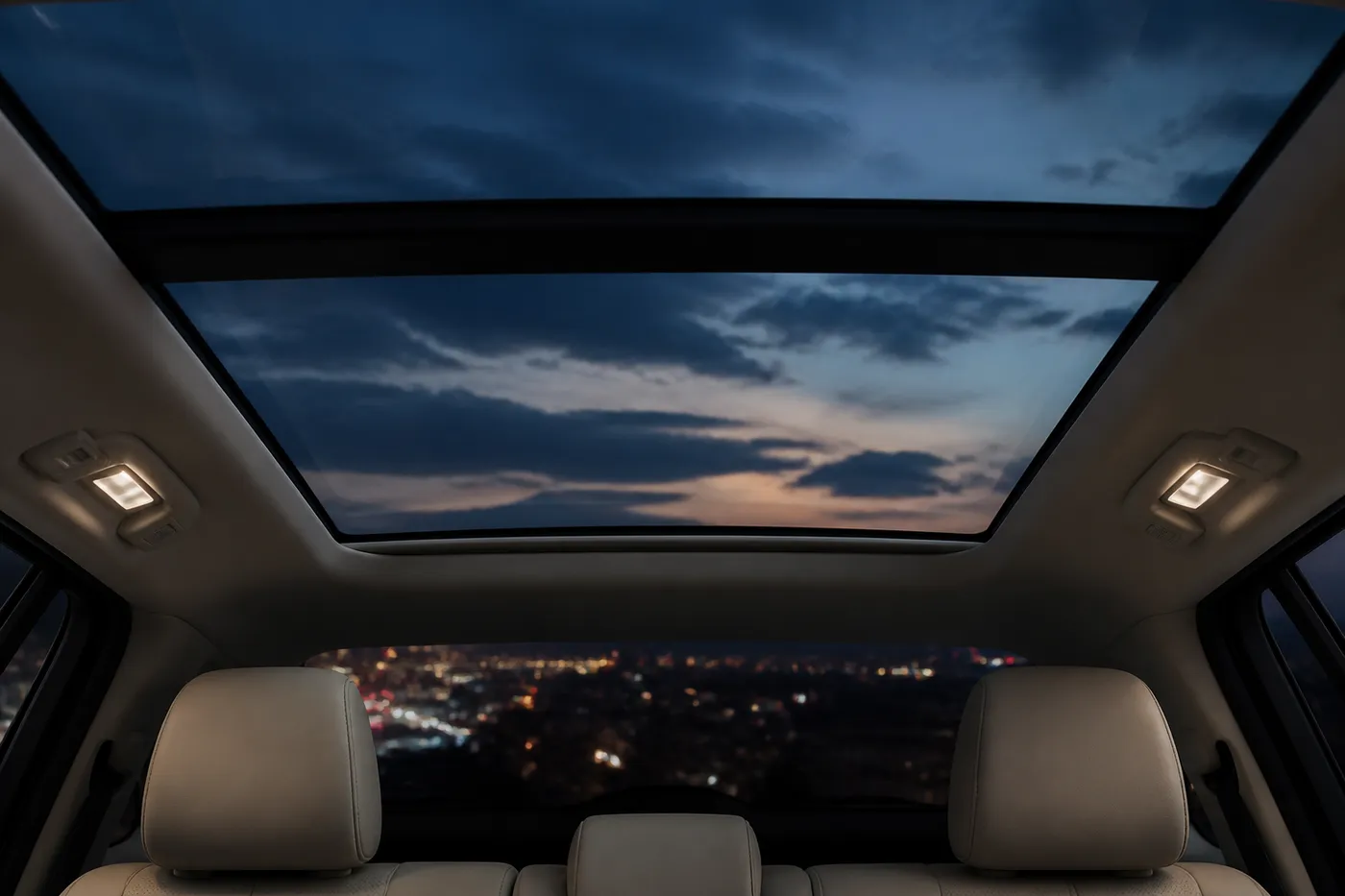
Seat height is the single biggest factor, and it works in both directions. A low sports saloon is hard to drop into and harder still to rise out of; a very tall vehicle demands a step up that some passengers cannot manage. A luxury MPV usually sits in the comfortable middle, with a wide aperture, a seat high enough to stand from and enough room to swing both legs together rather than one at a time.
Door width, grab handles, the height of the sill and the gap between seat and doorframe all matter more than the badge on the bonnet. Tell us how the passenger normally gets into a car and we will recommend accordingly, because the vehicle that photographs best is not always the one that makes a wet Tuesday in February easier.
- Whether standing up from a low seat is difficult
- Any walking aid travelling with the passenger, and whether it folds
- Whether a wheelchair needs stowing, and its type and weight
- How far the walk is from the door to where a car can wait
- Whether the chauffeur should come to the door or wait at the kerb
- Whether someone should be walked into a reception at the far end
Where a chauffeur's help stops
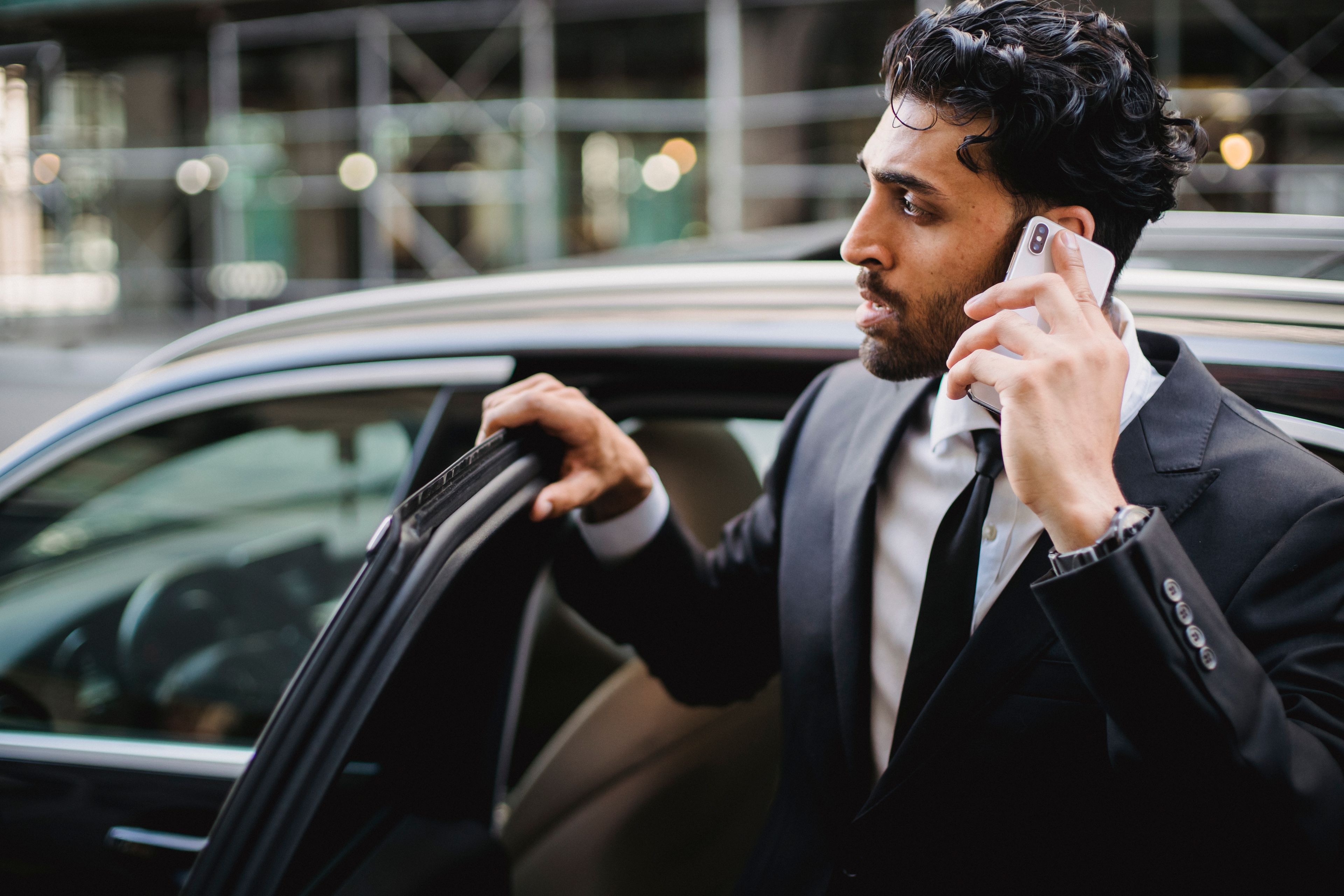
A chauffeur is not a carer and is not trained as one. That means no lifting or transferring a passenger between a chair and a seat, no handling of medication, no assistance in a bathroom and no clinical judgement of any kind. These are not matters of willingness; they are matters of training and safety, and stepping across that line would do nobody any favours, least of all the person being helped.
Where that level of support is needed, the usual arrangement is that a family member, companion or professional carer travels in the car and the chauffeur looks after everything else. There is normally room for an additional passenger without changing the vehicle, and it tends to make the whole day calmer for everybody involved.
Telling us what would help
Nothing you mention when you enquire is intrusive, and anything left out has to be improvised at the kerb. Hospital appointments, memory difficulties, hearing loss, anxiety about being late, a preference for silence, a dislike of air conditioning on the face: all of it changes how the journey is set up, and none of it is unusual to us.
It also helps to say who is arranging the booking and who is travelling, so updates go to the right phone. Families often ask for a message when the passenger has been collected and another when they are safely home, which we are glad to do. Send those details in the WhatsApp thread and they stay attached to the booking rather than living in someone's head.