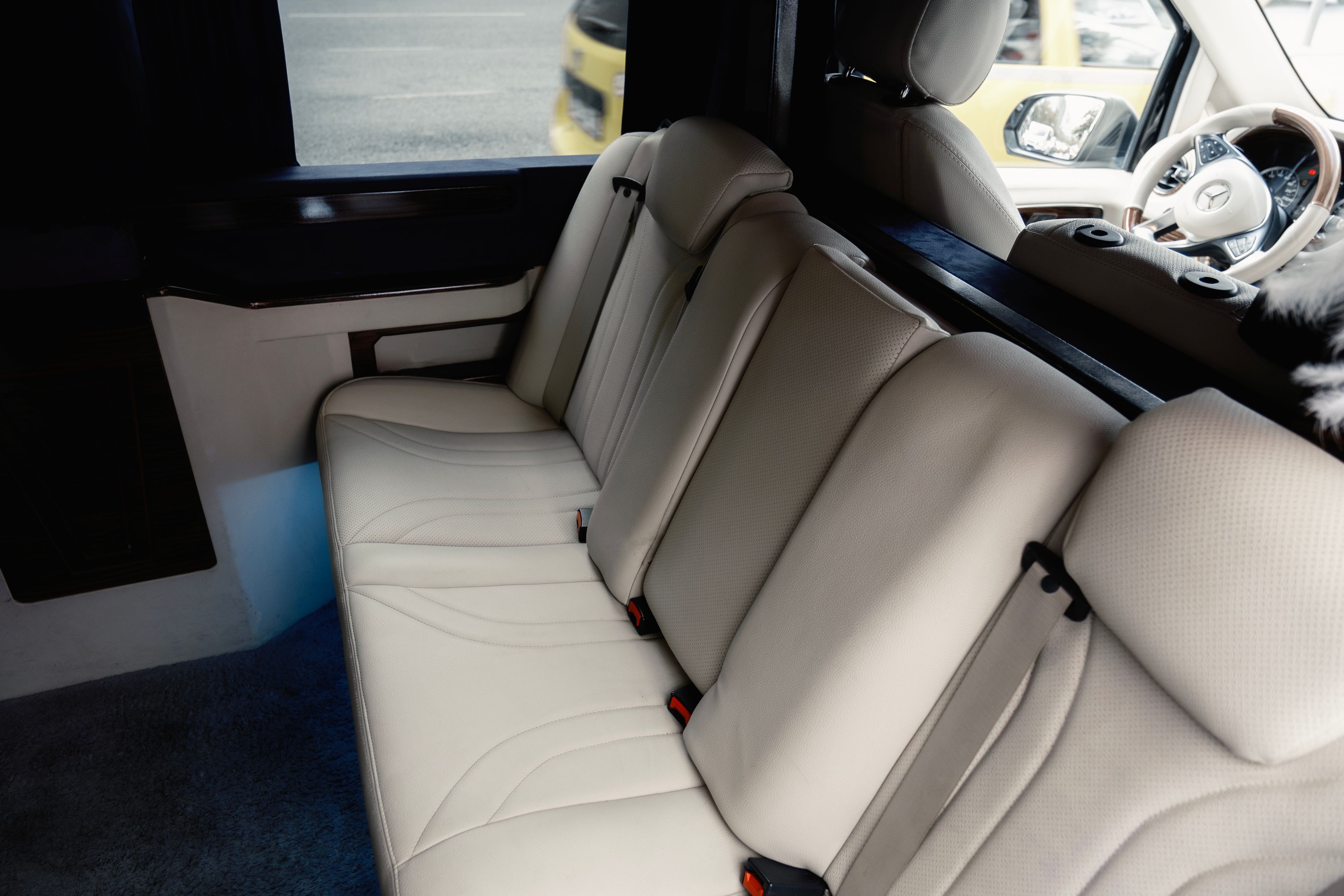










Booking travel for somebody else carries a particular kind of anxiety. You are responsible for an arrangement you cannot see, for a person who may be tired, unfamiliar with the country, or simply not the sort to complain if something goes wrong. The impulse to over-explain every detail is entirely rational and, handled properly, entirely unnecessary.
Third-party bookings are ordinary work: guests arriving for weddings, clients collected from terminals, parents brought to a family gathering, colleagues moved between offices. What matters is which details actually change the outcome, and who is told what while the day is running. Both are more straightforward than they first appear.
What we need to do it well
The passenger's name is essential, since it goes on the board and on the chauffeur's job sheet. A mobile number for them on the day matters almost as much, because a collection where the only working line runs back through you adds a link to the chain at precisely the moment nobody wants one. If they do not have a working phone in the country, say so and the arrangement is built around that instead.
Beyond that, the useful details are the ones the passenger would have given us themselves. Where they are actually coming from. How much luggage. Whether they speak English comfortably. Whether anybody in the party needs help with a step or a heavy case. None of it is intrusive, and each answer removes a small opportunity for the collection to go awry.
- The passenger's full name as it should appear on the name board
- A mobile number reachable on the day of travel
- Flight number and terminal, where they are arriving by air
- Passenger and luggage counts, so the vehicle class is right
- Any mobility, language or assistance needs worth knowing
- Whether you want them to hold your details or only ours
How the passenger is identified
For an arrival, the chauffeur waits in the arrivals hall with a name board, which by default carries the passenger's name. If the booking is sensitive, that board can show a company name, a set of initials or an agreed word instead, and the passenger is told beforehand what to look for. Discretion is easier to arrange than to retrofit, so decide at the booking stage.
Away from airports, the chauffeur is at the address at the agreed time and will message the passenger on arrival. Where the pickup is a large building, a hotel lobby or a venue with several entrances, naming the specific door in advance is worth more than any amount of phone contact afterwards. Tell us which one and both parties know where to stand.

Who is kept informed
By default you are, because you made the arrangement. Confirmations, any change to the vehicle, and word once the passenger is safely collected all come back to you on WhatsApp. Many clients booking for guests or elderly relatives ask specifically for that final message, and it is a small thing that removes an evening of wondering. Say so when you book and it is noted on the job sheet.
If you would rather we dealt with the passenger directly, say so and we will. Some bookings work better that way, particularly where the passenger is arranging their own onward day and you would rather not sit in the middle of it. Either arrangement is fine; what does not work is neither party being sure who to contact when something shifts.