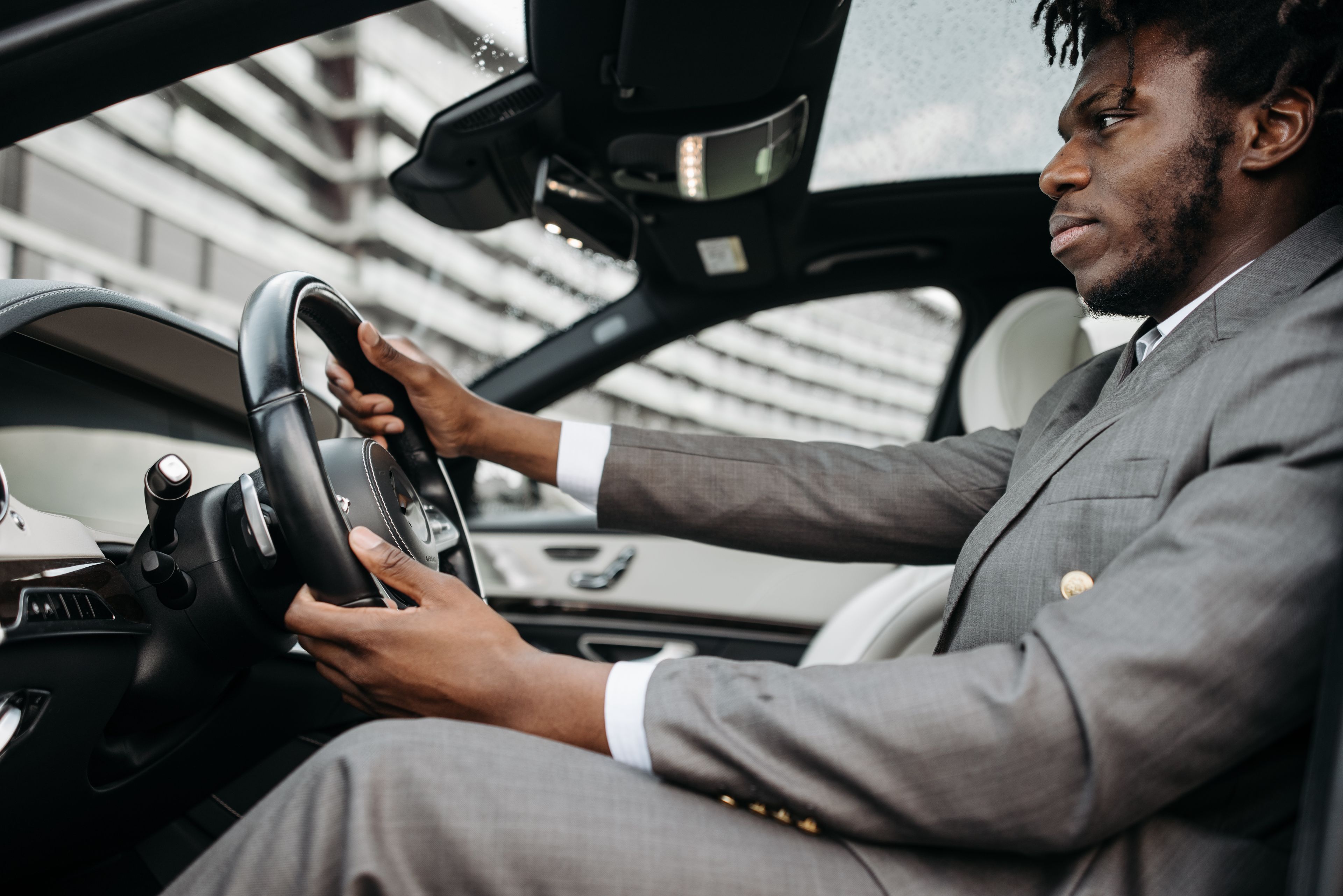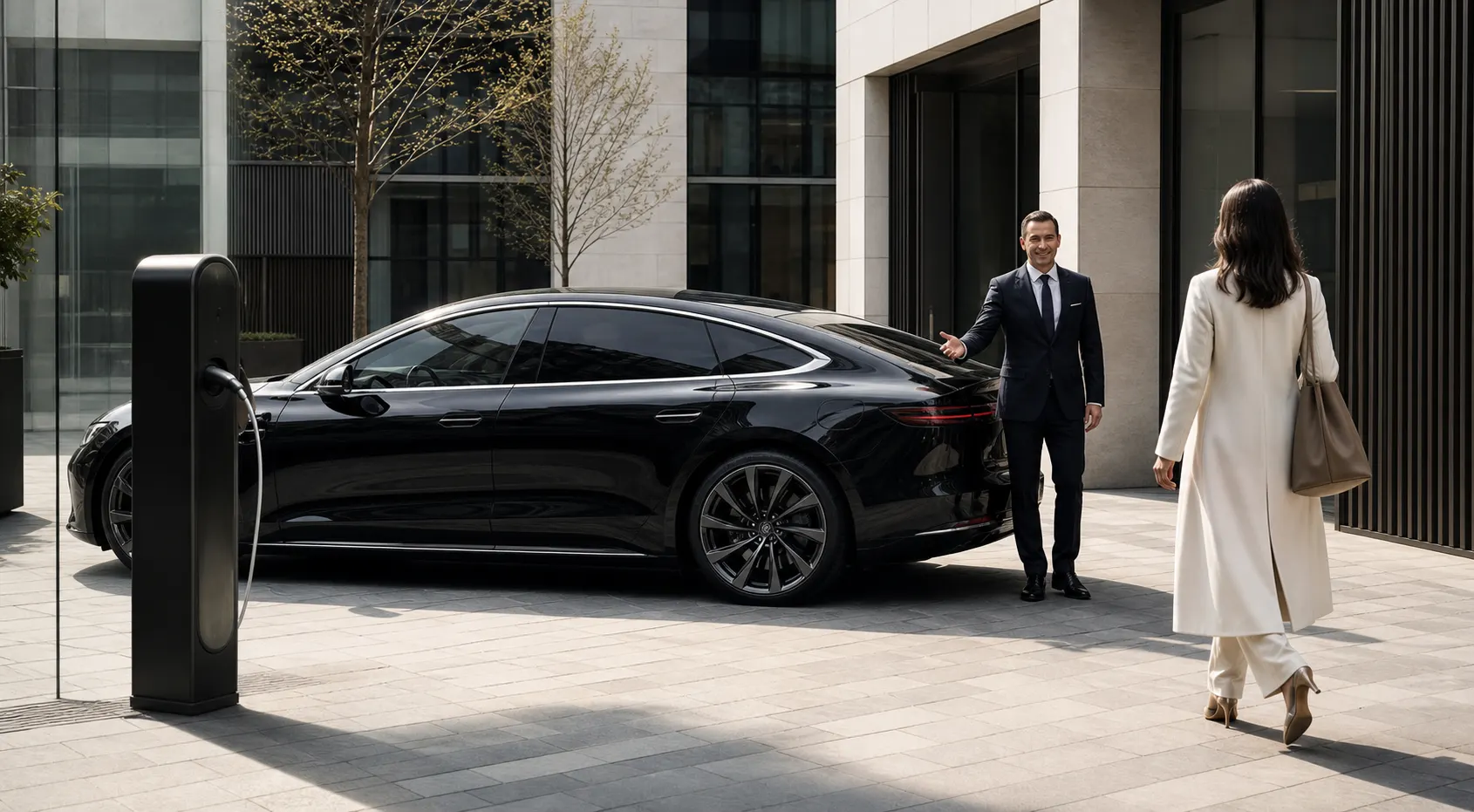

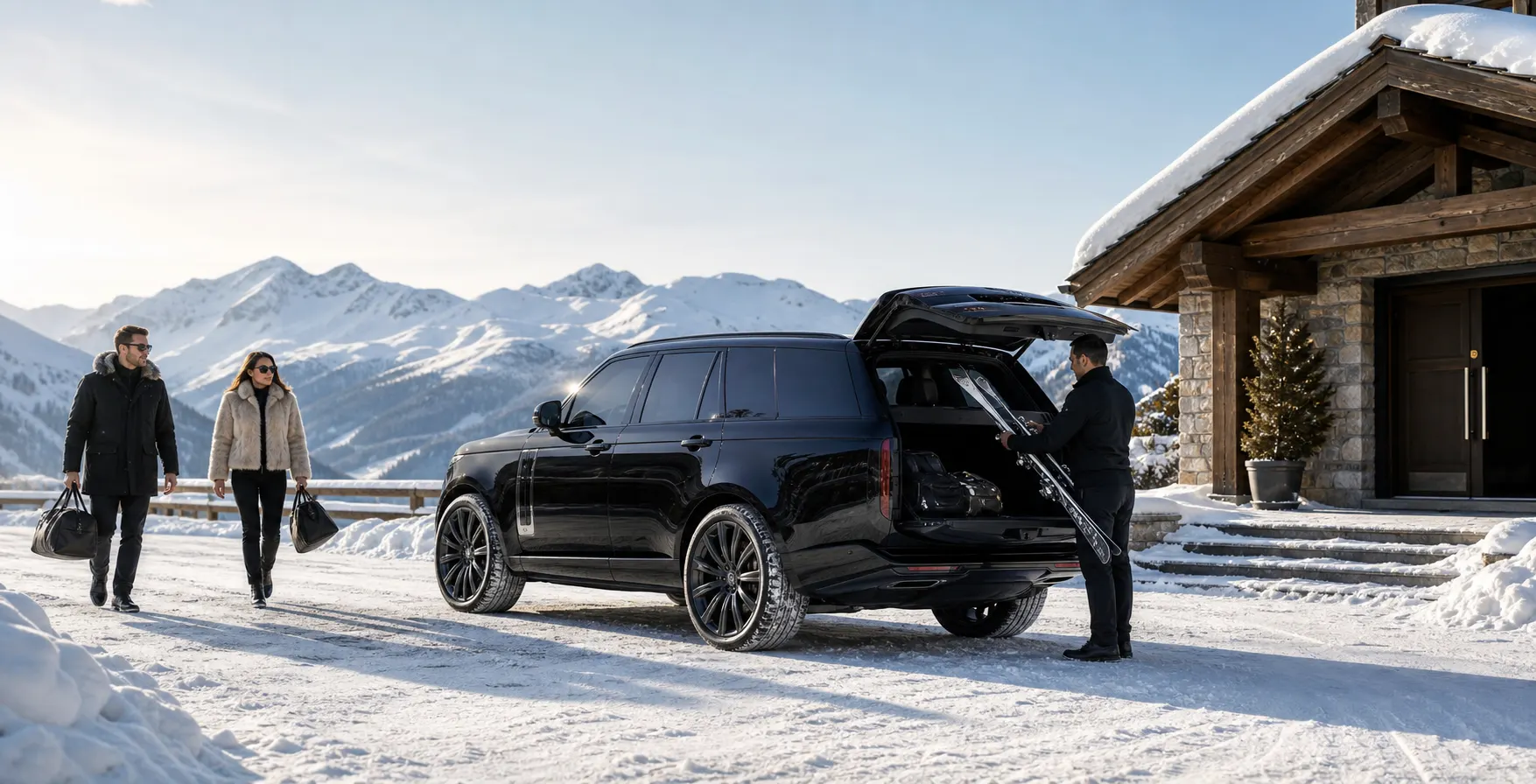

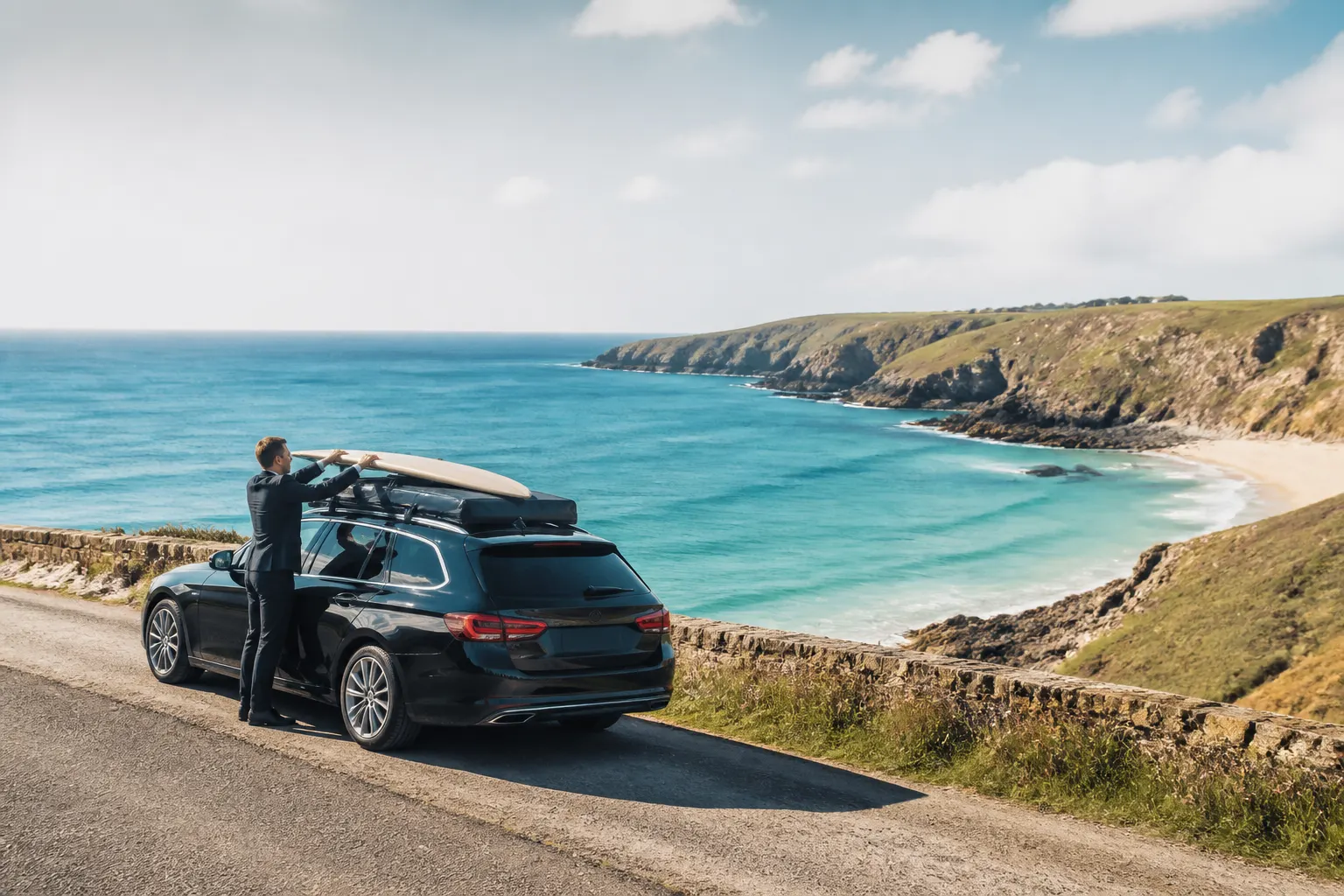

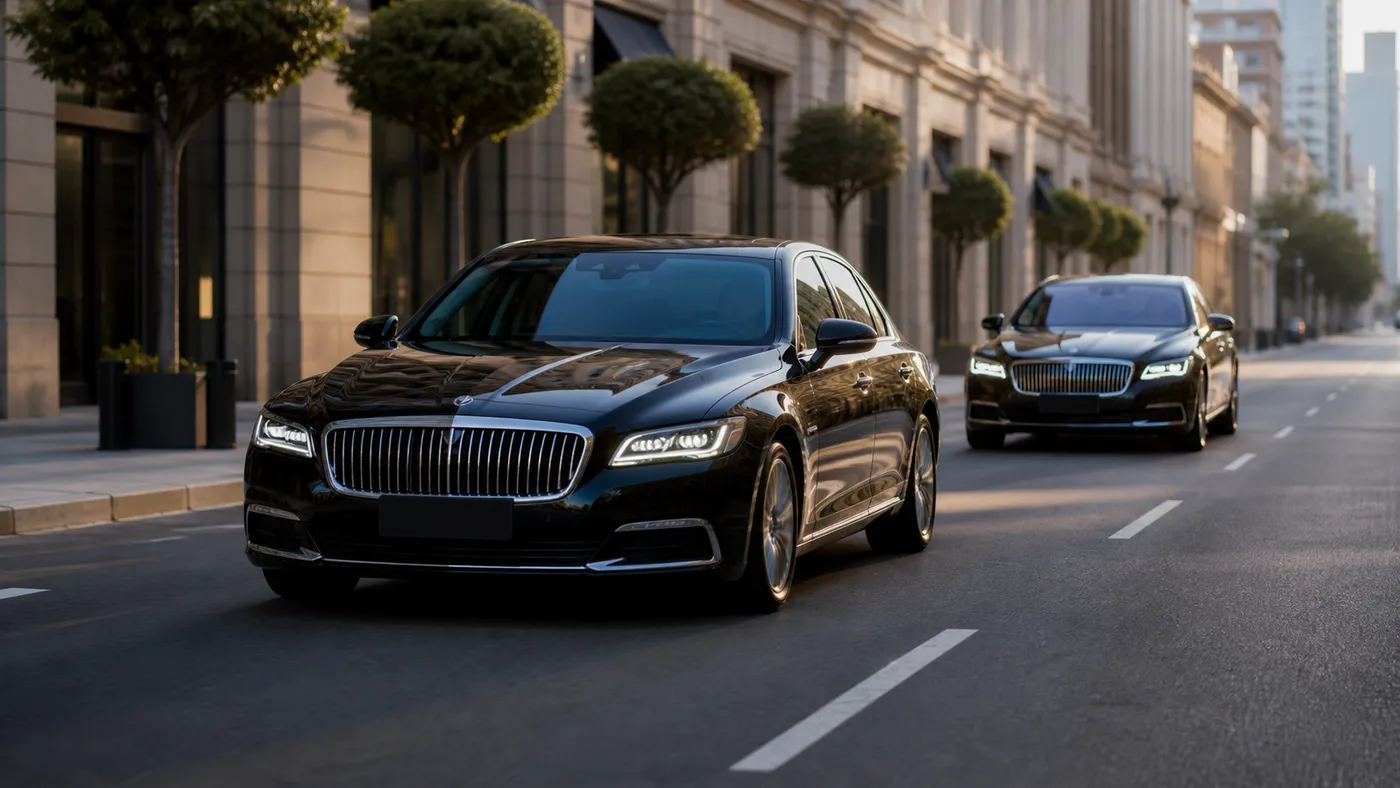


These two cars are requested more often than anything else we are asked about, usually by someone who has already decided and is looking for agreement. It is worth slowing down for a moment. Beyond a badge that turns heads they share almost nothing: one is a tall four-wheel-drive estate with an exceptional interior, the other a long, rear-hinged saloon engineered around silence.
What follows is written for the person sitting behind rather than the person choosing the photograph. It covers rear room, how much luggage each will genuinely swallow, what the ride is like over London speed cushions and over four hours of motorway, and the several ordinary situations in which the less expensive of the two is not a compromise at all but the correct answer.
Two cars built for different jobs
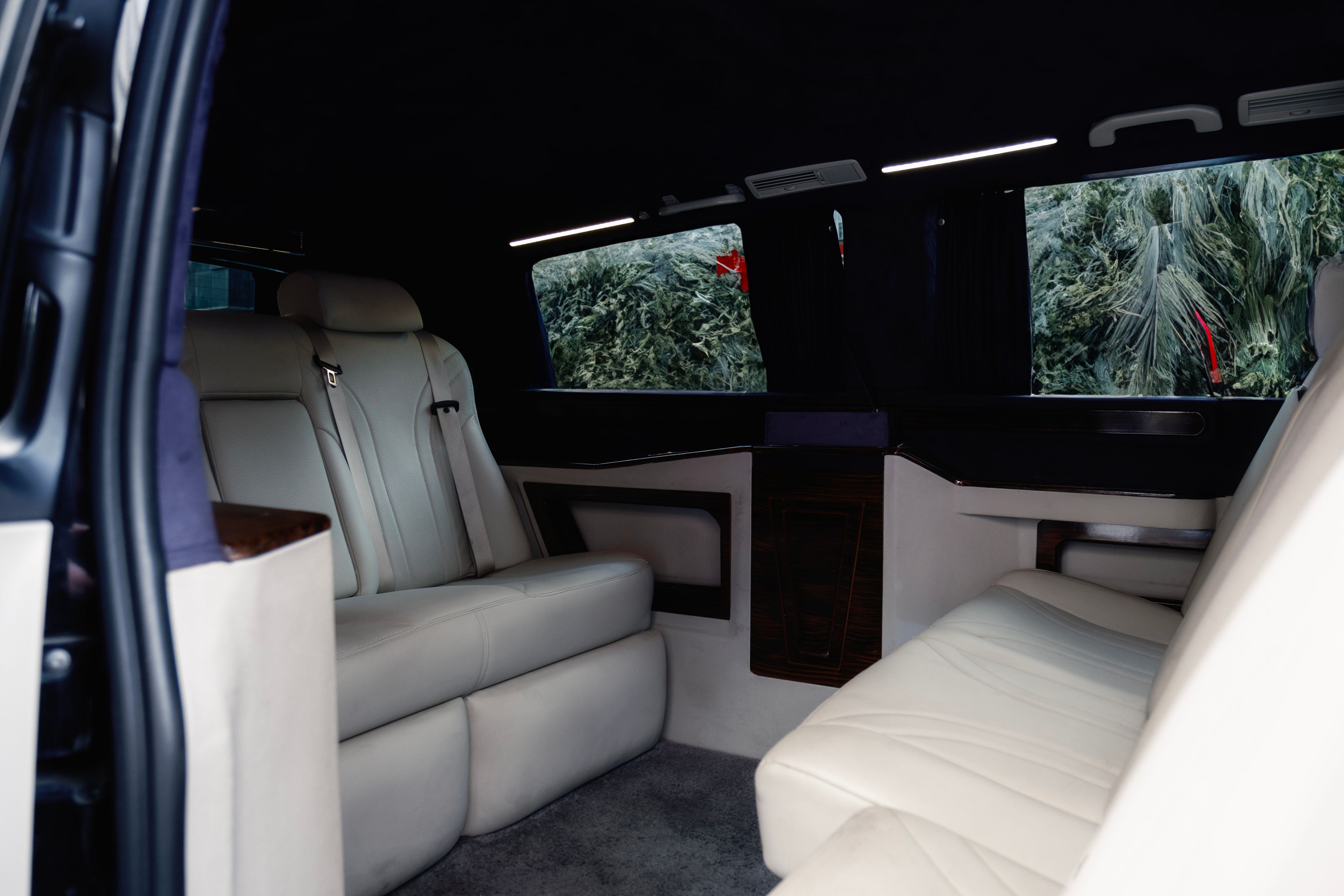
The Ghost exists to make the rear compartment quiet. Almost every engineering decision follows from that: heavy glass, an enormously stiff structure, a suspension tuned to erase surfaces rather than report them, and a cabin laid out so the person behind never touches anything they were not meant to touch. It is a car in which four hours pass without effort and in which conversation happens at library volume.
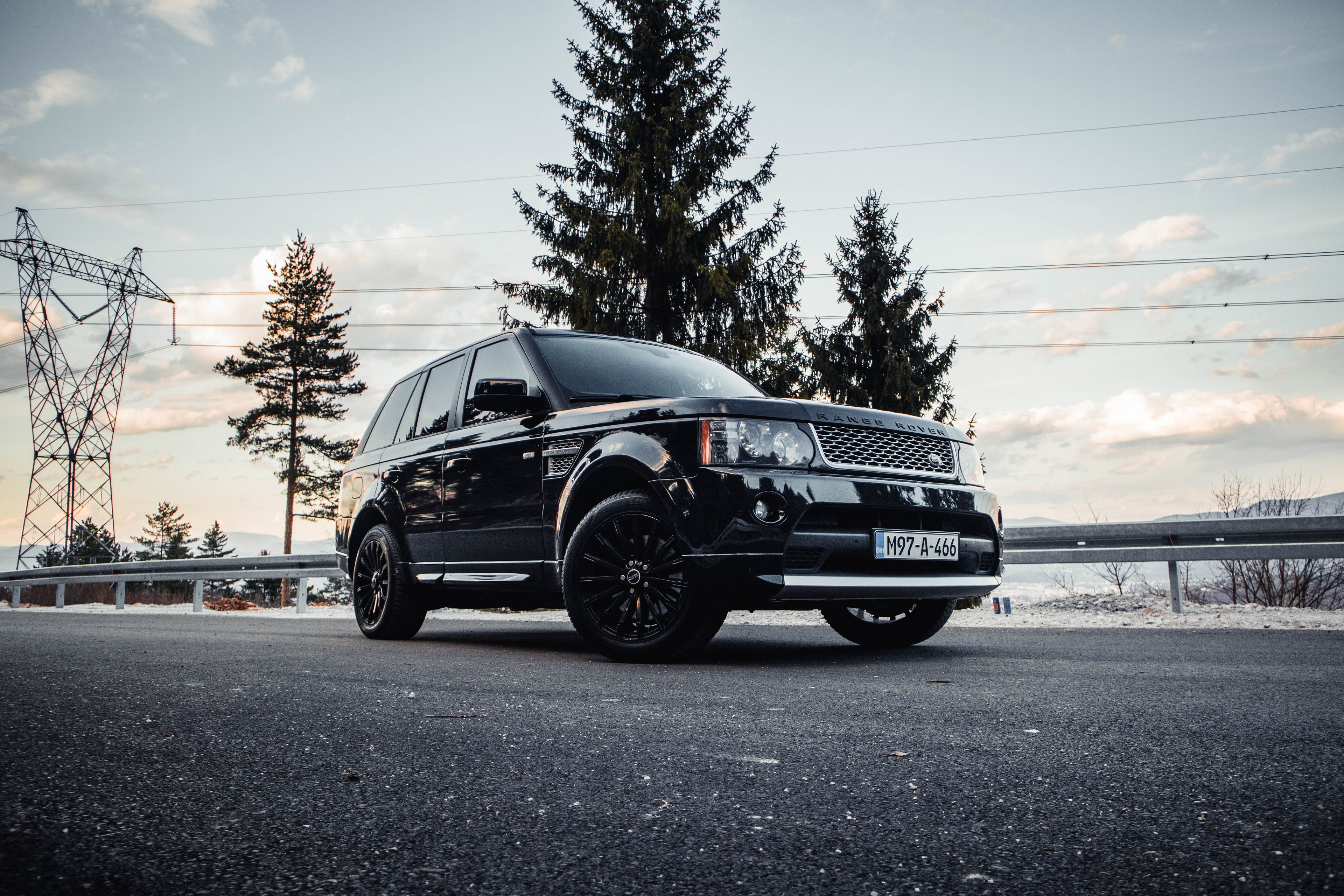
The Range Rover Autobiography starts somewhere else entirely. It is a working vehicle refined until it became a luxury one, and the traces of that origin are exactly what make it useful. It sits high, drives all four wheels, carries a great deal, copes with a flooded lane or an unmade drive, and puts your eyes above the traffic. Those are practical virtues rather than ceremonial ones, and on most days they matter more.
Rear space, and getting in and out
Legroom in both is generous, and in extended-wheelbase examples of either it becomes close to absurd. The meaningful difference is height. The Range Rover seats you upright with your feet flat and your knees below your hips, which most people find easier to hold for a long stretch and dramatically easier to leave. The Ghost seats you lower and more reclined, cradled rather than perched.
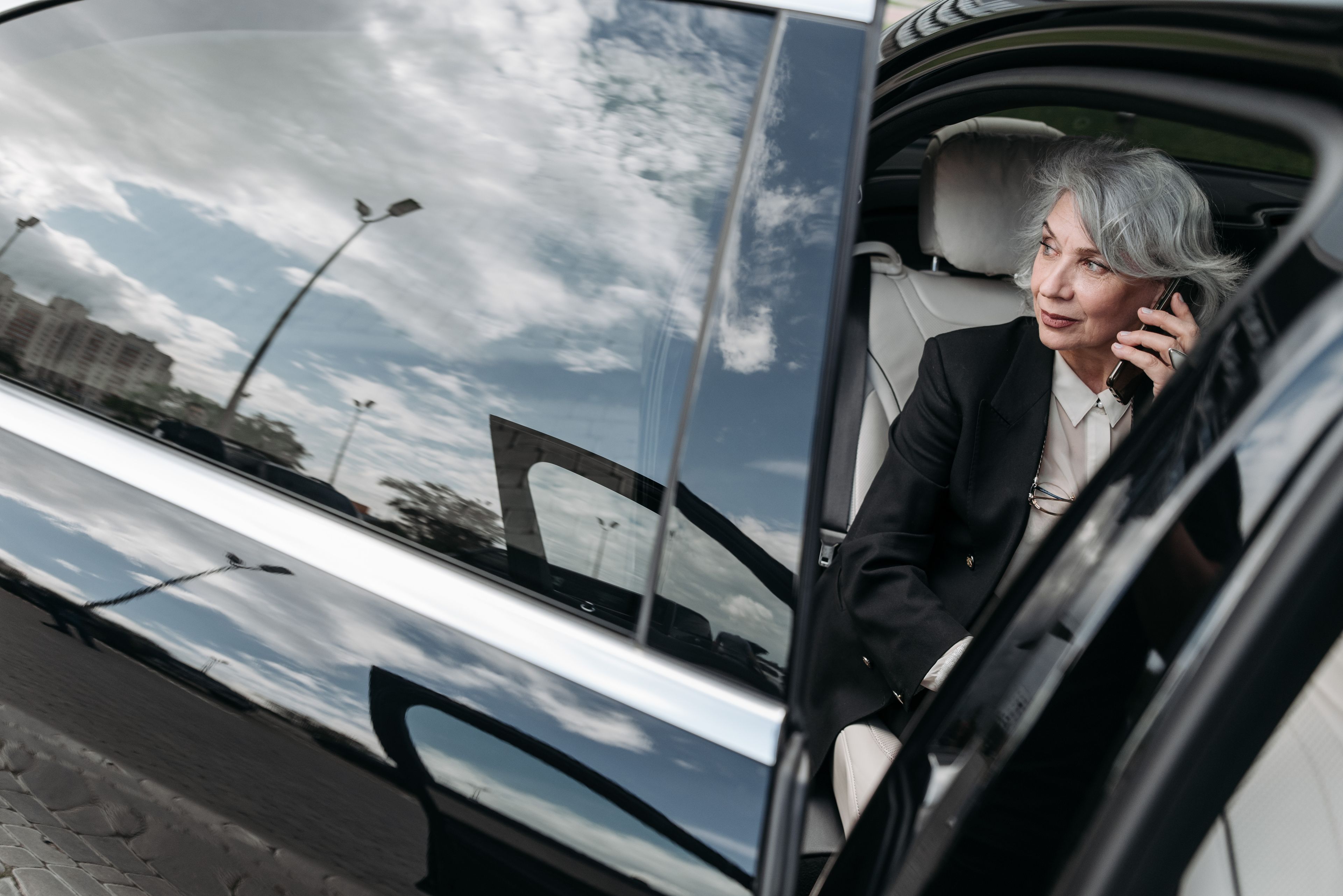
Access divides opinion sharply. Coach doors that open backwards give the Ghost an unobstructed aperture, which is why it photographs so well and why long dresses and morning coats work around it. But it is still a low seat, and a passenger with stiff hips or a recent operation may struggle to rise from it. The Range Rover lowers itself on its air springs to shorten the step, then rises again, and for many older passengers that is decisive.
Luggage: what each will actually take
This is where the comparison stops being a matter of taste. The Range Rover has a deep, square load bay with a split tailgate, and it will take four large suitcases with room for coats and a hat box on top. Loading is at waist height, which spares the chauffeur and spares the paintwork. Nothing needs to be wedged and nothing needs to travel in the cabin.
The Ghost has a proper saloon boot, well finished and usefully shaped, but it is a saloon boot. Two large cases and a pair of cabin bags is a comfortable load; four large cases is not. If you are a family of four flying long-haul with everything you own, the answer is not to book the more impressive car and hope. It is to book the one with the bigger opening, or to send a second vehicle.
Side by side on the things that matter
Stripped of romance, the choice usually resolves against six or seven practical points. Read them in the order that matches your day rather than the order they are printed.
- Quietness at speed: the Ghost, by a clear and audible margin
- Luggage for four people with checked bags: the Range Rover, comfortably
- Poor surfaces, gravel drives and winter weather: the Range Rover
- Photographs and formal arrivals: the Ghost, and it is not close
- Ease of entry for a passenger with limited mobility: the Range Rover
- Blending into a residential street or an office forecourt: the Range Rover
- Four hours of motorway with work to do: the Ghost, marginally
When the Range Rover is the better car
For airport work it usually wins outright. The cases go in without negotiation, the seat height suits tired travellers at five in the morning, and the car looks entirely ordinary at a busy terminal forecourt, which is precisely what most people want at that hour. Nobody has ever wished their airport car were more conspicuous.
It wins again anywhere the last stretch of road is imperfect. Country house hotels, shoots, farm weddings, estates with long gravel approaches and rural lanes after heavy rain are all territory where a low saloon is a liability and its passenger spends the drive listening for the underside. A Ghost can be taken to these places carefully. A Range Rover is simply taken to them.
And it wins on discretion. If your day involves arriving somewhere you would rather not be photographed arriving, or collecting a client whose taste runs to understatement, the quieter choice is the tall dark estate that half the county already drives. Booking the grandest car available is not the same as booking the right one, and we would rather say so before the quotation than after the journey.
Choosing, and what we can promise
The Ghost is the answer when the car forms part of the occasion: weddings, milestone birthdays, an anniversary dinner, a premiere, a first meeting where the arrival is doing some of the work for you. In those settings its presence is the point, and a more sensible vehicle would be a false economy. Outside them its advantage narrows to refinement alone, which is real but rarely worth the difference on a Tuesday.
Cars come from our own fleet and from a vetted network of professional chauffeur operators, so we describe a class of vehicle rather than promise a registration. Model year, paint colour and interior specification are subject to availability and confirmed when you book. Send the date and the shape of the day on WhatsApp or by email, and we will tell you plainly which of the two suits it, including when the answer is neither.