




Britain has an unusually good intercity railway and an unusually congested road network, which ought to settle the argument before it starts. It does not, because a train journey is measured station to station while a life is lived door to door. The gap between those two measurements is where the whole comparison lives, and it varies enormously depending on where you start and where you finish.
The aim here is to make that gap visible. What follows counts the parts of a rail journey that timetables leave out, weighs them honestly against several hours in a car, and is clear about the corridors where nothing on a road will ever compete with the fast line. On plenty of British routes the train is simply the better journey, and knowing which ones is more useful than any sales argument.
Two clocks: journey time and door-to-door time
A fast service between two major cities is remarkable, and on the trunk routes nothing driven can match it. But the timetable begins when the train leaves and ends when it arrives, whereas your day begins at a front door and ends at a meeting room. Getting to the station, arriving early enough to be safe, walking the platform, then finding onward transport at the far end can quietly add an hour and a half to a journey advertised as two.
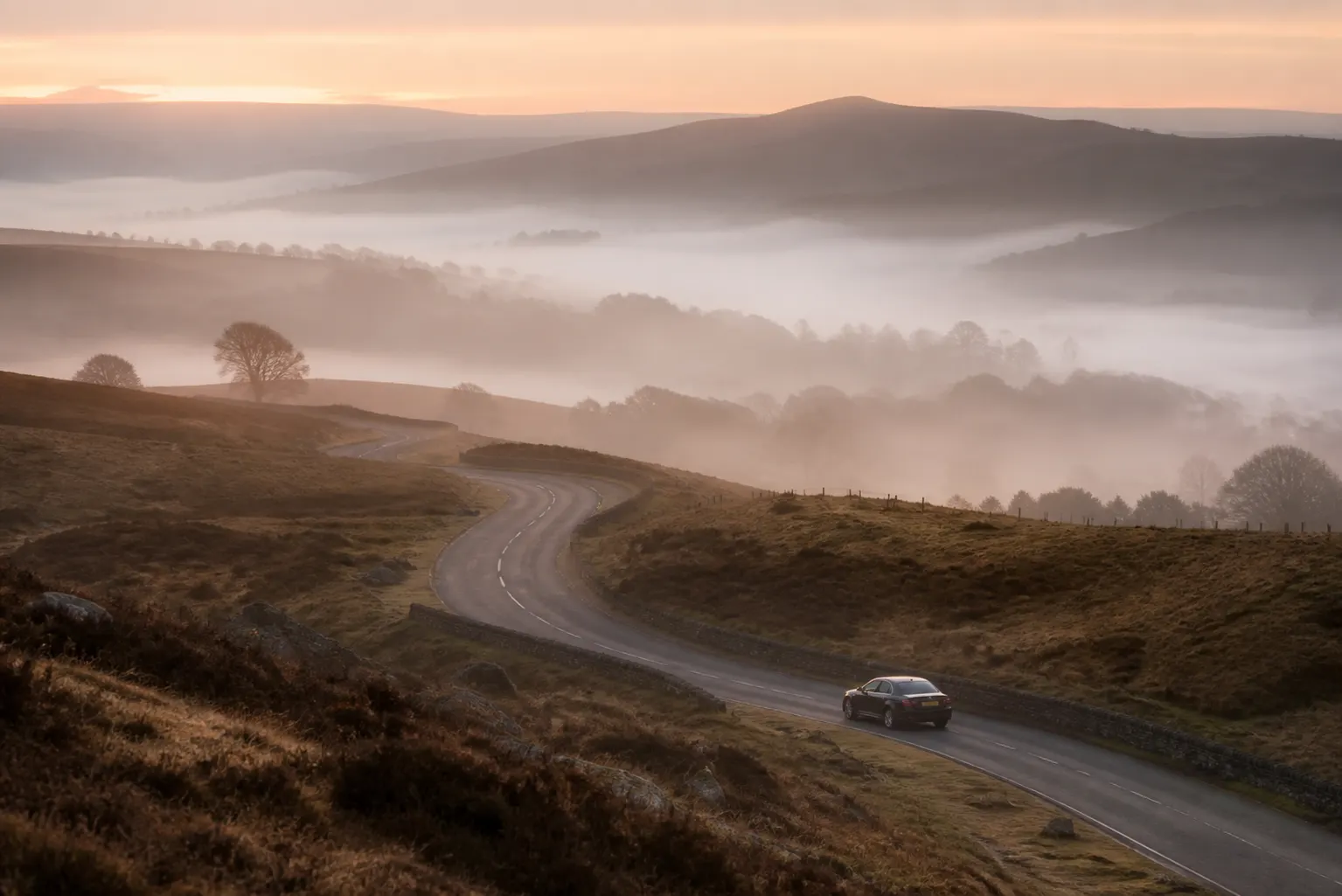
A car journey has almost no overhead at either end. It starts on your doorstep at the minute you choose and finishes at the entrance of the building you are going to. The driving time is longer, sometimes much longer, but nothing is added to it. On a route where the rail advantage is under an hour, the door-to-door totals often come out closer than anybody expects.
Luggage, changes and the last mile
Luggage is where rail becomes tiring rather than merely slower. Cases must be lifted onto the train, stowed in a rack that may already be full, watched, and lifted off again, sometimes at a change with a short connection. For one small bag this is nothing. For two large suitcases, a suit carrier and a laptop, it shapes the entire day, and it is much harder if you are travelling with children or with anyone unsteady on their feet.
The last mile is the other quiet cost. Arriving at a city-centre station is only useful if your destination is in the city centre. A business park on the ring road, a hotel in the suburbs, a village twenty minutes out, a country house hotel: all of these turn a clean rail journey into a rail journey plus a scramble for onward transport at an hour when the rank may be empty.
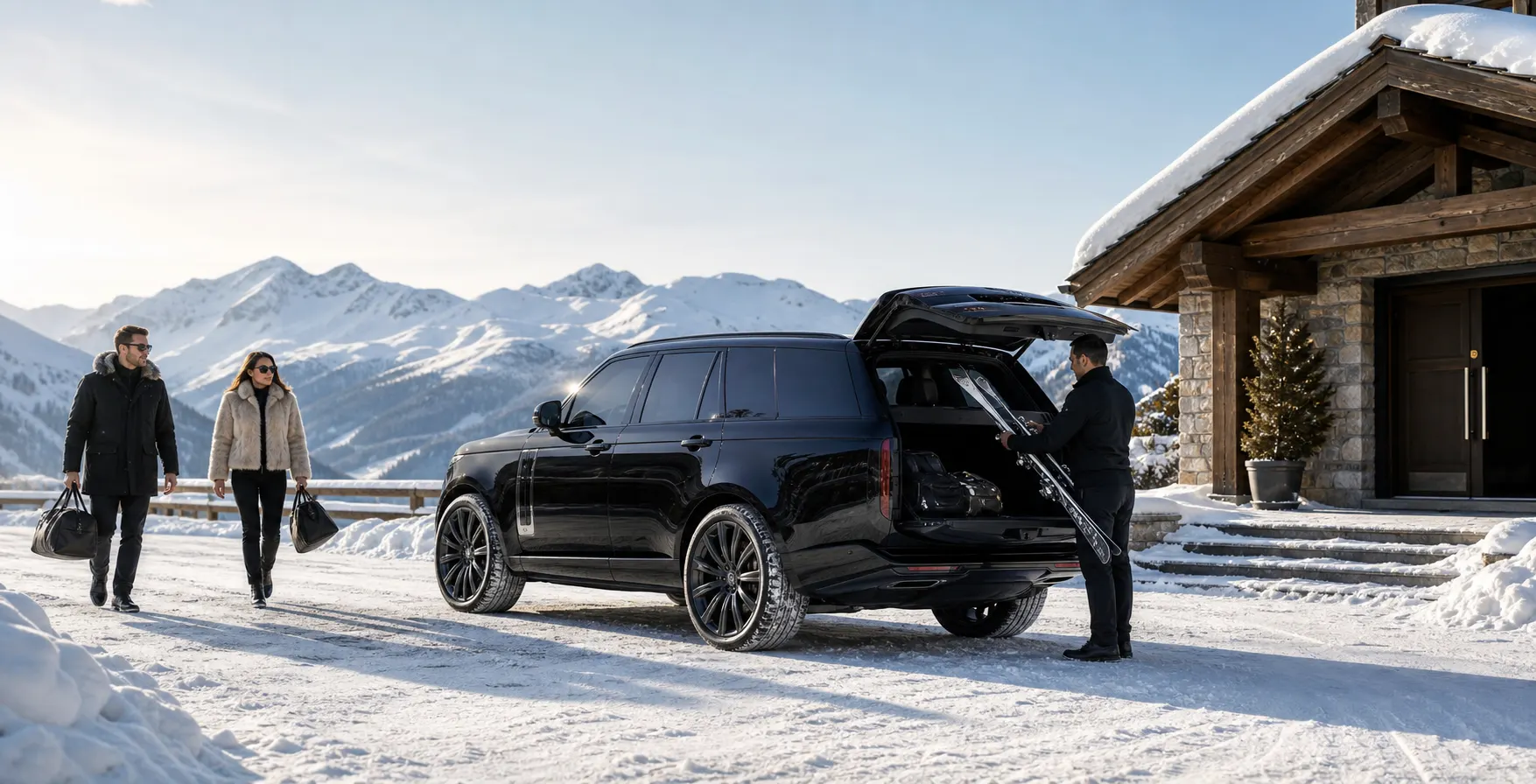
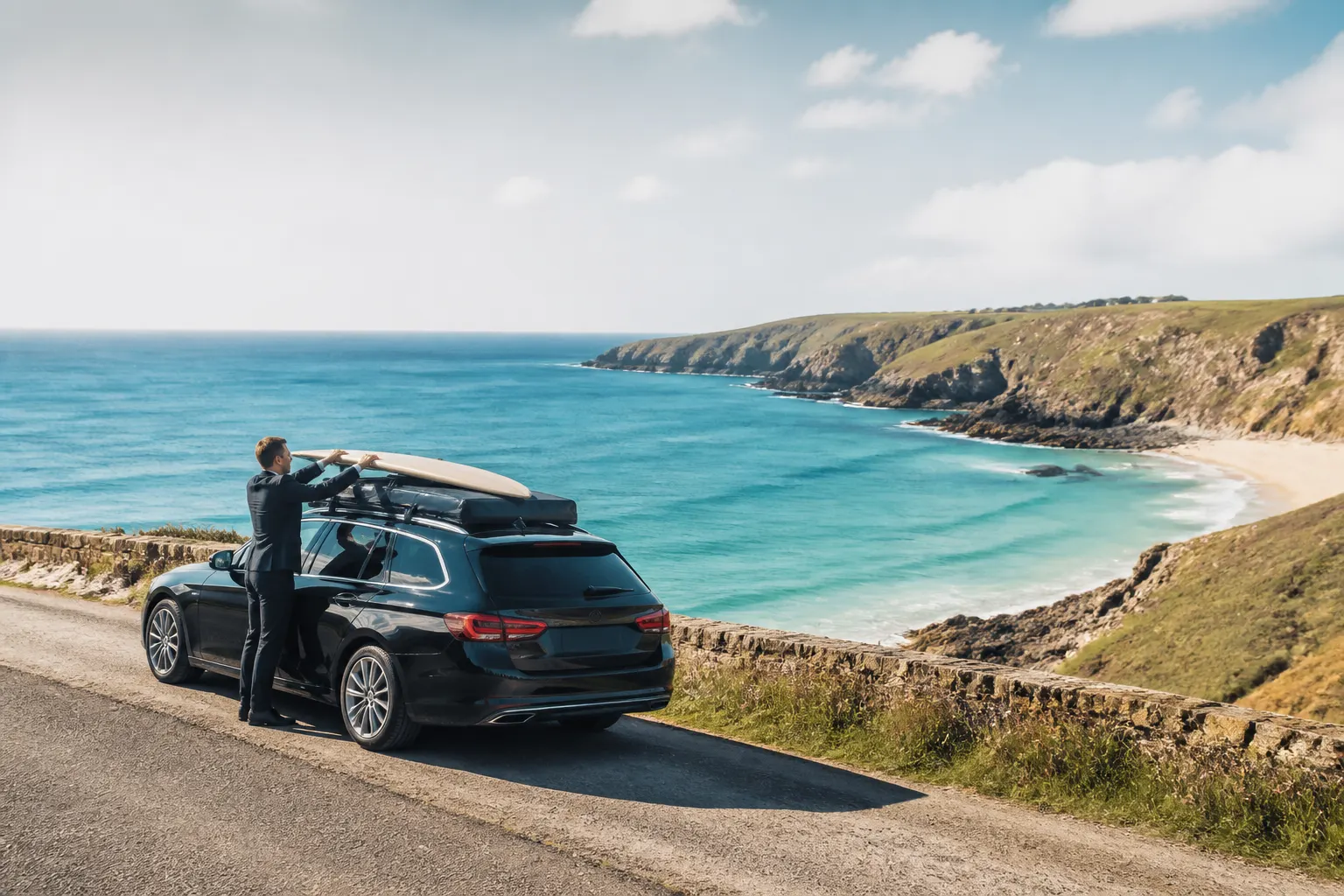
In a car, luggage is loaded once and unloaded once, by somebody else, and it stays in the boot in between. Nobody carries anything up a staircase and nothing has to be watched. That single difference is why so many people who prefer trains in principle book a car whenever they are travelling with more than a rucksack. It is not a matter of preference so much as of arms and staircases.
Reliability, disruption and control
Both modes fail, and it is only fair to say that they fail differently. Roads suffer congestion, incidents and weather, and a closed motorway with no parallel route can cost an hour and a half with no warning. Rail suffers cancellations, signalling faults, staff shortages and engineering work, and the effect of those is more binary: the train either runs or it does not.
The recoverability differs too. When a road is blocked, a chauffeur reroutes and you continue, later than planned but continuously. When a service is cancelled, you wait for the next one, and if the next one is full or the connection has gone, the day may simply not be recoverable. Neither risk is negligible. Which one you would rather carry is a genuine question of temperament as well as circumstance.
The comparison in plain terms
Set against each other on the criteria that actually decide a long British journey, the two modes divide fairly predictably. The list below is not a verdict, only a way of finding which column your particular trip sits in. Most journeys reveal themselves within two or three lines, and the ones that do not are usually the mixed journeys described at the end.
- City centre to city centre on a trunk route: the train, decisively
- Door to door with anything off the main line: usually the car
- Two or more large suitcases: the car, without much argument
- Travelling as a family or group of three or four: the car scales better
- Very long distances such as London to the far north: the train
- Rural start or rural finish: the car, since the last mile has no timetable
- Recovering from disruption mid-journey: the car reroutes, the train waits
- Environmental footprint per passenger: the train, comfortably
When the train is the better journey
On the fast intercity corridors it usually is, and we say so regularly. London to Manchester, Leeds, York or Edinburgh, city centre to city centre, travelling light, is a rail journey. A car cannot match those times and would not try. If your meeting is near the station and your bag fits overhead, book the train and enjoy it. There is no clever argument that improves on that.
It also wins for the very long hauls where a road journey stops being sensible. Six or seven hours behind the wheel is a serious undertaking even when somebody else is doing the driving, and the whole day is consumed. Sleeper services on the longest routes are better still, converting the journey into a night rather than a day. There is no version of a car that competes with that arithmetic.
And it wins on environmental grounds, which for many travellers now weighs properly rather than politely. A seat on a busy electrified service is a far lighter way to move a person a long distance than any car, however efficient. If that matters to you, it should carry real weight in the decision, and we would rather acknowledge it than talk around it.
Mixed journeys, and how we plan them
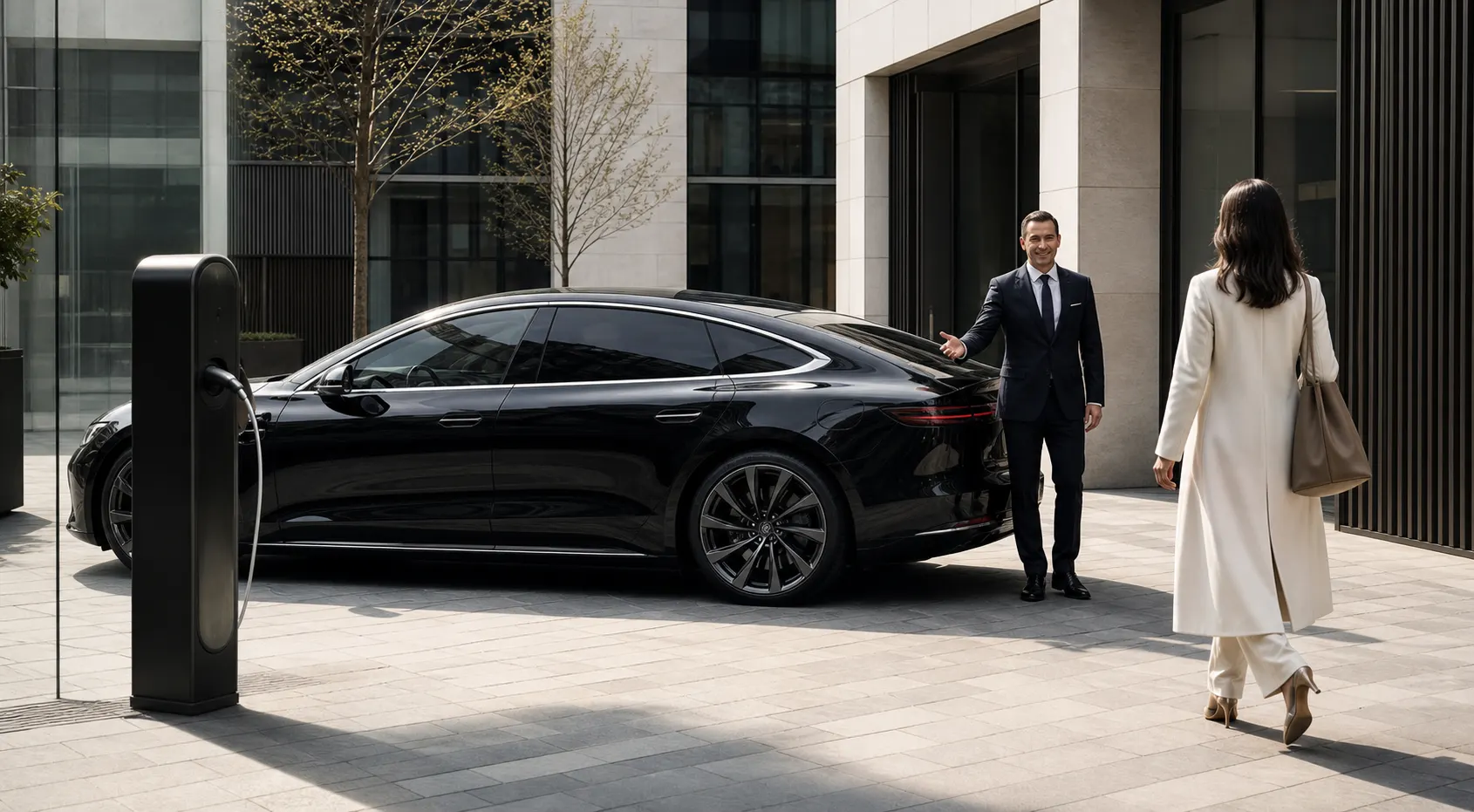
The most efficient answer is frequently a combination, and we arrange a great many of them. Take the fast train for the long leg, then have a car and chauffeur waiting at the station for the awkward part: the business park, the country hotel, the three villages, the return to the platform hours later with everything still in the boot. That uses each mode for what it is good at.
Where a full road journey is the right answer, the planning is built backwards from the fixed point at the far end rather than forwards from your door, with margin sized to the route and the hour rather than applied uniformly. Send the shape of the trip on WhatsApp or by email, including the luggage and the number of passengers, and we will tell you honestly whether it is a car journey, a rail journey, or both.