






Two quite separate trades sell wedding transport, and their websites look similar enough that couples routinely book the wrong one. A wedding car hire specialist supplies a particular car, usually classic or vintage, for a defined ceremonial purpose. A chauffeur service supplies vehicles and professional drivers for whatever movements a day requires, of which the arrival at the church is only one.
The confusion is understandable and the consequences are annoying rather than disastrous. A couple books a beautiful open-top car and then realises nobody has arranged how the grandparents reach the reception, or books a fleet of modern saloons and finds the photographs lack the car they had imagined. Both are avoidable with an hour of thought at the planning stage.
Two trades that meet at the church door
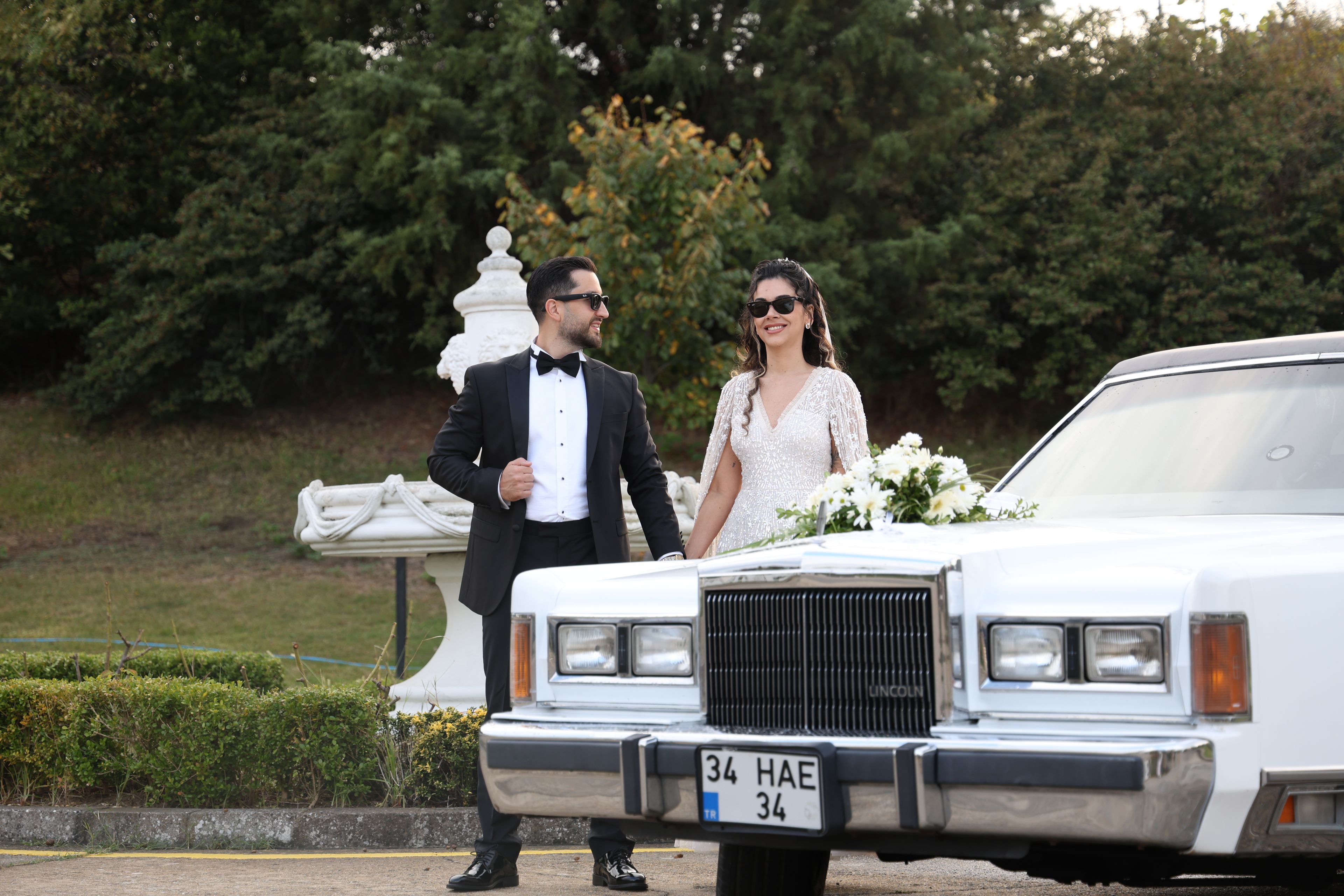
The classic wedding car business is a specialist one, closer to custodianship than to transport. Its operators maintain older vehicles, know their quirks, and hire them out for short, choreographed appearances with ribbons and a driver who has done it hundreds of times. The car is the product, and the journey exists largely so the car can be seen arriving.
A chauffeur service is a transport business. It supplies modern vehicles, professional drivers and the coordination to move a number of people between several addresses on a schedule. The car matters, but so do the six other journeys nobody photographs: the mothers to the church, the bridal party to the venue, the elderly relatives to their hotel, the couple away at the end of the night.
What the day actually asks for
Write out the wedding as a list of movements rather than as an event and the requirement becomes obvious. Most weddings involve considerably more than one journey, and several of them happen while the couple are occupied elsewhere and cannot supervise anything. Those are the movements that go wrong, and they are precisely the ones a ceremonial car booking does not cover.
The evening is the part most often forgotten. Guests who have travelled a distance need to reach hotels, sometimes at intervals across two or three hours, and the couple frequently want a car of their own at the end. A booking that ends when the photographs do leaves all of that to whoever is still sober enough to arrange it, which is not a plan.
There is also the day before and the morning after. Family arriving at stations, a rehearsal dinner, guests departing on the Sunday: none of it is glamorous and all of it is easier arranged in one conversation than in six. Couples who book the whole weekend at once tend to spend less time on the telephone in the fortnight beforehand, which is exactly when telephones become unwelcome.

Reliability, spares and what happens if
Older vehicles need sympathetic treatment and reputable classic operators are candid about it. They will tell you what happens if the car will not start, whether a substitute of similar character is available, and how far they are prepared to drive it in one day. Those questions are worth asking directly, because the honest firms answer them without hesitation and the answer tells you a great deal.
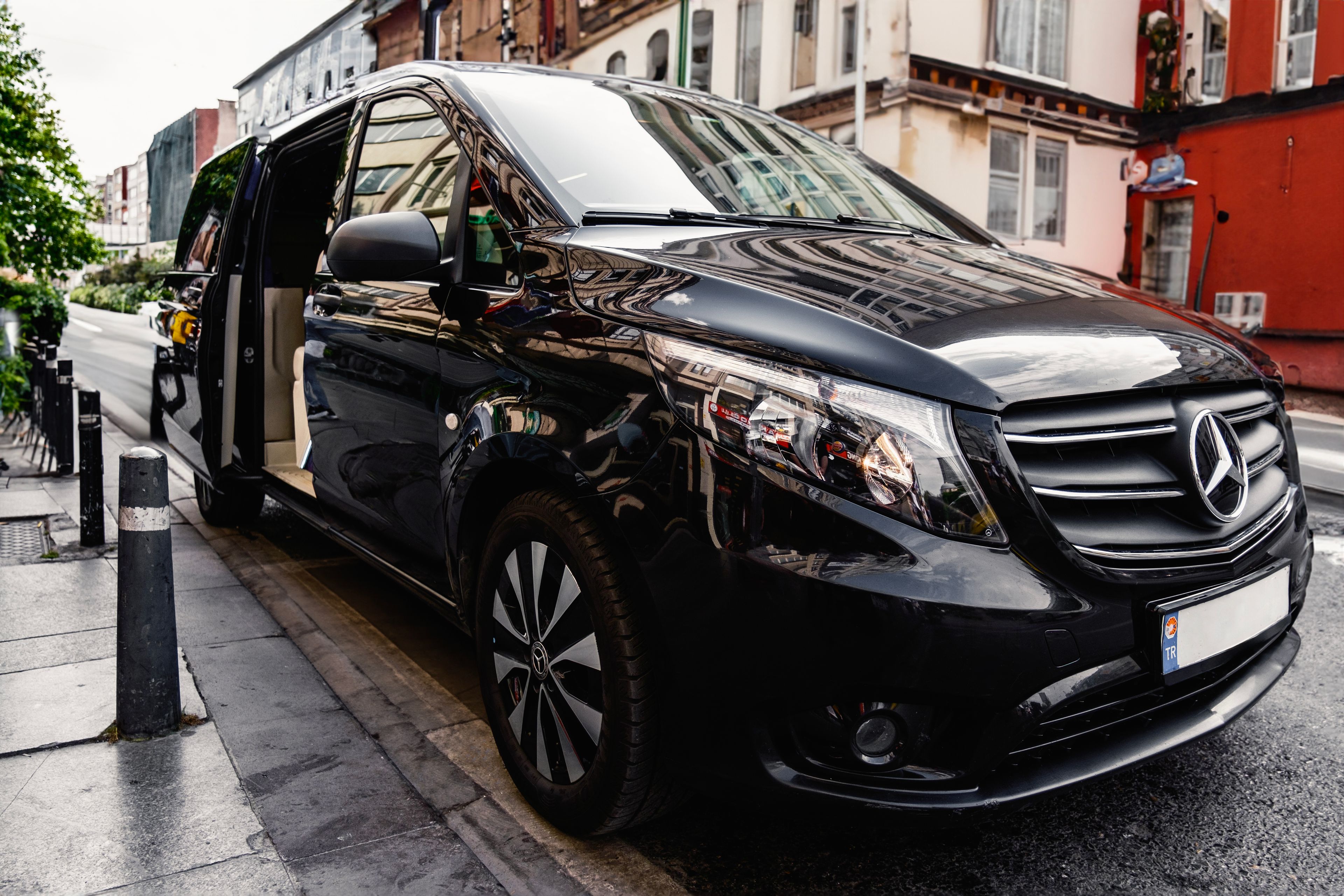
Modern vehicles carry a different risk profile: less charm, more redundancy. A chauffeur operation with access to a wider fleet can replace a car at short notice on a Saturday in June, which is exactly the day on which such things happen. Neither approach is risk-free, and the sensible thing is to know which risk you have chosen rather than to assume there is none.
Side by side
For a couple deciding where to spend the transport budget, this is how the two compare on the things that actually get noticed afterwards. Photographs last for decades and are looked at often. Whether your aunt reached her hotel before midnight is forgotten within a week by everybody except your aunt. Both halves of that deserve planning. The list below sorts out which trade covers which.
Read it as a division of labour rather than as a choice between suppliers. Very few weddings need only one of these two things, and the couples who run into trouble are usually the ones who assumed that booking the beautiful car counted as arranging the transport. It counts as arranging one journey out of eight or nine. The rest are still waiting for somebody.
- A vintage or classic car in the photographs: a wedding car hire specialist
- Moving guests, parents and the bridal party across a whole day: a chauffeur service
- An open-top car for a summer ceremony: a specialist, who will have one
- Late evening transfers to hotels at staggered times: a chauffeur service
- Ribbons, decoration and a car dressed for the occasion: a specialist
- Airport runs for guests before and after the wedding: a chauffeur service
- One car for one ceremonial journey: a specialist, and nothing more is needed
- Rain, running late and a changed schedule: a chauffeur service absorbs it better
When the classic car specialist wins
If the picture in your head involves a car from another era, book the specialist and do not compromise on it. We supply modern luxury vehicles and we do not pretend to offer vintage motor cars, so a couple whose heart is set on a pre-war open tourer or a rounded post-war saloon is better served by a firm that keeps such things and knows them intimately. That is their trade, and they are good at it.
The same holds where the wedding genuinely is one car and one journey. A small ceremony with local guests, a register office fifteen minutes away and a reception in the same building does not need a transport plan. Hiring a lovely car for an hour is the whole requirement, and adding a chauffeur service around it would be arranging solutions to problems the day does not have.
Many couples end up using both, which is usually the right answer for a larger wedding. The specialist provides the car for the ceremony and the photographs; the chauffeur service handles everything that moves before, around and after it. Booking them separately is not a failure of planning, it is simply buying each thing from whoever does it best. Nobody at the wedding will notice the seam.
Planning the transport properly
Whichever route you take, build the schedule backwards from the ceremony time and be generous with the margins. Country venues have narrow lanes, wedding parties are never ready when they say they will be, and photographers ask for one more shot. A plan with slack in it survives a wet morning. A plan built on optimal timings does not survive anything.
When you enquire with us, send the ceremony time, every address involved, the number of guests needing transport and the shape of the evening, including the last movement of the night. Vehicles come from our own cars and a vetted network of professional chauffeur operators, so model, colour and specification are subject to availability and confirmed at booking. WhatsApp or email reaches us, and we will tell you plainly where a specialist would serve you better.