


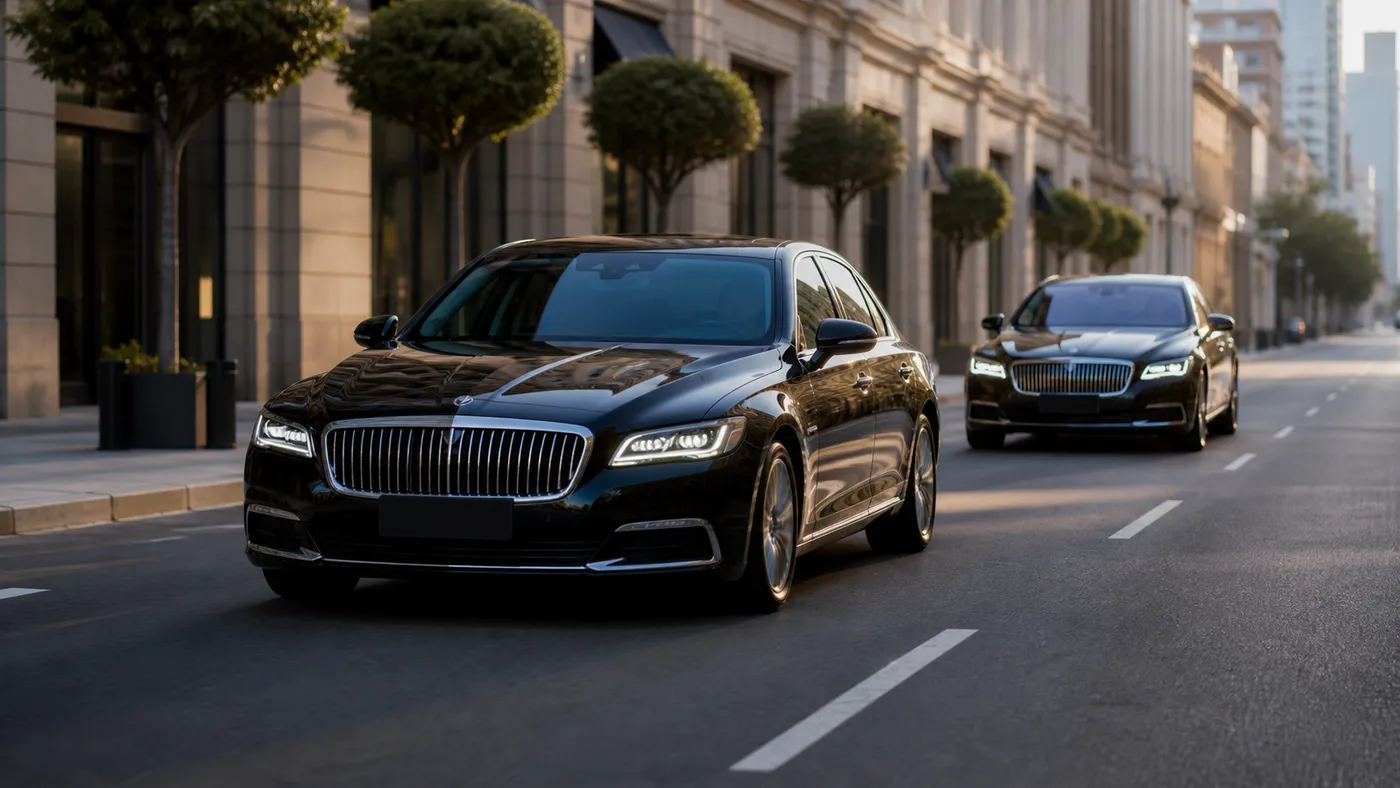

This is a comparison between a car and a more elaborate version of the same car, which makes it unusually easy to be precise about. The Maybach is built on the S-Class, lengthened behind the front doors, given a more expensive interior and a longer list of rear seat equipment. Everything the S-Class does well, it also does; the question is what the additional length and specification are worth on your particular journey.
Because the two are so closely related, the honest answer is often less than clients expect. On a short transfer the difference is barely perceptible from the back seat. On a long journey with a passenger who intends to sleep or work, it is considerable. What follows locates the line between those two cases as precisely as we can.
What the extra length actually goes into
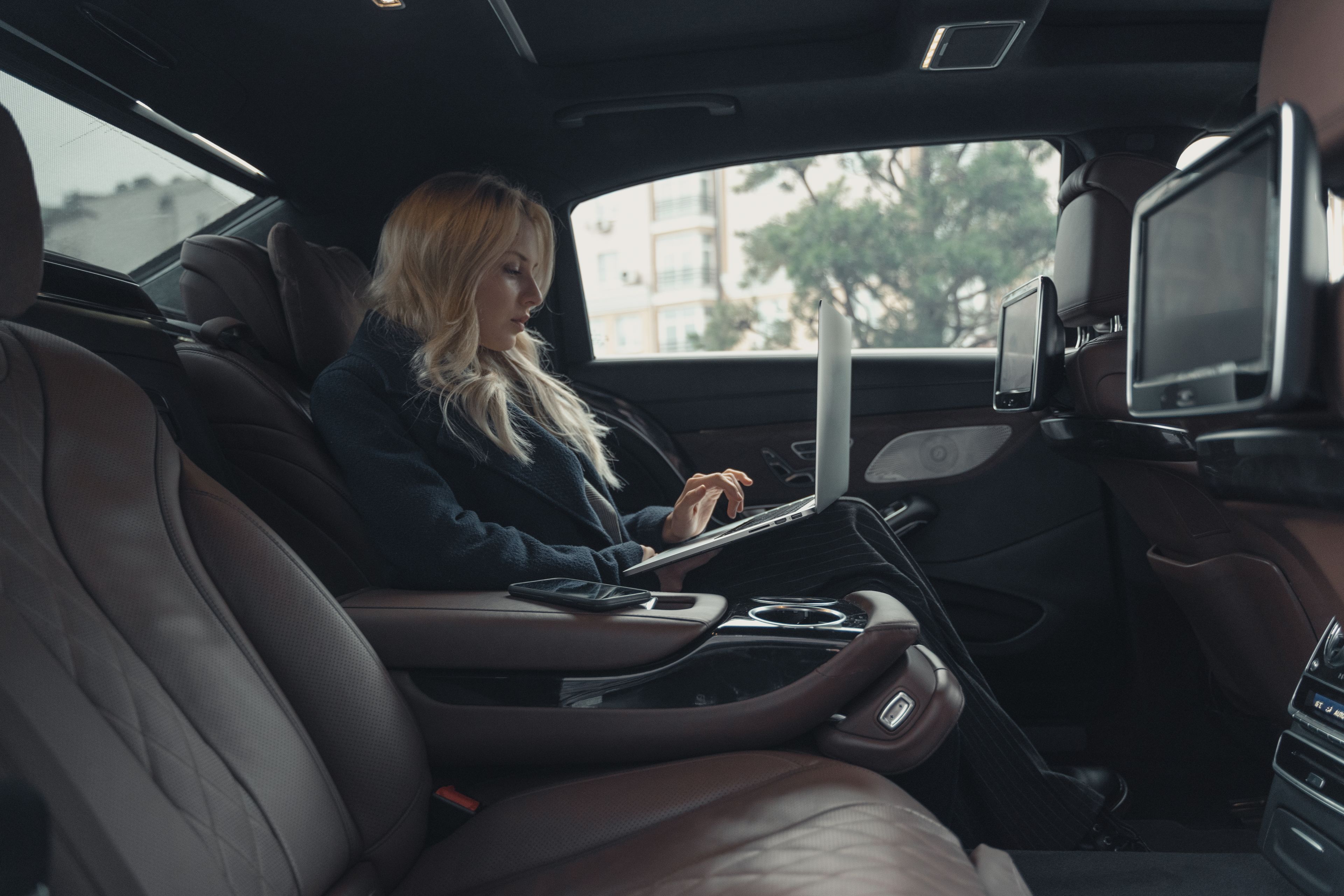
The additional wheelbase sits entirely between the front and rear doors, which means all of it becomes rear legroom rather than boot space. In practical terms the rear compartment gains the room to recline properly, to extend a calf support, and to stretch out in a way the standard car cannot quite manage however generously it is specified. Boot capacity is unchanged, which surprises people.
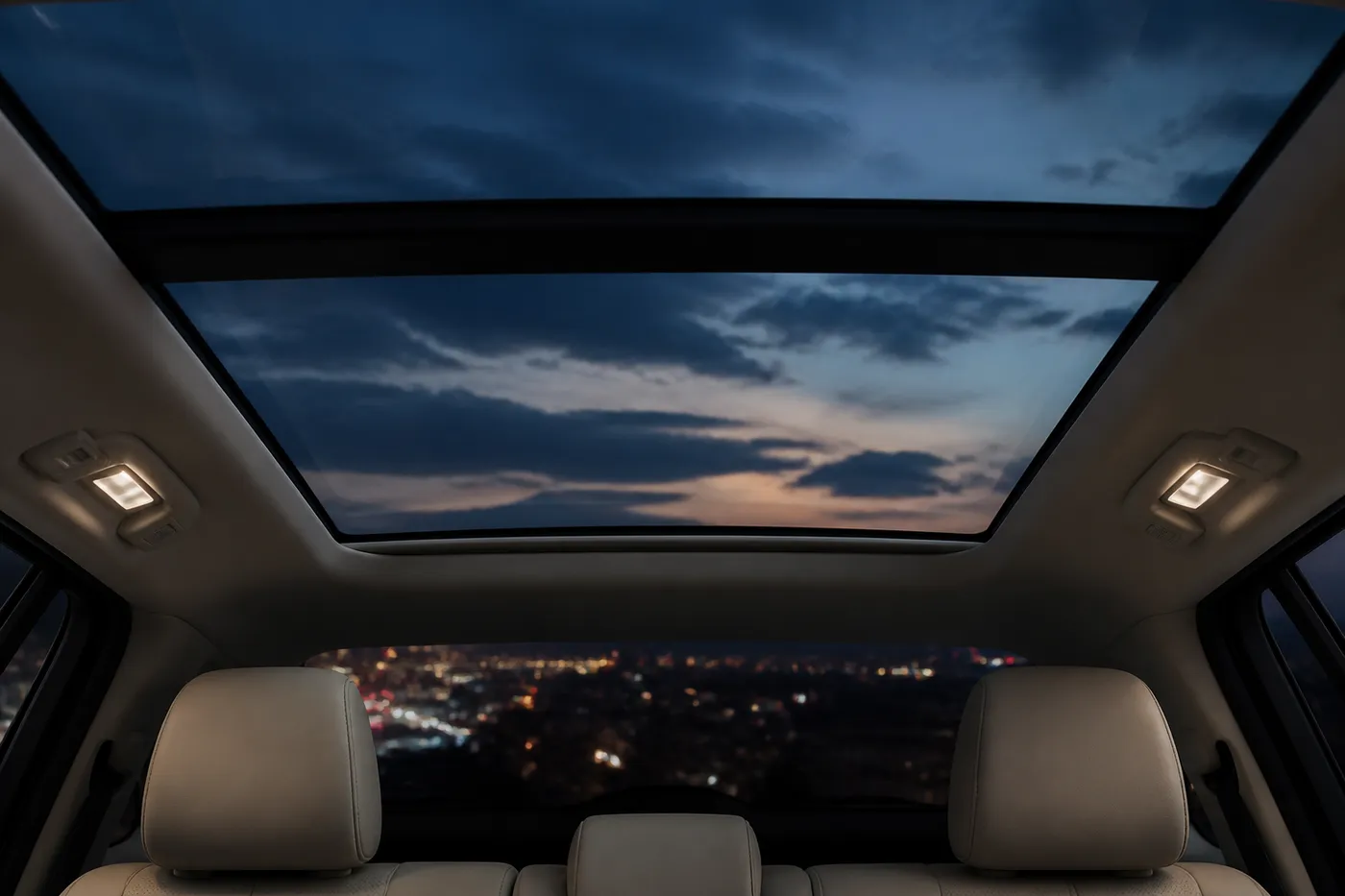
That length also changes the proportions of the cabin. The rear doors are longer, so the aperture is larger and getting in and out is easier, particularly in formal clothing. The rear side windows are longer too, which sounds cosmetic and has the practical effect of making the back of the car feel considerably less enclosed on a long journey.
Specification, and what varies between cars
The Maybach is typically ordered with rear equipment that the standard car may or may not have: reclining outer seats with cushion and backrest adjustment, heating and massage, folding tables, a rear centre console with refrigeration in some cars, and more elaborate audio and climate control. The gap between the two is therefore partly structural and partly a matter of how each individual car was ordered.
This is worth understanding before booking, because a well-specified S-Class can be closer to a Maybach than the badges imply, while a modestly specified Maybach may lack a feature you assumed was automatic. We would rather check what is available for your date than let anybody assume, and clients who ask about a specific feature are asking the right question.
Presence, and how much of it you want
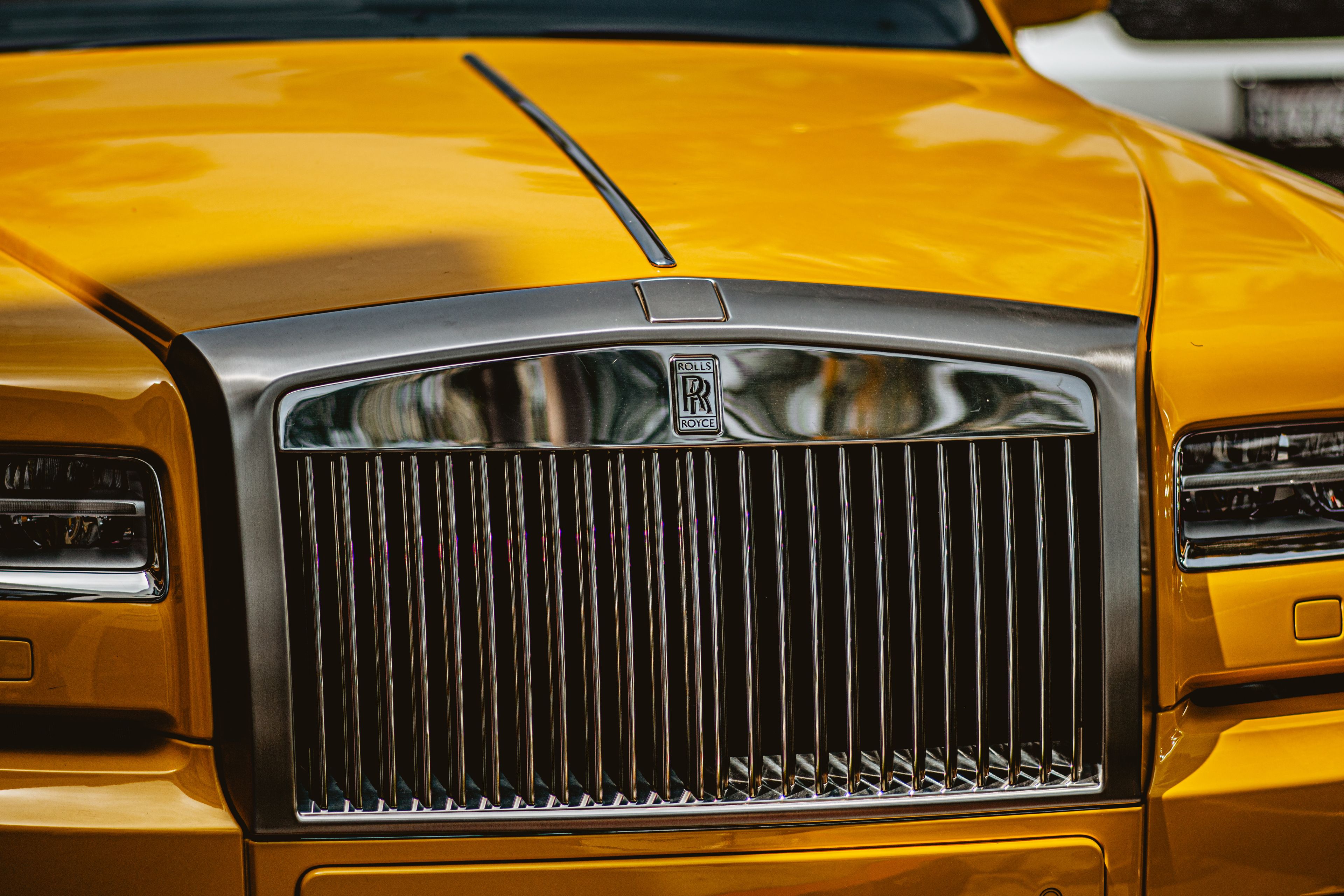
The Maybach carries more weight at an entrance. It is visibly longer, usually finished more elaborately, and to anybody who recognises it, the badge means something specific. For a formal arrival, a first meeting with a client, or an occasion where you would like the car to contribute, that presence does real work. There are occasions where a car is part of what you are communicating, and this is the one to choose for them.
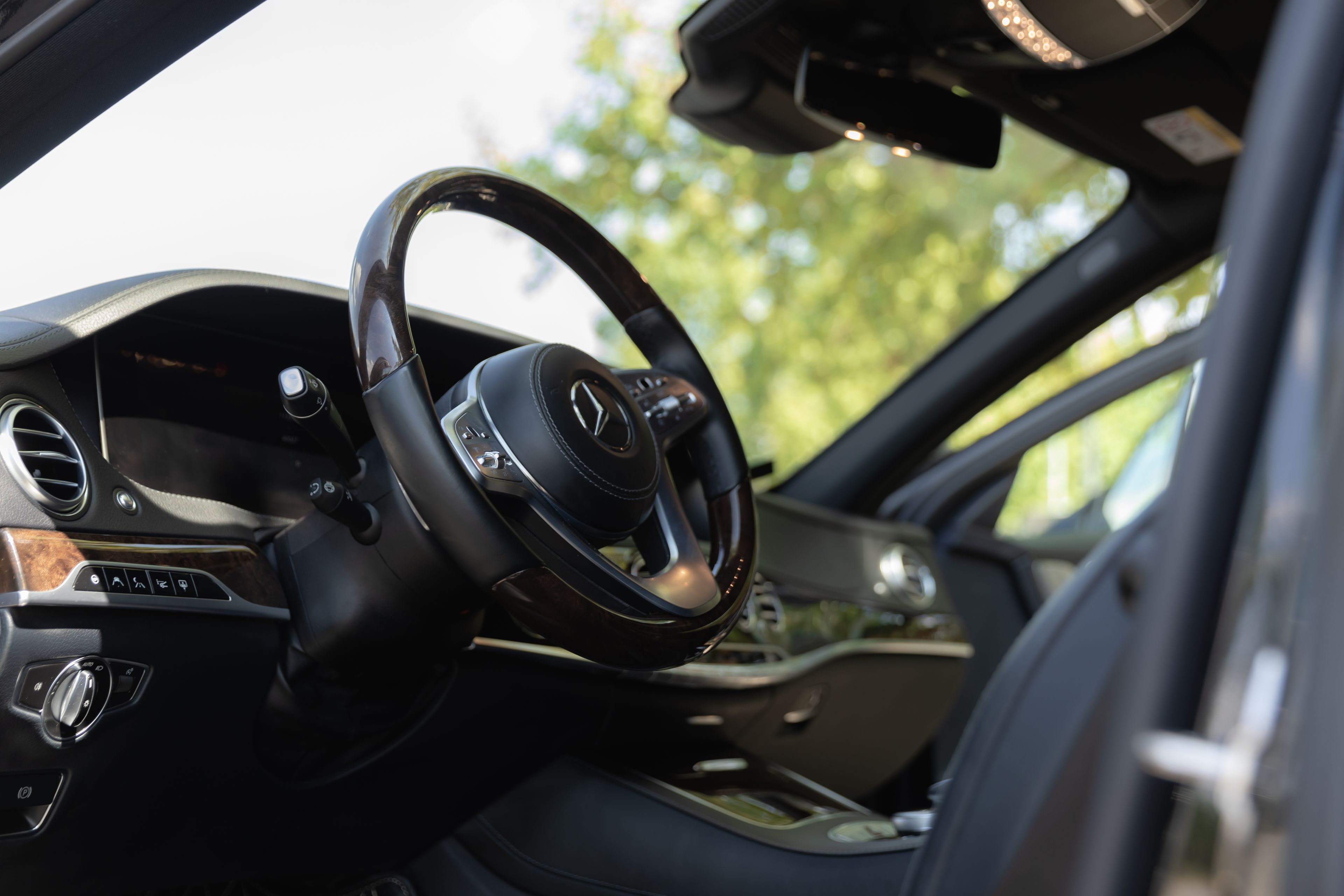
The S-Class is the more anonymous of the two, and there are many contexts in which that is the better outcome. It is a car that a great many well-run businesses use, and it draws no attention outside an office, a house or a hospital. If discretion is a priority, the shorter car is not the lesser choice; it is the more appropriate one.
Where the difference is felt
Because the two cars share so much, the list of genuine differences is short and specific rather than sweeping. That brevity is the useful finding rather than a failure of the comparison: where two cars share a platform, an interior architecture and a great deal of engineering, only a handful of things can honestly separate them. Those things are set out below.
- Rear legroom and full recline: the Maybach, substantially
- Journeys under an hour: little practical difference from the back seat
- Sleeping properly on a long run: the Maybach, with a reclining outer seat
- Placing the car on a tight street or in a mews: the S-Class
- Formal arrivals and first impressions: the Maybach
- Discretion outside an office or private house: the S-Class
- Boot space: effectively identical, since the length went into the cabin
- Availability at short notice: the S-Class, and by a clear margin
When the S-Class is entirely enough
For an airport transfer, it almost always is. An hour in the car with a couple of cases does not use anything the longer version adds, and a passenger heading for a flight at six in the morning is not assessing the rear seat architecture. We recommend the standard car for that journey routinely and see no reason to apologise for it.
It is also enough for a city day of short hops. The shorter car is easier to place at a kerb on a busy street, easier to bring into a hotel undercroft and less conspicuous when it stops outside a private address. Over a day of eight or nine short journeys, that practicality contributes more than the extra legroom you would occupy for eleven minutes at a time.
And it is the better use of the budget when the alternative is holding the car for less time. A full day in an S-Class usually produces a better experience than two Maybach transfers with a gap in the middle, because the value of chauffeur travel sits mostly in continuity rather than in the car. We say this often and mean it.
Booking the right one for the day
The rule we apply is duration and purpose. Under ninety minutes, book the S-Class unless the arrival itself carries weight. Over two hours with a passenger who intends to work or rest, book the Maybach and the difference will justify itself. For anything ceremonial, the longer car is the more appropriate choice regardless of distance. Beyond that, we would rather ask about the day than apply the rule blindly.
Cars come from our own fleet and from a vetted network of professional chauffeur operators, so we quote a class of vehicle rather than a particular car, and model year, colour, trim and rear equipment are subject to availability. If reclining seats, a rear table or a specific interior colour genuinely matters, raise it over WhatsApp or by email at the enquiry stage and we will confirm what can be held.