







Bank holidays are one of the more consequential things a visitor can fail to notice about Britain. They are not dramatic occasions; there is rarely a parade and often no particular observance at all. What they do is change the pattern of the country for three days, filling the roads out of the cities on the Friday, emptying the offices and putting a great many people on the same routes at once.
This guide explains what bank holidays are, why the four nations of the United Kingdom do not share the same list, what actually changes on the ground, and how to build an itinerary that treats a long weekend as an opportunity rather than an obstacle. We deliberately do not list dates here, because they move from year to year and the official sources hold the authoritative calendar.
What a bank holiday actually is
The term is historical and refers to days on which banks closed, but in modern use it simply means a public holiday. Most people working standard hours have the day off, most offices close, and schools are generally on holiday around them. Shops, restaurants, museums and attractions typically stay open, sometimes on reduced hours, with the notable and near-total exception of the Christmas period itself.
The rhythm is what matters for travel. British bank holidays overwhelmingly fall on Mondays, which converts an ordinary weekend into a three-day one. That in turn generates a heavy outbound flow on the Friday afternoon and a heavy return on the Monday evening, both among the busiest road periods of the year. They cluster around Easter, in May, at the end of August and across the new year.
The four nations do not match
England, Wales, Scotland and Northern Ireland each keep their own list, and they overlap without being identical. Scotland observes some days the rest of the country does not and does not observe others that England and Wales do, including a different arrangement in August. Northern Ireland has additional days of its own, and Scotland also has local trades holidays that vary between individual cities.
The practical implication is that a trip crossing a border during a holiday period may find one side working normally and the other closed, or the reverse. If your itinerary moves between nations around a public holiday, check the relevant official calendar for each nation rather than assuming the day applies everywhere. Easter is the exception that behaves fairly consistently, and its dates move each year.
What changes on the ground
The visible effects are mostly modest, but they compound across a day until the cumulative result is a very different experience from the one you planned. Nothing on the list below will ruin a trip on its own. Together, on the wrong day, they can turn a comfortable afternoon in the countryside into three hours of stationary traffic and a closed tea room at the end of it.
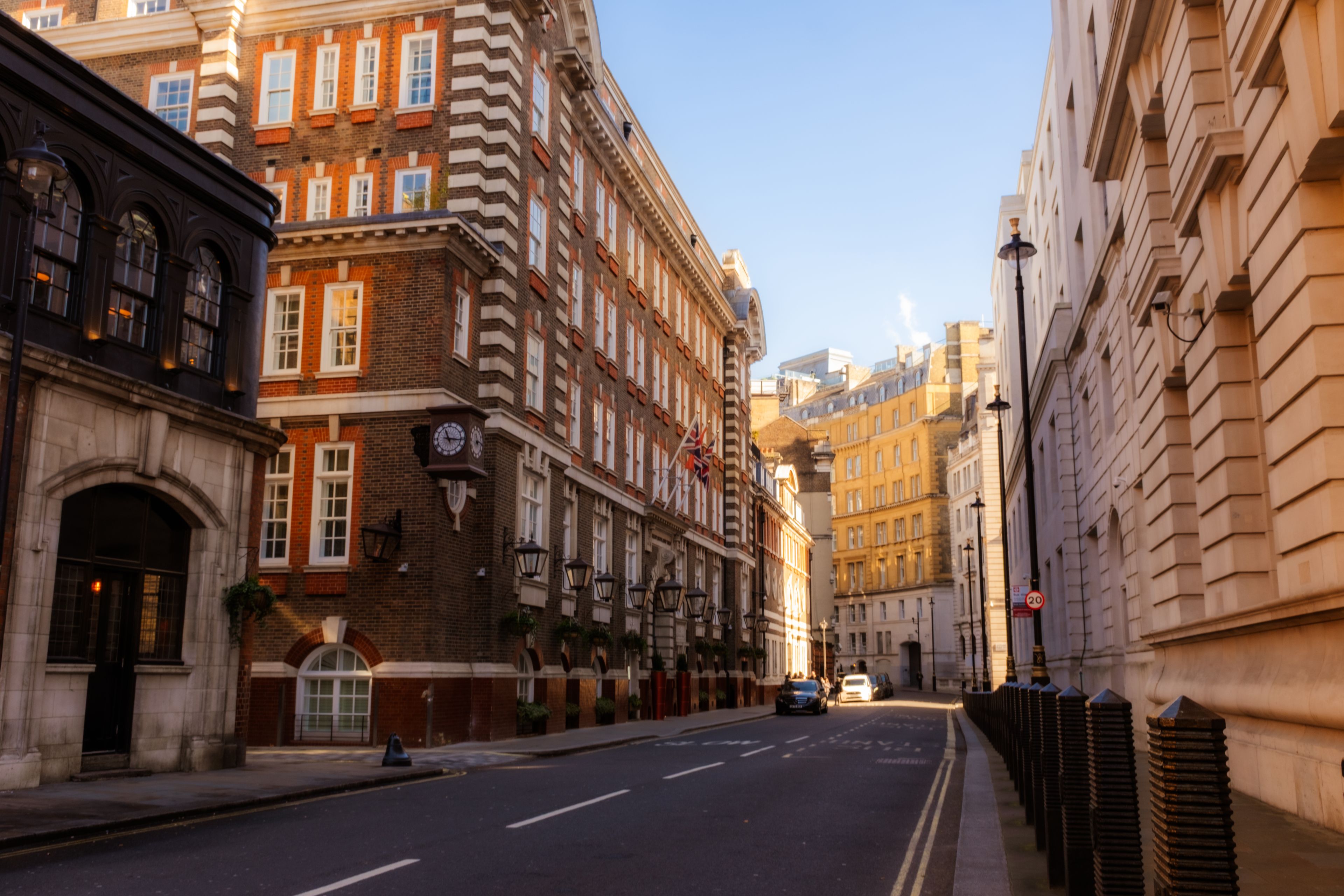
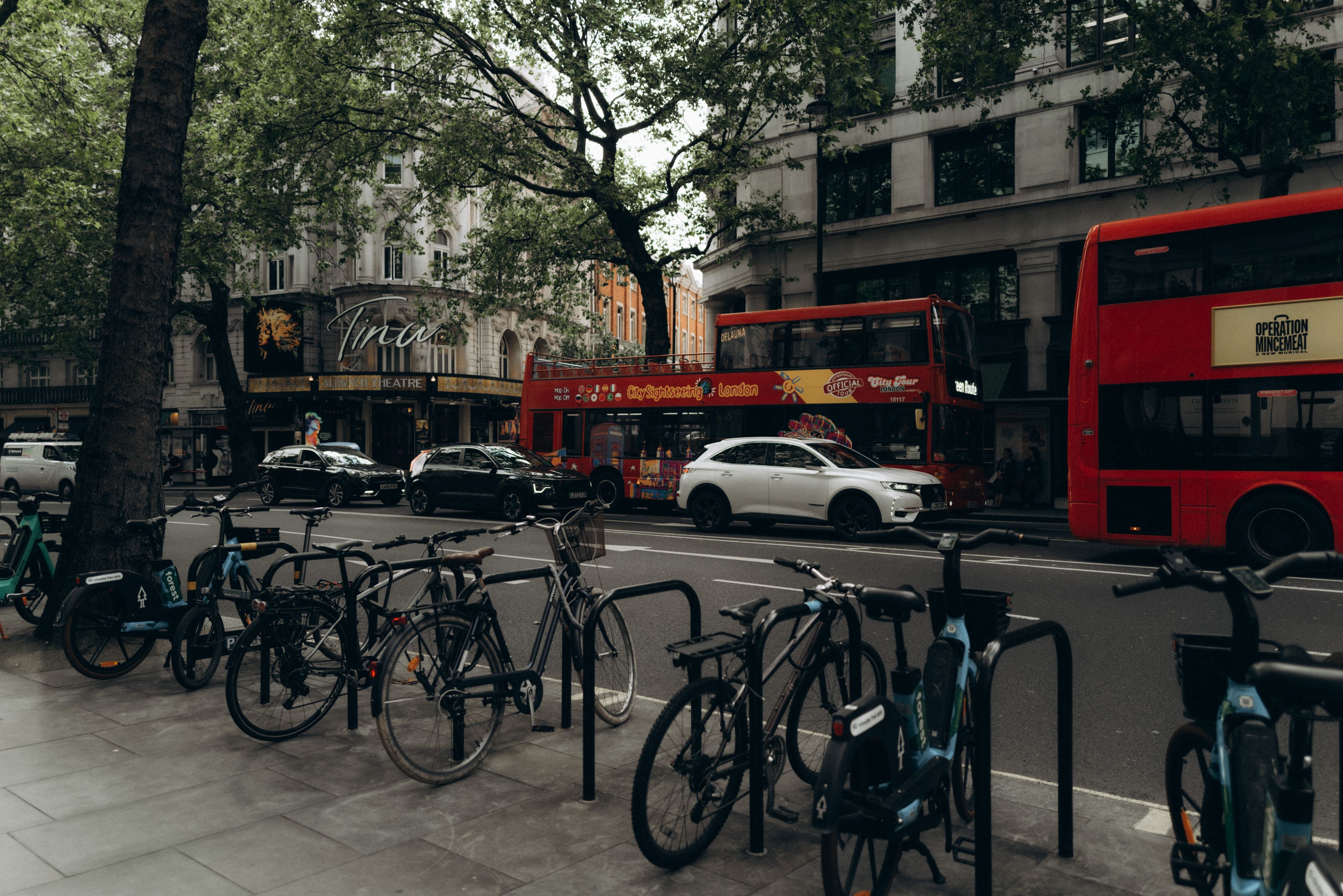
The other side of that coin is worth noting: bank holidays make central London unusually quiet, and a city day on the Monday itself can be one of the easiest of the whole trip. Residents leave, the commuter traffic disappears, and the museums are the only things that get busier. These are the changes worth anticipating when your dates fall across a long weekend:
- Roads out of major cities fill from early on the Friday afternoon
- Motorway services and popular rural destinations become extremely busy
- Public transport often runs reduced timetables, with engineering works common
- Some smaller museums, galleries and rural businesses close for the day
- Restaurants in tourist areas book out well ahead across the long weekend
- Central London is frequently quieter, as residents leave the city
- Christmas Day closes almost everything, including most public transport
The road effects, in detail
The outbound flow on the Friday before a bank holiday is the heaviest predictable congestion in the British calendar outside Christmas. Routes west from London towards the West Country, north towards the Lake District and out towards the coasts are the worst affected, and the peak begins earlier than an ordinary Friday, frequently by the early afternoon rather than the end of the working day.
The Monday evening return mirrors it, compressed into a shorter window. If you have a flight on the Monday evening of a bank holiday weekend, the allowance should be considerably larger than usual. Conversely, the Saturday and Sunday of a long weekend are often unusually good days to travel. We plan specifically around this and will say plainly when a proposed timing looks optimistic.
Planning around it, not into it
The straightforward approach is to invert the crowd. Travel out on the Saturday rather than the Friday, return on the Tuesday rather than the Monday, and spend the Monday itself in a city rather than on a motorway. Book restaurants and any attraction with timed entry well before the weekend arrives, because the popular ones fill early and the alternatives fill immediately afterwards.
The end of December is different in kind rather than degree. Christmas Day sees an almost complete shutdown, including virtually all public transport, which makes private car the only realistic option and worth arranging far in advance. Where your dates are fixed, tell us they fall over a holiday when you enquire and the written quotation will reflect a realistic allowance for those particular days:
- Shift the outbound journey to Saturday and the return to Tuesday
- Treat Monday evening airport runs as needing an unusually large margin
- Book restaurants and timed entries well before the weekend itself
- Check the official calendar for each nation your trip passes through
- Arrange Christmas and new year journeys a long way in advance
- Use the holiday Monday for a city day rather than a long drive