








London's shopping districts sit within a remarkably small area and are still difficult to move between, which is the central problem of a shopping day here. Bond Street to Knightsbridge is a short distance on a map and a slow one in a car at four in the afternoon. Add the bags, the appointments and opening hours that do not behave as visitors expect, and the day rewards being planned rather than wandered.
This is about the logistics rather than the shops. Where the districts actually sit and how they relate to one another, when the city is worth avoiding altogether, where a car can legally stop in streets that are almost entirely double yellow lines, and how holding a car for the day changes what is possible. Timings are indicative; a wet December Saturday behaves nothing like a Tuesday in February.
The geography, and why it matters
The main districts cluster in a rough arc across the west of central London. Mayfair and Bond Street occupy the middle, with the jewellers, the galleries and the flagship houses. Regent Street and Oxford Street run north and east of that, busier and broader in appeal. Knightsbridge and Sloane Street sit to the south west with Chelsea below them, while Covent Garden and Jermyn Street sit east and south of Piccadilly.
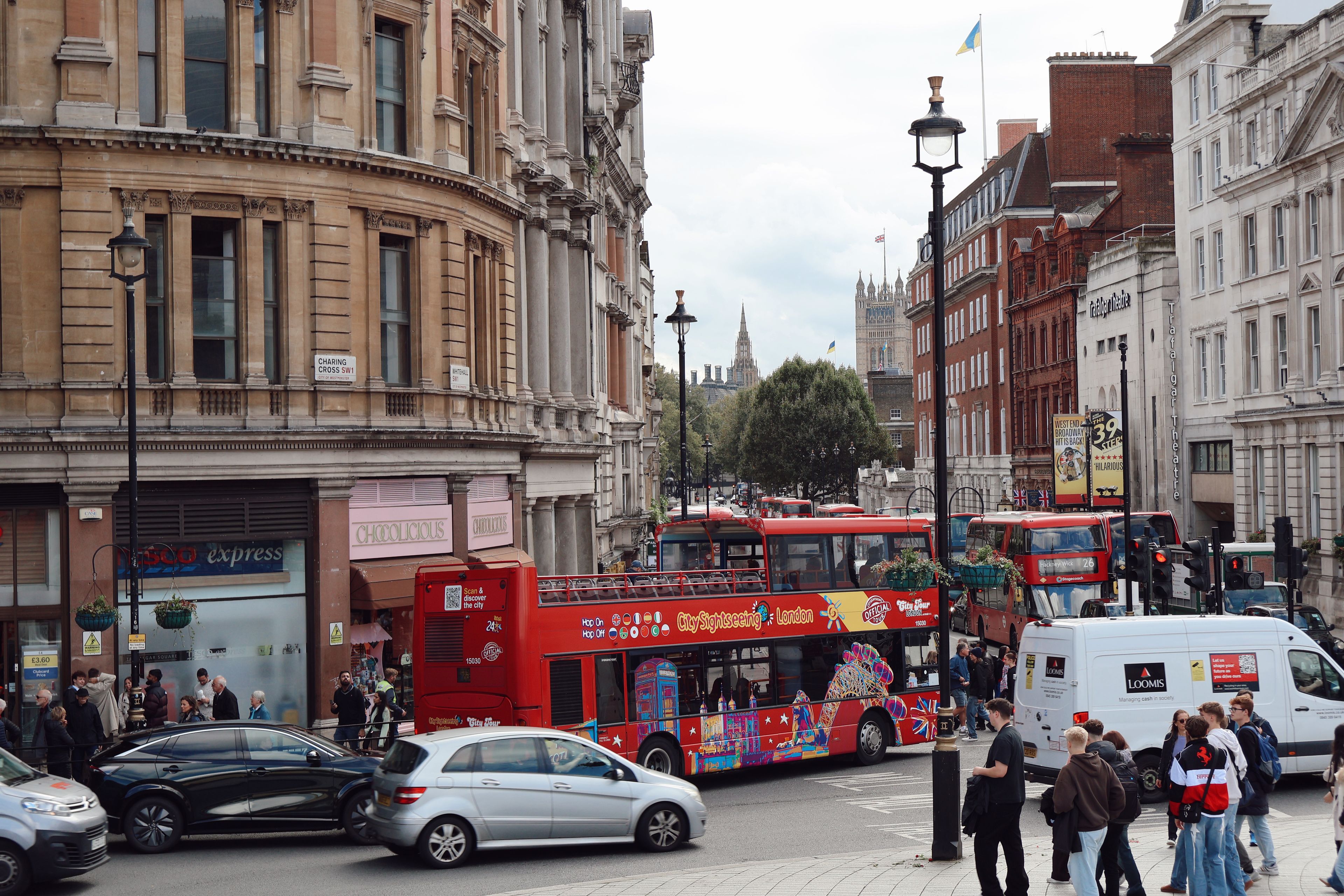
The distances between these are short, but the connections are not. Streets are narrow, one-way systems are extensive, and the roads between Mayfair and Knightsbridge carry heavy traffic through most of the day. The useful way to build a day is therefore to cluster on foot within a district and use the car between districts, rather than treating each individual shop as a separate journey.
Hours that catch visitors out
British opening hours are shorter than in many countries, and Sunday hours shorter again. Large stores are restricted in the number of hours they may trade on a Sunday, so a department store opening early on the Saturday will open late and close early the following day. Visitors who plan a full Sunday of shopping frequently lose half of it before they have properly started.
The West End has traditionally kept later hours on a Thursday evening, which remains a useful window where it applies, though individual stores set their own times and it is worth checking. Smaller boutiques, particularly in Mayfair, often keep shorter hours than the flagships and some do not open on Sundays at all. Seasonal periods change everything, and December slows the whole West End considerably.
Where a car can actually stop
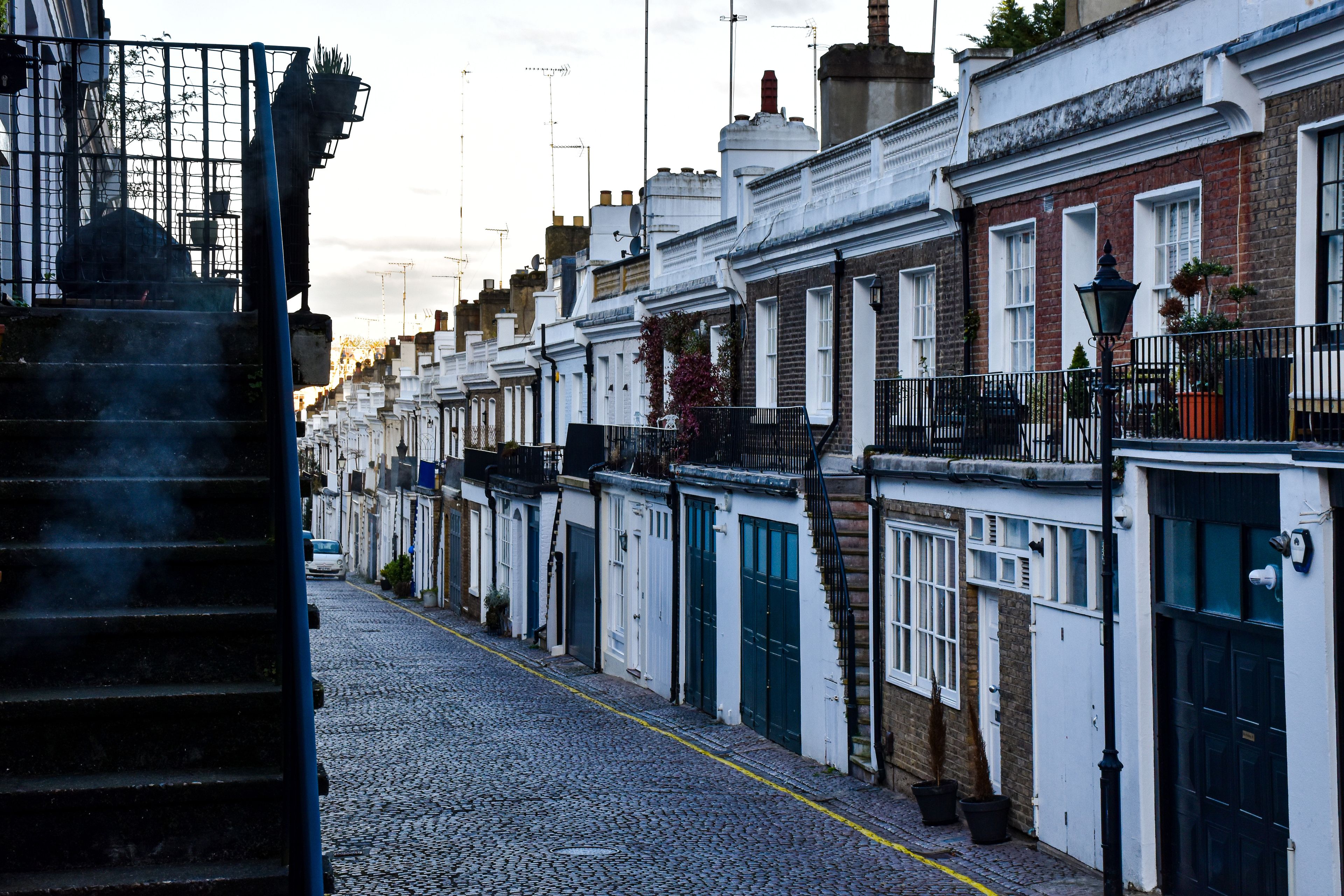
Central London is largely double yellow lines, resident bays and loading restrictions, and there is very little legal waiting outside a shop anywhere in the West End. This is the single practical constraint that shapes a shopping day by car, and it is why the arrangement works rather differently from what visitors often picture before they arrive and try it for themselves.
In practice the chauffeur sets you down as close as the street allows, waits somewhere legal nearby and returns when you send a message. Larger stores have designated set-down areas or side streets that work well; a small boutique on a narrow Mayfair street may mean a short walk. None of this limits the service, it is simply the geometry of the city. Other constraints worth knowing:
- Congestion and emissions charging apply across the centre on most days
- Waiting outside shops is generally not permitted; the car waits nearby
- Some department stores have a set-down point away from the main doors
- Pedestrianised sections mean a short walk at one end of some streets
- Roadworks and events regularly close West End streets at short notice
- Saturday afternoons and December weekends are the slowest times to move
The bags, and what to do with them
This is where a car earns its place on a shopping day more clearly than anywhere else. Every purchase goes into the boot rather than being carried around for the rest of the afternoon, which changes both the comfort of the day and how much you can reasonably fit into it. It also means nothing has to go back to the hotel halfway through, which is where most shopping days quietly lose an hour.
It has a practical limit and it is worth being realistic about it. A saloon boot fills faster than people expect, especially with large or rigid bags, so a substantial day or several people shopping in parallel points to an MPV. Larger purchases are often best delivered to your hotel by the store. Tell us if anything fragile or valuable is travelling so it can be stowed properly.
Making the day work
Book any appointments in advance. Personal shopping suites, watch and jewellery houses and the more exclusive boutiques often work by appointment and can be difficult to see properly without one, particularly at busy times of year. Build the day around those fixed slots and let the browsing fill the gaps between them, rather than hoping to be seen on arrival at three in the afternoon.
Some of the best shopping days leave central London altogether: the designer outlet village near Bicester makes a natural full day rather than a half one, and a weekday morning there is a completely different experience from a Saturday. Arrangements for reclaiming tax on purchases by overseas visitors have changed in recent years, so check current official guidance. A few final points:
- Hold the car for a full shopping day rather than booking separate journeys
- Book personal shopping and boutique appointments well in advance
- Start early, since the West End slows markedly after the middle of the day
- Treat Bicester as a full day out, ideally on a weekday morning
- Ask stores about delivery to your hotel for anything large
- Check current official guidance on tax arrangements for overseas visitors