





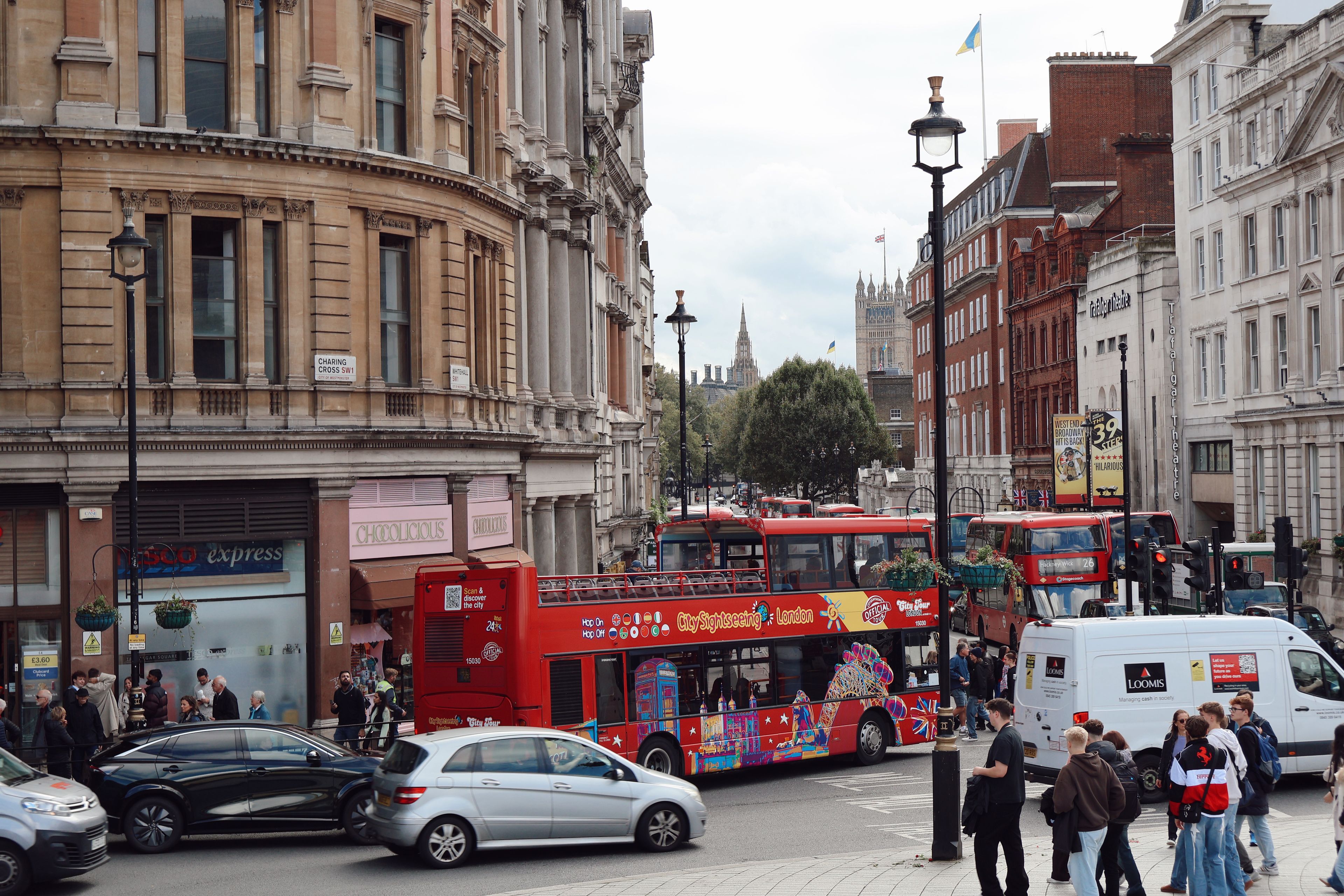
British weather has a reputation for being bad, which is not quite accurate. It is mild, it is changeable, and it is difficult to plan around, which is a different complaint altogether. Extremes are rare. What visitors actually contend with is a country where a single afternoon can contain sunshine, rain and wind, none of it dramatic enough to cancel anything, and all of it enough to slow the roads.
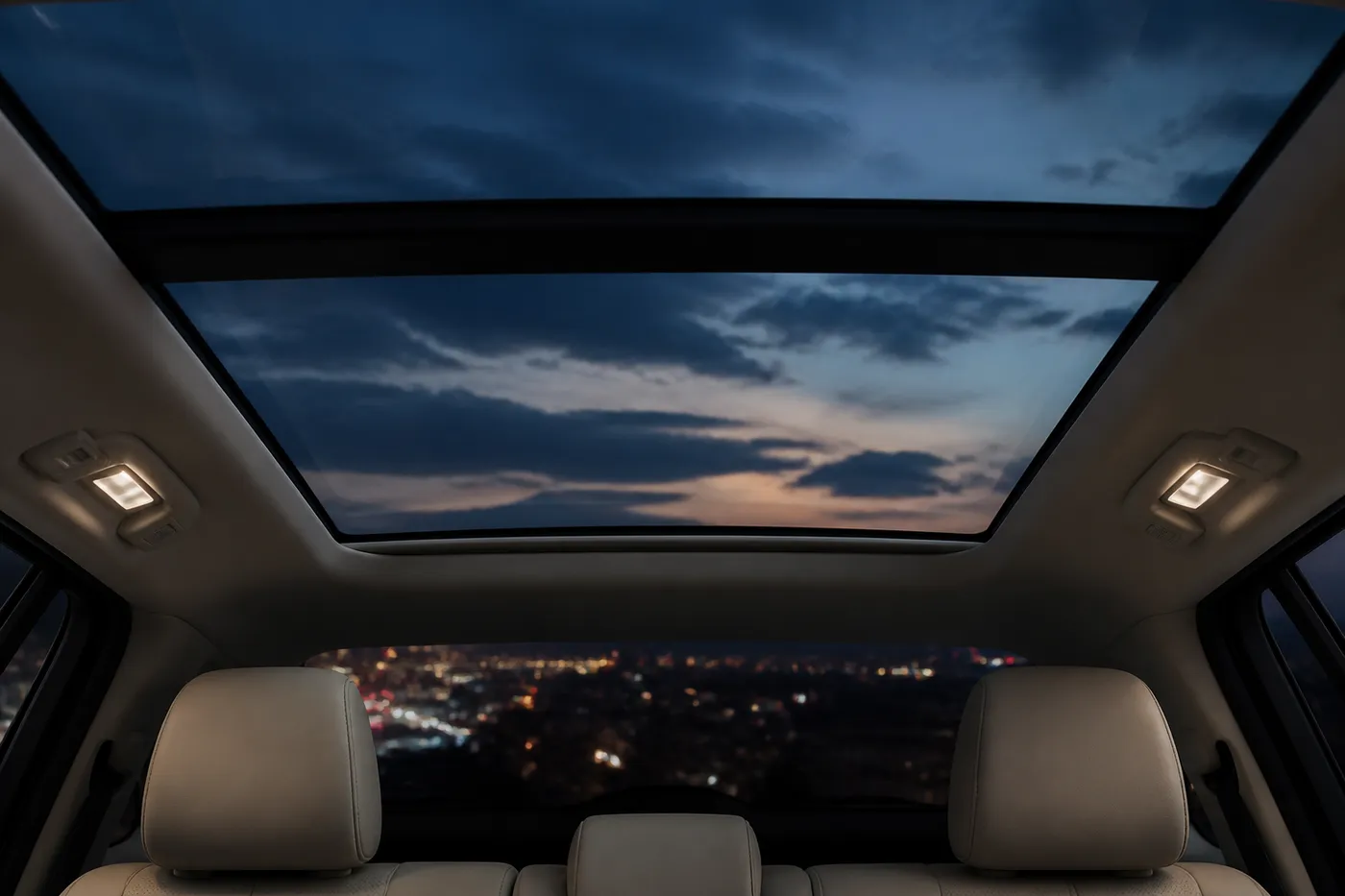
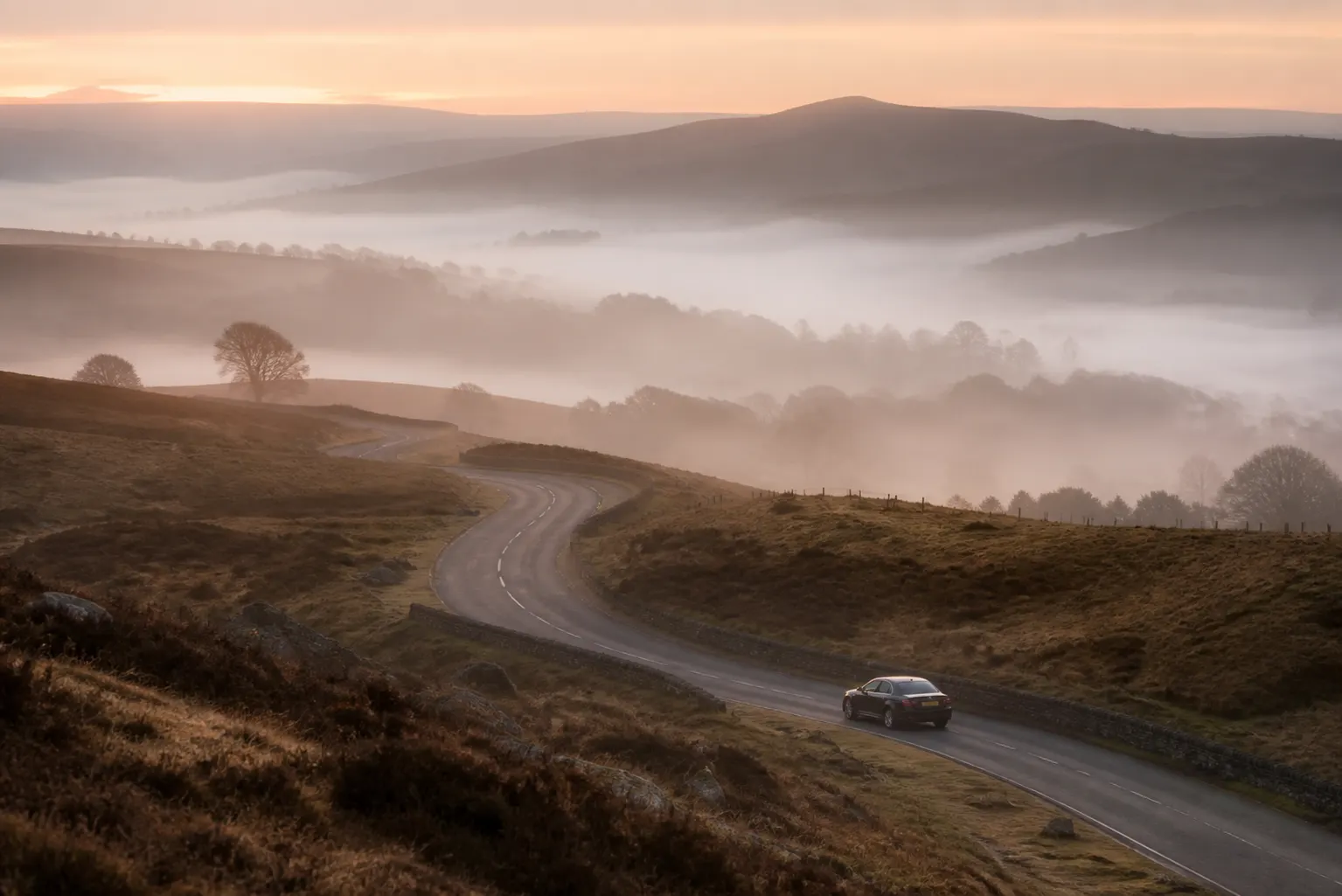
For a journey, the weather matters in two ways: what it does to the driving, and what it does to the daylight. The second is the one nobody anticipates. A December afternoon in Scotland is dark by the middle of the afternoon, and a June evening in the same place is light until very late indeed. Planning the same itinerary for both is how good trips end up viewing scenery in the dark.
Rain, and what it does
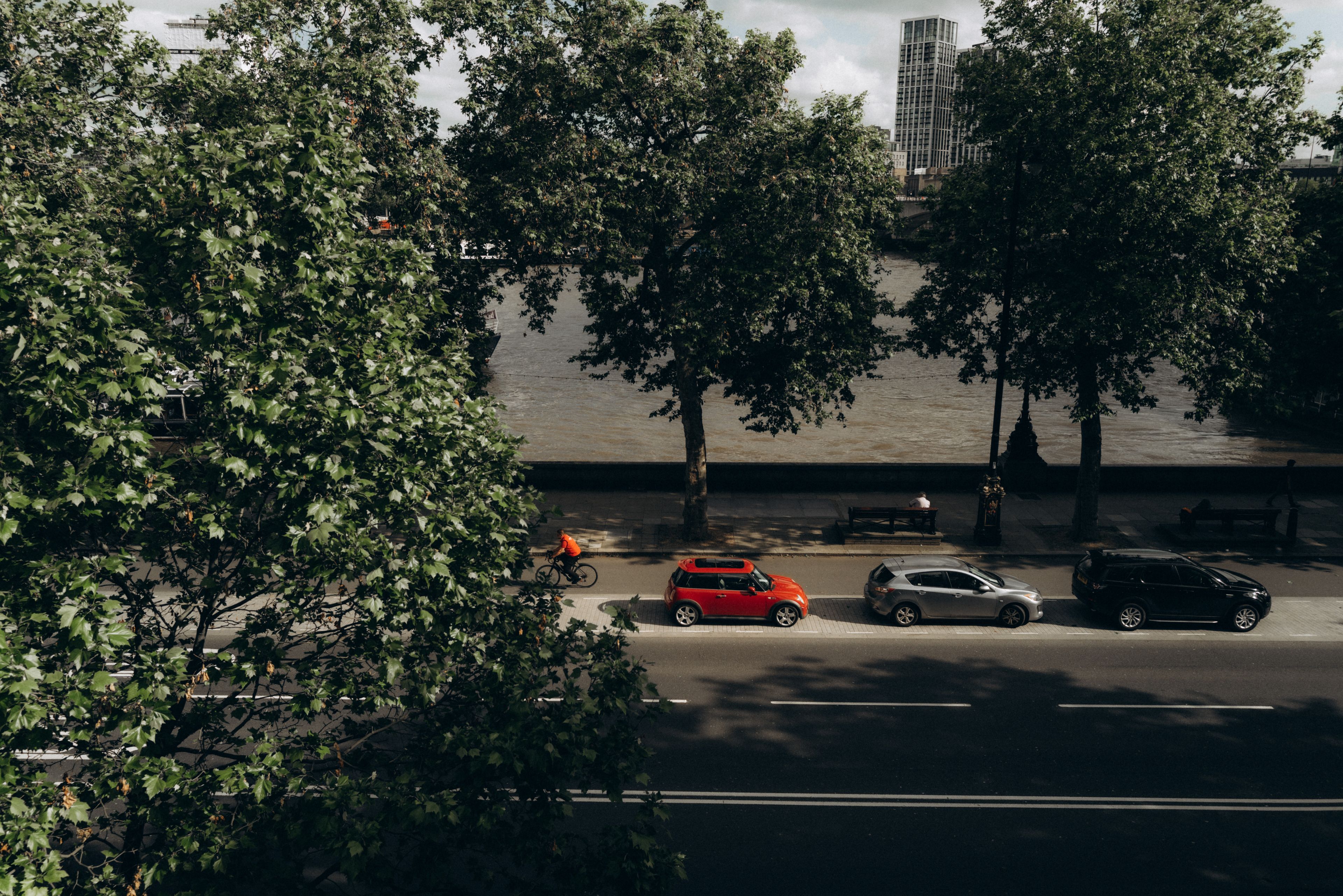
Rain in Britain is usually light to moderate and rarely heavy enough to stop anything at all. Its effect on a journey is cumulative rather than dramatic. Motorway traffic slows in spray, particularly behind heavy goods vehicles, and the gaps between cars lengthen, which reduces the effective capacity of the road. A route that flows well when dry can lose meaningful time in steady rain without ever looking like a problem.
Surface water is the more genuine hazard. Rural lanes drain poorly and standing water at the bottom of a dip is common after a wet spell. Some low-lying areas, particularly parts of the Somerset Levels, Yorkshire and the Thames Valley, flood periodically and can close roads entirely for days. When that happens the diversion is often long, because the alternative routes are few and they fill immediately.
The daylight problem
Britain sits far enough north for the seasonal swing in daylight to be substantial, and further north still in Scotland. In late December, useful light in southern England runs from around the middle of the morning to the middle of the afternoon, and in the Highlands it is shorter again. By late June the position reverses entirely and the evening stretches on for hours, which changes what a day can hold.
This has direct consequences for an itinerary. A scenic drive planned for four in the afternoon is a wonderful thing in June and a drive through darkness in December. Country houses, gardens and coastal views need daylight to justify the journey at all. So when we look at a winter plan we tend to suggest moving the interesting drive to the morning and putting the transfers at the end of the day.
The seasons, briefly and honestly
Each season here has a character worth knowing before you commit an itinerary to it, and none of them is a write-off. Winter cities are excellent and winter countryside is not. Summer countryside is superb and summer roads are full. Spring and autumn sit in between and are, for most touring purposes, the two periods we would quietly recommend above the others if the dates are yours to choose.
The clocks change twice a year, forward in spring and back in autumn, which shifts the evening light by an hour overnight. If your trip straddles one of those weekends, the light on the last day will be noticeably different from the first, and any plan built around a late afternoon view should move with it. Broadly, this is what each part of the British year has to offer a traveller:
- Winter is mild but dark and wet, with occasional cold snaps and rare snow
- Spring is unpredictable and often lovely, with gardens best from April onwards
- Summer is mild rather than hot, very busy, and blessed with long light evenings
- Autumn brings the best colour, quieter roads and increasingly early sunsets
- Coastal and upland areas are windier and wetter than inland averages suggest
- Scotland and the west run wetter than eastern England in most months
Snow, ice and disruptive days
Snow that settles is uncommon in lowland Britain and genuinely disruptive when it arrives, because the country carries limited equipment for something it needs so rarely. A few centimetres in the south east will slow motorways considerably and can close smaller roads entirely. Upland areas, the Pennines and the Scottish Highlands see it far more often and handle it a great deal better as a result.
Ice is the more frequent winter issue, especially on untreated rural lanes early in the morning and after clear nights, and steep gravel drives at country hotels are a common sticking point. On the rare days when conditions turn seriously, we will contact you early rather than late, and would always rather move a departure forward than attempt a schedule the road cannot support.
Wind, coasts and crossings
Wind is the underrated British weather event. Named storms arrive several times each autumn and winter, and their effects on travel are disproportionate: high-sided vehicles are restricted on exposed bridges, some crossings close entirely, and fallen trees close rural roads with no notice whatsoever. The Severn crossings, the Forth bridges and various coastal routes are the usual candidates when a storm is named and forecast.
For island journeys and the more remote parts of Scotland's west coast, ferry services are weather-dependent and cancellations happen. Any itinerary involving a crossing should carry a fallback day rather than a tight connection, particularly outside the summer months. Message us the evening before if a forecast has turned and you would like to rethink the shape of the day; most plans rearrange easily with a little notice.
- Build a spare day into any itinerary that depends on a ferry crossing
- Expect exposed bridges to restrict some vehicles during named storms
- Assume rural roads may be blocked by fallen trees after high winds
- Treat coastal and upland forecasts as separate from the inland one
- Keep scenic drives in the morning through the winter months
- Bring a waterproof layer regardless of what the season promises