






Visitors looking at a map of Britain for the first time nearly always reach the same conclusion, which is that the whole country could be crossed in an afternoon. On paper it could. In practice the map is telling you about distance, and distance is the least useful thing to know about a British road. What matters is what the road passes through, and Britain has arranged itself so that almost every road passes through something.
This guide explains why the arithmetic misleads, what the different classes of British road are actually like to travel on, and how to build a schedule that survives contact with a Tuesday afternoon. Every figure here is indicative rather than promised. Anybody who gives you a precise journey time for a British road without first asking what day and what hour has not driven it recently.
Why the mileage misleads
The British road network was not designed. It accumulated, over centuries, on top of routes that already existed for reasons that no longer apply. Motorways were laid across that inheritance in the twentieth century and connect the major cities reasonably well, but they rarely reach the places visitors actually want to go. The final portion of nearly every worthwhile journey leaves the fast network and slows down markedly.
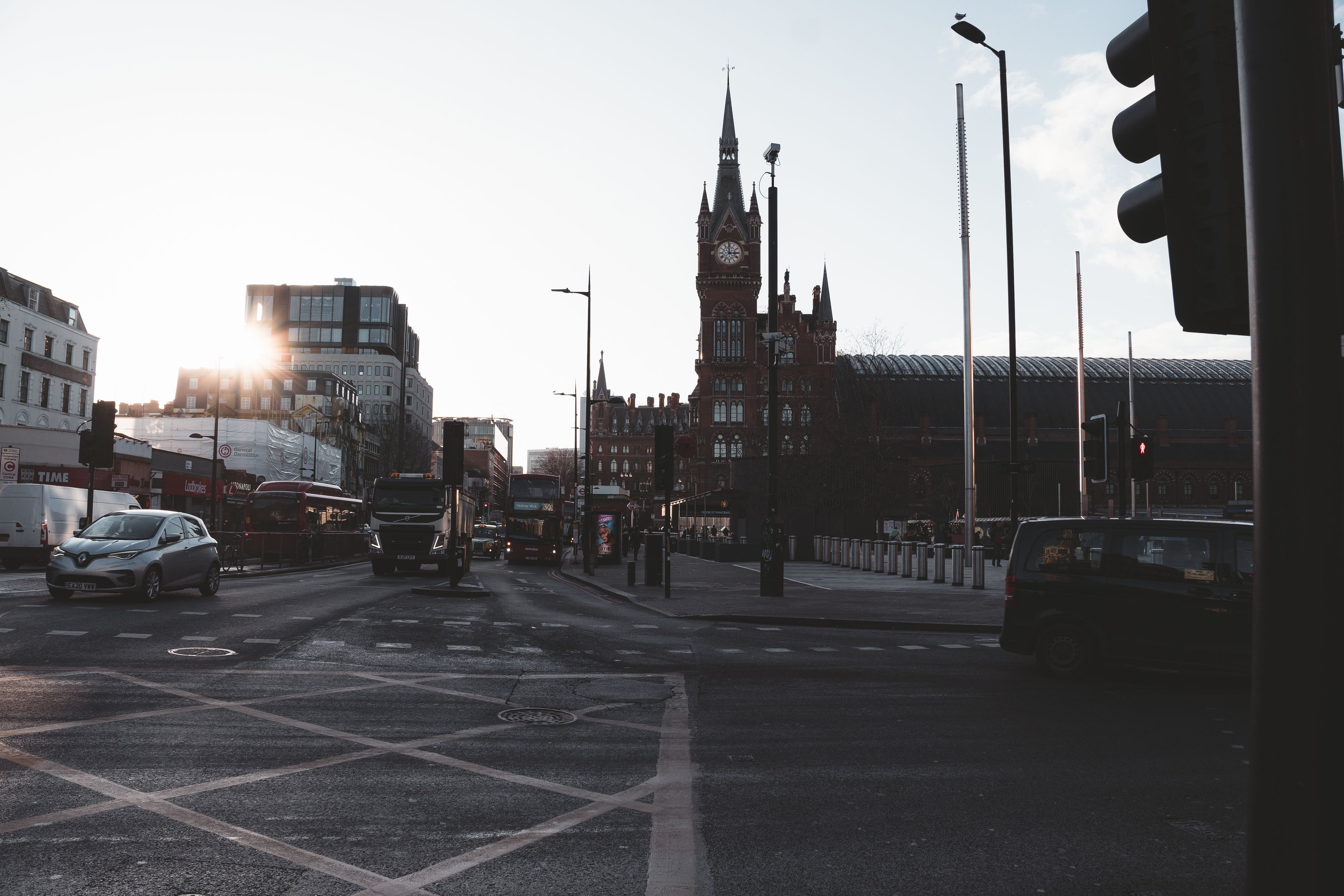
The country is also densely populated through its middle. Roads pass through towns rather than around them, meeting roundabouts, traffic lights, pedestrian crossings and bus routes on the way. A road that averages a good speed for forty miles can lose fifteen minutes in a single market town on market day, and nothing on a map will warn you. Rain compounds all of it, because the network carries very little spare capacity.
The classes of British road
The lettering system tells you a great deal once you can read it, and it is worth ten minutes of a visitor's attention because it completely changes how an itinerary reads. A journey described as ninety miles means one thing if it is motorway throughout and quite another if half of it is a two-lane road through Wiltshire. The prefix on the road number is the single best clue available.
What follows is a rough hierarchy from fastest to slowest, though the categories overlap considerably and an A road can belong to either end of it. The important thing is to check what kind of road the last portion of your journey uses, because that is the stretch which decides whether you arrive when you intended to or half an hour afterwards, and it is the stretch nobody thinks to look at.
- Motorways, prefixed M, link the cities and can still stand still at peak times
- A roads vary enormously; some are dual carriageway, others a village high street
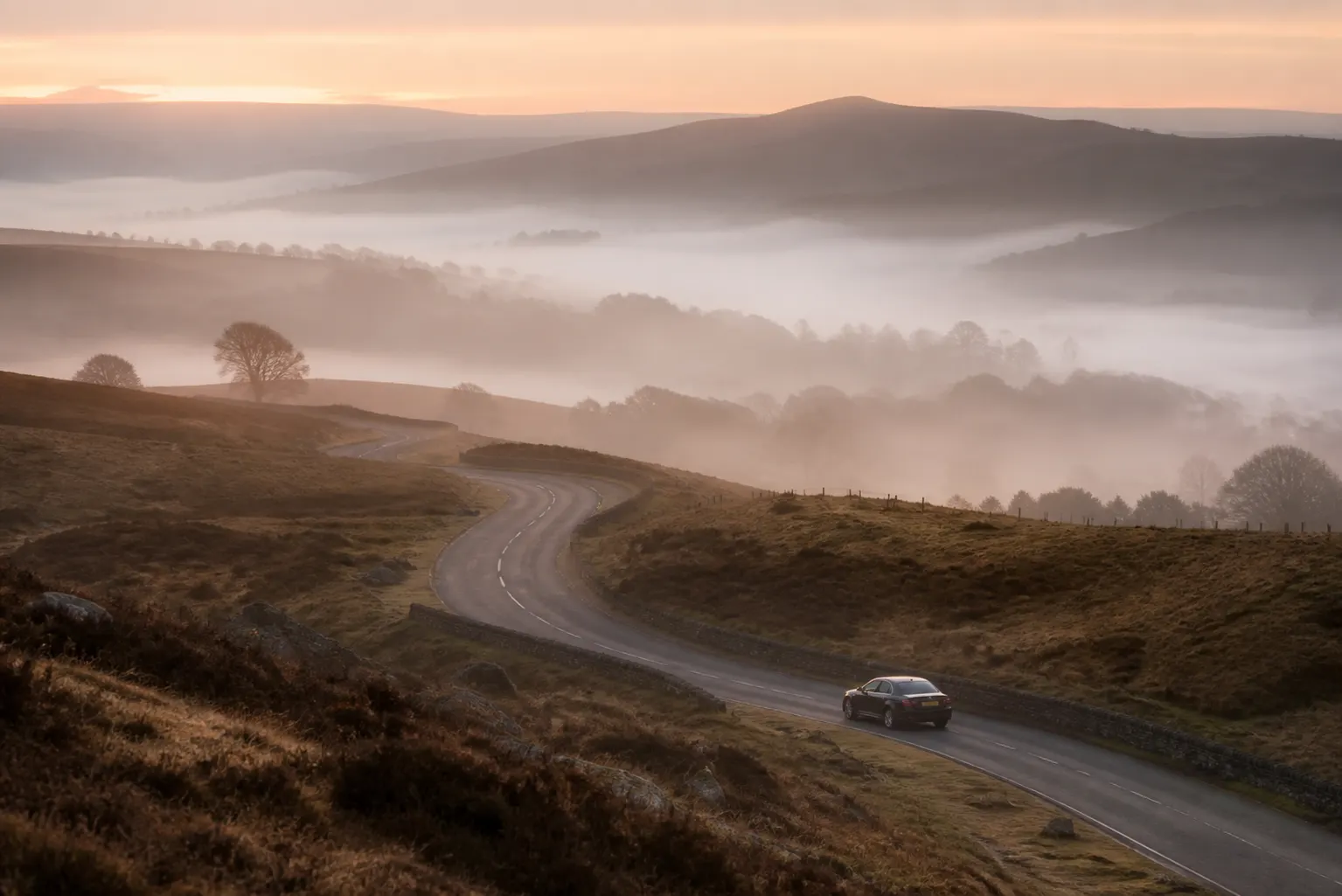
- B roads are rural and often scenic, rarely quick and sometimes very narrow
- Unclassified lanes may be single-track, with passing places and blind bends
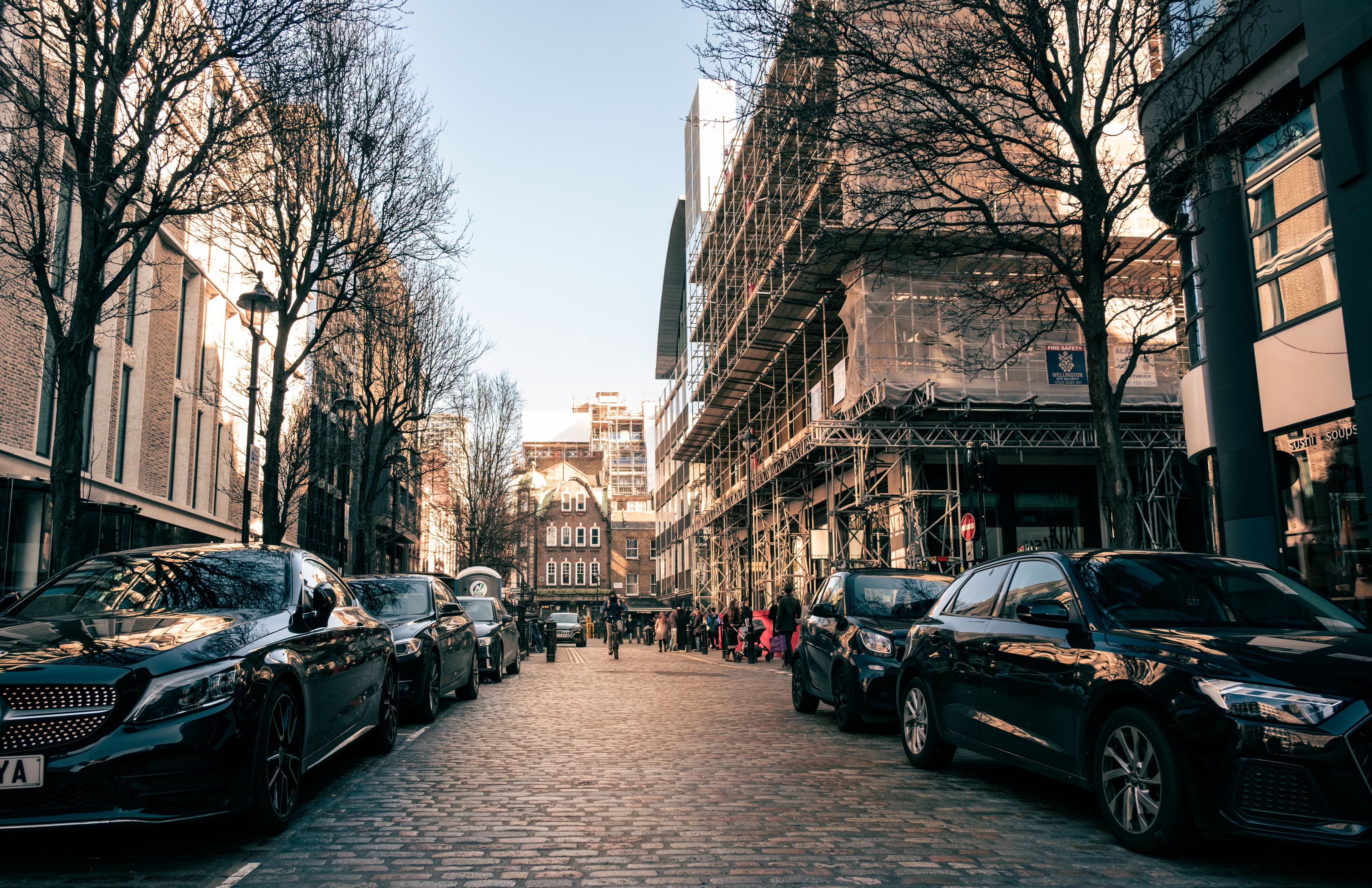
- City centres increasingly restrict traffic with charging zones and filtered streets
- Country hotel drives are frequently gravel, unlit and longer than they look

How the clock changes everything
The same journey has several different durations depending on when you attempt it. Weekday mornings into any major city are slow from early on, and weekday evenings out of them are slower still and begin earlier than visitors expect. Friday afternoons westward out of London are notoriously heavy in summer, as are Sunday evenings returning, and school holiday periods shift the pattern rather than removing it.
Against that, there are genuinely fast windows. Mid-morning and early afternoon on a weekday move well. Saturday mornings are often the best time of the week for a long cross-country drive. Very early departures buy an enormous amount of road, which is why we sometimes suggest an hour that seems unreasonable and then deliver an arrival that is entirely relaxed. We quote for the hour you travel, not an average.
The last mile problem
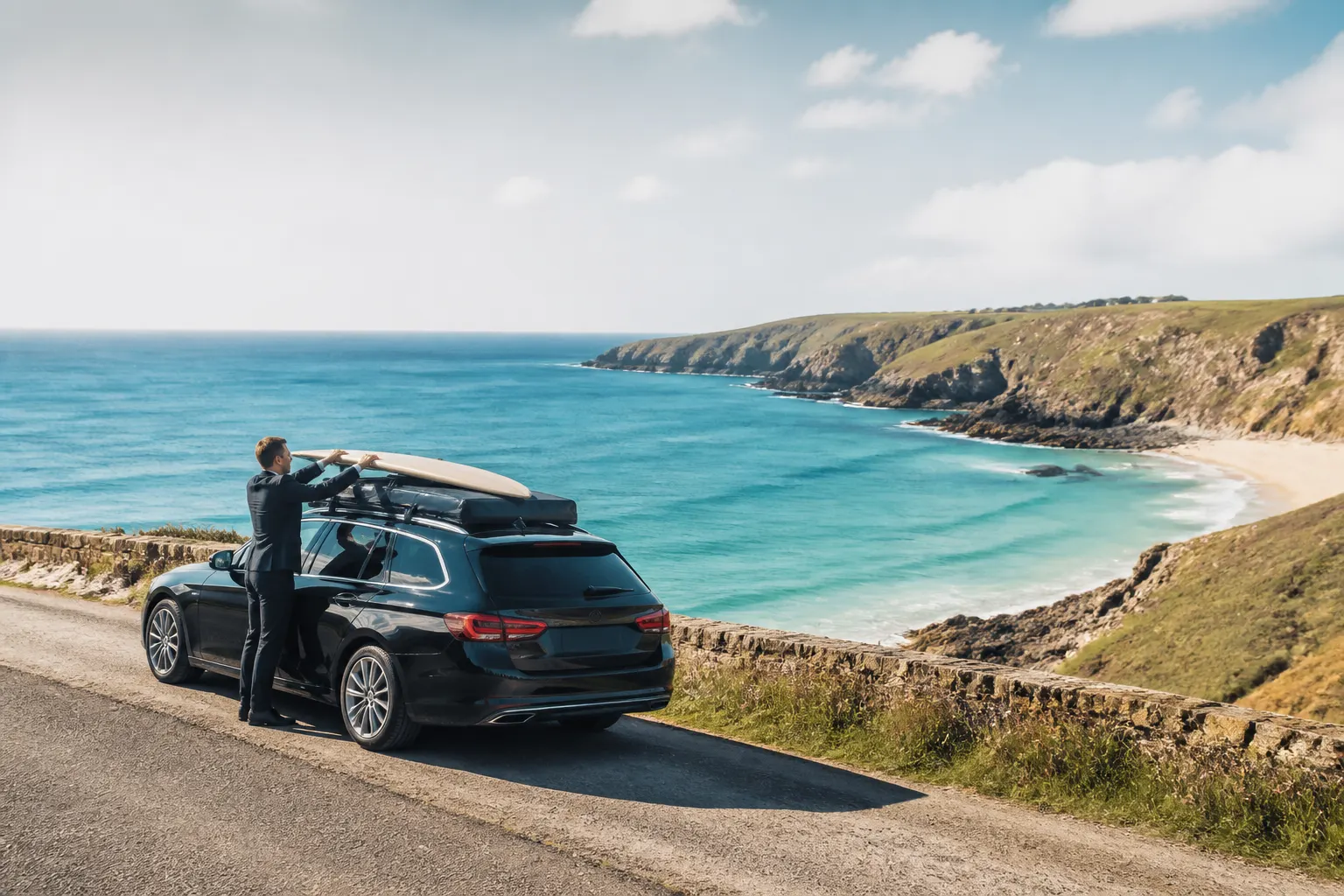
Nearly every delay that surprises a visitor happens in the final few miles. A Cotswold hotel four miles from the main road can take twenty minutes to reach along a lane where two cars cannot pass without one reversing to a gateway. A Scottish estate may sit at the end of a long private track. A Cornish village may have a street too narrow for a large vehicle and a car park at the top of a hill.
This is also where the choice of vehicle starts to matter. A large luxury MPV is the right answer for four people with luggage on a motorway and the wrong answer for a hamlet with a medieval bridge. If your destination is genuinely remote, give us the property name rather than only the postcode when you enquire, and we will look at the approach before we recommend anything.
Building a schedule that holds
The practical method is straightforward. Take the optimistic journey time, add a meaningful margin for the road, add time for the last mile, then place the departure so that arriving early is a pleasure rather than a problem. Arriving somewhere thirty minutes early in Britain is almost always fine; there is a tea room, a churchyard or a view, and none of them require a booking or an explanation.
For anything with a hard deadline at the far end, particularly a flight or a wedding, the margin should be generous rather than merely reasonable. Some journeys are better handed to the railway altogether, and we will say so: London to Edinburgh, Manchester or Leeds is genuinely quick by train and a long day by road. Ask us what a journey really involves before you commit an afternoon to it.
- Add margin for the road, then add separate margin for the final approach
- Treat any hard deadline as a reason to depart earlier, not to drive faster
- Check whether the last stretch is motorway, A road or unclassified lane
- Assume city arrivals and departures are slow between roughly four and seven
- Consider the train for city-to-city legs with no stops worth making
- Ask before committing a day to a drive that looks short on the map