





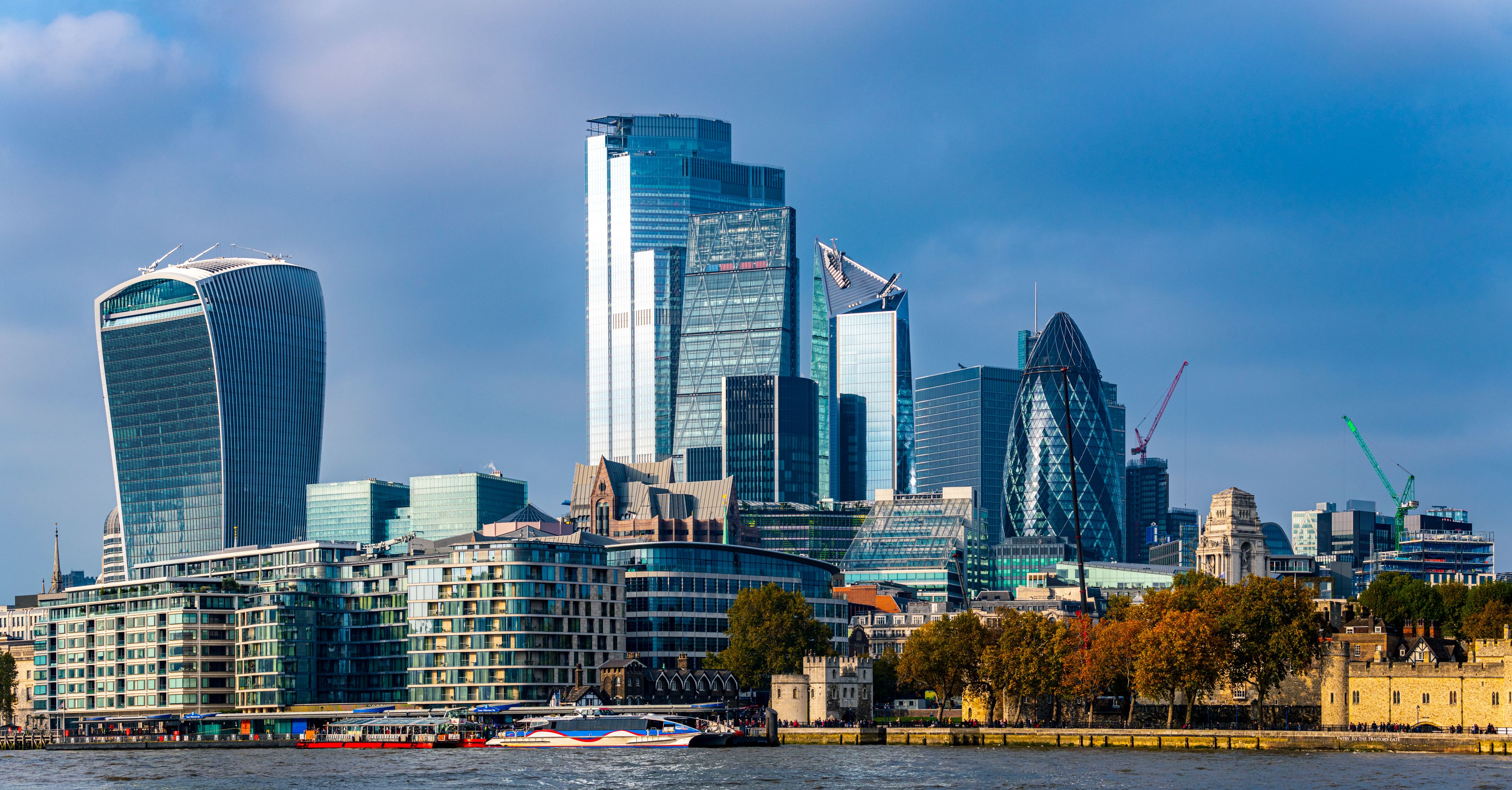
Liverpool sits at the end of a motorway rather than on the way to anywhere, which gives its road network a particular character. Traffic arrives, it does not pass through. The M62 runs out of steam at the eastern edge and hands you to a series of urban dual carriageways, and from there the city organises itself around the waterfront and the two tunnels beneath the Mersey.
The centre is compact and increasingly closed to through traffic, the docks have become a destination in their own right, and two football grounds sit within a couple of miles of each other in tight residential streets. Add a cruise terminal on the Pier Head and a racecourse that fills the north of the city every April, and Liverpool asks more of a driver than its size suggests.
Arriving: the motorway that stops short
The M62 comes in from Manchester and the east and finishes on the outskirts, feeding traffic onto Queens Drive and the surrounding arterial roads. The M57 forms an outer route around the eastern side and the M58 comes down from the north west. None of them deliver you into the centre directly, so the last few miles are urban and can be slow at either peak.
From the south, the A561 runs along the estuary past the airport and the Speke and Garston developments. From the north, the A565 comes down through Bootle towards the docks. The dock road itself carries a great deal of commercial traffic and has been substantially reworked around the newer waterfront developments, so local knowledge here has a short shelf life.
The Mersey tunnels connect the city to the Wirral. Queensway emerges at Birkenhead and Kingsway at Wallasey, both are tolled, and both close occasionally for maintenance, usually overnight. Where a tunnel charge applies to your journey it forms part of the written quotation. When a tunnel is shut, the alternative is a long way round via the Runcorn crossings, and we would rather know in advance.
Lime Street and the centre on foot
Lime Street station opens onto a redesigned public space rather than a car park, which is a considerable improvement for pedestrians and a complication for collections. The forecourt area is not somewhere a private car waits, so we use the streets to the side and behind, and confirm the meeting point with you before you travel.
The centre itself is walkable and increasingly pedestrianised. Church Street and the surrounding retail streets are closed to traffic, the Liverpool ONE development is a pedestrian estate with vehicle access confined to its edges and car parks, and a growing number of bus gates restrict private cars on routes that used to be obvious. The commercial district around Old Hall Street and Castle Street keeps its traffic but has very little stopping.
- Lime Street forecourt: public space, not a collection point
- Church Street and Bold Street: pedestrian, no vehicle access
- Liverpool ONE: set-down at the edges and in the car parks only
- Camera-enforced bus gates on several central through routes
- Castle Street and the business core: moving traffic, minimal stopping
- Albert Dock and the waterfront: restricted access with designated parking
The cruise terminal and the airport
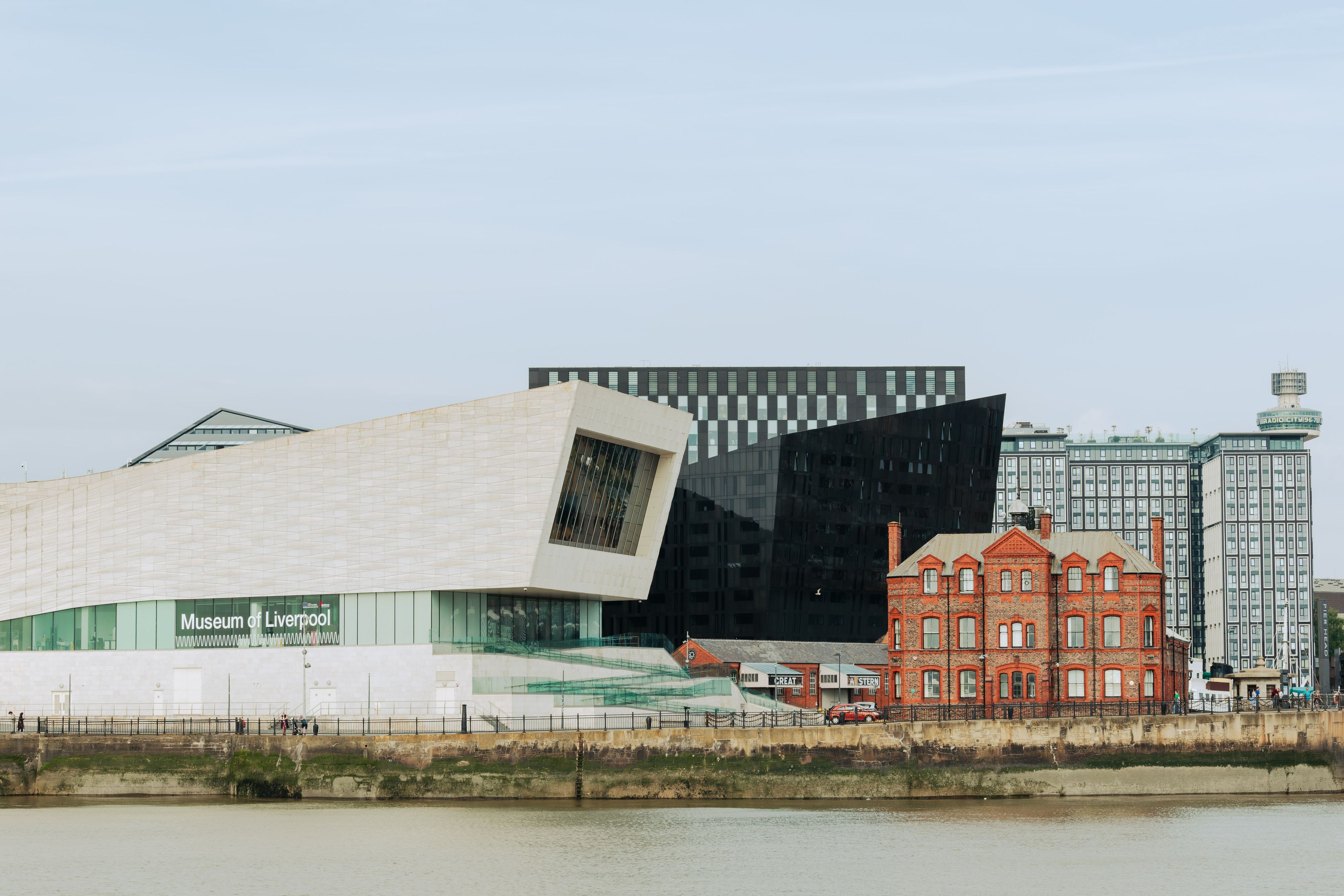
Liverpool's cruise terminal sits on the Pier Head in the middle of the waterfront, which makes for a spectacular arrival and a congested one. Turnaround days concentrate a great many passengers, cases and coaches into a small area over a few hours. For a departure we aim to arrive either early in the boarding window or late in it, and never in the middle.
For an arrival, disembarkation runs in groups rather than all at once, so a fixed collection time is less useful than a fixed collection point with the car already in position. We agree that point in writing beforehand, and the chauffeur waits rather than circling the Strand hoping to time it.
Liverpool John Lennon Airport lies south of the city along the estuary road. The run from the centre is commonly twenty to thirty minutes outside peak periods. Manchester Airport, which many travellers use for long-haul, is generally around forty five minutes to an hour via the M56, and materially longer if the M60 is struggling.
Anfield, the new waterfront ground and Aintree
Anfield sits in a dense grid of Victorian terraces in Walton, and matchday there is genuinely difficult. Streets close, residents parking is enforced firmly, and the roads that remain open carry far more traffic than they were built for. The workable approach is a set-down several streets out and a pickup at a point chosen for its escape route rather than its proximity.
The newer stadium on the northern docks at Bramley-Moore brings large crowds to the dock road corridor, which was not designed for that pattern of movement. Early experience suggests the same discipline applies: agree the point in advance, accept a walk, and leave in a direction that is moving.
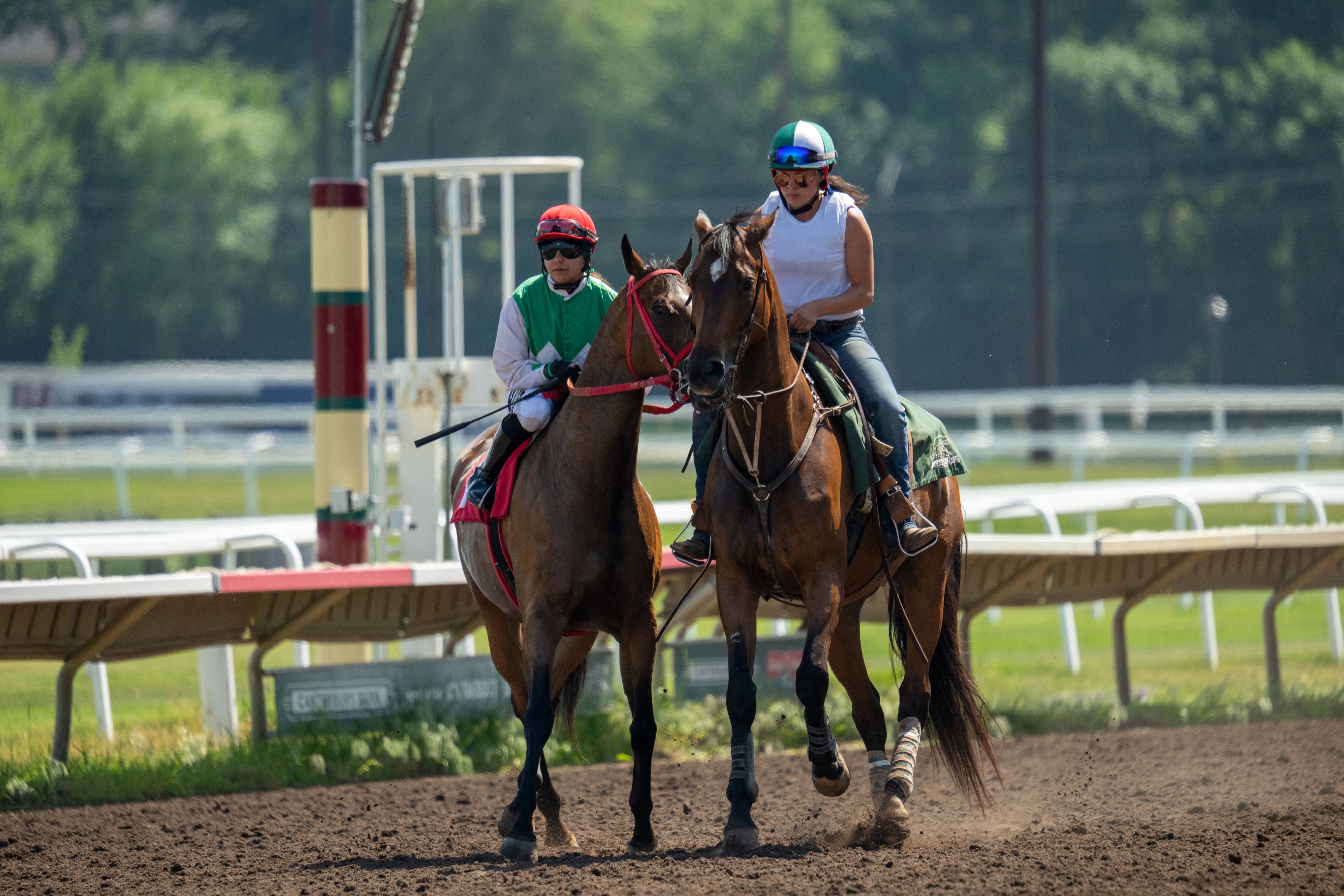
Aintree in April is a different order of event altogether. The Grand National meeting fills the north of the city for three days, closes roads around the course, and affects the M57 and M58 approaches for hours either side. Anyone travelling on those dates should expect to leave much earlier than usual, and should book well ahead, because chauffeur availability across Merseyside is genuinely finite that week.
The Wirral, Chester and the coast
Through the tunnels, the Wirral opens up quickly, with the golf coast at Hoylake and Royal Birkdale a little further north around Southport. Chester is commonly around forty five minutes to an hour depending on the route and the hour, and is a frequent afternoon destination for guests staying in Liverpool.
Northwards, Formby and the pine woods sit close to the coast road, and the Lake District begins around an hour and a half up the M6. These are the journeys where a car is unarguably the right answer. In the centre itself, a chauffeur is often more valuable as a fixed point through the day than as transport, holding coats and shopping while you walk between places that are five minutes apart.
- Centre to Liverpool John Lennon Airport: usually twenty to thirty minutes
- Centre to Manchester Airport: commonly forty five minutes to an hour
- Centre to Chester: generally around forty five minutes to an hour
- Centre to Southport: usually forty five minutes to an hour
- Centre to the southern Lake District: commonly around ninety minutes