



This question usually arrives with an assumption attached, which is that a service for people with a profile must be a different and more elaborate service. In our experience it is mostly the same service done consistently: the car is where it said it would be, nobody talks about it afterwards, and nothing about the arrangement invites a second look from anybody passing.
We will not name anybody we have driven, describe a journey we have made, or imply an association we do not have, and that restraint is the whole point rather than false modesty. What we can do is describe how a high-profile booking is arranged, where the boundary of our role sits, and how we fit around people who do carry professional responsibility for someone's safety.
What we actually provide
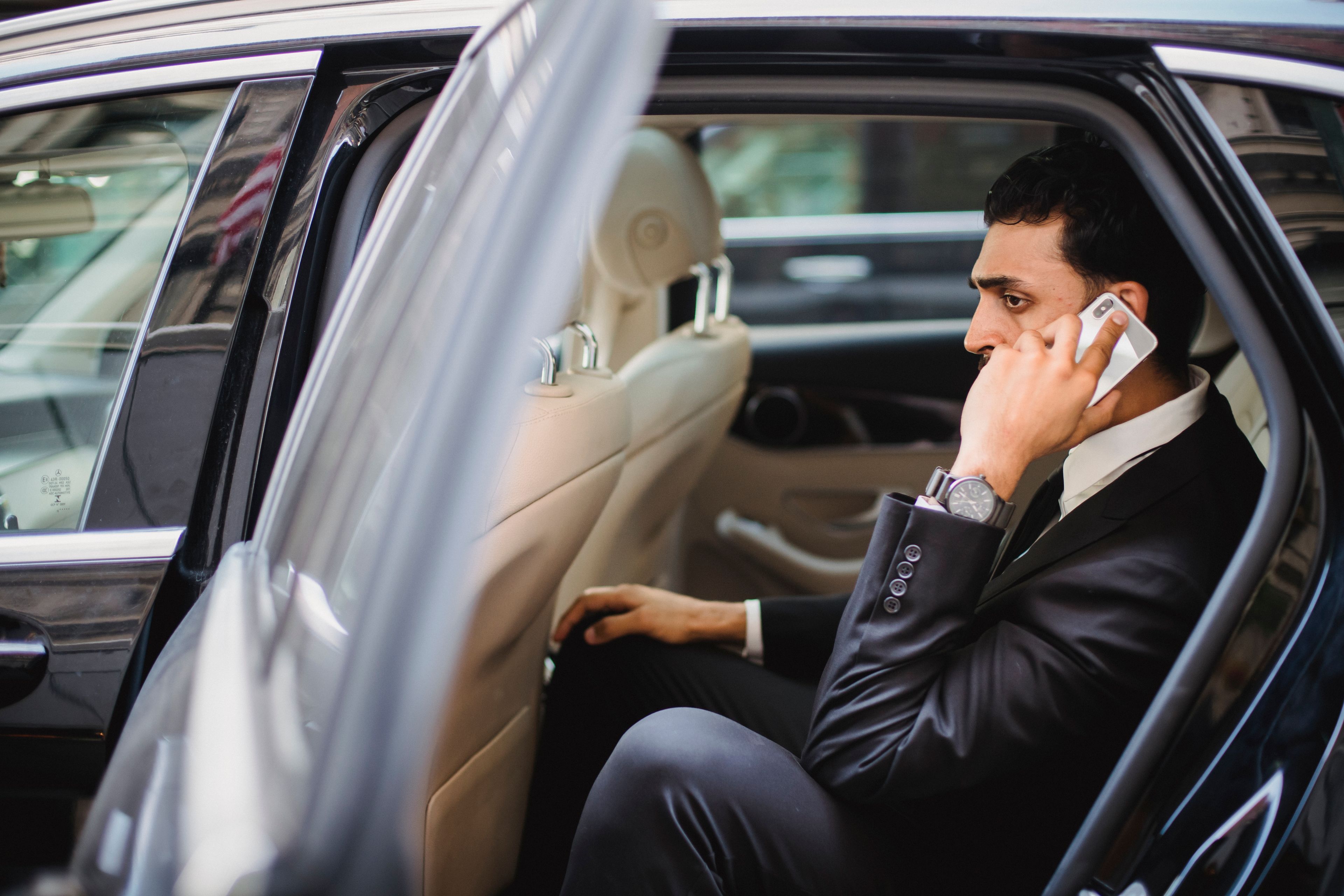
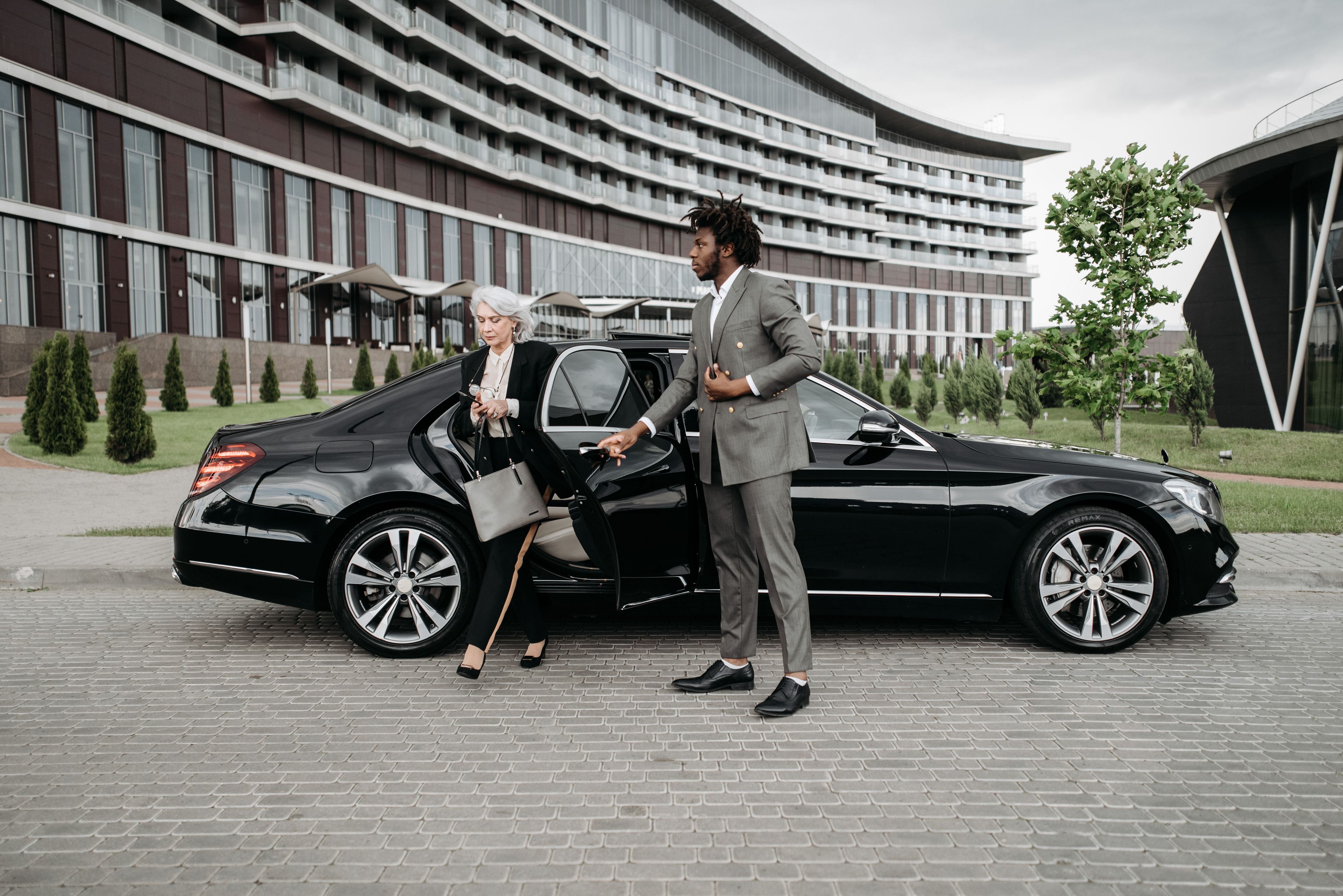
A professional chauffeur, a prepared and unbranded car, punctuality that does not depend on luck, and complete silence afterwards. Bookings are handled by as few people as possible, arrival and departure points are agreed beforehand rather than improvised, and the chauffeur takes their instructions from whoever you tell us they should take them from. That is the substance of it.
Where a booking genuinely differs is in the planning around it. Alternative routes considered in advance, a departure point that is not the front door, a car that waits out of sight, timings built with margin so that nothing has to be rushed in public. All of that is arrangement rather than capability, and it is available to anybody who asks for it, profile or no profile.
The line we will not blur
Our chauffeurs are not close protection officers, are not security-trained, and hold no licence to act in that capacity. They will not screen a venue, manage a crowd, intervene in a confrontation or take responsibility for anybody's physical safety beyond driving carefully and locking the doors. Any company suggesting otherwise about its drivers is describing work they are not licensed to do.
We say this bluntly because the consequences of a vague answer fall on the client rather than on us. If your situation calls for protection, engage a properly licensed provider and let them do their job; the driving is a separate discipline and it is the one we are good at. Being clear about the boundary is more useful to you than an impressive-sounding hint.
Working alongside a security team
Where a client travels with their own team, our role becomes simpler rather than more complicated. The chauffeur drives and follows the plan; the team makes the decisions within their remit. What makes that work is a briefing before the day rather than a conversation on the pavement, so everyone knows who is directing what and when, and nobody is improvising a decision that somebody else has already made.
Send us the practical requirements in advance and they are built into the booking rather than requested on the morning. The items below are the ones that most often need agreeing, and none of them is unusual to us. If your team has a preferred way of doing something, we would rather adopt it than explain ours, because consistency for the client matters more than whose method it is.
- Who briefs the chauffeur, and whose instructions they follow on the day
- Agreed arrival and departure points, with alternatives already considered
- Whether a second vehicle is needed for the team or the luggage
- How the chauffeur should behave at the kerb, and whether to leave the car
- What is said if anybody asks who the car is waiting for
- Contact arrangements while the car is holding rather than moving