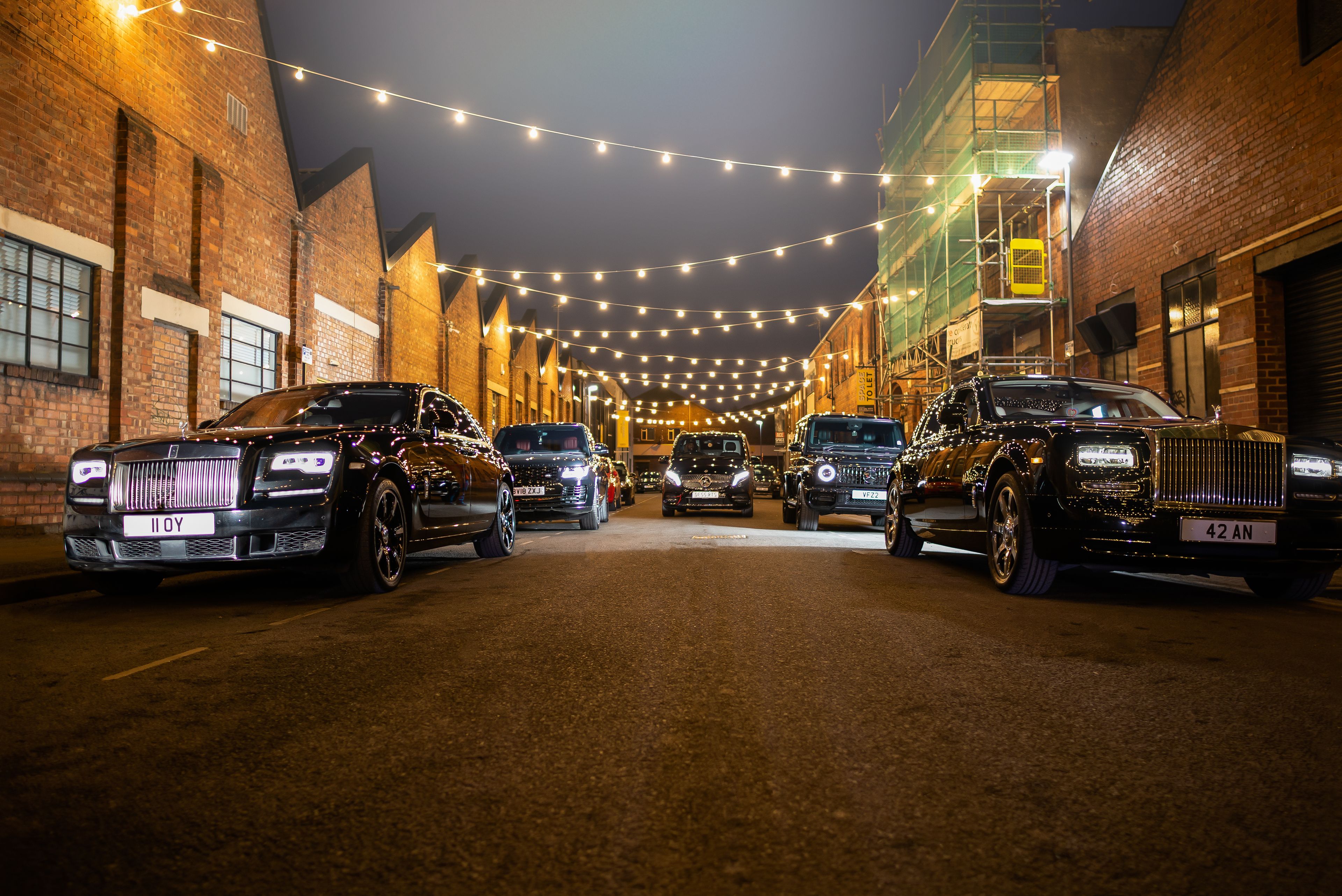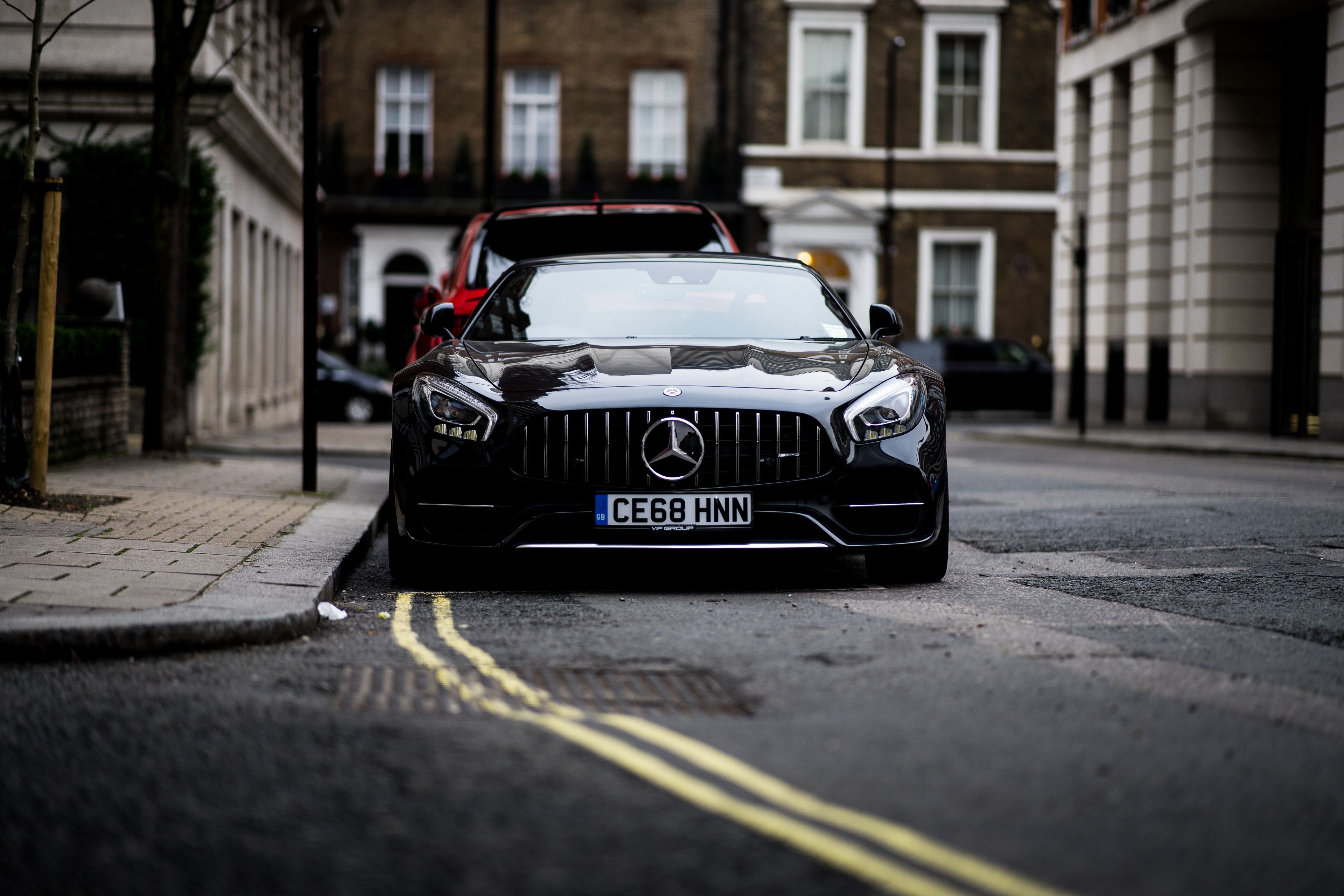




Production travel has a rhythm of its own. Call times move, unit bases relocate, a scene overruns and suddenly the schedule everyone agreed at seven in the morning bears no resemblance to the afternoon. Transport that assumes the plan will hold is transport that fails by lunchtime.
What works instead is capacity held for a window, chauffeurs who understand that waiting is the job rather than an interruption to it, and a single written thread where changes land in one place. Most of what a production office needs from a chauffeur company is the ability to absorb change without a fuss.
What production travel usually looks like
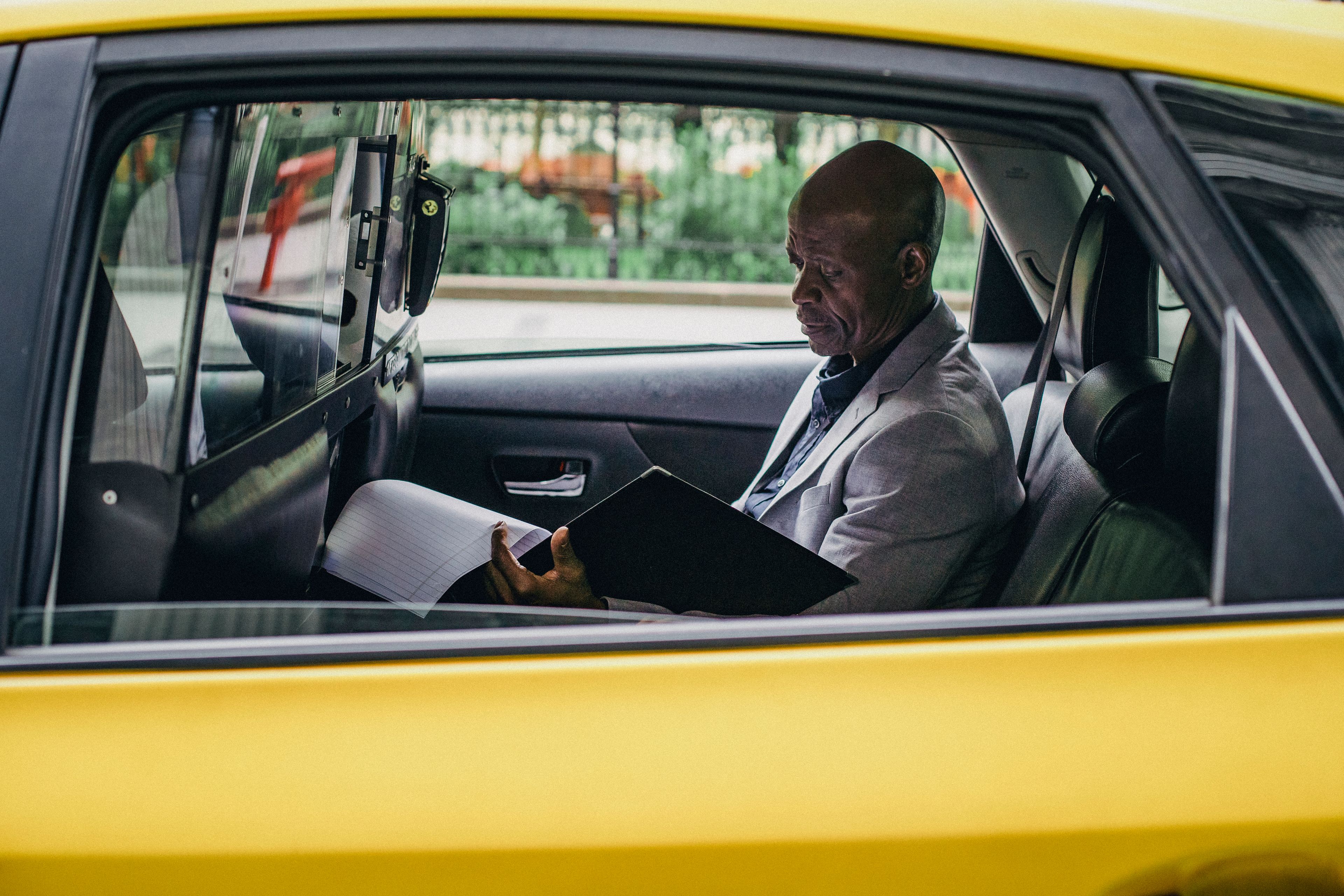
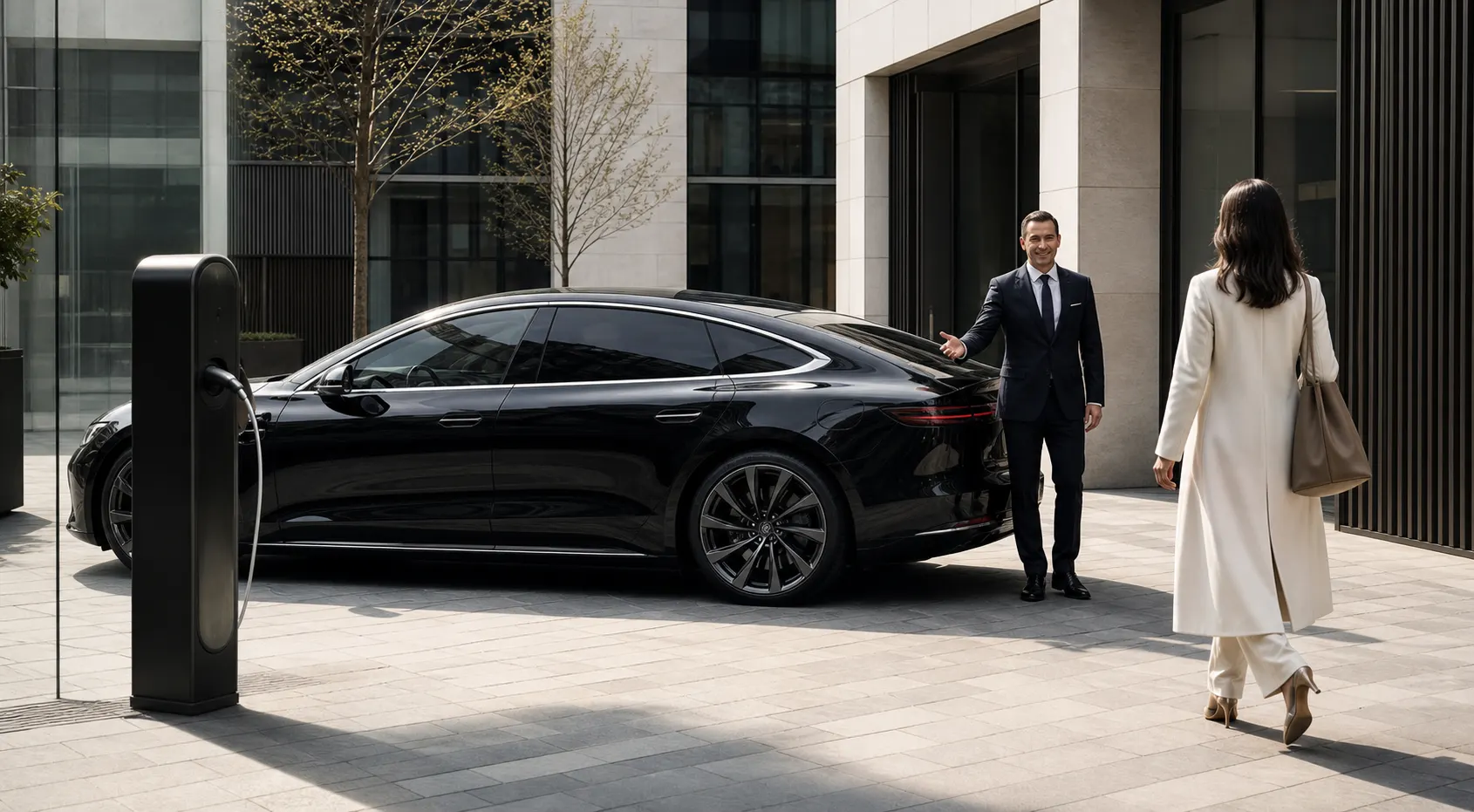
The most common arrangement is one or more vehicles held for a shooting day, moving talent between hotel, unit base and location, with the same chauffeur throughout so nobody is briefing a stranger at each turn. Around that sit airport runs for arriving cast, press day shuttles between interviews, and late returns after a wrap that lands hours from where it was meant to.
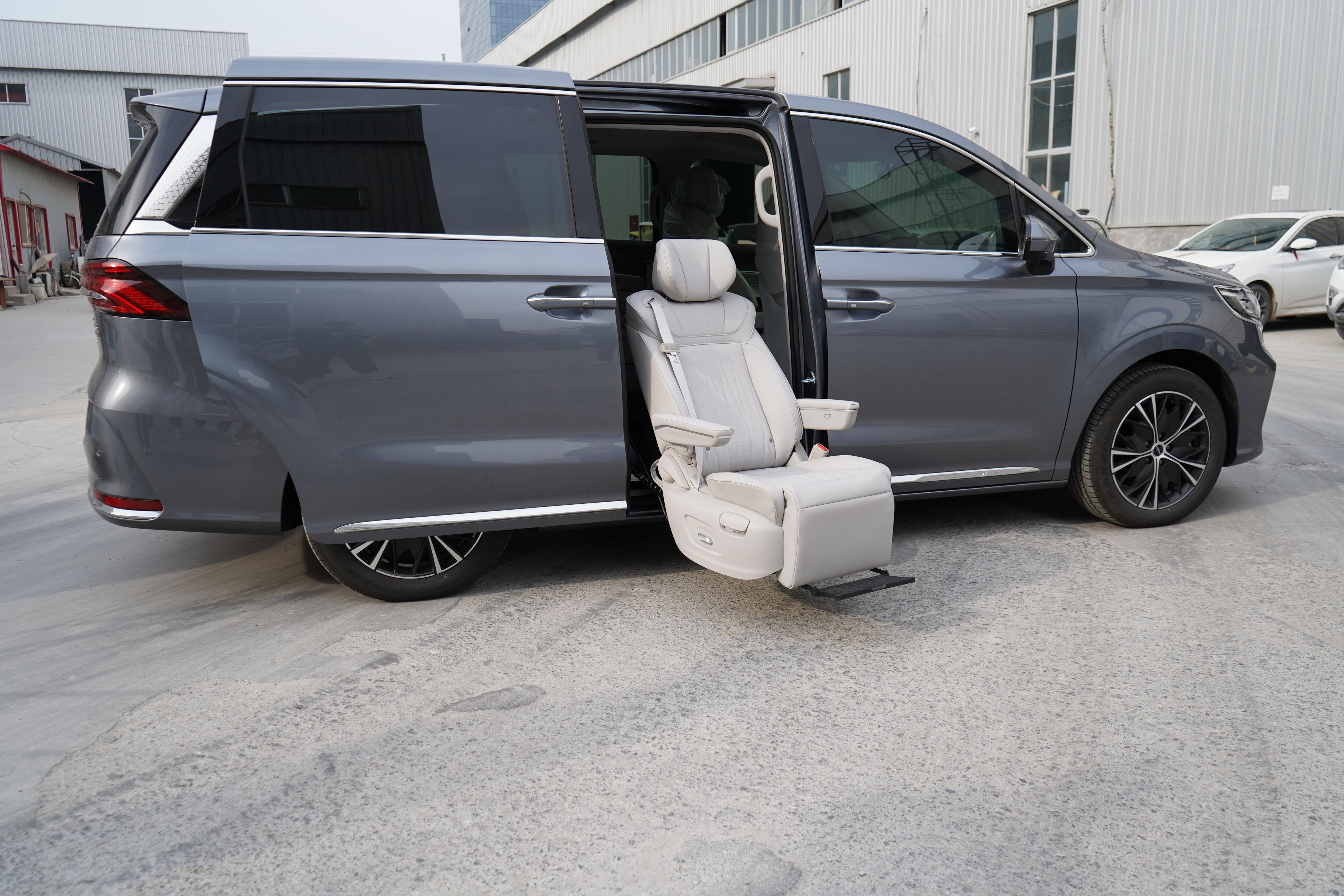
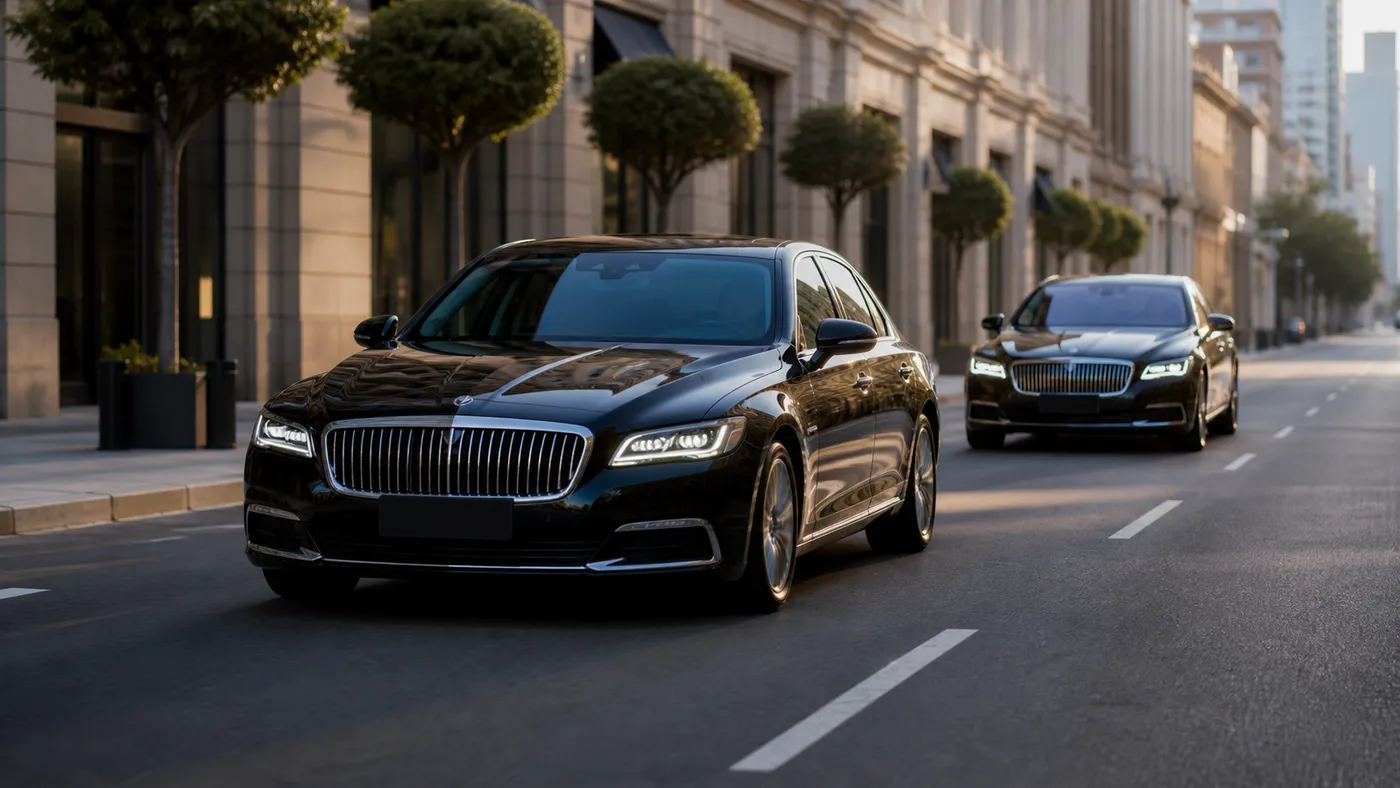
Vehicles are unbranded, which matters more on this work than most. A car with company livery outside a hotel entrance tells anyone watching who is inside it, and on productions where cast movements are of interest to photographers that is exactly the wrong signal. Discreet cars parked sensibly attract no attention at all.
What the production office should send
The more we know at the point of booking, the less has to be resolved by message at six in the morning. A single briefing covering the following is usually enough to get a shooting day set up properly.
- Dates, call times and expected wrap, however provisional
- Unit base and location addresses, with access or parking notes
- How many vehicles are needed, and the passenger count for each
- The one contact who authorises changes during the day
- Any confidentiality requirements to be agreed in writing
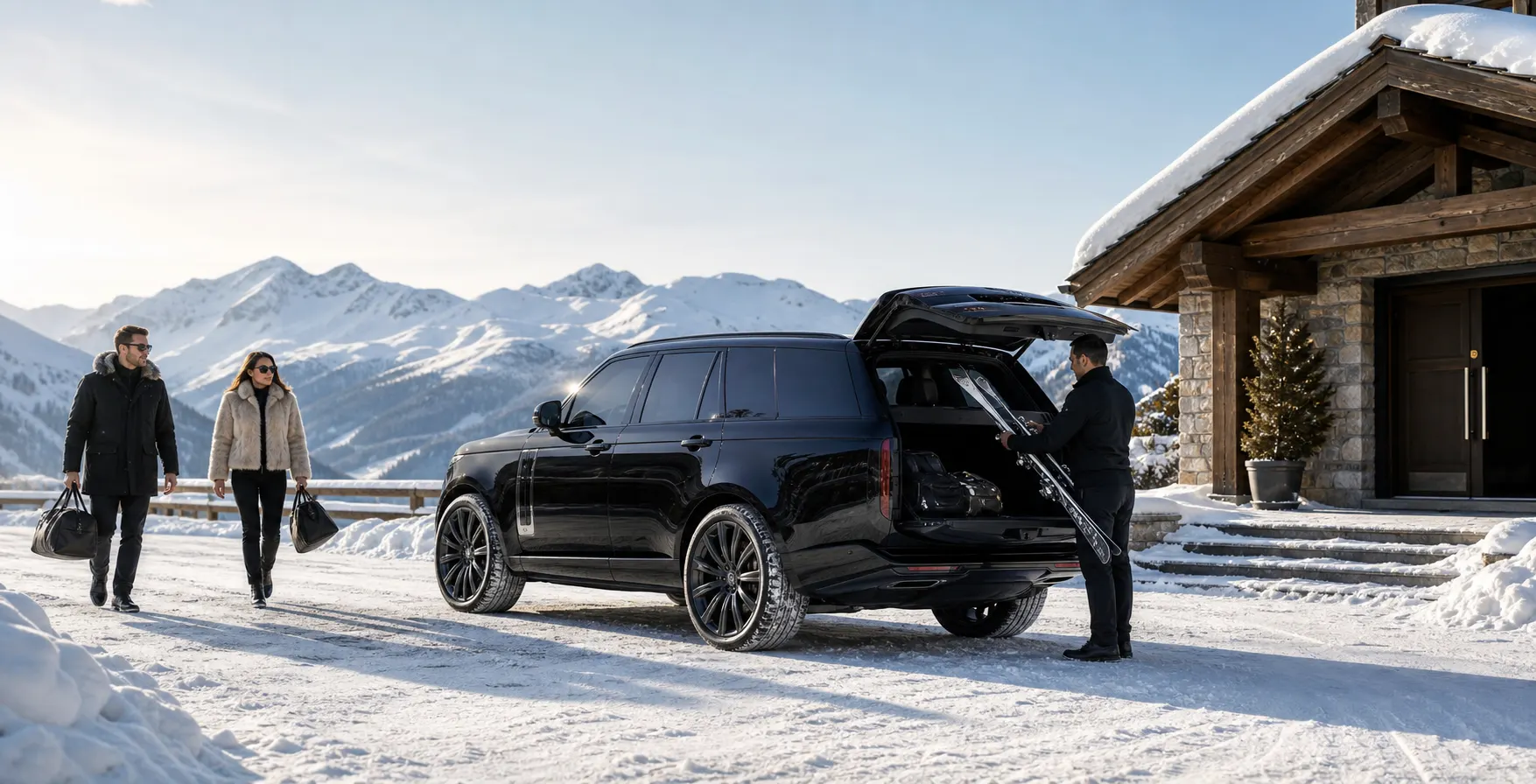
- Whether luggage, equipment or wardrobe travels with passengers
Waiting, discretion and the realities of a shoot
Waiting is the largest part of production work and it is priced and planned as such. A chauffeur on a shooting day expects to spend most of it parked, staying reachable and ready to move at short notice. That is a different discipline from a transfer, and it is worth booking the hours honestly rather than hoping a series of one-way runs will cover it.
On discretion, chauffeurs do not discuss passengers, destinations or anything said in the car as a matter of course. Where a production requires formal confidentiality undertakings, those can be agreed in writing before the booking begins. We hold no affiliation with any studio, broadcaster or production company and take each booking on its own terms.