






Production runs on a document that changes every evening. The call sheet decides what happens tomorrow, who is needed and when, and it is often finalised long after most businesses have gone home. Any transport arrangement that cannot absorb a revision issued at half past ten at night is not really an arrangement for this industry, whatever else it may happen to be good at.
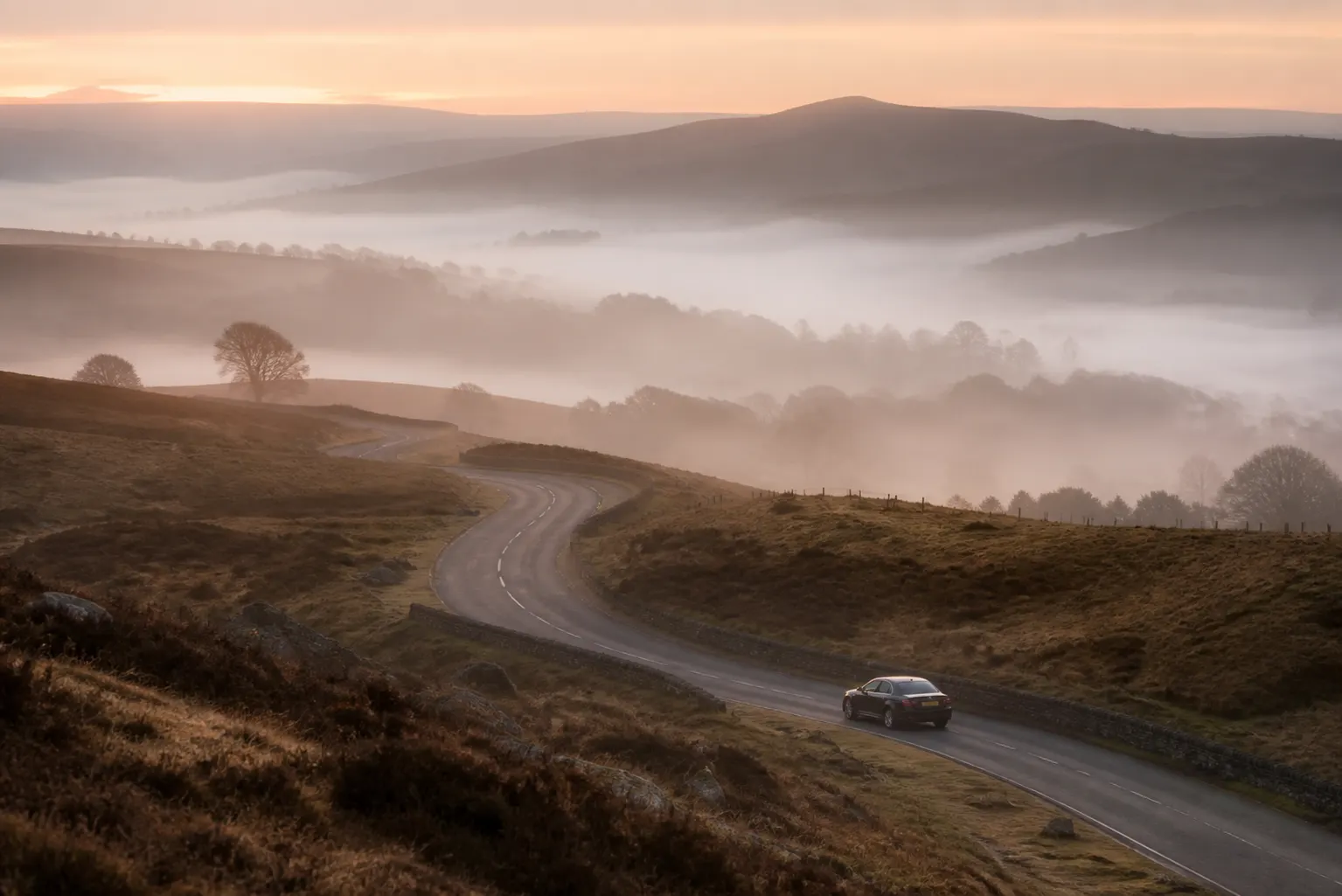
The other defining feature is the hour. A six o'clock call at a studio in Hertfordshire means a car outside a flat in west London before five, in the dark, quietly, without waking a street. Getting that consistently right for weeks at a time is a specific discipline, and it is the part productions care about a great deal more than the badge on the bonnet.
Call sheets and the night-before change
Almost every problem in production transport starts with information arriving late, which is not a failure of anyone's organisation so much as the nature of the work. Weather moves a scene, a location falls through, an actor is released early and three pickups shift by ninety minutes. The supplier who can take that at eleven at night and confirm it before midnight is the one who gets used again on the next job.
Practically, this means giving a coordinator a direct route to somebody who answers, rather than a booking system that closes at six. It also means booking chauffeurs for periods rather than journeys, so a change of time within an agreed window does not require rebuilding the whole arrangement. Where a shoot has a fixed run of days, holding the same vehicles across the block removes most of the nightly negotiation entirely.
Early calls done quietly
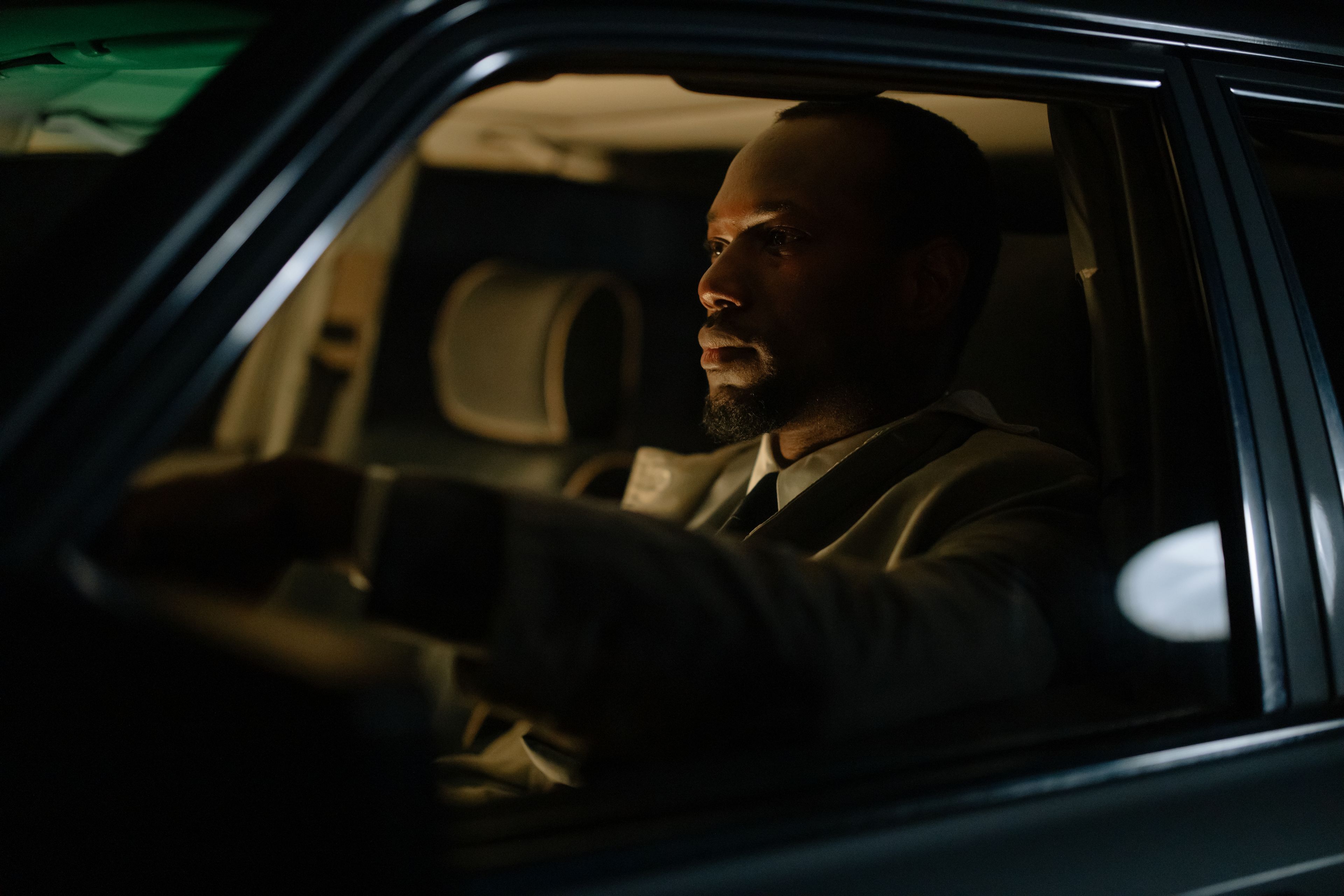
A four-forty pickup is a craft of its own. No horn, no headlights into a bedroom window, no phone call that wakes a household. The chauffeur arrives a few minutes early, parks where the car is visible from the door, and sends one message to say he is outside. If nobody appears, he waits and messages again rather than escalating. It sounds trivial written down, and it is the difference between a good relationship with talent and a complaint by day three.
Cabin conditions matter at that hour too. A warm car, low lighting, no radio unless asked, still water in the door and a genuinely quiet ride. Many passengers will sleep for the first half of the journey, and a chauffeur who understands that drives smoothly rather than quickly. On a long transfer to a location, that recovered hour of sleep is a real contribution to what happens on set later.
Unit moves and location access
Studios and locations are rarely convenient. British production is spread across Buckinghamshire, Hertfordshire, Surrey, Cardiff, large purpose-built complexes and a great many fields with a gate and a temporary sign. Access rules differ everywhere: some sites require a vehicle pass issued in advance, some restrict entry to one specific gate, some have a unit base a mile from where anybody actually needs to be set down.
Send the location details and any access arrangements to the supplier in advance rather than assuming the chauffeur can resolve it at the barrier. Registration numbers often need to be supplied ahead of time. Where a location is genuinely remote, a chauffeur who has driven it before is worth requesting by name, because a wrong turn on an unlit single-track road at five in the morning costs everybody twenty minutes nobody has.
Talent transport and discretion
The people being carried are frequently recognisable, and the professional standard is to behave as though they are not. No photographs, no mentioning who was in the car, no posting anything whatsoever, no conversation at the gate about the schedule. A chauffeur assigned to talent for a run of days should be a fixed, named person, because the relationship itself is part of what makes the arrangement work at that hour of the morning.
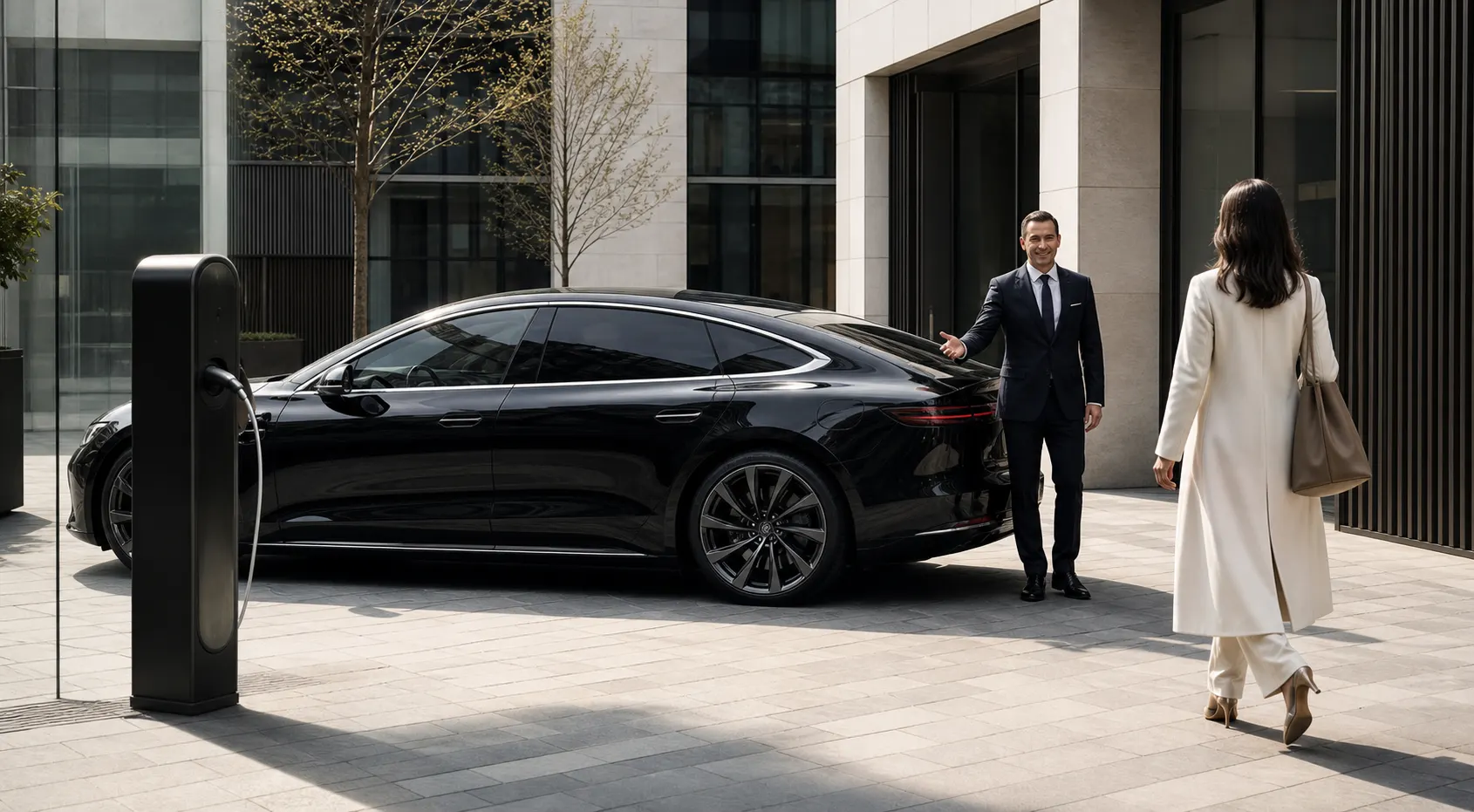
Vehicles should be unbranded, clean, dark and unremarkable. The aim is a car that attracts no attention outside a hotel or a stage door. If a production has particular requirements around arrival points, waiting positions or how a departure is handled, set them out in writing at the start and they become routine rather than something renegotiated every day.
It is worth being clear about what a chauffeur service is not. Our chauffeurs are professional drivers, not protection personnel. Where a production has a genuine security requirement, that is a separate specialism and should be arranged with people who do it.
Press days, junkets and premieres
Publicity travel is a different problem from shooting travel: many short journeys, tight sequencing, several people moving in different directions, and venues usually in central London with poor set-down. A junket day might involve a hotel suite, two broadcast studios and a screening, with a car needed at each end of every leg and no more than a few minutes of slack anywhere in it.
The efficient approach is a small number of cars held for the whole day and coordinated by one person, rather than a larger number booked point to point. Premieres add their own complication with road closures, accredited vehicle routes and a departure everybody wants to happen simultaneously. Agree the drop-off and collection point with the venue in advance, and give the chauffeurs a realistic place to wait in between.
Arranging production accounts
Productions are temporary companies carrying permanent-sized logistics, and the administration usually needs to be tidy for the same reason. Bookings can be grouped by production, by department or by episode block so the paperwork reconciles against the way the budget is actually structured, and journey references can be recorded in whatever form your accounts department needs them.
Arrangements are made over WhatsApp or email. Send the shape of the shoot, the number of vehicles likely to be needed and the run of dates, and you will receive written quotations covering the vehicles, periods and terms. Where a production wants an account so coordinators can book without individual approvals, the arrangements are agreed and confirmed in writing when it is opened.