




Long-distance work is one of the least understood parts of chauffeur travel. People assume a private car is for short hops and that anything beyond a couple of hours belongs to the railway. In practice the opposite is often true: the further you go, the more a chauffeured car earns its place, because the alternative involves changes, connections and luggage you carry yourself.
London to Edinburgh, Cornwall to the Lake District, a Kent village to a Scottish estate — these are ordinary requests rather than exotic ones. What matters is not whether the distance is possible but how the day is built, where the breaks fall, and whether one chauffeur can properly cover it or a second should be arranged.
Where the real limit sits
A chauffeur is a professional driver and is subject to the same fatigue realities as anyone else behind a wheel for a living. Rest breaks are not optional extras to be skipped because the schedule looks tight; they are the reason the final hour of a long drive is as safe and as smooth as the first. We plan around them openly rather than hoping nobody notices.
On genuinely long days, or where a substantial outward drive is followed by a return the same evening, the honest answer is sometimes a second chauffeur, an overnight stay, or a departure the day before. We will say which of those your itinerary needs. A quotation that ignores rest in order to look better on paper is not doing you any favours.
Distance is really a question of hours
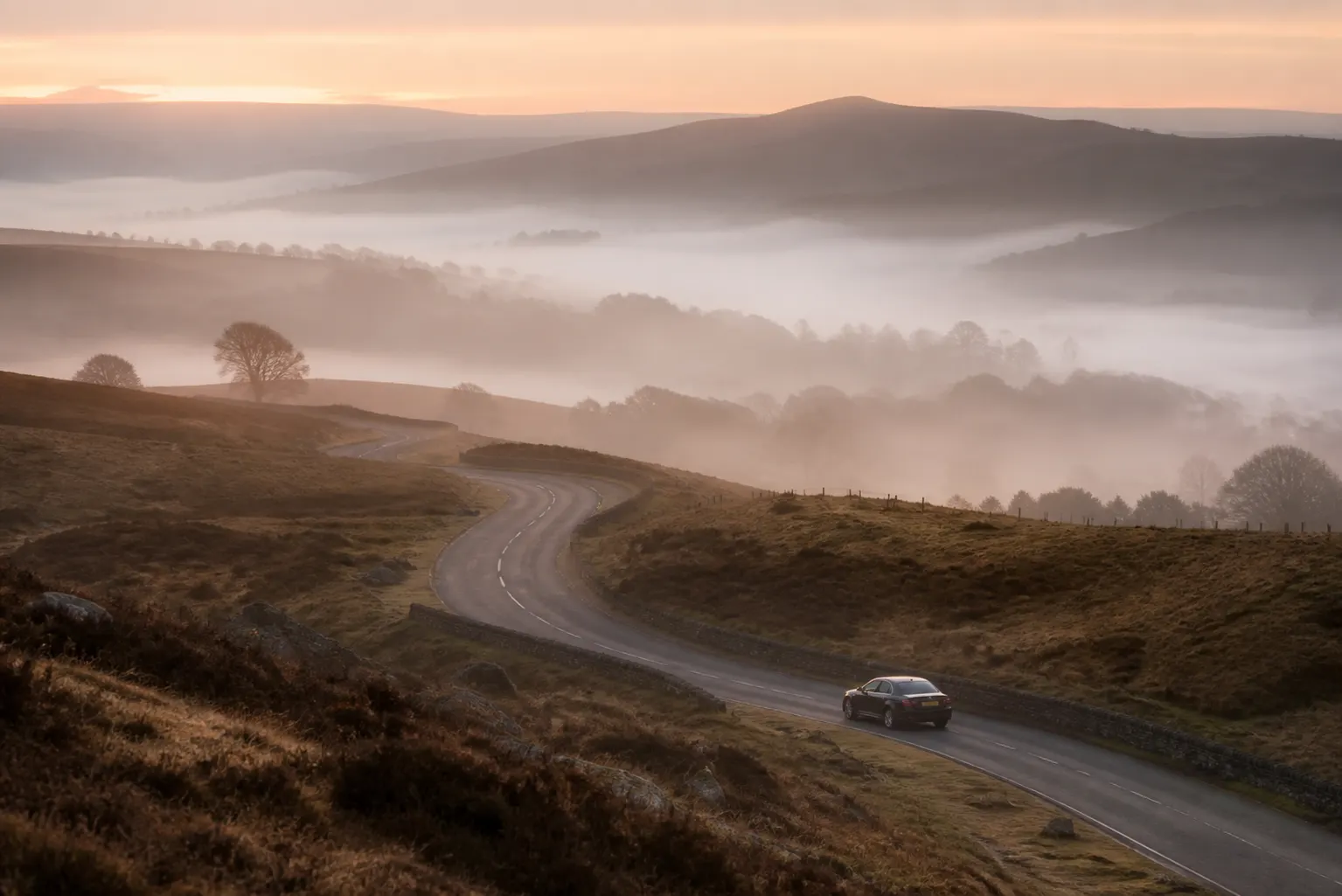
Motorway miles pass quickly and rural ones do not. Two hundred miles up the M1 is a different proposition from a hundred and twenty through the Highlands or across the Welsh borders, where average speeds fall and the day stretches. When we quote a long journey we work in hours behind the wheel rather than miles on a map, and that is usually the figure worth discussing.
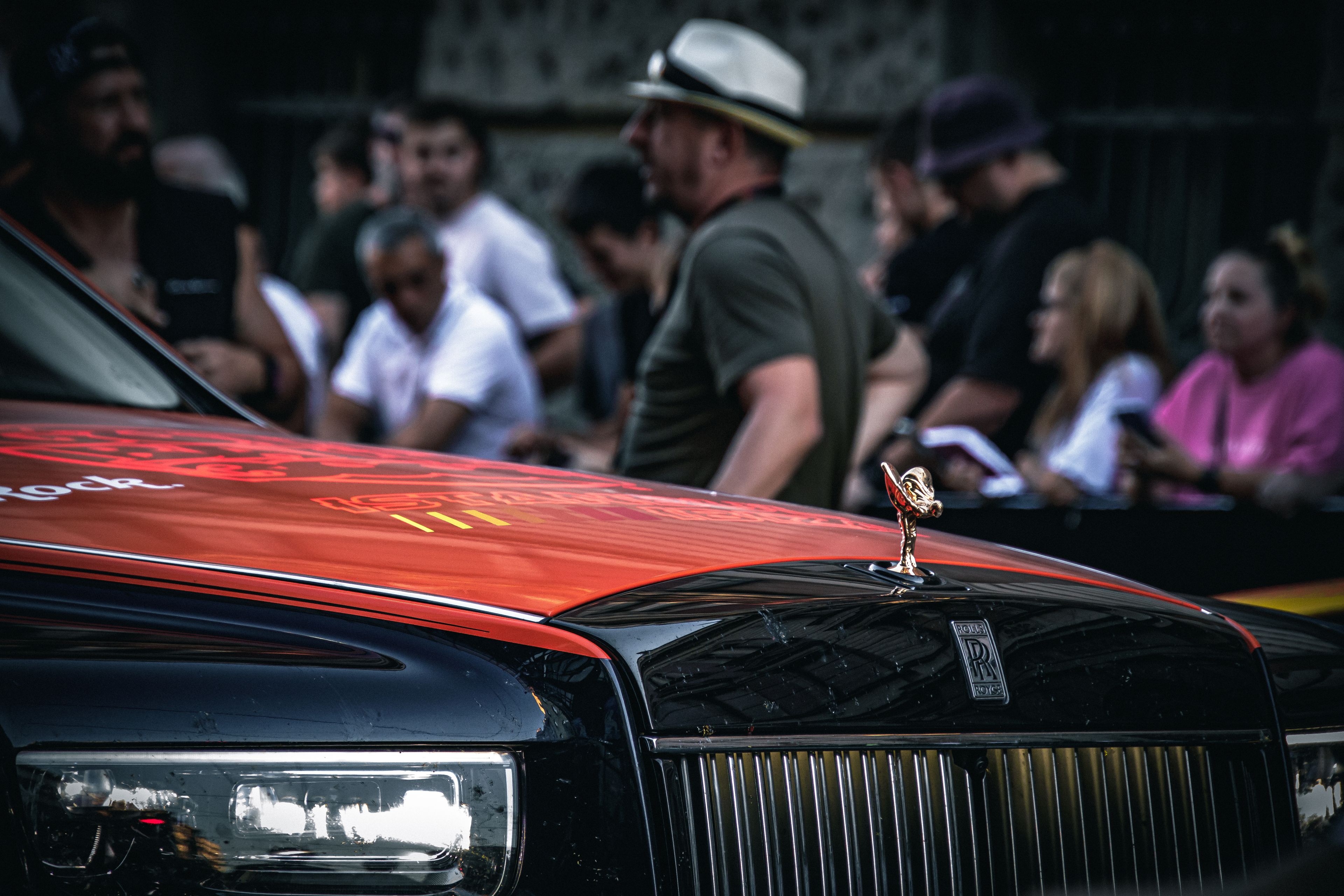
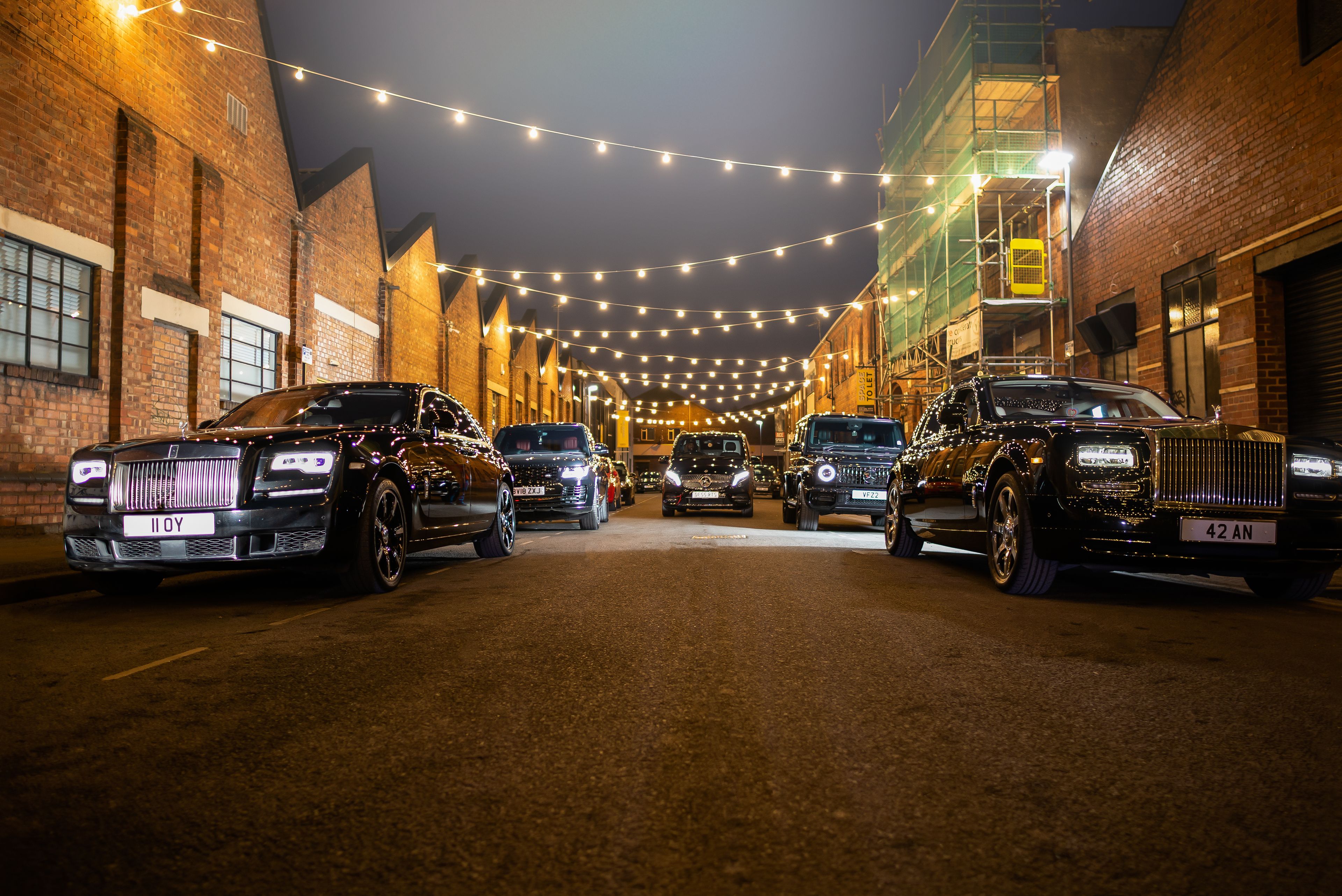
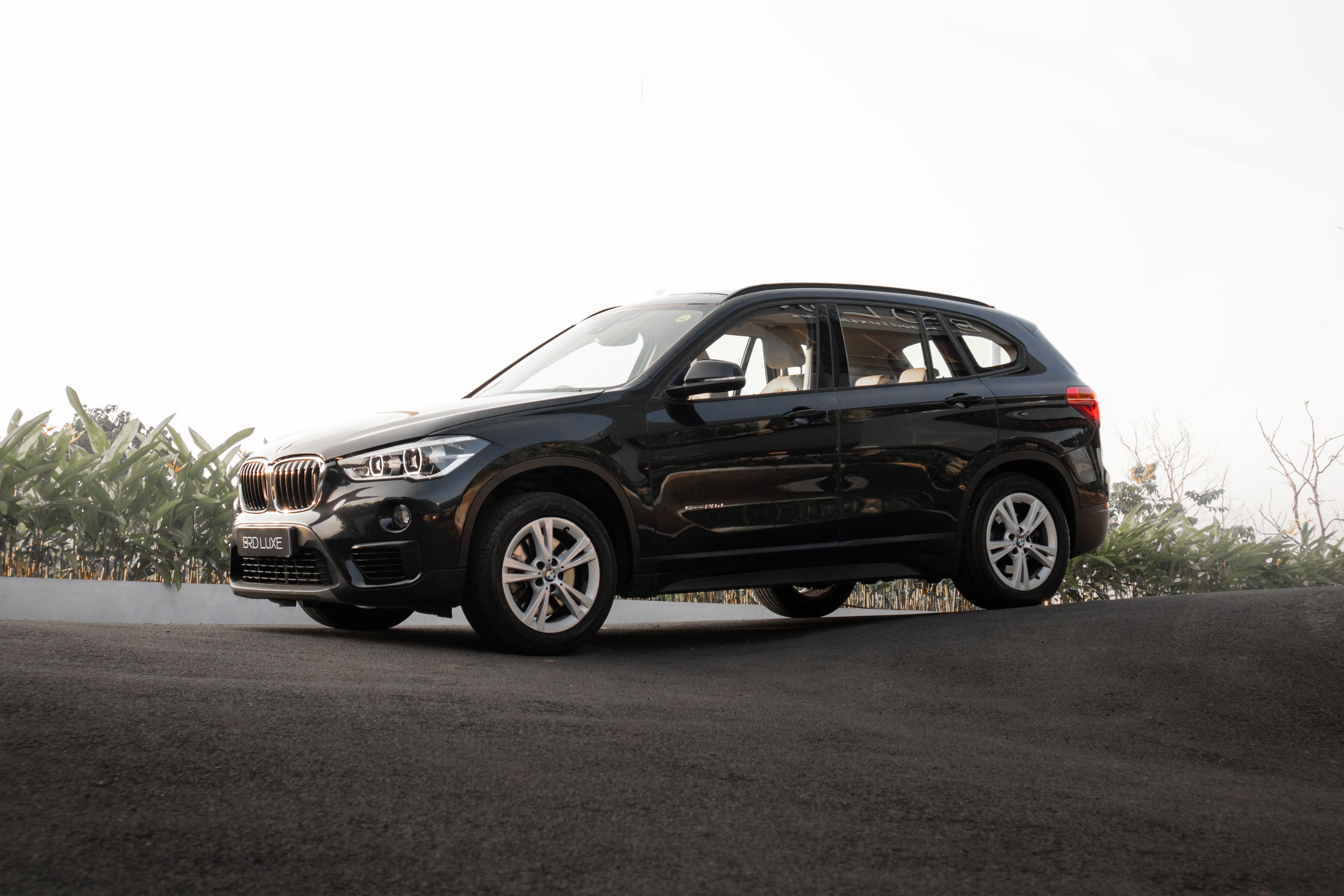
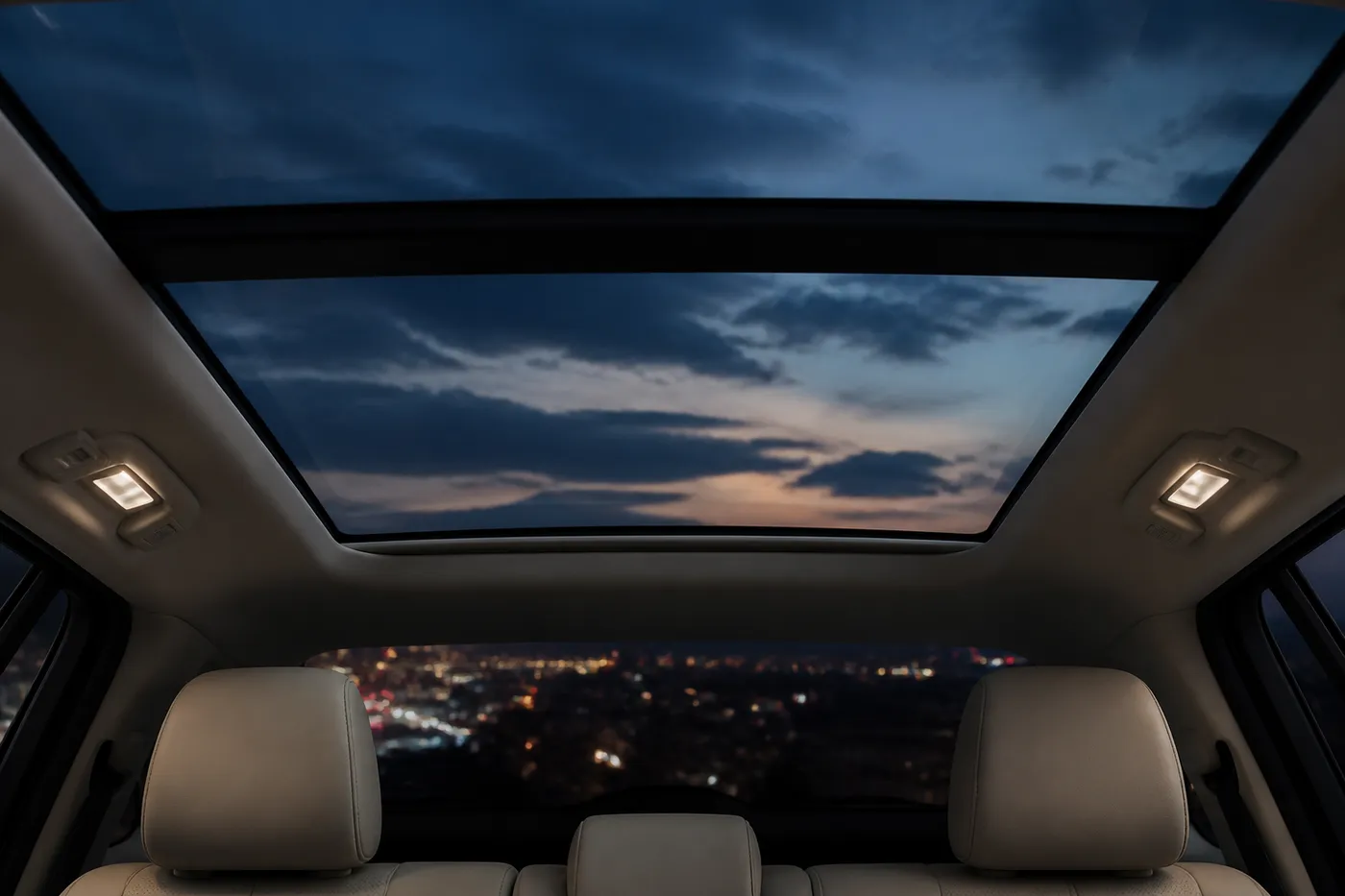
For the passenger, the flagship saloons and the larger MPVs change the arithmetic considerably. Reclining rear seats, proper insulation and rear climate control turn five hours from an ordeal into something closer to a study or a nap. On a long booking we will often recommend a bigger car than the passenger count alone suggests, purely because of what it does to the last two hours.

Multi-day and touring arrangements
Beyond a certain length, a journey stops being a transfer and becomes an itinerary. The same car and the same chauffeur stay with you throughout, your luggage lives in the boot, and each day is built around the fixed points you have already booked rather than around the road.
- The same vehicle and named chauffeur across the whole itinerary
- Chauffeur accommodation arranged by us and stated in the quotation
- Driving days shaped around your reservations, not the other way round
- Realistic daily distances, with stops and photographs allowed for
- Luggage staying in the car between hotels rather than being reloaded
- One written schedule covering every leg, agreed before you travel
Deciding whether to drive or fly
We would rather advise you honestly than take an unsuitable booking. For London to Glasgow with a single passenger and a morning meeting, a shuttle flight plus a car at each end is very often the better answer, and we will say so and arrange the ground legs instead.
The car wins when several of you are travelling, when the luggage is awkward, when the destination is genuinely rural, or when the journey itself has value — a scenic route through the Cotswolds, a working day spent on calls, a family who would rather not queue at a gate. Describe the shape of the trip and you will get a straight view on which makes sense.