







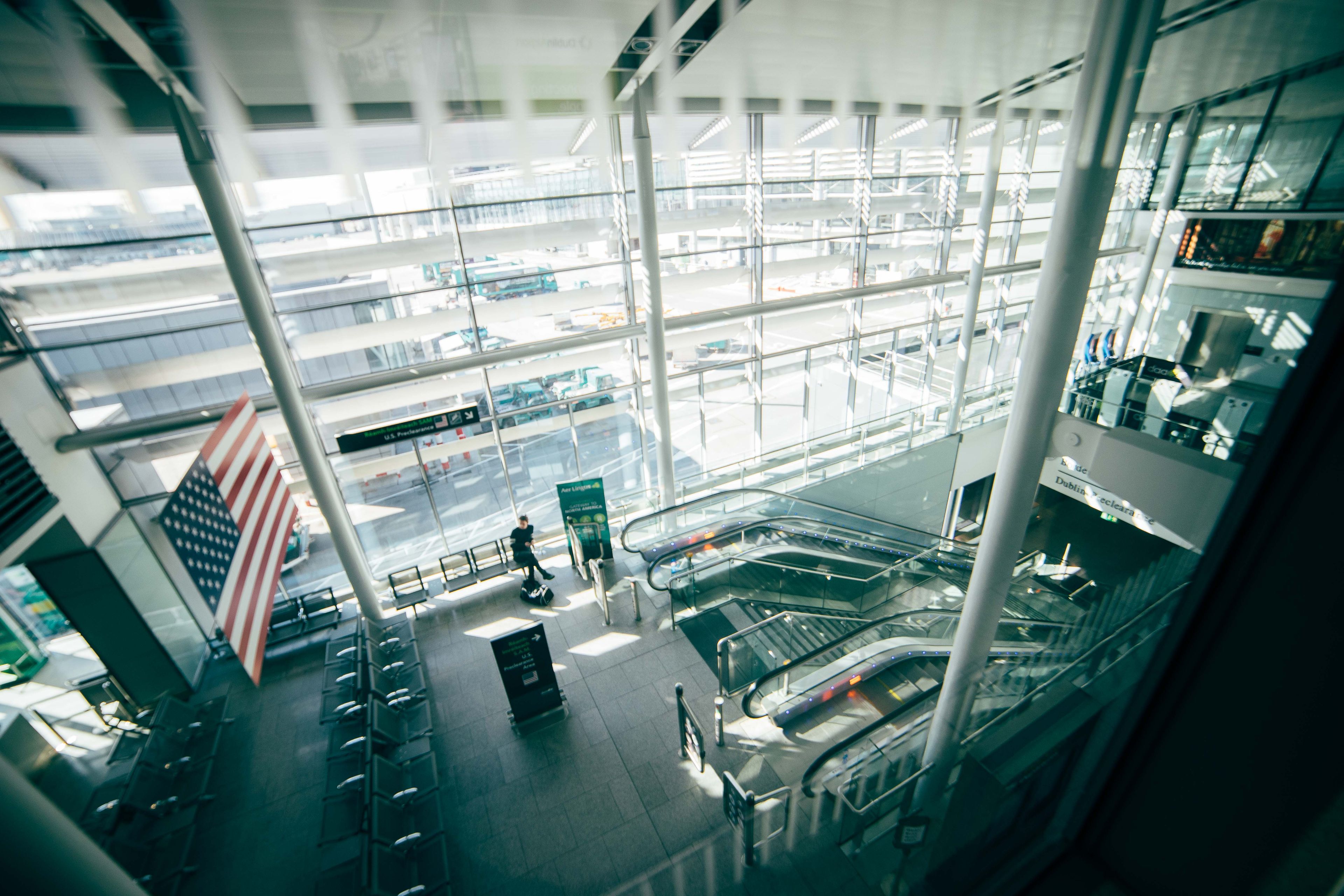
Landing early is one of the few pleasant surprises in air travel, and it is also one of the most common reasons people message us from a baggage hall. The worry is understandable. You have arrived twenty-five minutes ahead of the time on the ticket, and somewhere outside there is a car that was booked against a different number. It feels like something has already gone wrong.
Almost always it has not, and the reason is a gap that passengers rarely think about: the distance between the aircraft touching down and you walking out of the customs channel. That interval swallows most early arrivals entirely. This page explains what actually happens, what we do about it, and the small number of situations where an early landing genuinely does need a decision.
How often flights land ahead of schedule
More often than the popular image of air travel suggests. Airlines build padding into published schedules to protect their punctuality figures, and on a day with a favourable wind and a clear approach, an aircraft can arrive noticeably ahead of the printed time. Short-haul services within Europe and domestic hops are the usual candidates, though it happens across the board.
What varies far more is the time between landing and being outside. The published arrival time refers to the aircraft reaching its stand, not to you reaching the door. Everything after that, taxiing, the airbridge, border control, the reclaim belt and the customs channel, is entirely outside the airline's schedule and is where most of the real variation lives.
- Airlines build padding into published schedules to protect punctuality
- A favourable wind can bring a short-haul service in noticeably early
- The published time refers to the aircraft on stand, not to you outside
- Taxiing, disembarking and reclaim all happen after that moment
- Cabin-baggage-only travellers are the ones who genuinely get out early
What the chauffeur is doing at that moment
Being early, in almost every case. A chauffeur on an arrivals booking aims to be parked and inside the terminal before the aircraft is expected, not at the moment the flight is due. That habit exists precisely because early landings happen, and it means the board is usually already up while passengers are still on the airbridge.
It is worth being clear about what this is and is not. Sharing your flight number lets us plan around the published schedule and the clearance times we would ordinarily expect at that airport. We are not operating a live tracking service and we do not claim to. What we are doing is planning conservatively, which produces the same practical result without pretending to a capability we do not have.
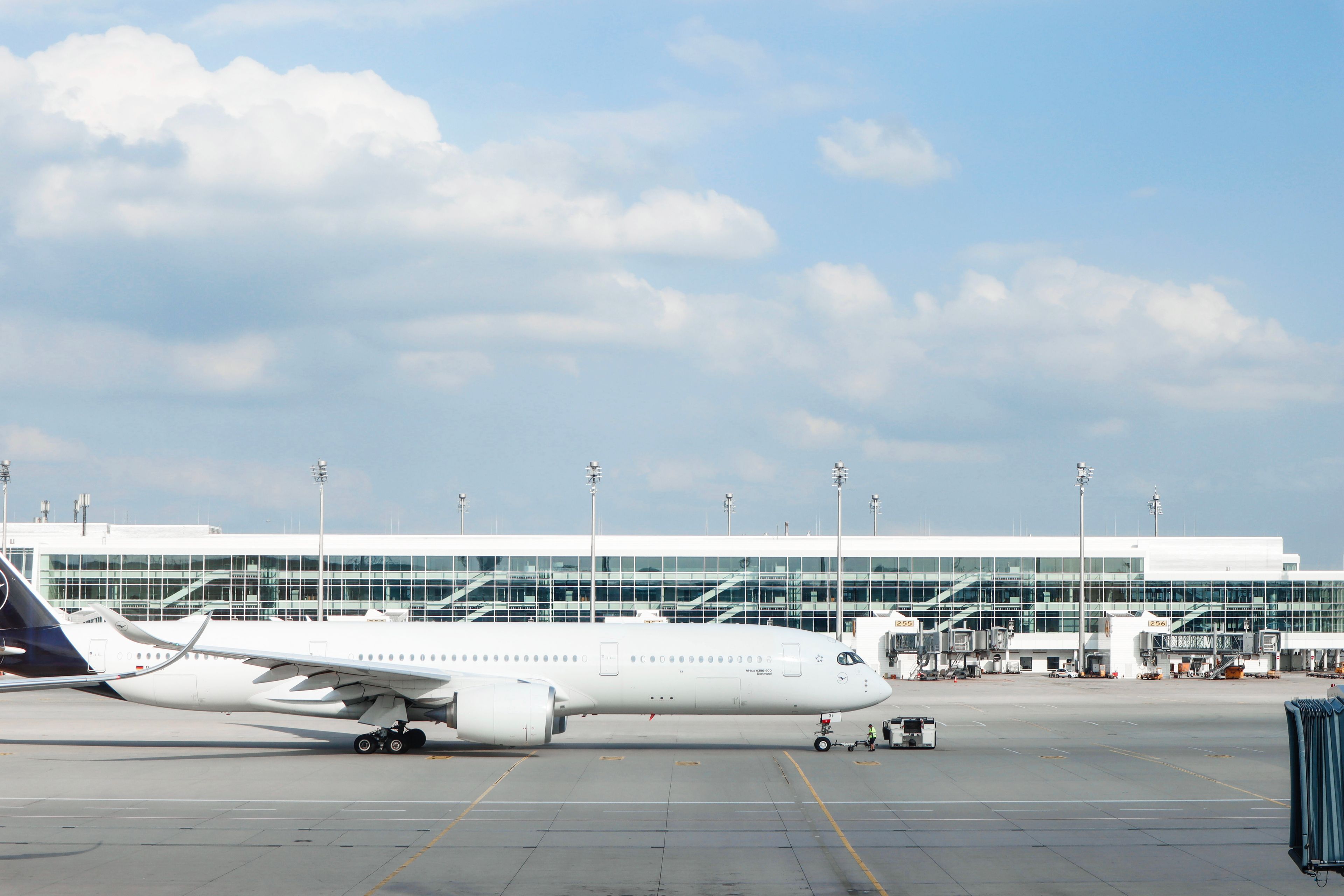
The gap between wheels down and the hall
This is the part that quietly rescues most early arrivals. Even at a small airport, the interval between the aircraft landing and a passenger walking out with luggage is rarely trivial. Taxiing to stand takes time, disembarking a full aircraft takes time, and the reclaim belt operates on its own schedule regardless of how early you arrived.
At a large hub the same sequence can take considerably longer, with a walk to immigration, a queue, and a further walk to the baggage hall. Twenty minutes gained in the air is easily absorbed by that process. It is why an early landing so seldom results in a passenger standing in an empty concourse, and why the panic that accompanies it is usually unnecessary.
The exception is the traveller with cabin luggage only on a domestic route, who can be through the building remarkably fast. That is precisely the arrival where telling us your bag situation at the point of booking earns its keep, because we plan the collection differently when we know there is no reclaim to wait for.
If you are out before the board appears
It happens occasionally and it is entirely manageable. The right response is a message rather than a search. Tell us on WhatsApp that you are through, say where you are standing, and stay put. Walking around a terminal looking for someone who is looking for you is the one approach that reliably makes things take longer.
The steps below are what we would suggest, in order. None of them are urgent and none of them involve standing outside in the weather. An arrivals hall is a perfectly comfortable place to spend a few minutes, and the alternative, which is being met by nobody at all, is not what is happening here.
- Send a WhatsApp message saying you are through, with the time
- Stay in the arrivals hall rather than going outside to look
- Name a fixed point near you if the hall is large
- Do not move once you have said where you are
- Expect a reply quickly rather than a long silence
Why we do not simply arrive an hour early
The obvious solution to early landings would be to send every chauffeur to every airport an hour ahead. We do not, for a straightforward reason: an unnecessarily long wait has to be paid for by somebody, and it is not a good use of a chauffeur's day or of your money. The allowance we build in is sized to be genuinely useful rather than theatrically generous.
The better approach is to plan properly using the information you give us. The flight number, whether you have hold luggage, how many of you are travelling, and which terminal. With those four things a collection can be planned to a sensible window without needing an enormous buffer, and the rare early arrival is absorbed by the gap between landing and the hall.
Landing early on a connection day
The one situation where an early landing genuinely changes the plan is when you are connecting onwards by road, particularly to another airport or to a ship. Time gained is real time, and there is sometimes a case for leaving straight away and arriving comfortably early at the far end rather than sticking to the original schedule.
If that applies to you, tell us at the point of booking that the onward leg is time-critical. It changes how we hold the vehicle and how we plan the day. On the day itself, a message from the arrivals hall is enough to confirm you are out early and we adjust from there, which is a far better position than discovering a tight connection halfway down a motorway.