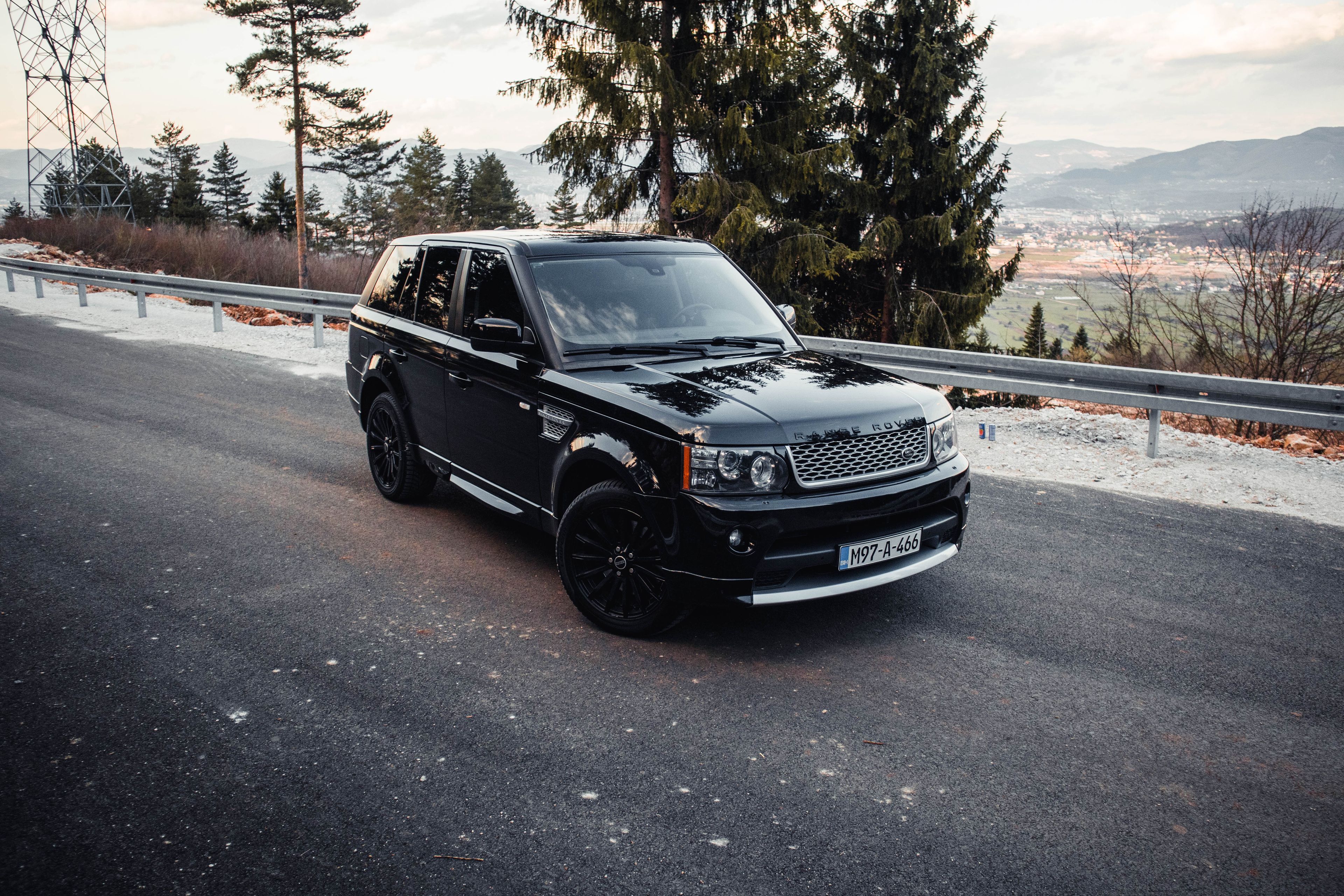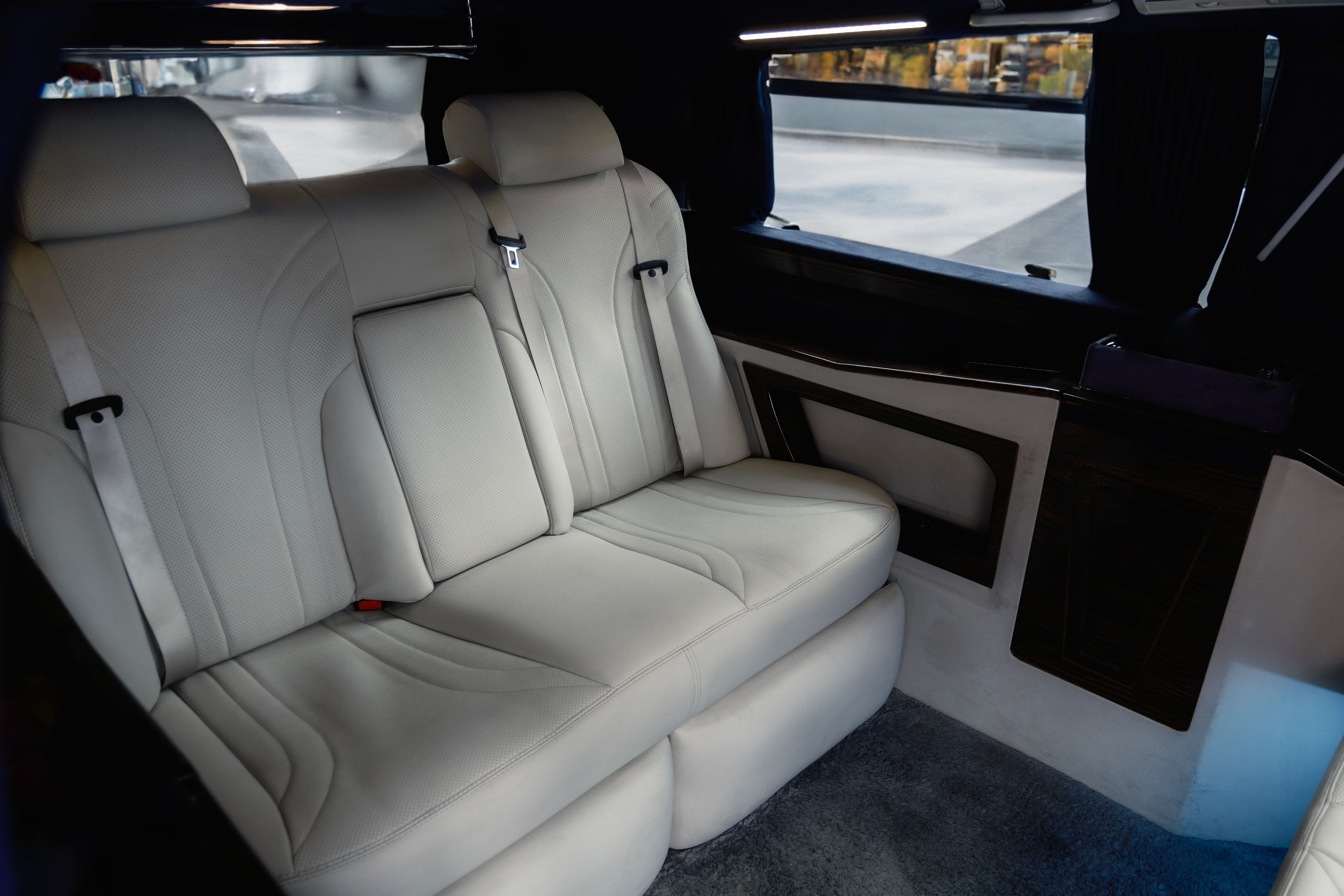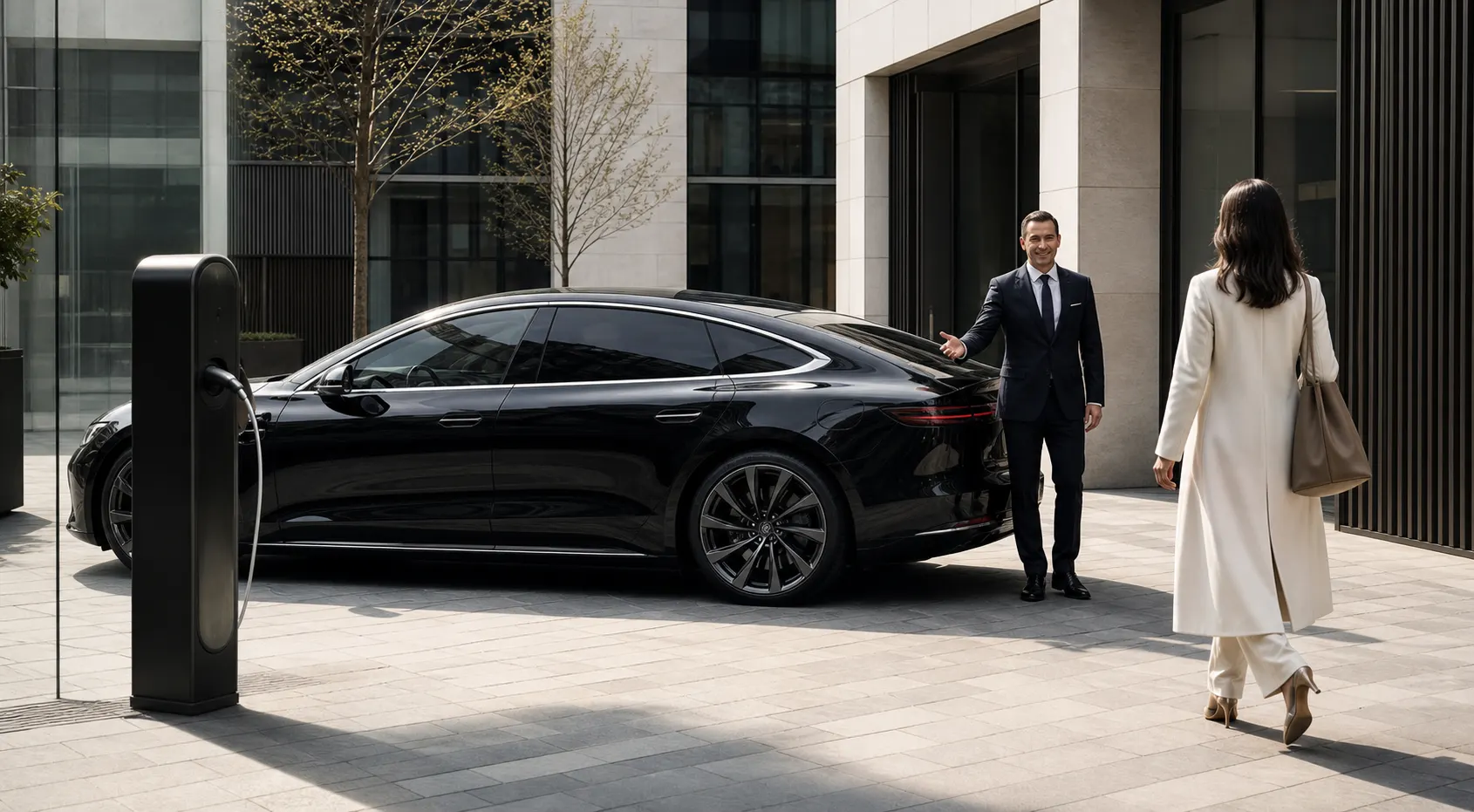








The phrase turns up in licensing paperwork, insurance schedules and airport signage far more often than it does in conversation, and it is worth knowing because it describes the legal basis on which your chauffeur car is permitted to carry you at all. Get the category wrong and the insurance behind the journey may not respond.
What follows sets out the definition, the three separate licences that make a private hire journey lawful, and where the term shows up when you are arranging travel. It also explains the practical consequences at airports and hotels, where private hire and taxi are treated very differently at the kerb.
The legal definition in plain terms
British licensing splits public passenger cars into two families. Hackney carriages, commonly called taxis, may be hailed on the street and may sit on ranks. Private hire vehicles may do neither. Every PHV journey has to begin with a booking accepted by a licensed operator, and the vehicle is then dispatched to that booking rather than picked up on sight.
The rule exists to protect passengers. Because a booking is recorded before the journey starts, there is a traceable record of which licensed driver was sent, in which licensed vehicle, to which address, at what time. That audit trail is the whole point of the category, and it is why a reputable chauffeur company will never accept a wave from the pavement.
Three licences behind one journey
A lawful private hire journey needs three separate licences valid at the same moment, issued by the same licensing authority. Transport for London licenses vehicles operating in the capital; elsewhere in England and Wales the licensing authority is the local council. If any one of the three is missing or expired, the journey is not properly licensed and the insurance behind it is compromised.
- An operator licence, held by the company that accepts the booking
- A driver licence, held by the individual chauffeur
- A vehicle licence, attached to the specific car being used
- Hire and reward insurance covering the vehicle for paying passengers
- A current MOT, or the licensing authority's own vehicle test
- Identification plates or discs displayed as the authority requires

What it means at the kerb
Airports and railway stations enforce the distinction physically. Taxi ranks are reserved for hackney carriages; private hire vehicles are directed to designated pickup areas, car parks or holding zones, and are generally not permitted to wait on the forecourt. This is why a chauffeur will often meet you inside a terminal and walk you to the car rather than pulling up outside the door.
Hotels and venues apply their own versions of the same rule. Some hold a short set-down bay any licensed car may use; others reserve the front entrance for their own arrangements and send everyone else to a side street. We confirm the pickup point in writing before the day so nobody spends ten minutes hunting for a car that is legally parked somewhere else.
Confusions worth clearing up
Private hire vehicle does not mean a vehicle hired privately by you as an individual, which is the reading most people reach for first. It is a licensing classification, not a description of the customer. Nor does it imply any particular standard of car: a modest hatchback on a ride-hailing app and a flagship saloon on a chauffeur booking sit in exactly the same legal category.
The term is also confused with minicab, which is an informal word for the same thing rather than a separate class. And private hire in the wedding and events trade sometimes means taking a whole venue for one party, an unrelated usage that occasionally causes trouble when a supplier list mixes the two together.