





Unlike almost every other day out from London, the Cotswolds has no ticket office at its centre. There is no timed slot to build around and no single building that must be seen. That freedom is the appeal and also the trap, because a day with no fixed points is a day that can easily become eight villages glimpsed through a windscreen and remembered as one.
The skill here is restraint. This page covers how many stops genuinely fit into a day, why the distances between them take longer than the map promises, which villages defeat cars in high season, and how a booked lunch turns out to be the most useful anchor available. It also looks at what to do when the hills disappear into cloud, as they regularly do.
Three villages, not eight
A village here needs somewhere between forty-five minutes and an hour and a quarter to be enjoyed rather than photographed. Add fifteen to thirty minutes of driving between each, allow properly for lunch, and the mathematics settle quickly: three villages in a full day is comfortable, four is brisk, and five means you have stopped looking at any of them.
The temptation to add more comes from how close they appear on a map. Bourton and Bibury sit only a few miles apart; so do Broadway and Chipping Campden. In practice the roads between are narrow, winding and frequently held up by something agricultural, and average speeds are far lower than the distances suggest. Twelve miles can occupy half an hour without anything going wrong at all.
Choosing a cluster rather than a tour solves most of this. The northern group around Broadway, Chipping Campden and Stow sits close together. The southern side towards Castle Combe and Lacock is a separate proposition. Picking one and exploring it properly produces a far better day than crossing the region to tick both. Distance covered for its own sake buys nothing at all in this part of the country.
Why the lanes are slow
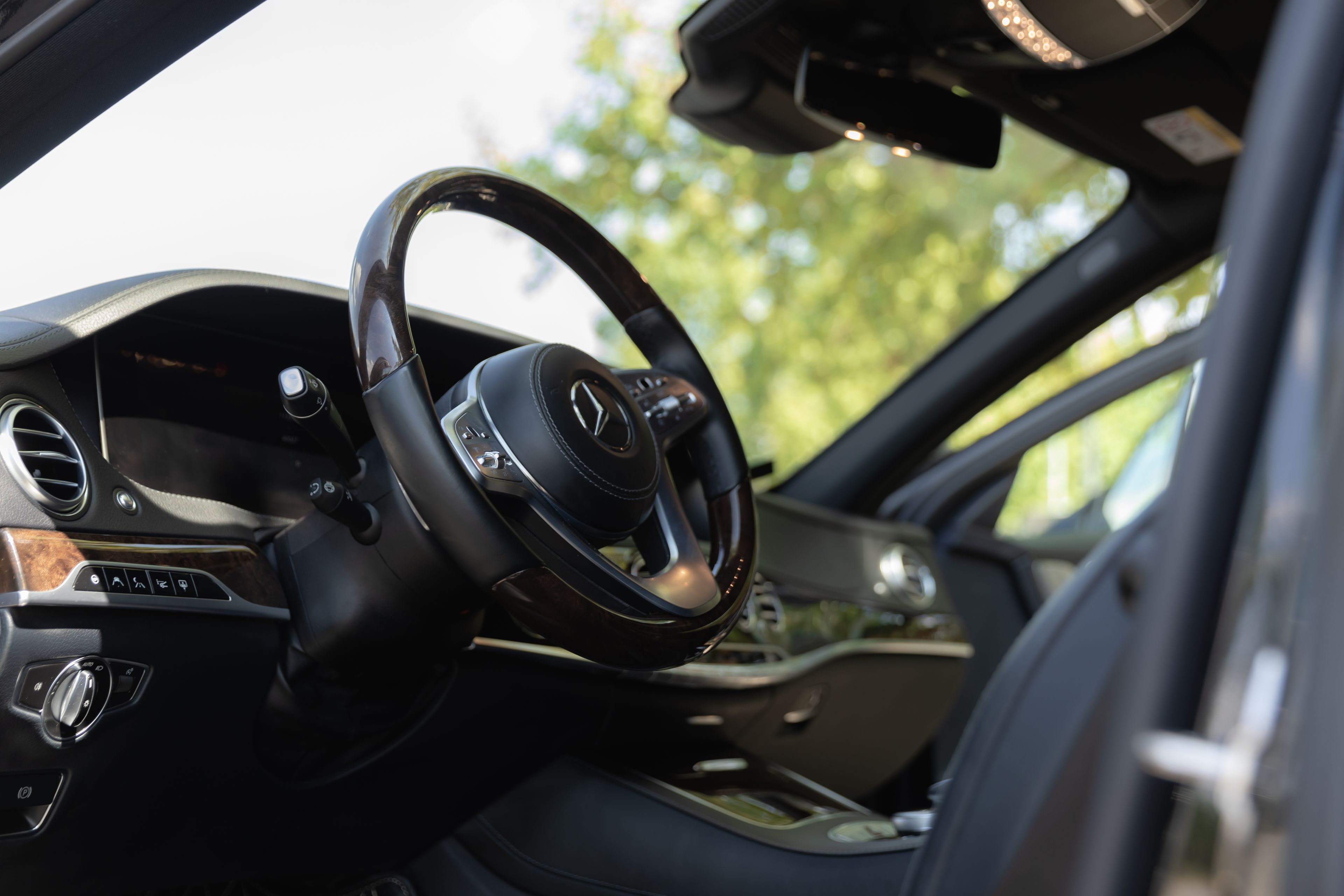
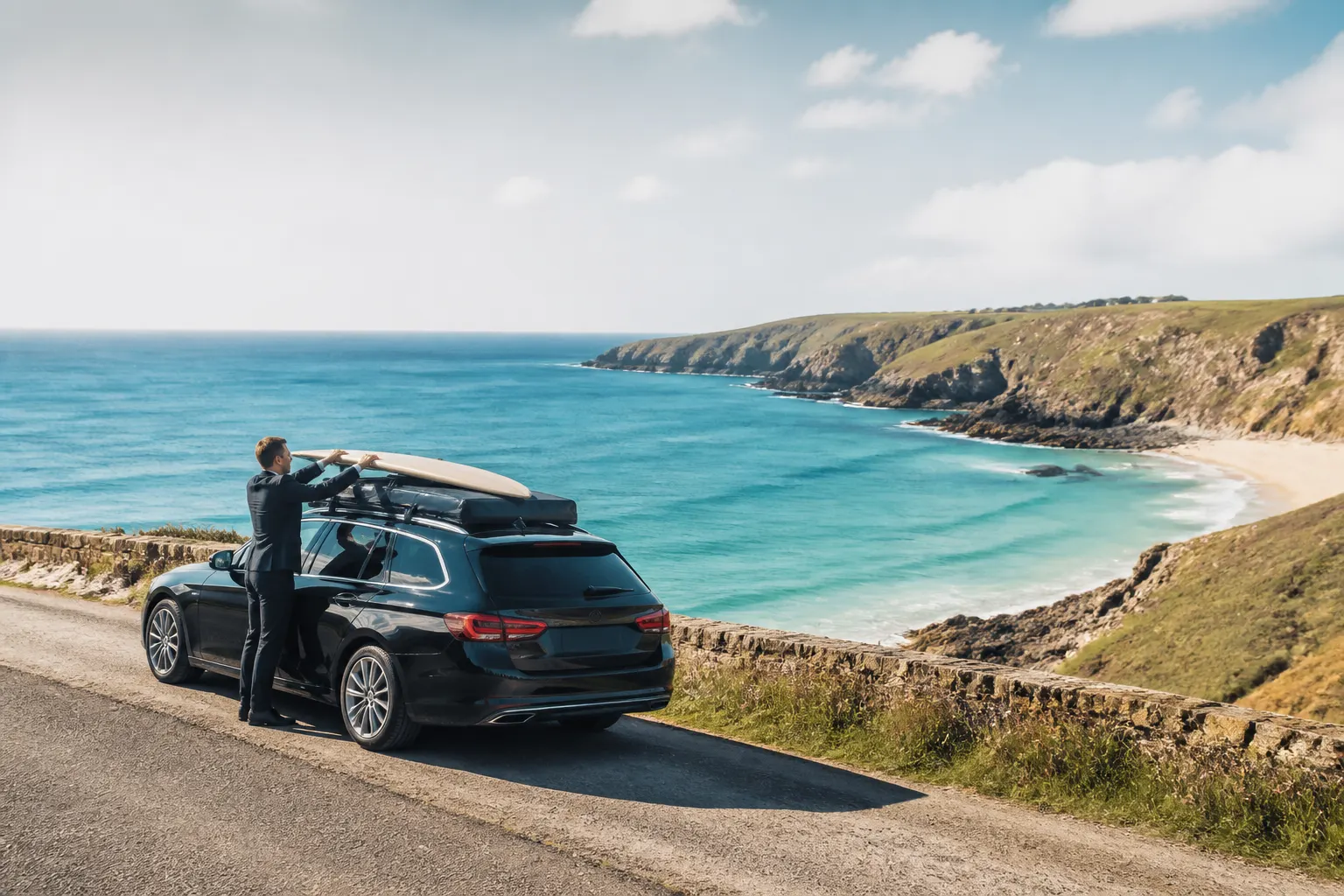
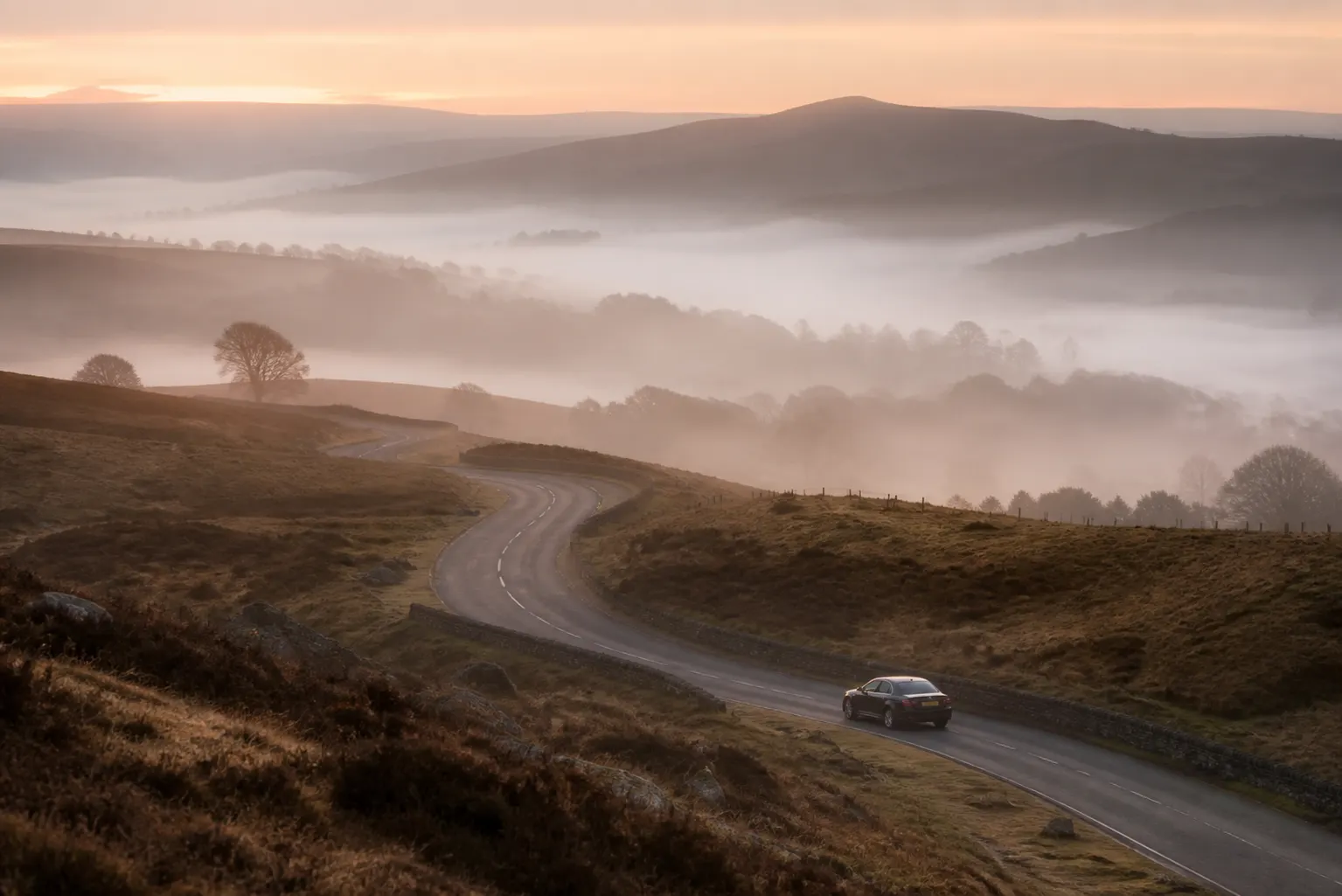
Away from the main routes the Cotswolds is a network of single-track lanes with passing places, high hedges, blind bends and drystone walls that leave no margin for error. A professional chauffeur drives them at a sensible pace, which is not a fast one, and reversing to a passing place is a normal part of the journey rather than an event.
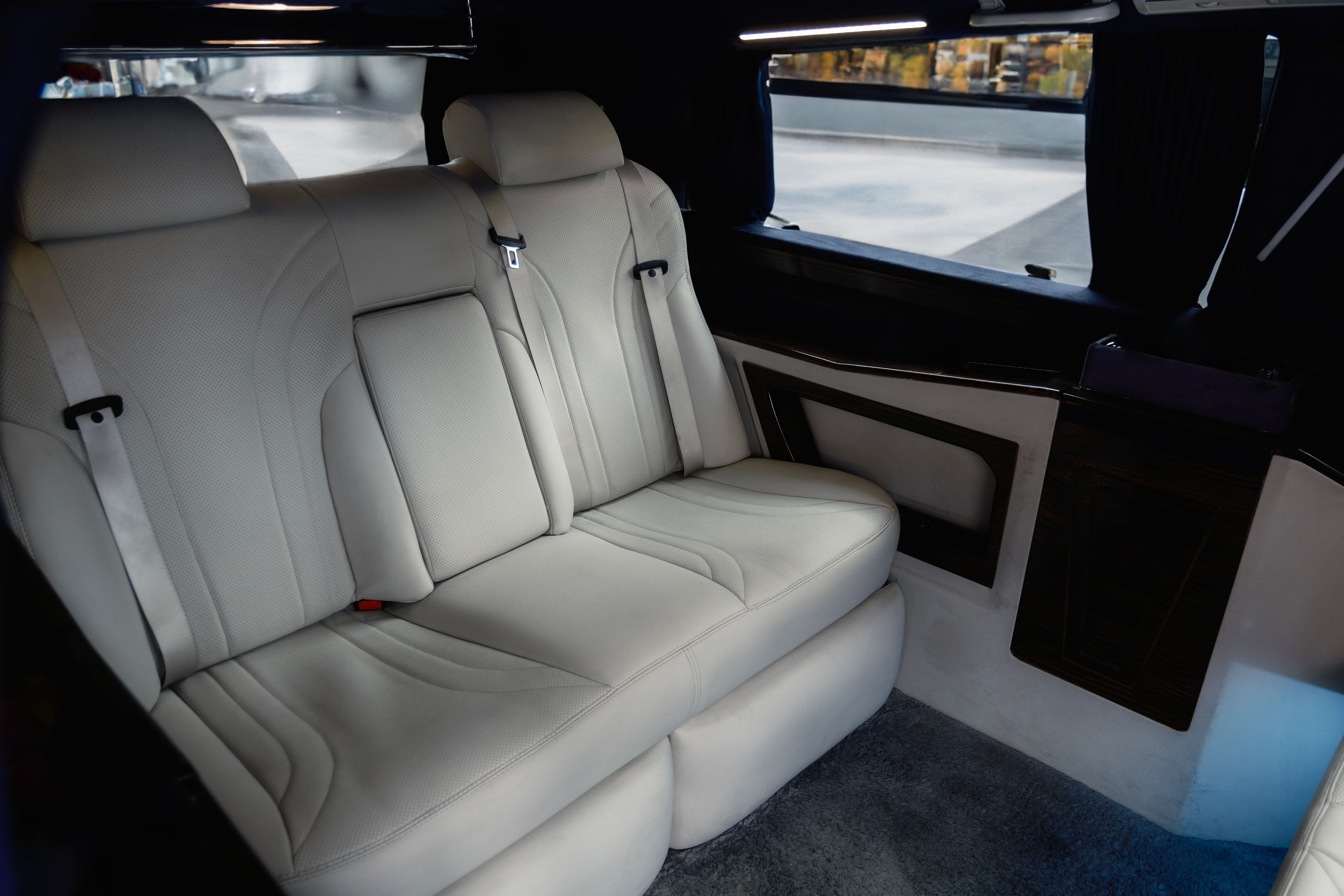
This has a practical consequence for larger vehicles. A full-size people carrier is entirely capable of these roads but takes longer on them and needs more room at gateways and in village car parks. Where the party is small, a saloon simply moves more easily through the landscape. Tell us the group size and the villages you have in mind and we will suggest what actually suits the day.
Parking, and the villages that defeat it
Several of the best-known villages have far more visitors than spaces, and in summer the situation in places such as Bibury and Bourton-on-the-Water becomes genuinely difficult. Your chauffeur will set you down close to the centre and then find somewhere legitimate to wait, which may be a few minutes away. Being collected from a different point than you were dropped is normal here and worth expecting.
The way round the problem is timing rather than cleverness. Arriving at the most popular village first thing, before the coaches and the day visitors, changes it entirely; the same street at two in the afternoon in August is a different and less charming place. Where your day starts late, we would suggest reversing the order and saving the busy village for the quiet end of the afternoon.
A day shaped around lunch
With no admission slot to anchor the day, the booked table becomes the fixed point that everything else arranges itself around. Reserve it in advance; the good pubs fill early, particularly at weekends and through the summer, and an unbooked Cotswold lunch at half past one is an unreliable pleasure. Tell us where you have reserved and the rest of the morning arranges itself around it.
- An early departure to reach the first village before the crowds
- The busiest village first, given an unhurried hour on foot
- A slow drive across the wolds with stops wherever the view earns them
- A booked lunch at a village pub, allowing a proper hour and a half
- A second, quieter village in the early afternoon
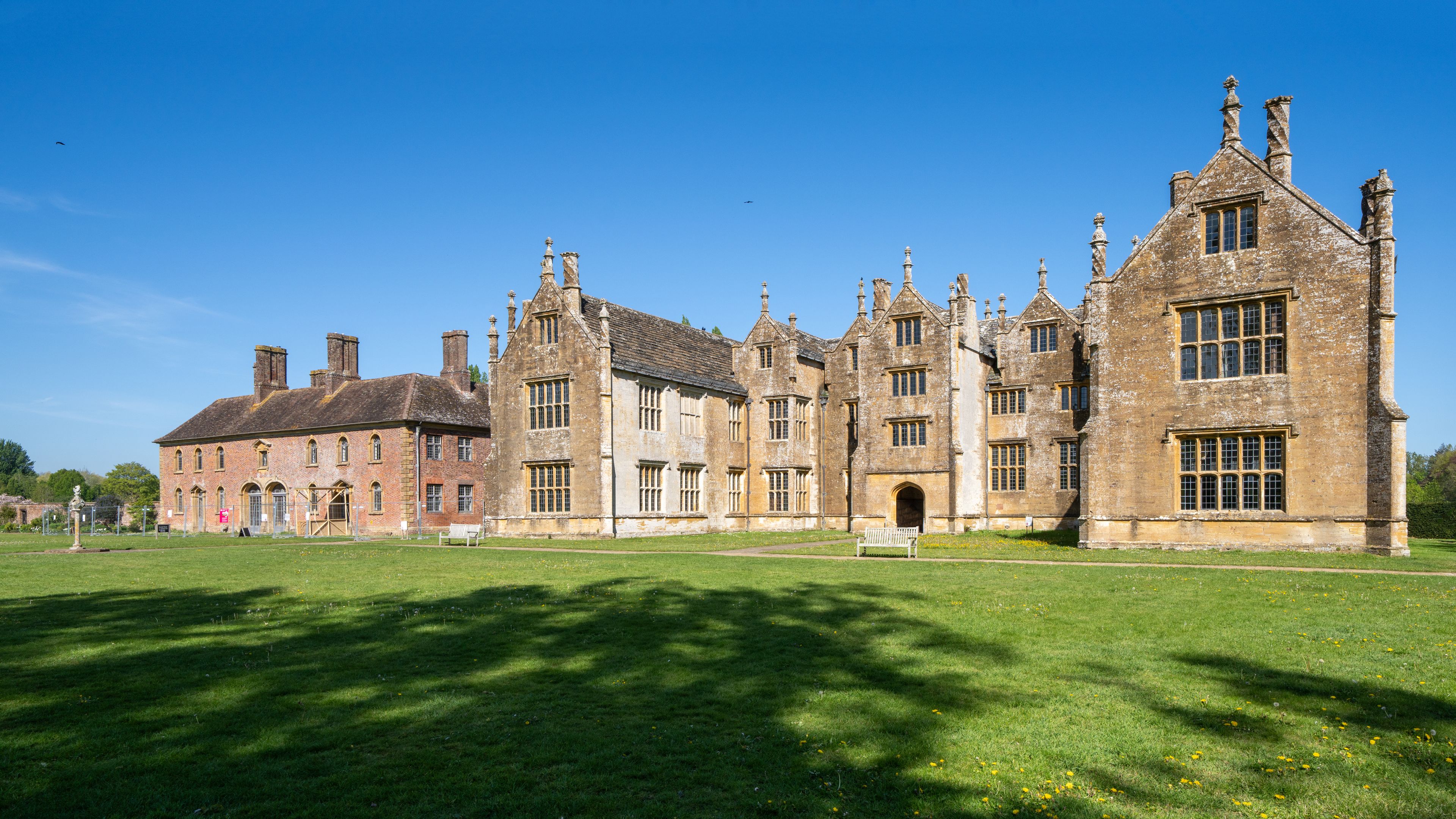
- One garden, manor or church, subject to its current opening
- A final viewpoint in the late light before the run back to London
Gardens, houses and wet afternoons
The region's gardens and manor houses are its best wet-weather answer, but they are also the most seasonal element of any itinerary. Many open only for part of the year, some only on particular days, and their arrangements change from season to season. Check what is open on your date and buy admission directly; we will happily advise on whether a given opening time works with the rest of the plan.
When the cloud comes down, and on the higher wolds it does, the honest response is to reduce the number of stops rather than press on through all of them. A long lunch, a church, an antiques shop and one house make a perfectly good day. Because the car stays with you throughout, coats and boots can be swapped, wet things left behind, and the plan revised at any point without cost.
How the day is provided
The chauffeur driving you is a professional driver and not a licensed tour guide, so there is no commentary on the villages, the wool trade or the architecture. What they bring is knowledge of the lanes, the stopping points and how long each leg actually takes. Should you want the region interpreted properly, we can look into arranging a qualified guide to travel with you for the day.
Any admissions, whether to a garden, a house or anything else, are arranged by you. Vehicles come from our own cars and from a vetted network of professional chauffeur operators, and the specific model, colour and specification depend on availability for your date. Send us your thoughts on WhatsApp or by email and we will suggest a shape and confirm it in writing.