







Stratford divides neatly into two halves that behave quite differently. Three of the Shakespeare family properties sit within an easy walk of one another in the town centre; two more lie a mile or three outside it, in villages that a car reaches in minutes and a pedestrian does not. How you order those halves determines whether the day feels leisurely or fragmented.
The other consideration is the theatre. If you intend to see a performance, its curtain time becomes the immovable point around which everything else is arranged, and a matinee reshapes a day far more than an evening show does. This page works through both questions, along with the walking, the parking and what the surrounding countryside can reasonably contribute. Both are worth settling before you fix the date.
The houses in town and out of it
The central properties, including the birthplace on Henley Street, sit close enough together that the whole group can be done on foot with time for coffee in between. Each holds most visitors for around forty-five minutes to an hour, so a morning covers them without pressure. The centre is largely pedestrianised, so we set you down at a permitted edge and the car waits nearby.
The outlying houses are where a car earns its place entirely. The cottage associated with Shakespeare's wife lies roughly a mile from the centre, walkable on a fine day along a footpath and considerably less appealing in February. The farm associated with his mother's family is further out still, several miles away, and is not a walking proposition at all. Both have gardens that reward good weather.
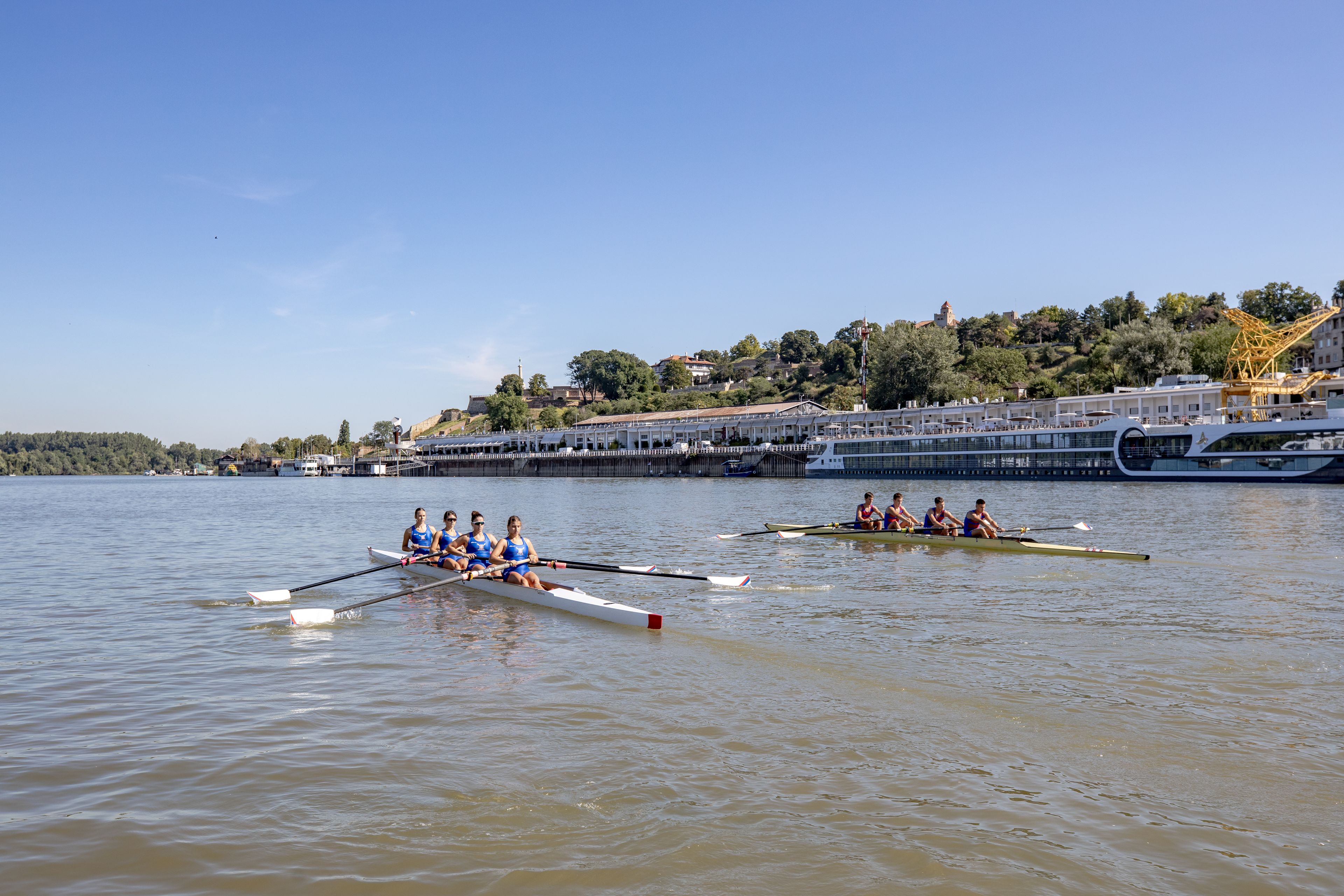
There is also Holy Trinity Church, where he is buried, about fifteen minutes on foot from the centre along the river. That walk is one of the better parts of a Stratford day and worth keeping rather than driving. The churchyard is quiet, the river path is pleasant in almost any season, and the two together make a natural break between the town properties and the run out to the villages.
Tickets and how they are sold
The Shakespeare properties are generally sold on combined tickets covering several houses rather than individually, and the combinations offered change from time to time. Which houses are open, and on which days, also varies through the year, with some closing seasonally. All of this should be checked and purchased directly by you shortly before you travel rather than assumed, since what was available last season may not be this one.
Once you know which houses you hold tickets for, tell us and we will suggest an order that keeps the driving sensible. Generally that means doing the town group on foot in one block and the outlying pair in another, rather than alternating between them, which wastes a surprising amount of the day in short hops through the one-way system.

When the theatre sets the clock
A performance changes the day fundamentally. An evening curtain is the easier arrangement: it lets the sightseeing run its natural course, asks only that you are back in town in good time, and turns the return journey into a late one. Tell us early if that is the plan, since it affects the hours the car is booked for. It is the simpler of the two arrangements by some margin.
A matinee is more disruptive than people expect. Productions frequently run to two and a half or three hours with an interval, which removes the entire middle of the day and pushes lunch to an awkwardly early hour. It can still work beautifully; it simply means the outlying houses happen in the morning and the town group in the late afternoon, if they remain open. Book performances yourself and confirm running times when you do.
An order that avoids doubling back
The outline below assumes no performance and a full day from London, allowing roughly two hours on the road in each direction outside the peaks. If you are seeing a matinee, invert the morning and afternoon blocks entirely. The one thing worth preserving in either version is the block structure, because the drive between the town and the outlying houses is short but the one-way system is unforgiving of repetition.
- Arrive mid-morning and start with the town properties on foot
- Coffee or an early break on Henley Street between houses
- A walk along the river to Holy Trinity Church and back
- Lunch booked ahead near the waterside or in the old town
- Drive out to the cottage on the edge of town for the garden
- Continue to the outlying farm if it is open on your date
- A last look at the theatre and the riverside before departing
Adding Warwick or the Cotswolds
Warwick Castle is a short drive away and the pairing is frequently suggested, but the castle is a four to six hour proposition on its own and Stratford is a full day. Doing both properly needs two days or an overnight stay. Where guests insist, we would give the castle the day and reduce Stratford to the town houses and a walk, rather than attempting five properties and a fortress.
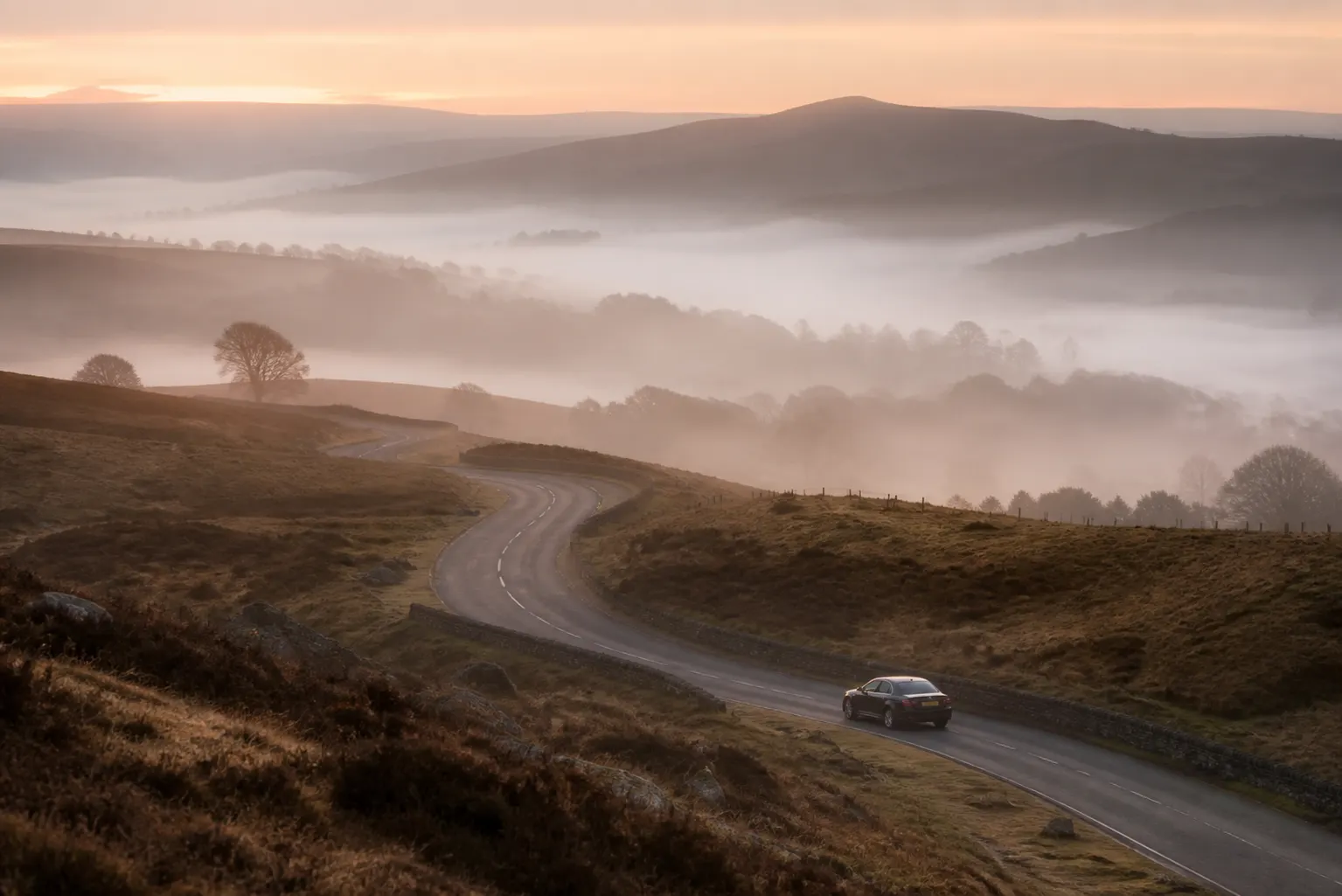
The gentler addition is countryside. The northern Cotswolds begin within half an hour to the south, and a village or a country house on the way back to London extends the day without adding pressure. Charlecote, a little to the east, is another modest and pleasant option, though its opening arrangements are seasonal and should be checked before you count on it.
What the day includes
We provide the car and a professional chauffeur for the hours agreed. That chauffeur is a driver by trade rather than a licensed tour guide, so nothing will be narrated for you between stops. Their value is in knowing the town's restrictions, where the car can legitimately wait, and how long the run out to the villages really takes with the one-way system in the way.
Property tickets and any theatre seats are arranged by you, and we are happy to advise on how the timings interlock, particularly around a matinee. If you would like a qualified guide to travel with you and explain what you are looking at, ask when you enquire. Cars are our own or supplied through a vetted network of professional chauffeur operators, subject to availability of model, colour and specification.