







Stonehenge is unusual among the great British sights in that the visit itself is comparatively brief and everything around it is not. The stones occupy perhaps an hour of genuine attention. The drive, the visitor centre, the transfer out to the monument and the walk around it occupy considerably more, and the whole thing takes place on an exposed chalk plain with no shelter to speak of.
Planning it well is mostly a matter of accepting those facts and building around them. This page explains how the timed admission works in practice, what the distance between the centre and the circle means for your feet, why the weather matters more here than at almost any other site, and which neighbouring places turn a short visit into a satisfying day.
The timed slot is not a suggestion
Admission is released for specific arrival windows and, in the busier months, sells out well in advance. Tickets are bought by you, directly, and we would encourage doing so as soon as your date is settled. Arriving without one is not a plan; arriving late for one you hold is a different kind of disappointment, and neither is worth risking on a road as temperamental as the approach.
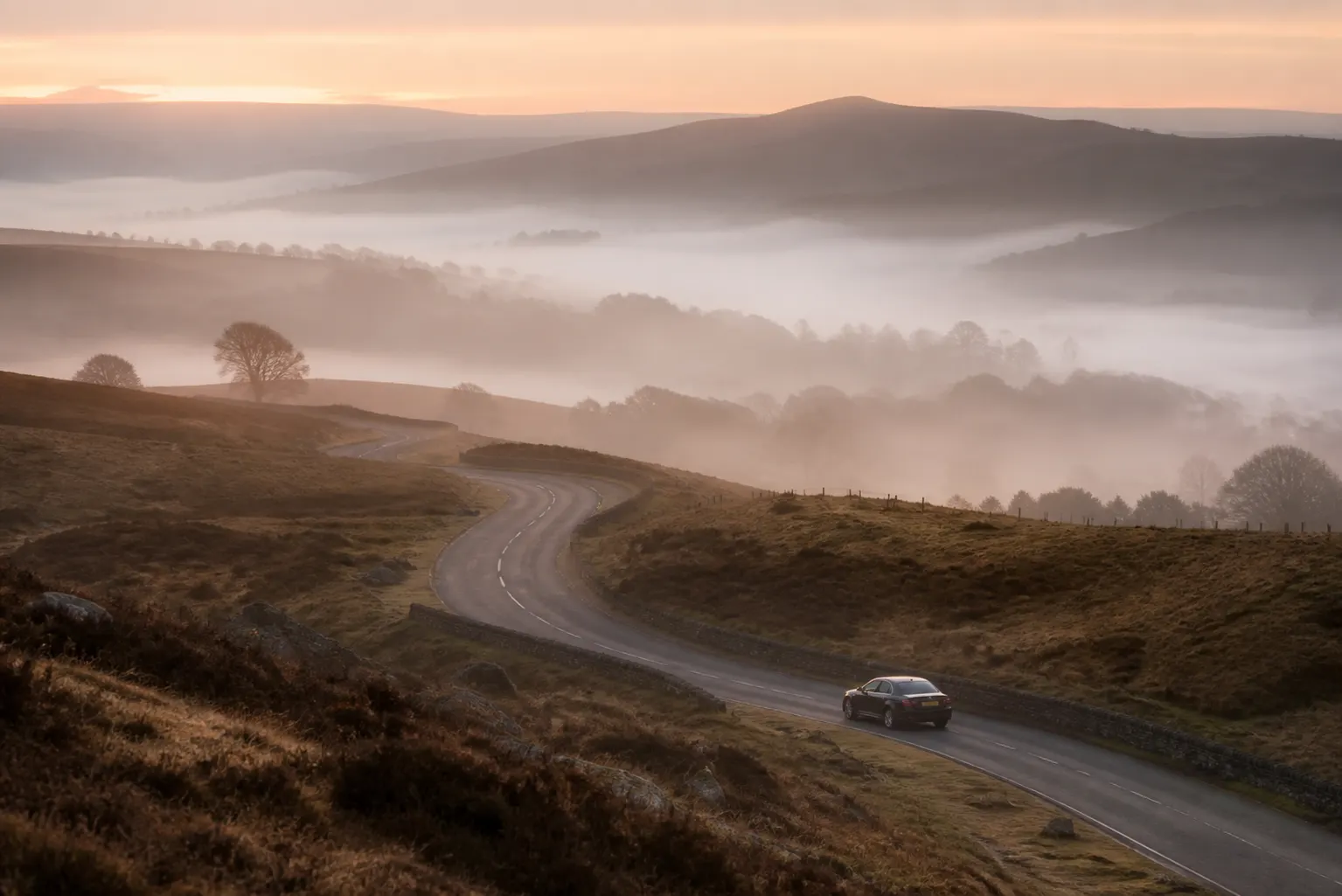
Once you have a window, tell us and we will work backwards from it with a proper margin. That margin is not padding. The main road across the plain is a single carriageway for long stretches and carries a great deal of holiday traffic in summer, particularly on weekend afternoons. Delays of half an hour appear from nowhere and disappear just as quickly. Current opening arrangements and slot availability should always be checked when you book.
From the centre to the stones
The visitor centre and the monument are not in the same place. They sit somewhere in the order of a mile and a half apart, connected by a shuttle service that runs between them. Most visitors take the shuttle at least one way; some walk out across the down, which takes roughly half an hour at a steady pace and gives a far better sense of the landscape and the approach.
Around the stones themselves a path circles the monument at a respectful distance. You will not be walking among the stones on a standard visit; access inside the circle is a separate arrangement made directly with the custodian, offered at limited times and in limited numbers, and it must be booked well ahead by you. Whether it is worth pursuing depends entirely on how much the experience matters to you.
Adding it all up, a realistic time on site is around two to two and a half hours, including the centre, the transfer both ways and unhurried time at the circle. Less than that and you are hurrying; much more and you have probably seen everything twice. Families and photographers generally want the upper end of that range; anyone calling in on the way to somewhere else will manage the lower.
Weather on an open plain
There is nowhere to hide out there. Salisbury Plain is high, flat and windy, and a mild day in the car park can feel considerably colder at the stones. In winter the ground turns to mud and the wind finds every gap in a coat; in summer there is no shade at all. Proper outer layers and sensible footwear improve the visit more than any other preparation.
Because the car cannot come to you, your chauffeur will be waiting at the centre rather than the monument, which means whatever you leave behind stays there. Take what you need for the full loop and leave the rest. If the weather turns genuinely unpleasant, the sensible response is to shorten the visit and bring forward whatever indoor stop the afternoon holds.
Building a day around a short visit
Because the monument itself does not fill a day, most guests pair it with one or two neighbours. The outline below assumes a departure from London and a late morning admission window, and it can be reversed entirely if your slot falls in the afternoon. Whichever way round it lands, the monument is the fixed point and everything else in the day remains negotiable.
- Leave London with generous margin for the single-carriageway approach
- Your timed entry, then the shuttle or the walk out to the stones
- Roughly two hours on site, weather and enthusiasm permitting
- Lunch in Salisbury or a village pub booked ahead of the day
- Salisbury Cathedral and its close for the afternoon, if that appeals
- Or Avebury, where the stones can be walked among quite freely
- Old Sarum or Winchester on the return when the light lasts
Alternatives and honest expectations
Some visitors find Stonehenge smaller and more distant than they had imagined, and it is fair to say so before you commit a day to it. Avebury, some distance to the north, offers a far larger circle you can walk directly among, with a village inside it and no admission barrier at the stones themselves. It lacks the drama and the fame, and for some guests it is the more moving of the two.
Seeing both in one day is entirely possible and makes for a coherent outing, since each explains the other. What does not work well is Stonehenge, Bath and a Cotswold village in a single day from London, however neatly the map appears to arrange them. That is a great deal of driving and very little standing still, and we would say so rather than quietly take the booking.
The service, described plainly
We supply the car and a professional chauffeur for the day. Your chauffeur is not a licensed tour guide and offers no commentary on the monument or its history, which is a matter of qualification rather than interest. Where you would like the site properly interpreted, a qualified guide can be arranged to travel with you, and this is a place where good narration genuinely changes what you take away.
Admission, including any special access arrangement, is booked by you; our role is advising on which slot suits the shape of your day and how much margin the road deserves. Vehicles come from our own cars and a vetted network of professional chauffeur operators, with model, colour and specification subject to availability. Everything is arranged by WhatsApp or email and confirmed in writing.