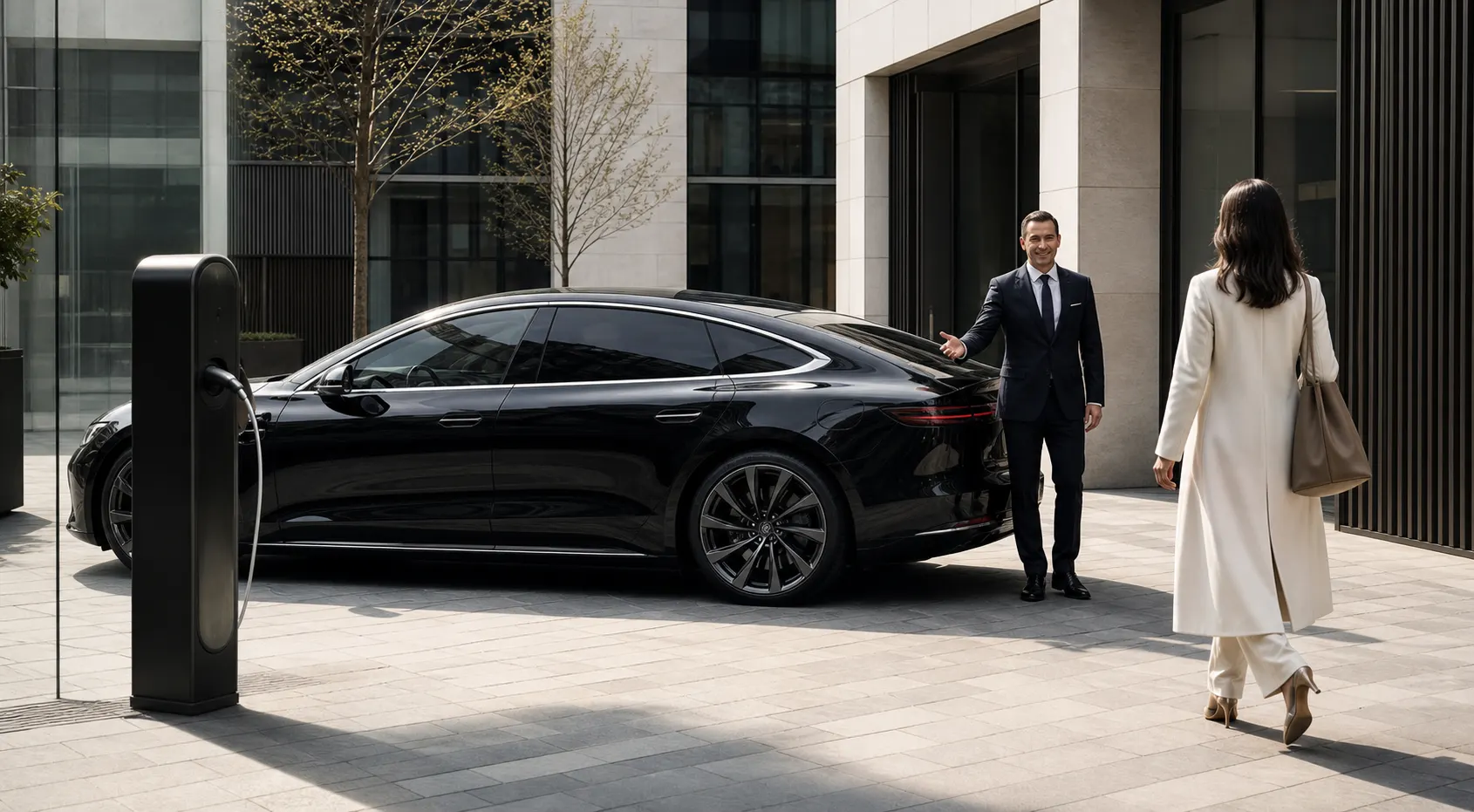




Farnborough handles business aviation and nothing else, and that single fact reshapes every ground arrangement around it. There is no concourse to cross, no departure board to watch and no queue that quietly absorbs a late arrival. The car stops close to the terminal building and the walk is short. What replaces the slack of a commercial airport is precision: a narrow window, agreed in advance, that the road journey has to hit.
This page deals with the road side only. We are an independent chauffeur service with no affiliation to the airport, its terminal operators or any handling agent, and everything beyond the terminal door is arranged by the people running your flight. Our part is having the right vehicle in the right place at the right minute, and being honest about what the Hampshire approach will do to that plan on a bad afternoon.
Why the ground plan differs here
At a scheduled airport the timetable is public and the building forgives your timing errors. Farnborough offers neither. Your departure time comes from your operator rather than a screen, it can move without warning, and the terminal is not somewhere anyone chooses to spend two spare hours. The practical effect is that the useful margin sits in the car park rather than in the lounge, so the chauffeur waits instead of the passenger.
Arrivals invert the same logic entirely. You are likely to be off the aircraft and out of the building within a few minutes of the doors opening, which is faster than any commercial terminal can manage on its best day. A car that is fifteen minutes away is fifteen minutes late in a way it simply would not be at Heathrow. Positioning early, then waiting quietly, is the whole discipline of the job.
The Hampshire approach by road
The airfield sits in north-east Hampshire and most journeys reach it from the M3 before dropping onto local roads through Farnborough itself. That final stretch is ordinary town driving with junctions, lights and a school run, so it does not compress when you are running behind. The motorway section is the fast part and the town section is the honest part, and only one of the two is genuinely predictable.
From central London, an hour and a half is the sensible planning figure rather than the optimistic one, with the south-western quadrant of the M25 deciding most of the variation. From Heathrow the run is shorter and steadier. Coming up from Winchester or the coast, the M3 and A31 combination is straightforward. A Friday in July behaves nothing like a Tuesday in February, so we plan the departure around the day rather than the distance.
- M3 from London, with the M25 south-western section the main variable
- Local roads through Farnborough for the last few miles, subject to town traffic
- A shorter, steadier run in from Heathrow and the western Thames Valley
- M3 and A31 from Winchester, Southampton and the south coast
- Summer Fridays and the biennial airshow week both change the district
Arrival windows are measured in minutes
Handling agents generally ask departing passengers to arrive shortly before the aircraft is ready rather than hours ahead, and the exact figure is theirs to set for your flight. What matters on the road is that the window is narrow at both ends. Arriving early is rarely a problem for anybody, though it is not the objective either; arriving ten minutes late can undo a slot that took some effort to secure.
So we work backwards from the handler's time, add a margin sized to the route and the hour, and treat that as the departure from your address. If the start feels early, it is deliberate. We also make no claim to track aircraft. The details you share, the expected flight time, the handler and any note from the crew, let us plan around the schedule you have been given rather than one we have invented.
What the handling agent controls
Everything from the terminal door inwards belongs to your handling agent. Which entrance a car may use, whether a chauffeur can step inside to take the bags, where vehicles are allowed to wait and for how long are all their decisions. Those rules differ between operators working the same airfield and they change with the security posture on the day, which is why we ask rather than assume.
We promise no apron access, no airside driving and nothing resembling an escort through security, because none of it is ours to give. What we do is establish in advance what is permitted for your particular flight and then work to it exactly. If the answer is that the car waits in a designated area and you walk out to it, that is what happens, and you will know before you travel.
Luggage, groups and second vehicles
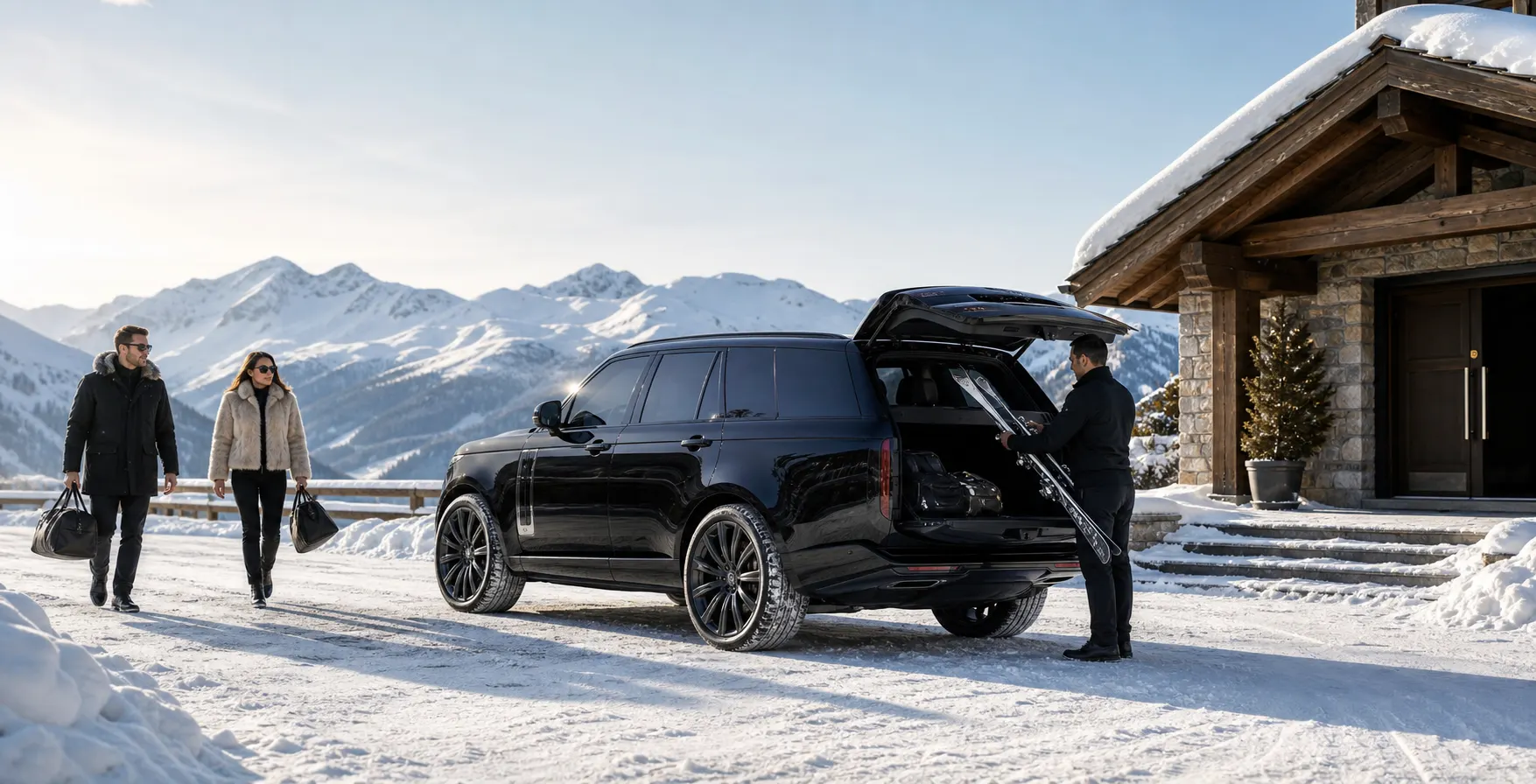
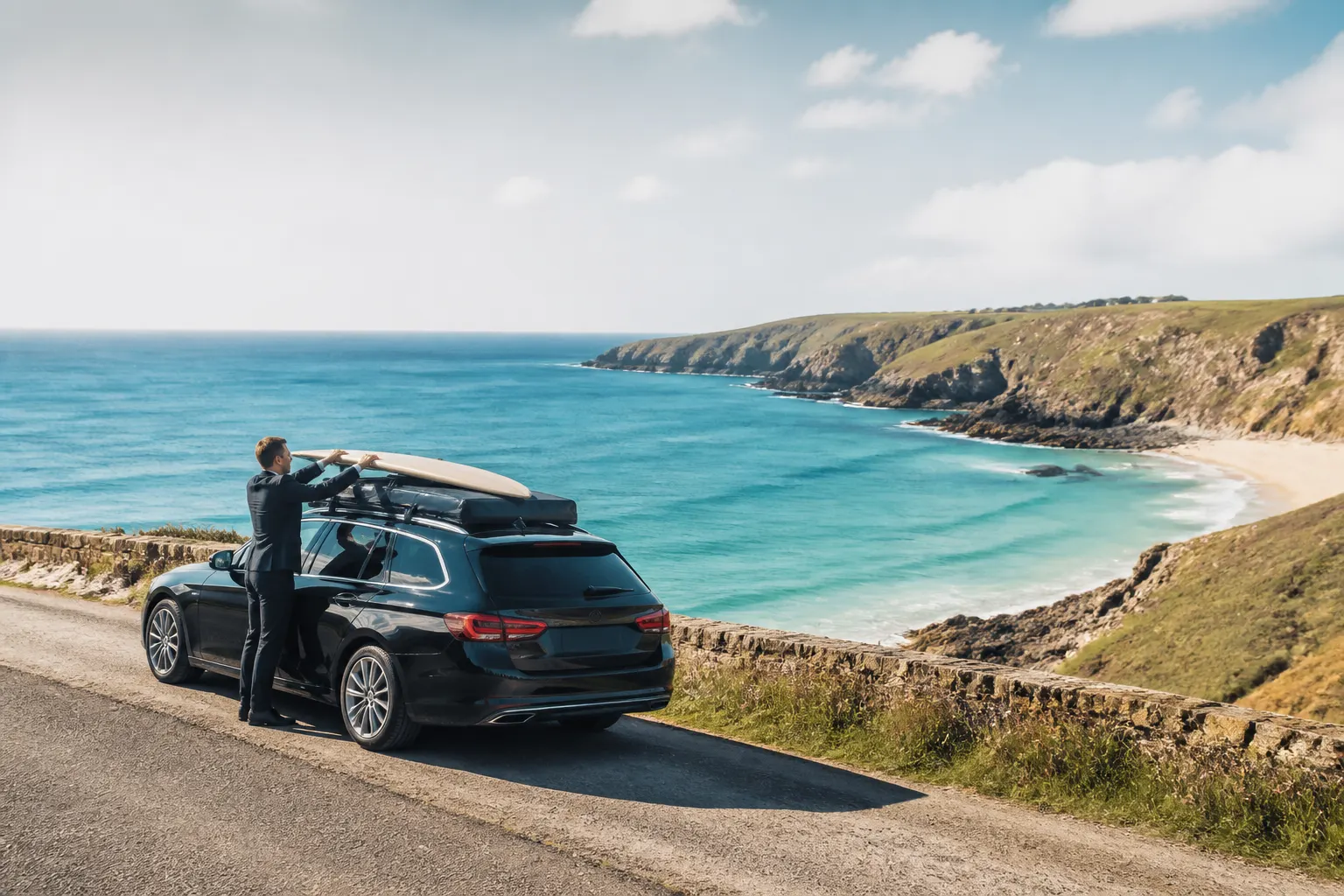
A mid-size cabin produces less luggage than a long-haul airliner, but the shape of it is different. Golf bags, ski equipment, sample cases, medical kit and the occasional dog appear here far more often than they do in an airline queue. The aircraft hold is rarely the constraint; the boot of the car is. Give us the number and the shape of the bags and the vehicle recommendation follows almost automatically.
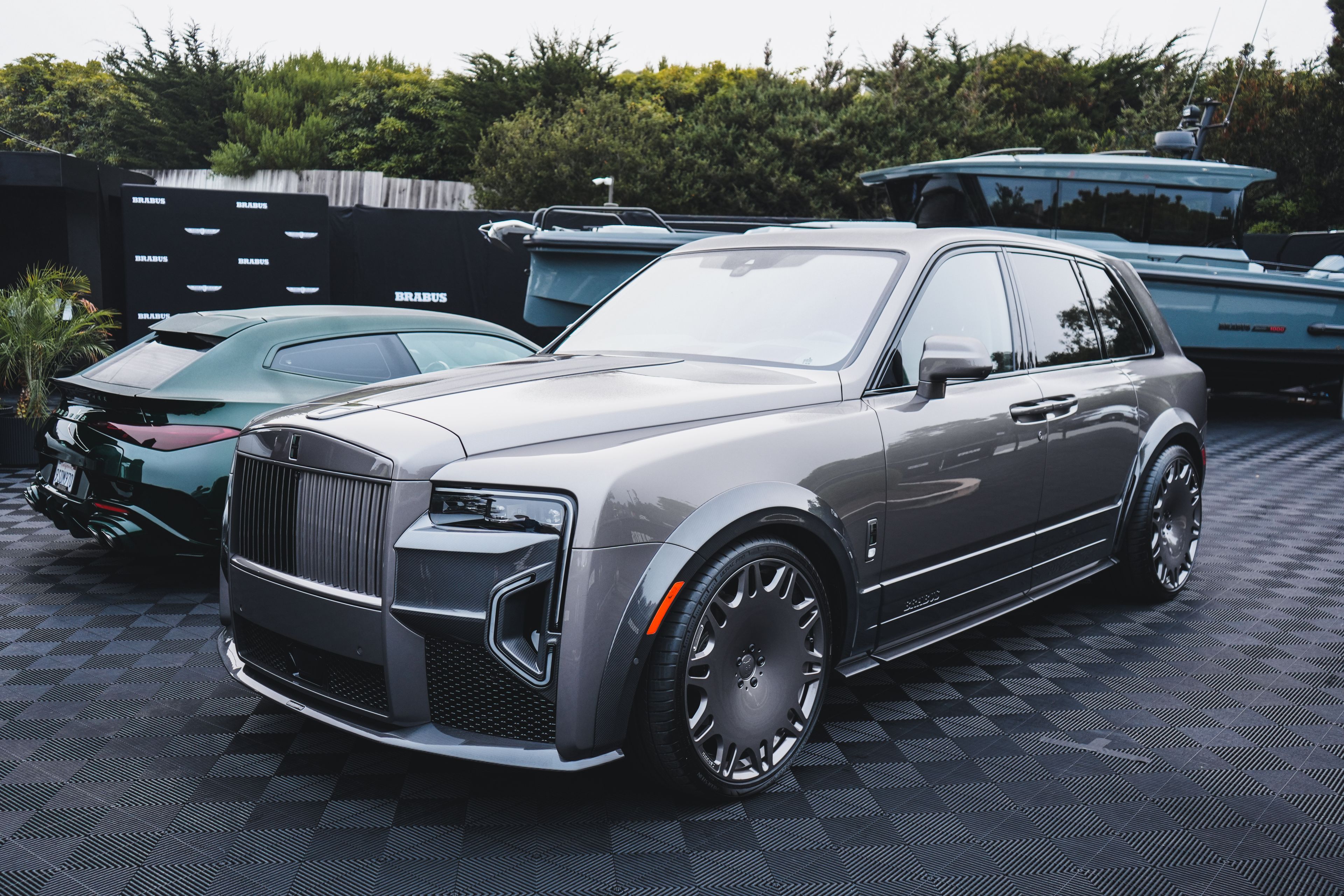
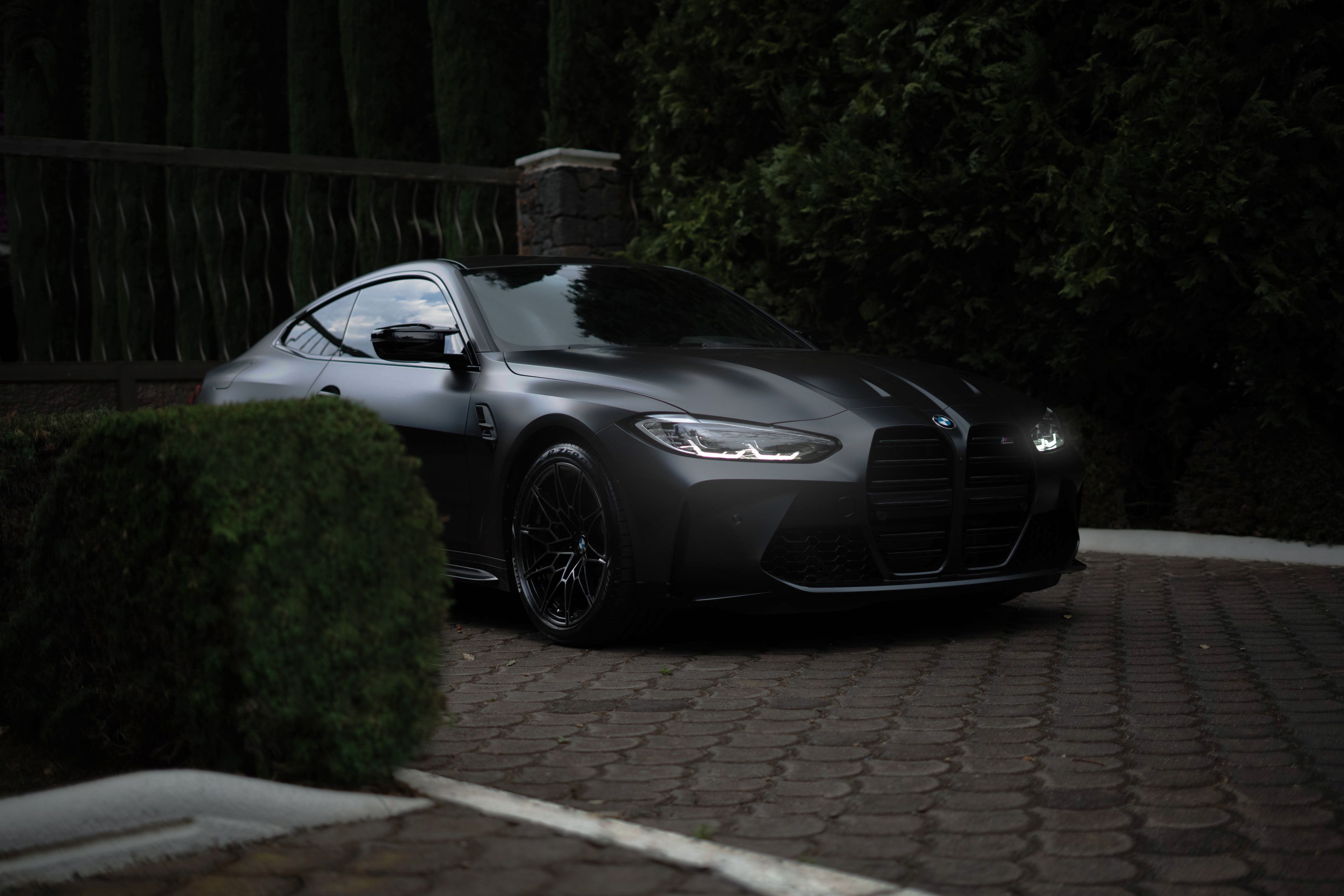
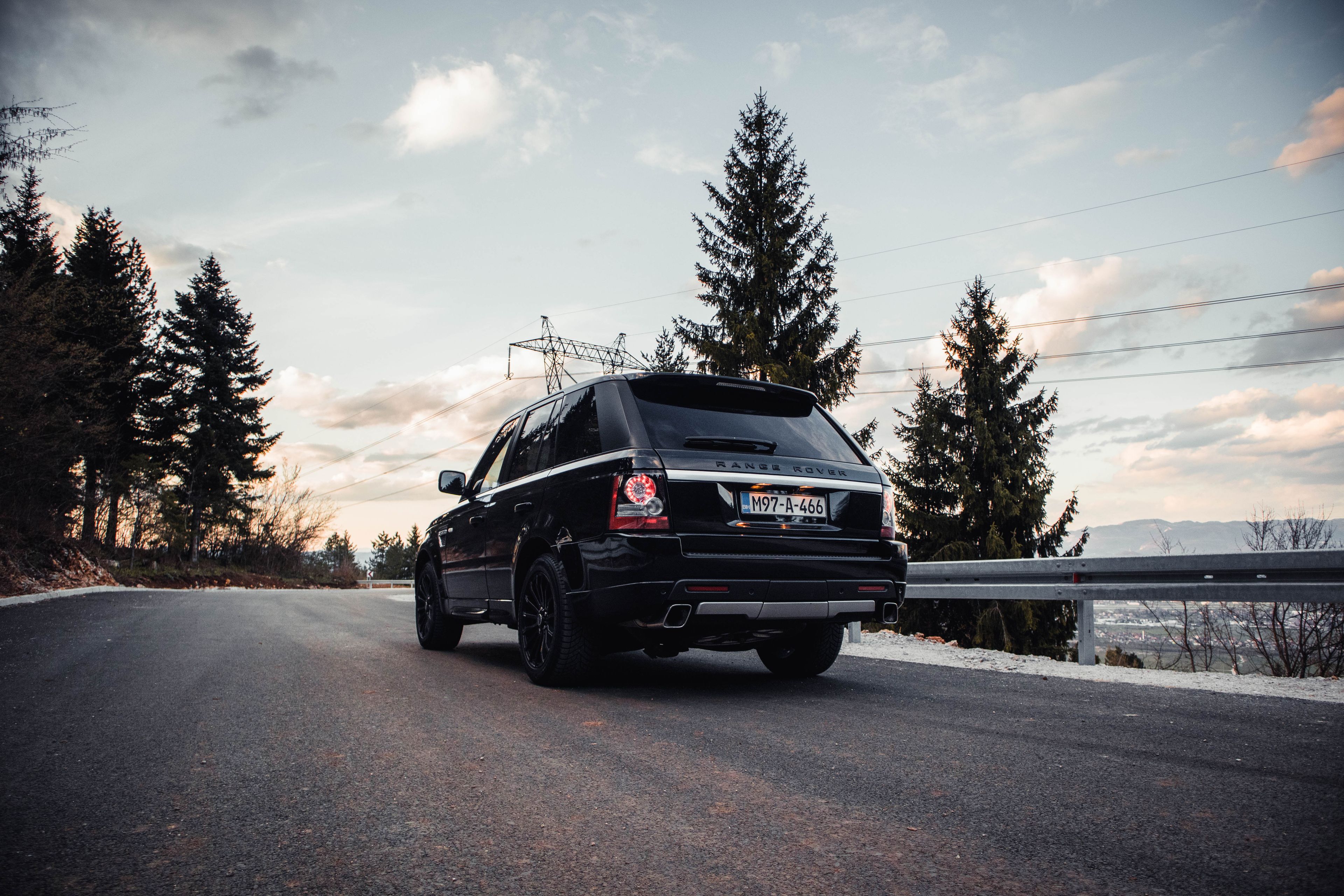
Where a party arrives with a full hold, a saloon for passengers and a larger vehicle running alongside for luggage is more civilised than forcing everything into one car. Bigger groups travel in convoy on matched timings with the chauffeurs in contact, so nobody is left on the kerb. Vehicles come from our own cars and from a vetted network of professional chauffeur operators, which is what lets us size the job properly.
- Case count and case shape, not simply passenger numbers
- Sports and equipment bags, which change the vehicle immediately
- Whether luggage travels with the passengers or follows in a second car
- Child seats, with the age and weight of each child
- Anyone who would find a low seat difficult, and any pets travelling
What to send us before the day
The useful details are the specific ones. The date, the expected aircraft time, the handling agent your operator has appointed, the passenger and bag count, and the address at either end of the road journey. If you are continuing to a house, a hotel or a meeting afterwards, mention it, because the onward leg often influences the choice of car more than the airfield itself does.
Everything is arranged over WhatsApp or by email, and we reply with a written quotation covering the vehicle, the timings and the terms. Nothing is confirmed until you have that in writing and have agreed it. If the flight moves afterwards, one message resets the collection, and we would far rather hear about a change the evening before than discover it while parked outside a locked gate.