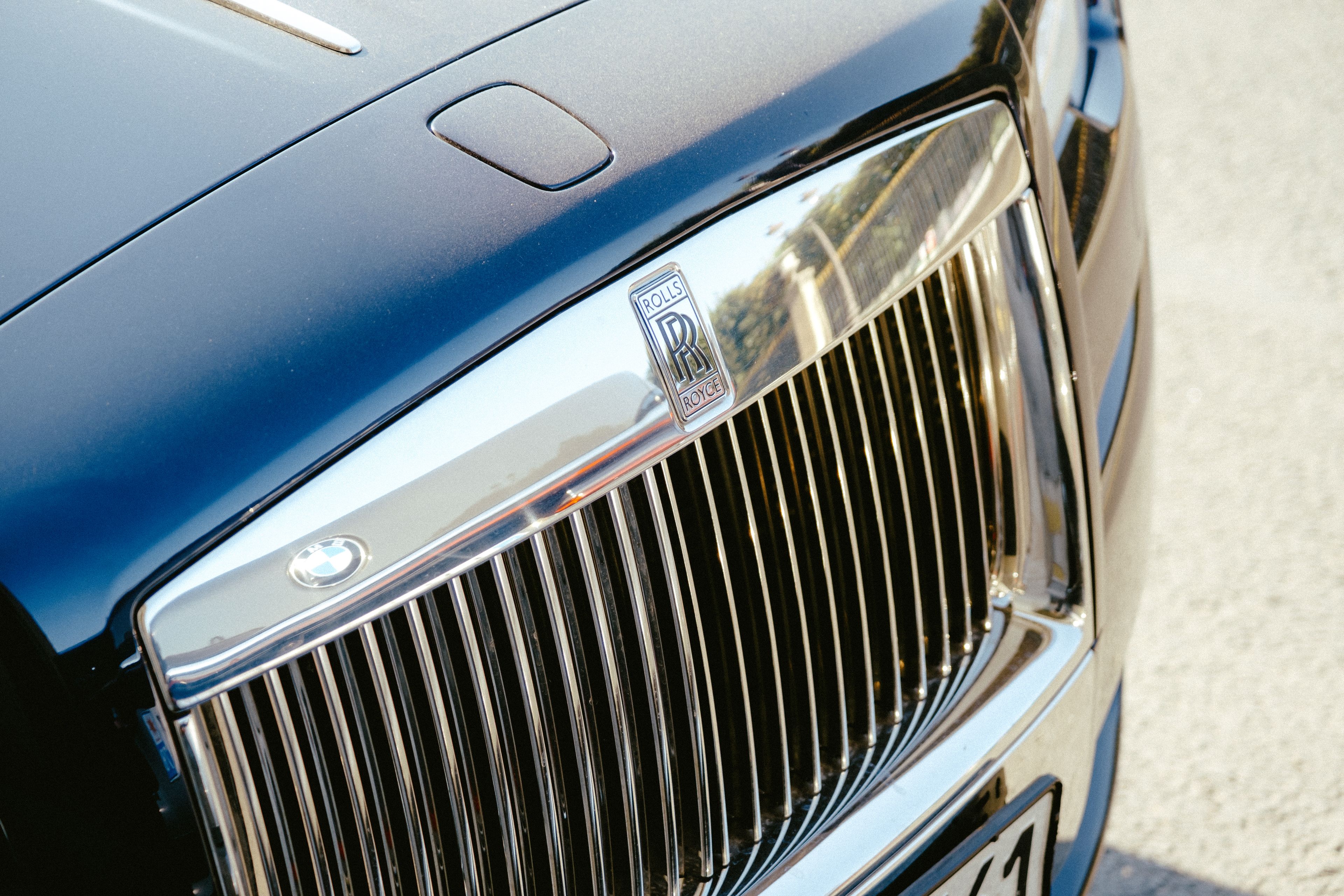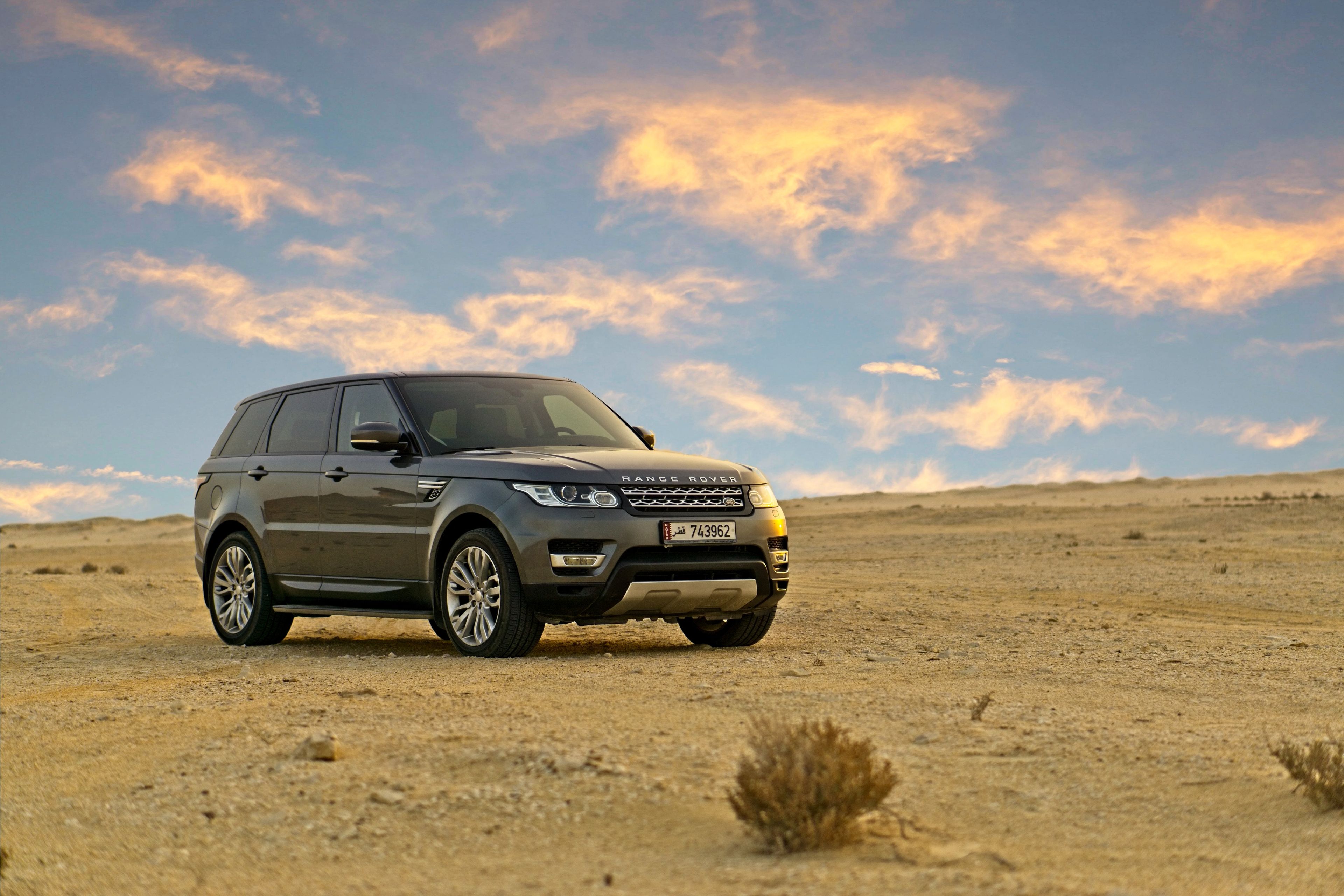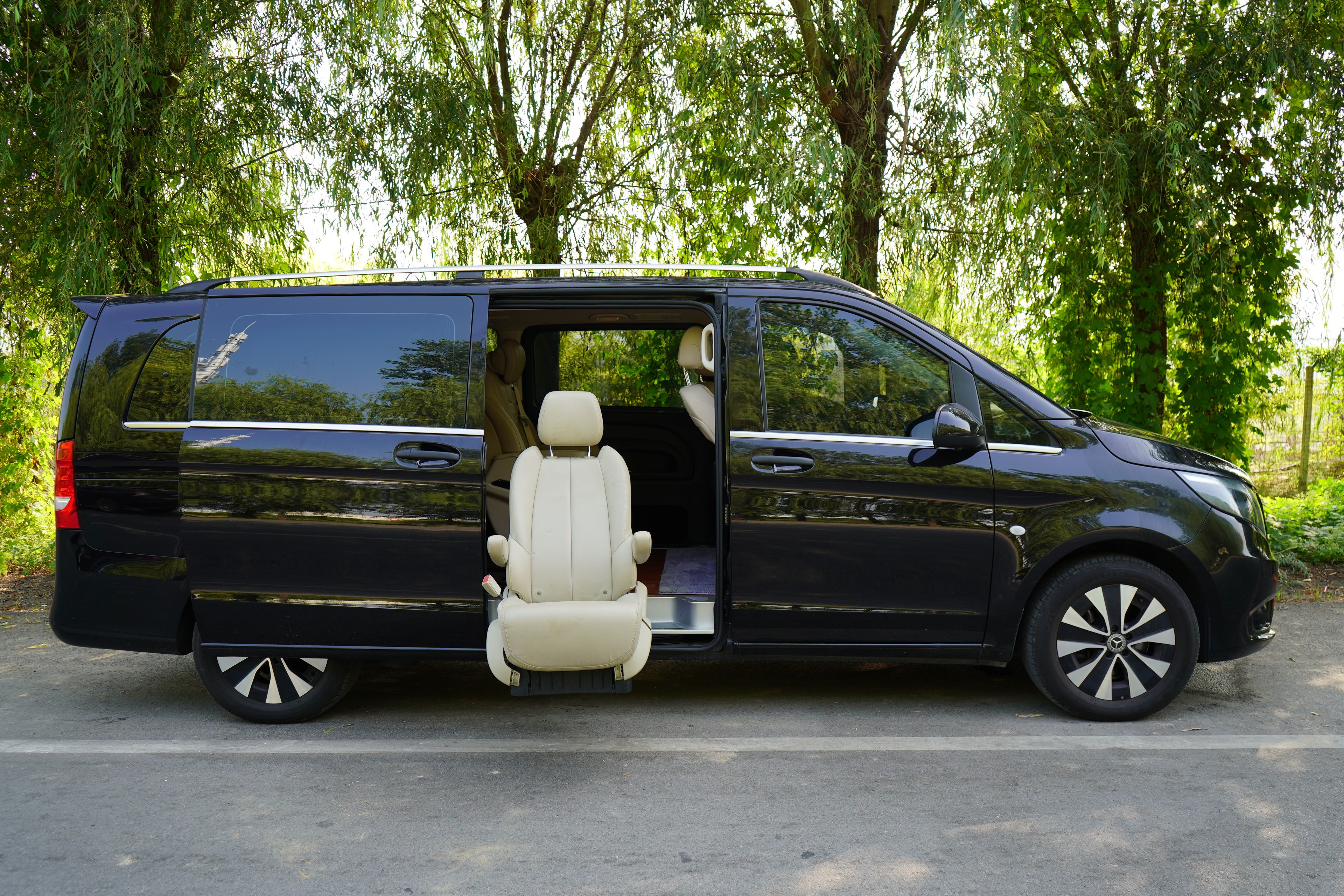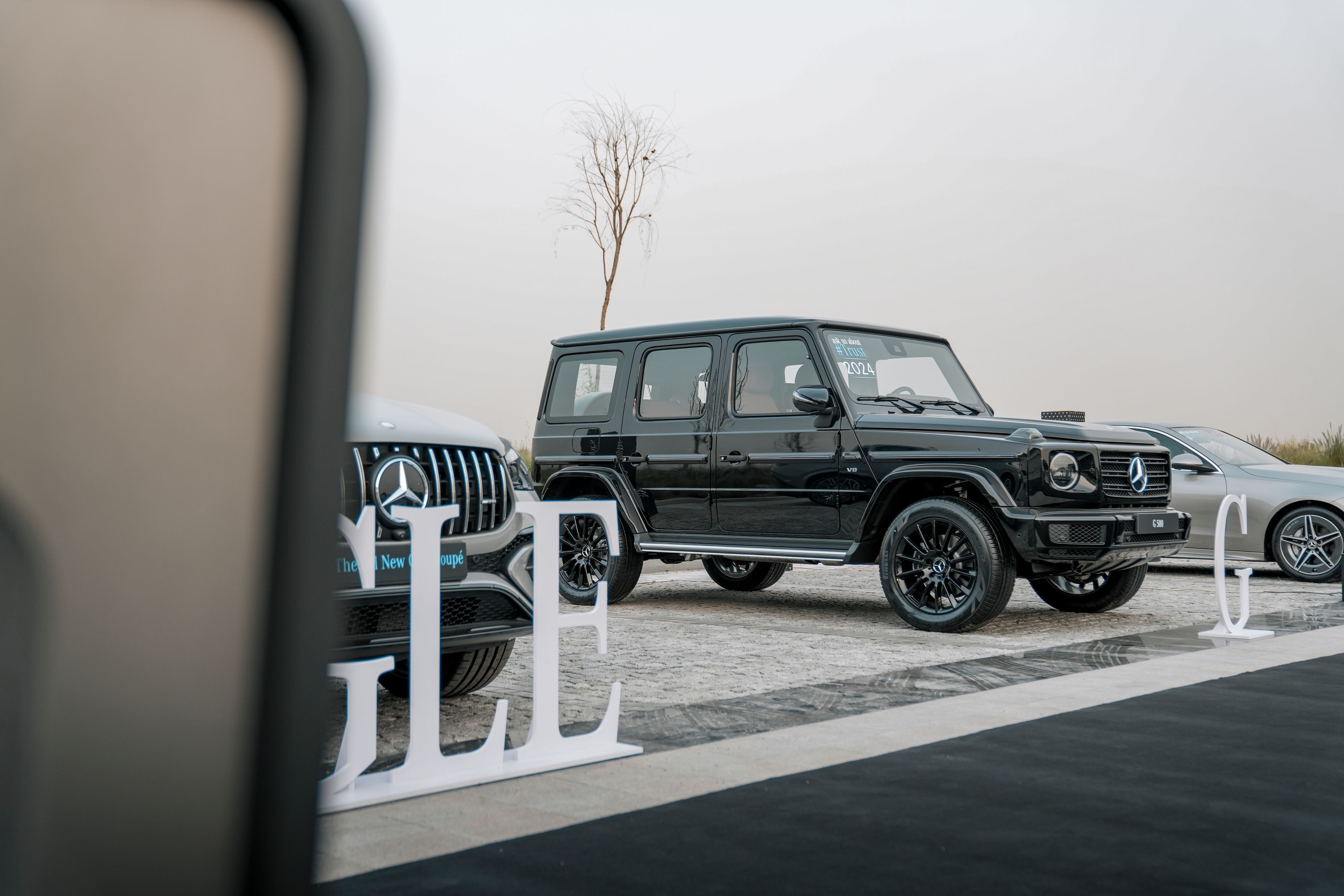



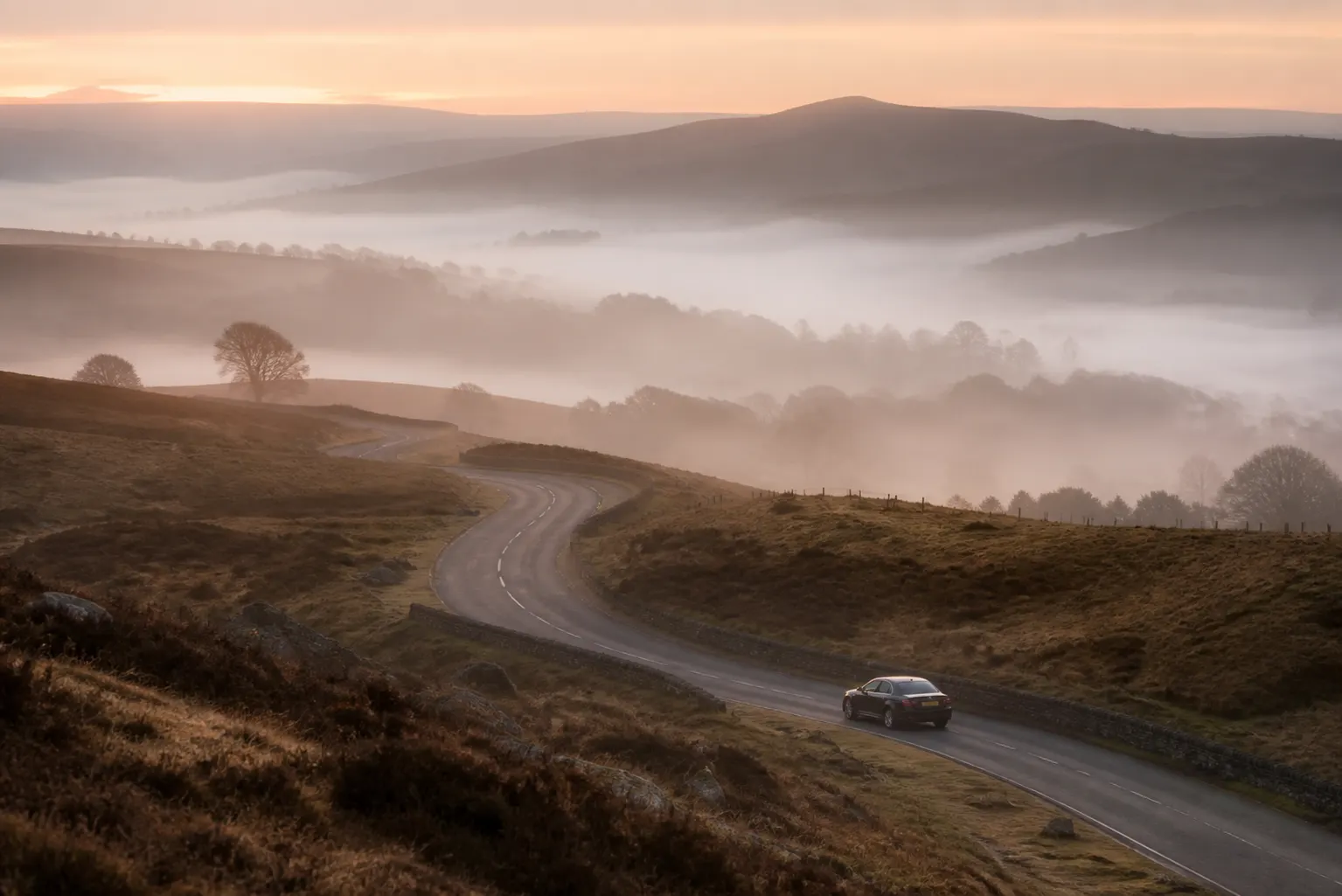

Choosing between these two is not a question of prestige, since neither wants for it. It is a question of shape, and shape determines almost everything practical about a journey: how you get in, how much you can bring, where the car can go, and how the last quarter mile to the door behaves in February.
Both are exceptional and both will make an arrival memorable. What differs is the kind of arrival each is best at, and the kind of journey that precedes it. This comparison sets out the ride, the access, the load space and the road conditions each is happiest with, and is direct about the occasions on which the taller car is simply the better decision.
Low and ceremonial, or tall and all-weather
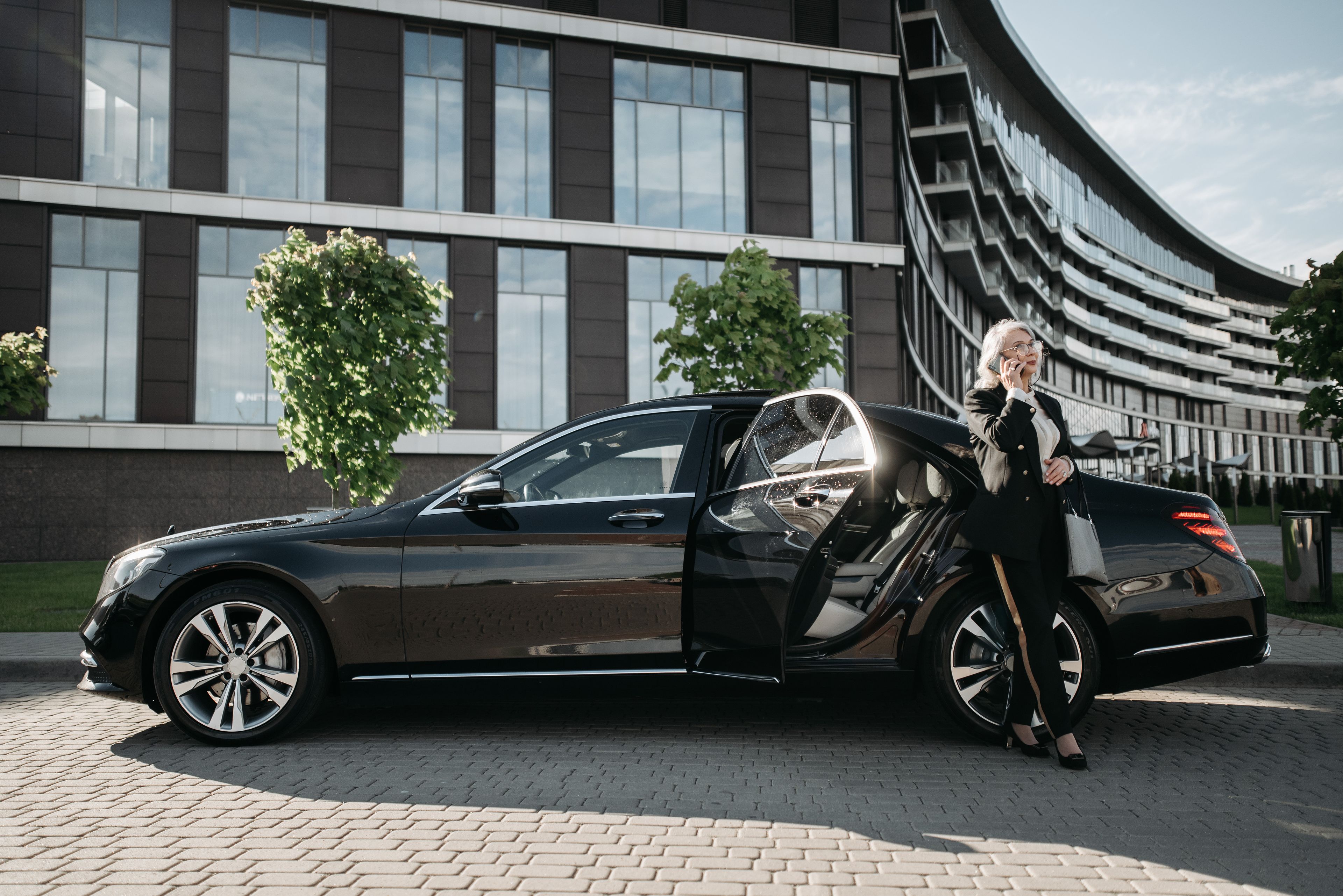
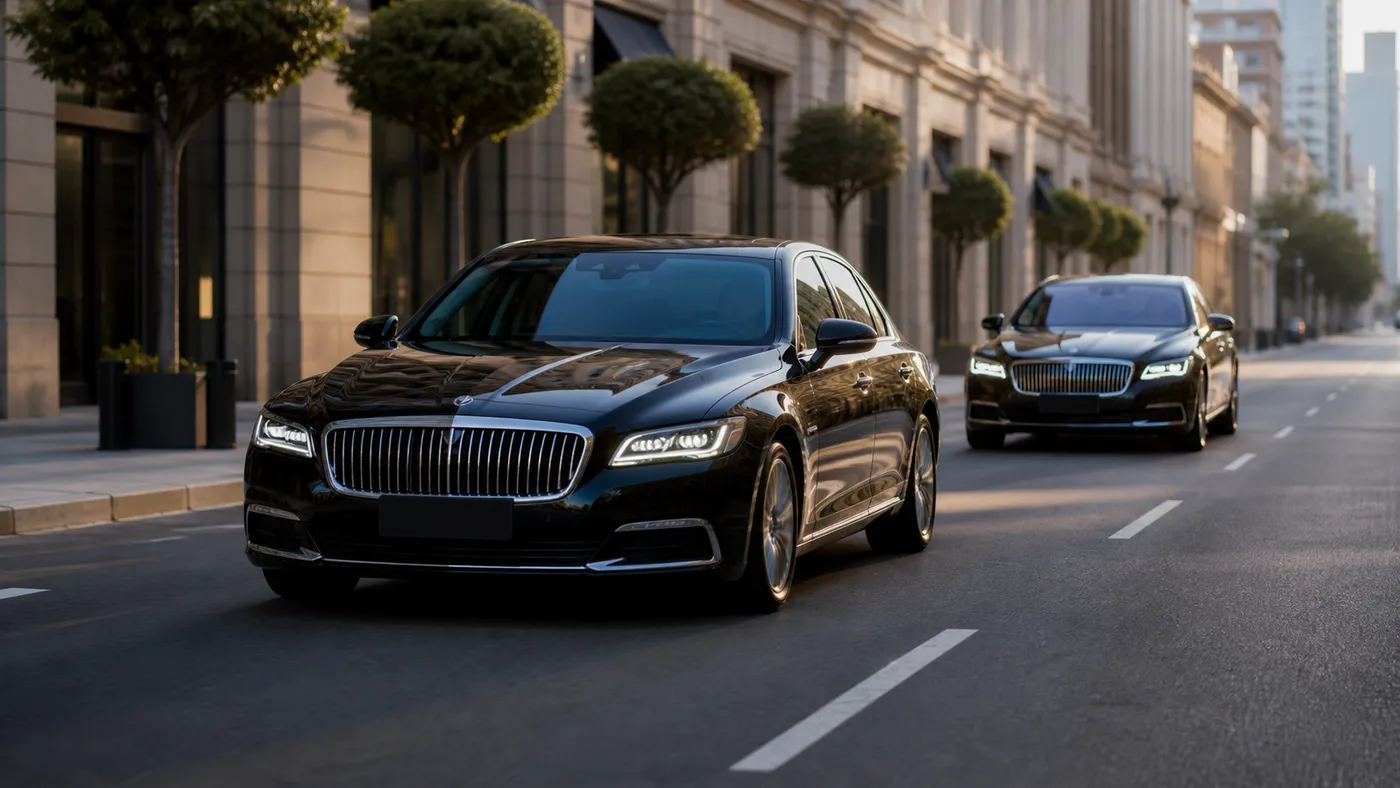
The Phantom is the more formal of the two by design. It is long, low and imposing in a way that belongs to a particular tradition of arrival: the sweep up to a frontage, the door opening, the step out onto a forecourt. Its ride on good tarmac is the reference point for the entire industry, and on a well-surfaced road nothing feels quite like it.
The Cullinan takes the same interior ambition and puts it on a tall, four-wheel-drive platform. That produces a car with a commanding view, a high seating position, genuine all-weather capability and a load bay a saloon cannot approach. It is unmistakably a flagship, but it is a flagship that can leave a made road without anybody worrying. That combination is unusual and it is the point of the car.
Getting in, and getting out again
Both use rear-hinged coach doors, so both offer that unusually clean opening, and in both cases the aperture flatters formal dress. The difference is height. The Phantom seats you low, which is comfortable once settled and demanding to rise from, particularly for older passengers or anyone with a hip or knee that objects. It is a beautiful way to sit and a demanding way to stand up.
The Cullinan seats you at roughly hip height, so you step out rather than climb out. For a passenger who finds low seats difficult, that single characteristic outweighs almost every other consideration, and we recommend it on those grounds regularly. It is a practical point rather than a stylistic one and it deserves to be asked about before booking rather than discovered afterwards.
Luggage, weather and the approach road
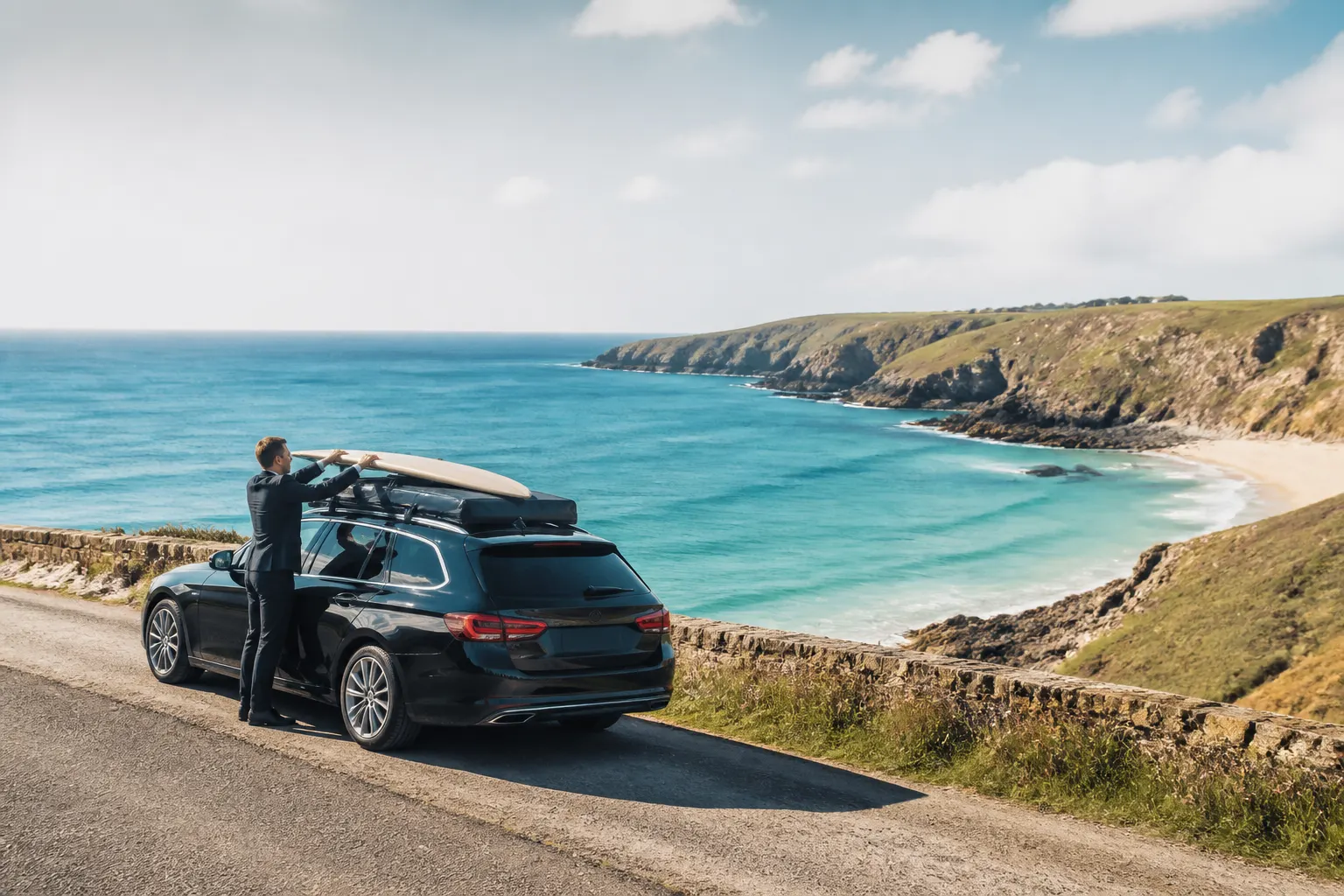
Luggage divides them clearly. The Phantom has a well-finished saloon boot that takes two large cases and some cabin bags comfortably and struggles beyond that. The Cullinan has a proper tailgate and a deep load bay, taking a family's checked luggage without anybody rearranging anything or travelling with a bag at their feet. Two people travelling light will never notice the difference; four people flying with checked bags will notice nothing else.
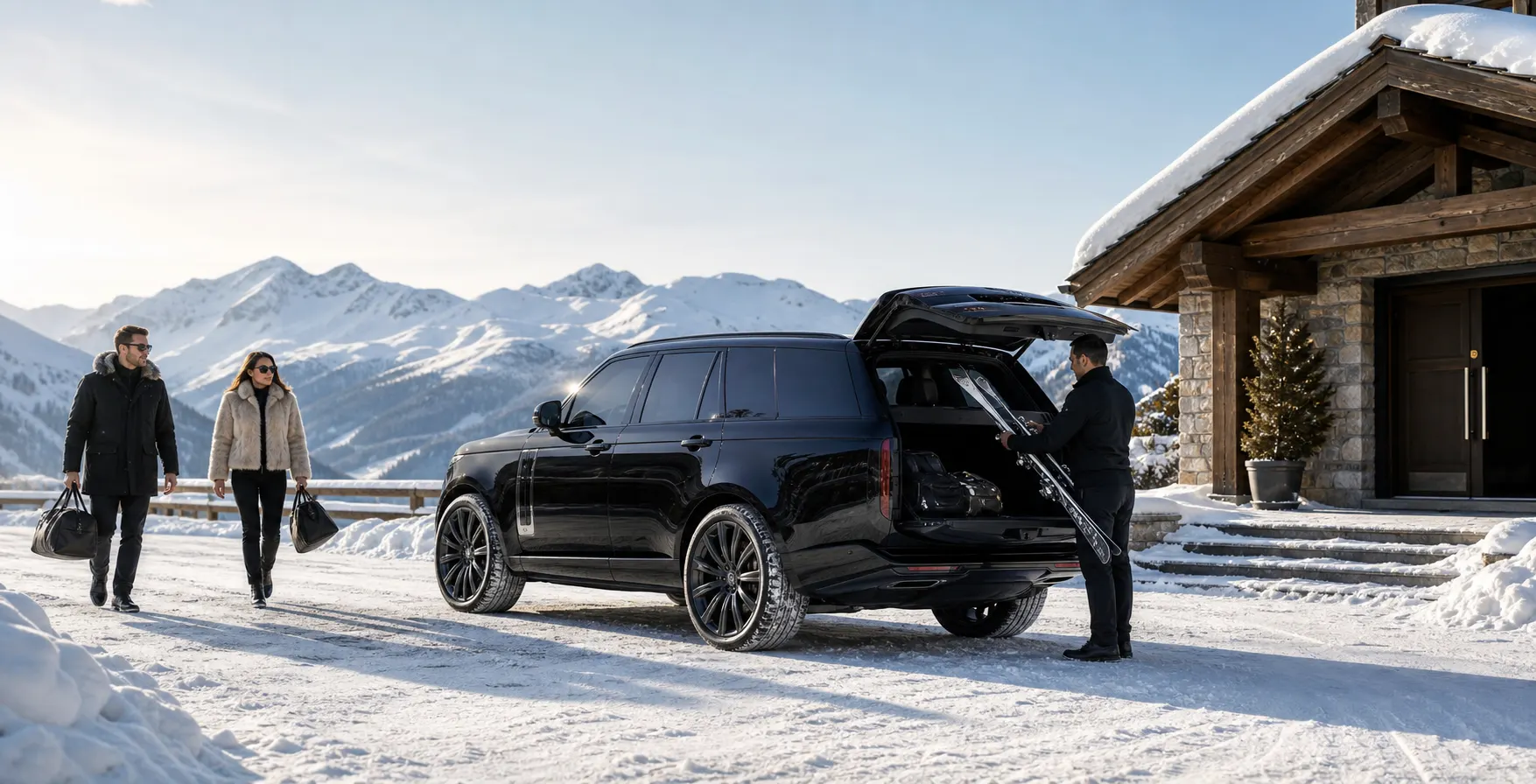
Weather and surface divide them just as clearly. The Cullinan's ground clearance and four-wheel drive make an unmade drive, a flooded lane, a field used for parking or a snow-covered rural road entirely routine. The Phantom can be taken to such places carefully, but its passengers will spend part of the drive listening for the underside, which rather undermines the point of the car.
For city journeys and good roads the Phantom's advantage returns, and its lower centre of gravity gives a settled quality through long curves that the taller car cannot quite match. Both statements are true at once, which is why the honest question is not which car is better but which road you will actually be on for the last part of the journey.
The comparison in practical terms
Judged by what actually happens on the day rather than by reputation, they separate into a straightforward list. Neither car is compromised in any absolute sense, so nothing here should be read as a criticism of the other. What the lines describe is the fit between a vehicle and an itinerary, and that fit is usually decided by the weather, the surface and the number of cases.
- Formal city arrival at a grand frontage: the Phantom
- Checked luggage for a family: the Cullinan, comfortably
- Gravel, mud, standing water and snow: the Cullinan, without hesitation
- Ride quality on excellent tarmac: the Phantom, marginally
- Ease of entry for a passenger with stiff joints: the Cullinan
- Height barriers at hotel and multi-storey car parks: the Phantom fits more
- Long motorway journeys: both excel, with the Phantom slightly more settled
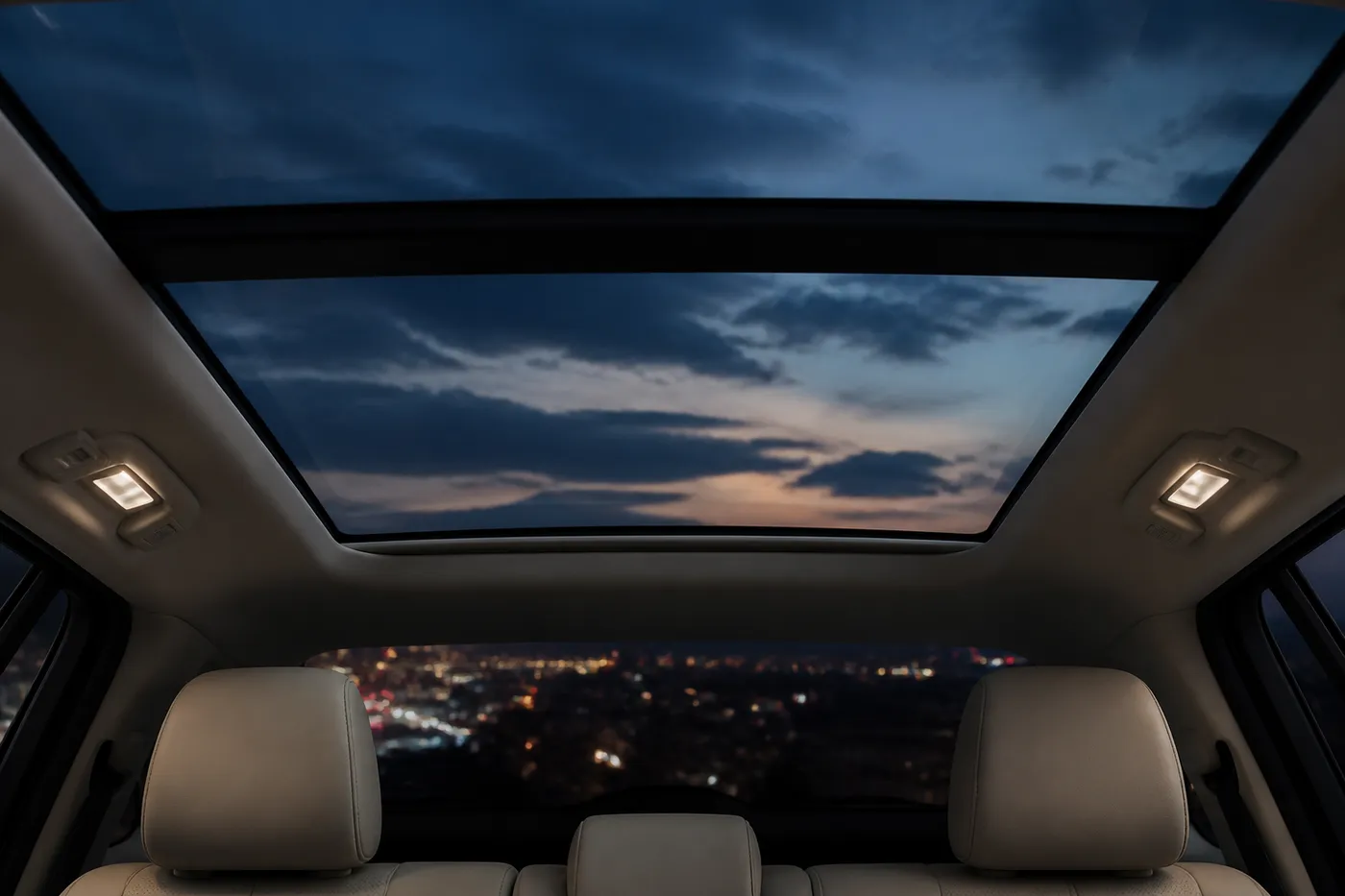
- Visibility and a view out for the passenger: the Cullinan
When the Cullinan is the sensible booking
For a country destination in winter it is the only one of the two we would recommend without qualification. Estates, country house hotels, shoots and rural weddings frequently involve a final stretch that a low car handles nervously and a tall one ignores. Arriving comfortably matters more than arriving in the lower car. A nervous drive up a track undoes everything the car was chosen for.
It is also the better answer for a family, which is a sentence rarely written about a Rolls-Royce and is nonetheless true. Four passengers with luggage fit properly, children can get in and out without acrobatics, and the higher seats make the journey easier for anyone prone to travel sickness. A magnificent car that cannot take the cases is not solving the problem.
And it wins for anyone whose mobility makes a low seat genuinely difficult. That includes a great many passengers who would never mention it unprompted, which is why we ask. Choosing the taller car in those circumstances is not a compromise on luxury; it is the more thoughtful arrangement by some distance. We ask about it early because passengers seldom raise it themselves, and it changes the recommendation entirely.
Deciding, and what we confirm
The question we ask first is what the last quarter mile looks like, followed by how many are travelling and what they are carrying. Those two answers resolve the majority of enquiries before anybody discusses the cars at all, which is usually a sign that the decision was practical rather than aesthetic all along. Aesthetics come afterwards, and they come more easily once the practical answer is settled.
Prestige motor cars come from our own fleet and from a vetted network of professional chauffeur operators, so we quote a class of vehicle rather than a registration, with model year, colour and interior specification subject to availability. Supply of both is limited and busiest through the summer wedding season, so send your date over WhatsApp or by email as early as you reasonably can.