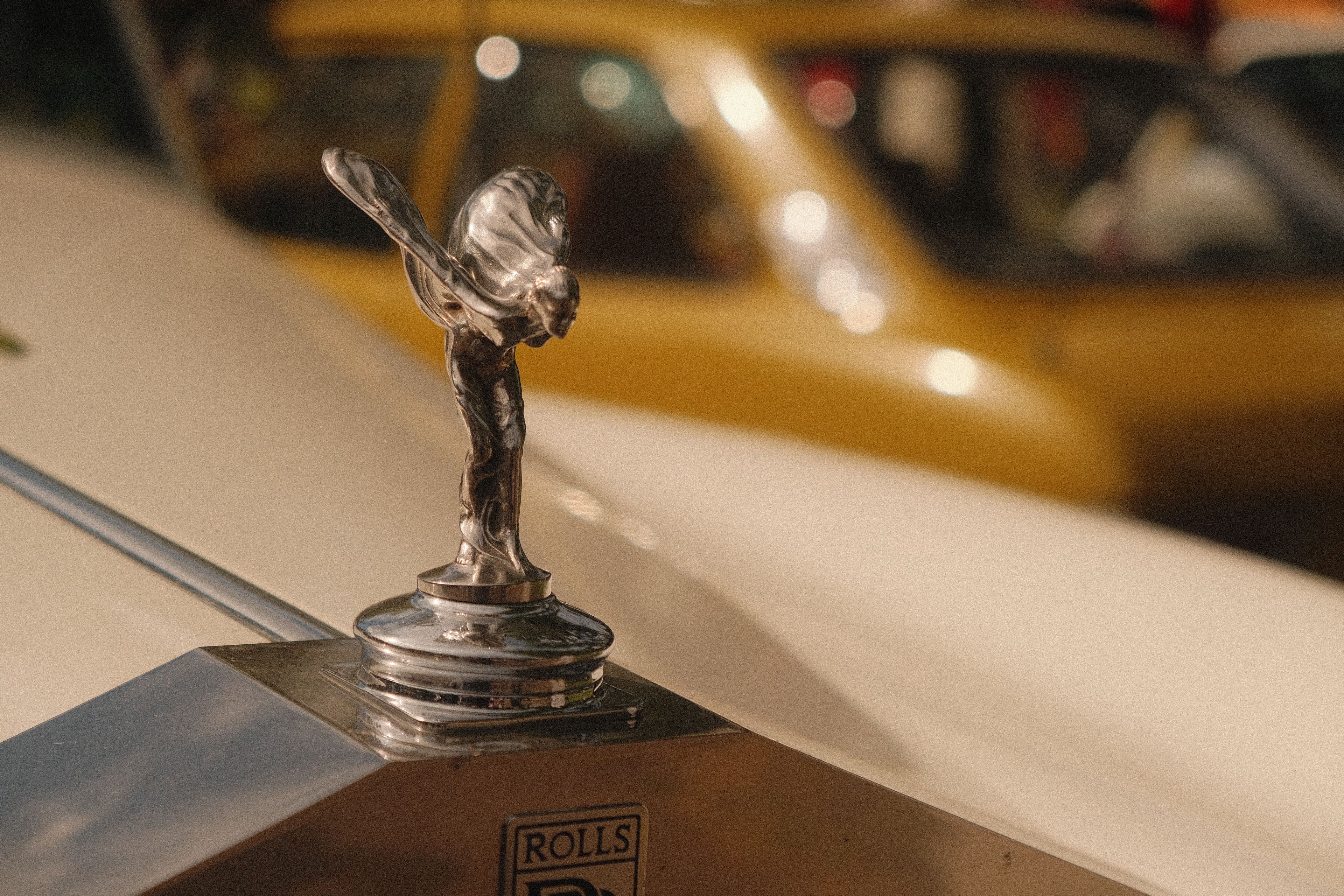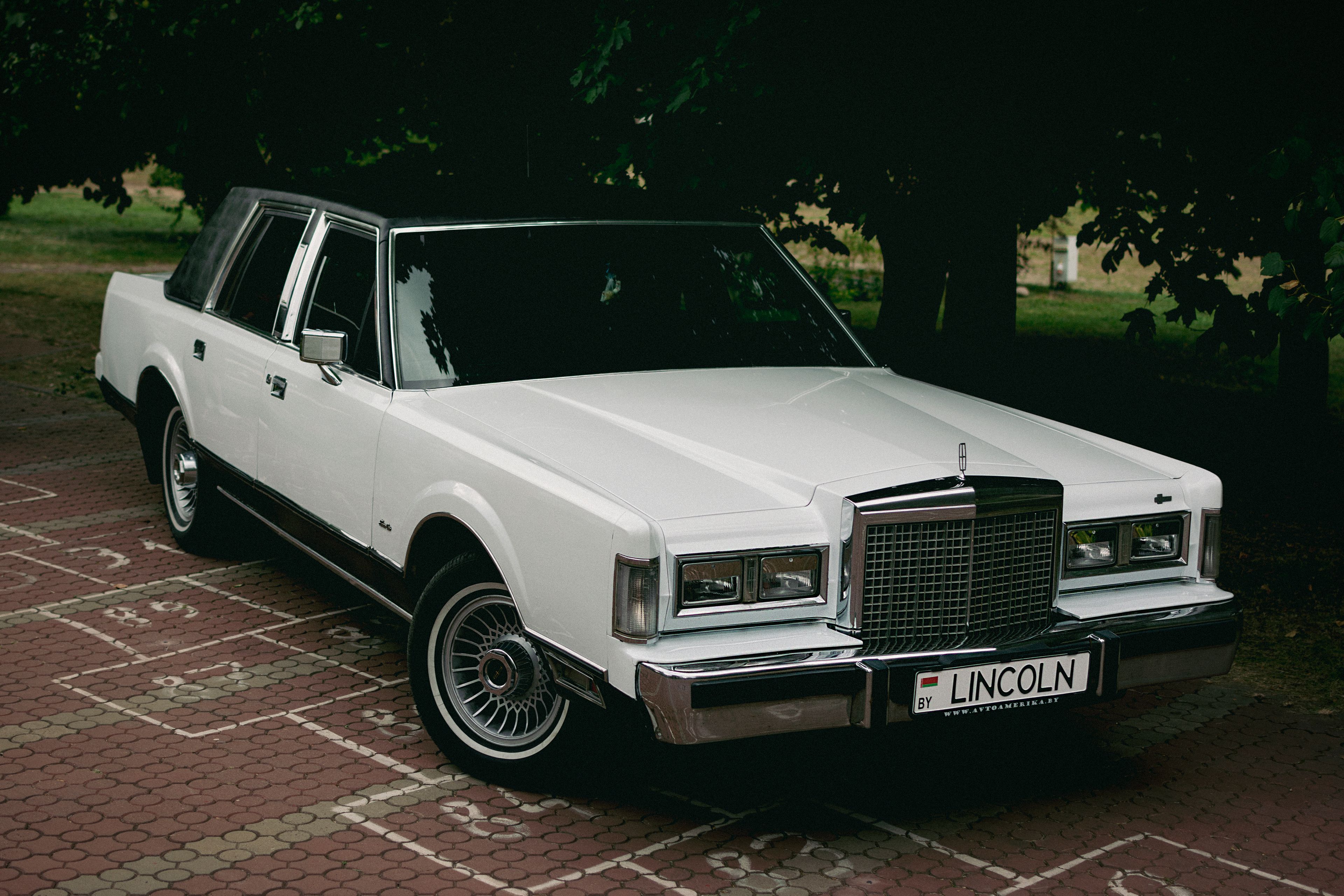





Most memorable dinners are not one stop. They are drinks somewhere first, a table for two hours or three, and then a decision made at eleven o'clock about whether the evening is over. Planned as three bookings, that has to be right. Planned as one held arrangement, it can be whatever the evening turns out to want.
This guide is about that shape of evening rather than the long drive to a destination restaurant. Where cars can stop in the parts of London and other cities that hold the good restaurants, how to collect eight guests for a birthday without losing the table, and how to leave the end of the night genuinely undecided.
Evenings with more than one stop
The three-stop evening is the standard shape for a celebration and the one most often mishandled. A bar at seven, a table at half past eight, and somewhere afterwards that nobody has chosen yet. Each move is short, none is worth parking for, and the times shift as the evening finds its own pace.
Holding a vehicle for the block covers all of it. The car takes you between stops, waits nearby rather than being dismissed, and the third stop can be decided at the second. Nothing about this needs more planning than the first address and a rough finish, which is exactly why it suits evenings meant to be enjoyable.
Where a car can stop in a restaurant district
The parts of a city that hold the best restaurants are rarely the parts with room to stop. Mayfair, Soho, Marylebone, Fitzrovia and the streets around Covent Garden all have narrow kerbs, active restrictions and a great deal of competing traffic at precisely the hour you would like to be set down.
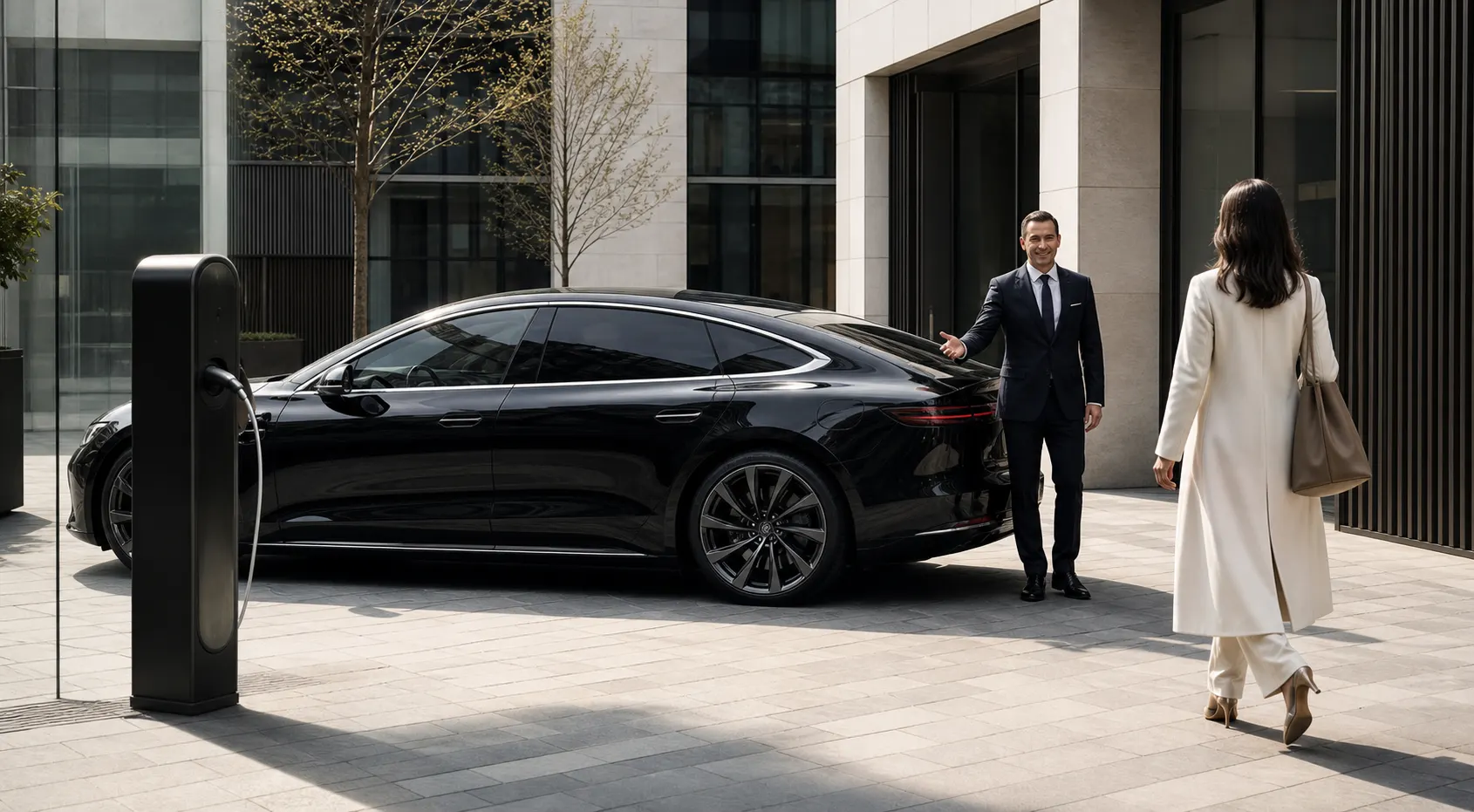
In practice the vehicle stops for a matter of seconds at a workable point and then leaves, and the collection happens the same way. Your chauffeur chooses the point, and it is usually round a corner rather than at a door. Sending the restaurant's address when you book, rather than only its name, lets that be settled beforehand.
Outside London the same principle applies with different specifics. City-centre restaurants in Manchester, Edinburgh, Bath and Birmingham sit in pedestrianised or heavily restricted streets more often than not. None of that is a difficulty provided nobody expects the car to be waiting outside the window throughout the meal.

Collecting guests for a private dinner
A birthday dinner for ten frequently means ten people arriving from ten directions, several of whom will be late unless somebody intervenes. The intervention is a collection: not for everybody, but for the guests who would otherwise be relying on chance, and for the person the evening is actually for.
Group the collections geographically and give each address a time slightly ahead of the one you need. Where guests are being collected, tell them so in advance, because a guest expecting to make their own way and a guest expecting a car behave quite differently at half past seven.
- Which guests are being collected and which are not
- Addresses grouped by area rather than by table plan
- A time given to each address a little ahead of the real one
- One person holding the arrangement, ideally not the host
- The restaurant's address as well as its name
- A plan for the guest who is always late
Private dining rooms and set times
A private room usually comes with terms attached: a set menu, an agreed number, and frequently a time by which the room must be vacated. That last is the detail that matters to the transport, because it converts an open-ended evening into one with a stated end, and the whole party then leaves at the same moment.
Ask the restaurant what time the room is yours until when you book it, and tell us. Where a party of twelve leaves together at half past eleven, the collection is a small operation rather than a single car, and it is far better arranged in advance than negotiated on a pavement by somebody who has been hosting all evening.
Leaving the finish undecided
The best evenings do not have an end time and should not be given one. A held car makes the finish a decision rather than a deadline, and it is the difference between a table that empties because people are ready and a table that empties because somebody is watching the clock over the coffee.
In practice one person messages when the party is ready and the vehicle appears. If the evening extends to another place, it extends. If it finishes early, nothing has been lost. Everything is arranged over WhatsApp or email with a written quotation covering the held hours before anything is confirmed.
- A block of hours rather than two fixed journeys
- A message when the party is ready, not a booked time
- The option of a third stop nobody has chosen yet
- Somewhere sensible for the car to wait between stops
- An agreed latest finish, purely so everyone knows
Regular arrangements
A number of clients use the same arrangement repeatedly: a standing evening each month, the same restaurant, the same collection address. Where that is the pattern, it is worth setting up once properly so that subsequent bookings are a date and nothing else. Preferences about the cabin, the route and the waiting point carry over.
It is also worth saying if there is a vehicle or a chauffeur you would prefer, though we would not want to promise either without qualification. Cars come from our own fleet and a vetted network of professional chauffeur operators, so model, colour and specification depend on availability and are confirmed in writing for each booking.