




The difficulty with a serious restaurant is not getting there. It is that nobody knows what time you will leave. A tasting menu with matched wines is a three or four hour proposition at minimum, and the kitchen sets the pace rather than the table. Any transport arrangement built on a fixed departure is therefore a guess, and usually a wrong one.
The second difficulty is that the best of these restaurants are frequently nowhere near where you live. Country inns with rooms, converted farm buildings down single-track lanes and coastal dining rooms two hours from the nearest city all exist for good reasons, none of which involve convenience. What follows is about planning around both problems rather than pretending they are not there.
How long a tasting menu actually takes
A short menu at a good restaurant will occupy a couple of hours. A full tasting menu with pairings runs considerably longer, and the more interesting the kitchen the less predictable the timing becomes. Courses arrive when they are ready, a table before yours runs late, somebody sends out something that was not on the menu. None of this is a fault, and all of it moves the end of the evening.
Restaurants will usually give an honest estimate of the sitting when you book, and it is worth asking specifically rather than assuming. What they cannot tell you is which end of the range your evening will land on. Plan the transport for the later end and be pleasantly surprised, rather than the reverse.
Where the booking is early in the evening, some restaurants have a second sitting and will want the table back. Where it is later, they generally will not, and the meal can extend as far as it likes. Knowing which of the two you hold is genuinely useful for planning the car, and it takes one question at the point of reservation.
Destination restaurants and the drive out
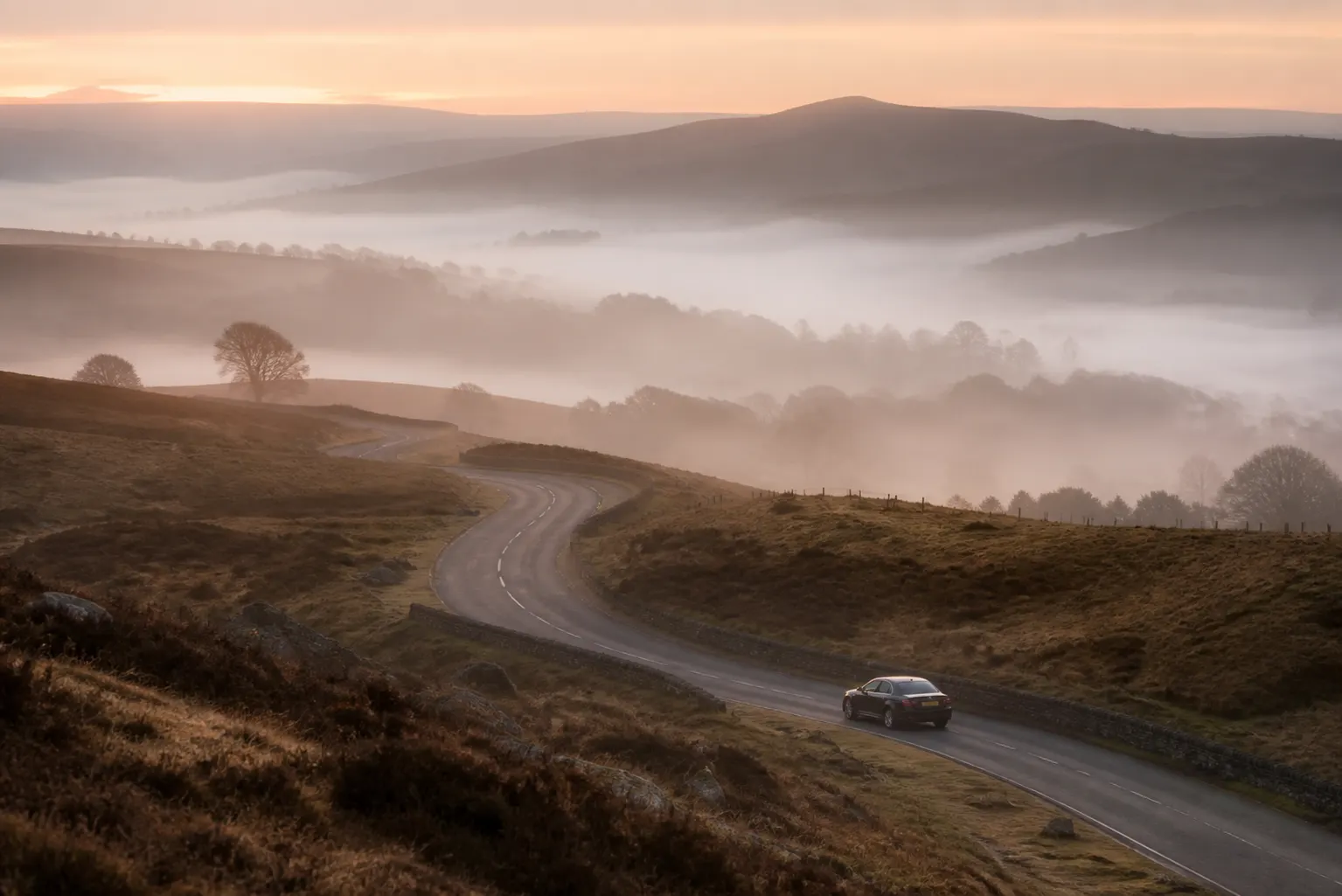
A drive of an hour or two into the countryside changes the shape of an evening rather than merely lengthening it. It means leaving in daylight and returning in the dark on roads that look nothing alike in the two conditions. Rural A roads and single-track lanes are quick going out and slow coming back, particularly in winter and particularly after a long dinner.
Build the outward journey with a margin at the far end, and prefer arriving early to arriving on time. A quarter of an hour in a bar or walking round a village is a pleasant beginning; the same quarter of an hour spent worrying about a lane is not. If the restaurant is genuinely remote, send us the location as well as the name, because rural postcodes cover a great deal of ground.
The wine question, honestly
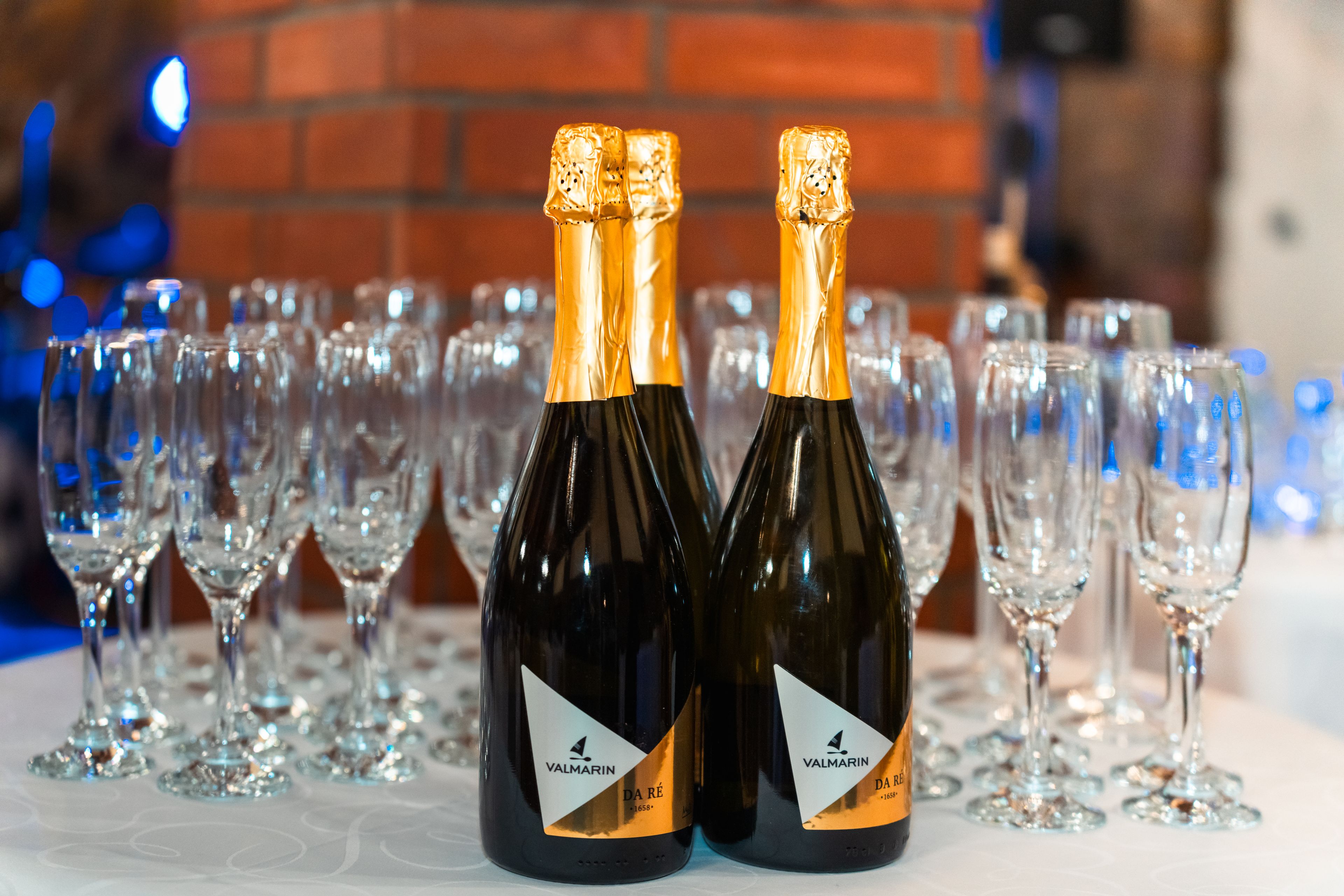
A wine list is the point of a great many of these evenings, and a designated driver removes one person from it entirely. That is a real cost, and it tends to fall on the same person every time. A chauffeur is, in plain terms, a way of giving that person their evening back, which is why bookings of this kind cluster around anniversaries and birthdays rather than routine dinners.
It matters more the further you travel. A short journey home within a city can be solved several ways. Two hours of unlit rural road after a tasting menu with pairings cannot, and the sensible options narrow quickly to staying the night or being driven. We would rather say that plainly than dress it up as an indulgence.
Arrival, and the awkward first minutes
Small restaurants often have no obvious place to stop, and a car pulling up in a village lane or a narrow city street needs somewhere to go afterwards. Where a restaurant sits on a working road, the set-down takes a few seconds and the vehicle then leaves. Where it has a courtyard or a drive, the approach may be gravel, unlit and narrower than it appears from the entrance.
None of this is difficult provided it is known beforehand. Your chauffeur looks at the approach rather than the postcode, and where there is doubt will confirm with you rather than arriving hopefully. It is also worth mentioning if the restaurant sits inside a hotel, since hotel forecourts have their own arrangements and are usually the simplest option available.
An open collection at the end
The collection is the part that repays thought. Fixing it for a stated time means either sitting in a car park for forty minutes or hurrying the last course, and both defeat the object of the evening. The better arrangement is a window, with one person messaging when coffee arrives so the car is outside as you stand up rather than as you finish.
For a long evening at distance, holding the vehicle throughout is usually simpler than releasing and recalling it, and it means nothing has to be decided in advance. Everything is arranged over WhatsApp or email, with a written quotation covering the held hours before the booking is confirmed.
- The restaurant's own estimate of the sitting length
- Whether you hold an early or a late booking
- A message when coffee arrives rather than a fixed time
- One person in the party holding the arrangement
- Somewhere sensible for the car to wait nearby
- A margin for the drinks nobody planned on
Restaurants with rooms, and the alternative
A great many destination restaurants have rooms above them or a hotel attached, and staying the night converts a difficult evening into an easy one. It also changes the transport requirement into two short daytime journeys, which are simpler and considerably more pleasant than one long night drive in either direction.
Where you are staying over, the car can be released after the outward run and return the following morning, or be held if you want to see something of the area the next day. Where you are not, the return journey is the whole reason the arrangement exists, and it deserves to be built into the evening rather than treated as an afterthought.
- Rooms at the restaurant, booked well ahead for the better ones
- A nearby country hotel where the restaurant has none
- Two short daytime journeys instead of one long night drive
- The car released overnight and returning in the morning
- Time the following day for the area rather than a dash home