




A long drive is a different service from a transfer. The car stops being transport and becomes a room you are sitting in for several hours, and the things that decide whether it goes well are mostly settled before you set off. Seat comfort, when you stop, what you can get done on the move, and whether the timings were honest in the first place.
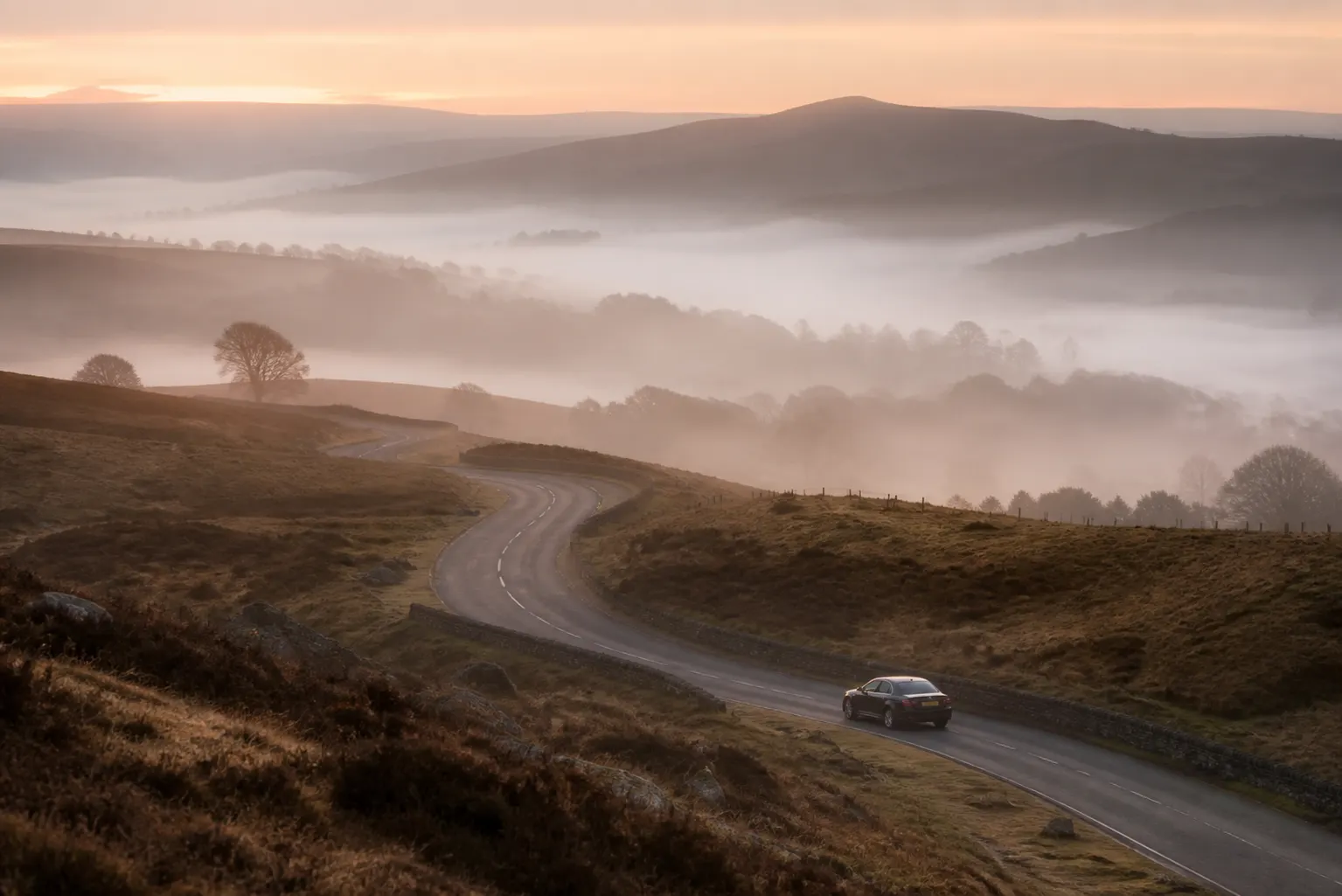
This list covers UK road journeys of roughly two hours upwards — London to the Lake District, Edinburgh to the Highlands, the run at the start and end of a school term, or a country house weekend at the far end of a motorway. Work through it and the day tends to arrive at the other end in better shape than it started.
Be honest about the timings
Journey planners give you a number that assumes an empty road and no stops. A four-hour estimate is really five and a half with a break and a realistic view of the motorway. Building the plan on the optimistic figure is how people end up arriving flustered at a dinner they had allowed plenty of time for. We would rather quote the slower, truer figure at the outset.
Departure time is the biggest single lever. Leaving the South East before the morning peak or after it can change a journey by an hour, and Friday afternoons westward or northward out of any major city are their own category of slow. If the arrival time is fixed, tell us that first and we will work backwards to a departure that holds up.
- The fixed point in the day: an arrival time, a booking, a check-in
- How flexible the departure can be, in either direction
- Whether the return is the same day or after an overnight stay
- Any stop en route, and roughly how long it will take
- Whether you would rather arrive early and wait than cut it fine
Plan the breaks rather than improvising
On anything over two hours, a planned stop is better than a hopeful one. Motorway services vary enormously, and the difference between a decent one and a grim one is about fifteen minutes of planning. Agreeing in advance where you will stop means the chauffeur can time the approach rather than pulling in wherever the sign appears when somebody finally asks.
Some people prefer a market town a few minutes off the motorway to any service area, and on many routes that is entirely practical. Others would rather not stop at all and will say so. Both are fine; what does not work is discovering at the two-hour mark that nobody has thought about it and the next reasonable option is thirty miles away.
- How often you would like to stop, if at all
- Preference for motorway services or a town a few minutes off route
- Whether anyone travelling needs regular breaks for medical reasons
- Coffee, food, or simply a few minutes of fresh air
- A fuel or charging stop timed to coincide with your break, not added to it

Comfort in the cabin over several hours
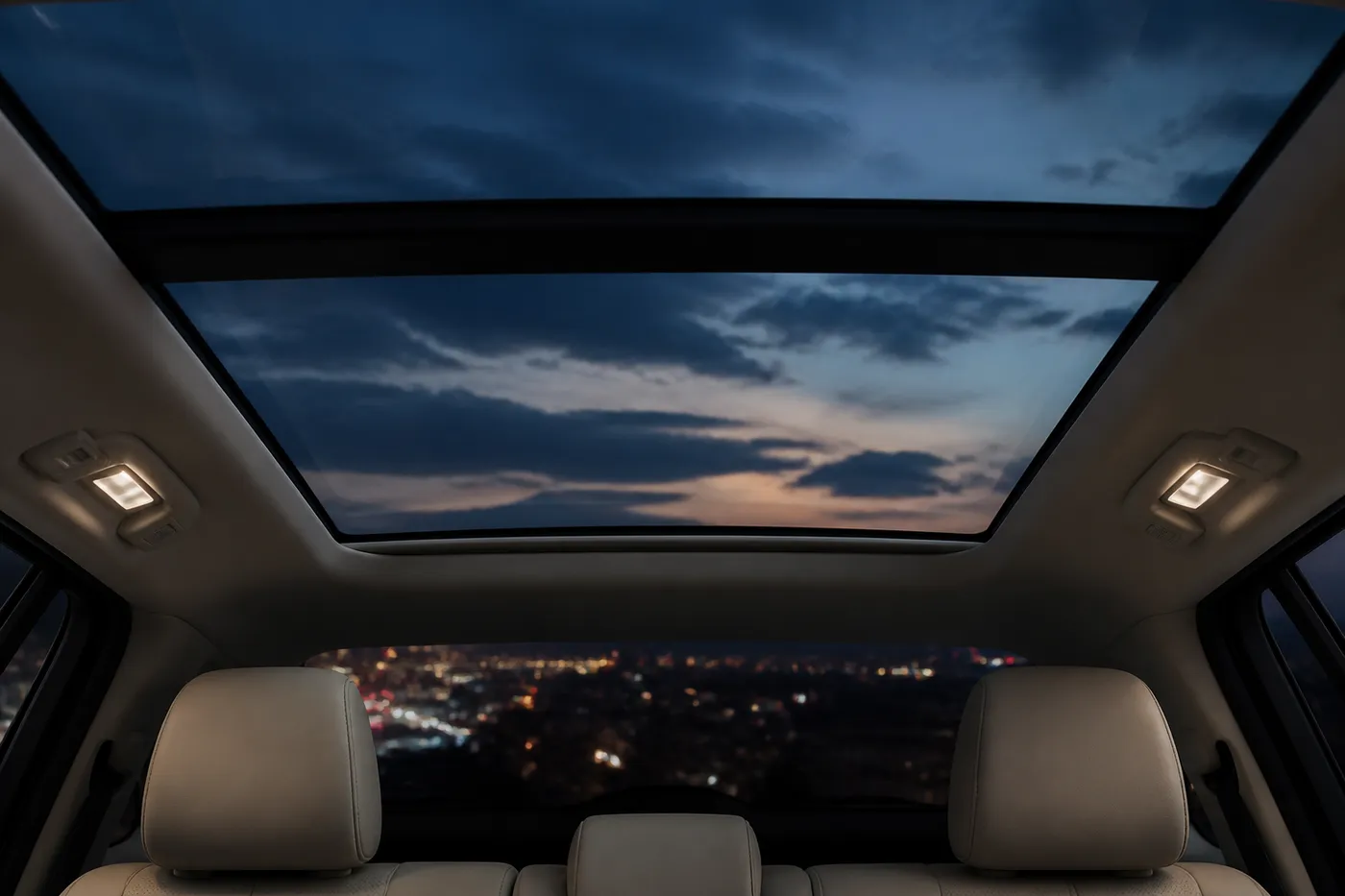
Small discomforts scale badly with time. A seat that is fine for twenty minutes can be tiring at three hours; a cabin two degrees too warm becomes soporific; sun through an unshaded window on a westbound afternoon is genuinely unpleasant. None of this is difficult to solve, but it does need mentioning, because a chauffeur will not adjust something they have not been told about.
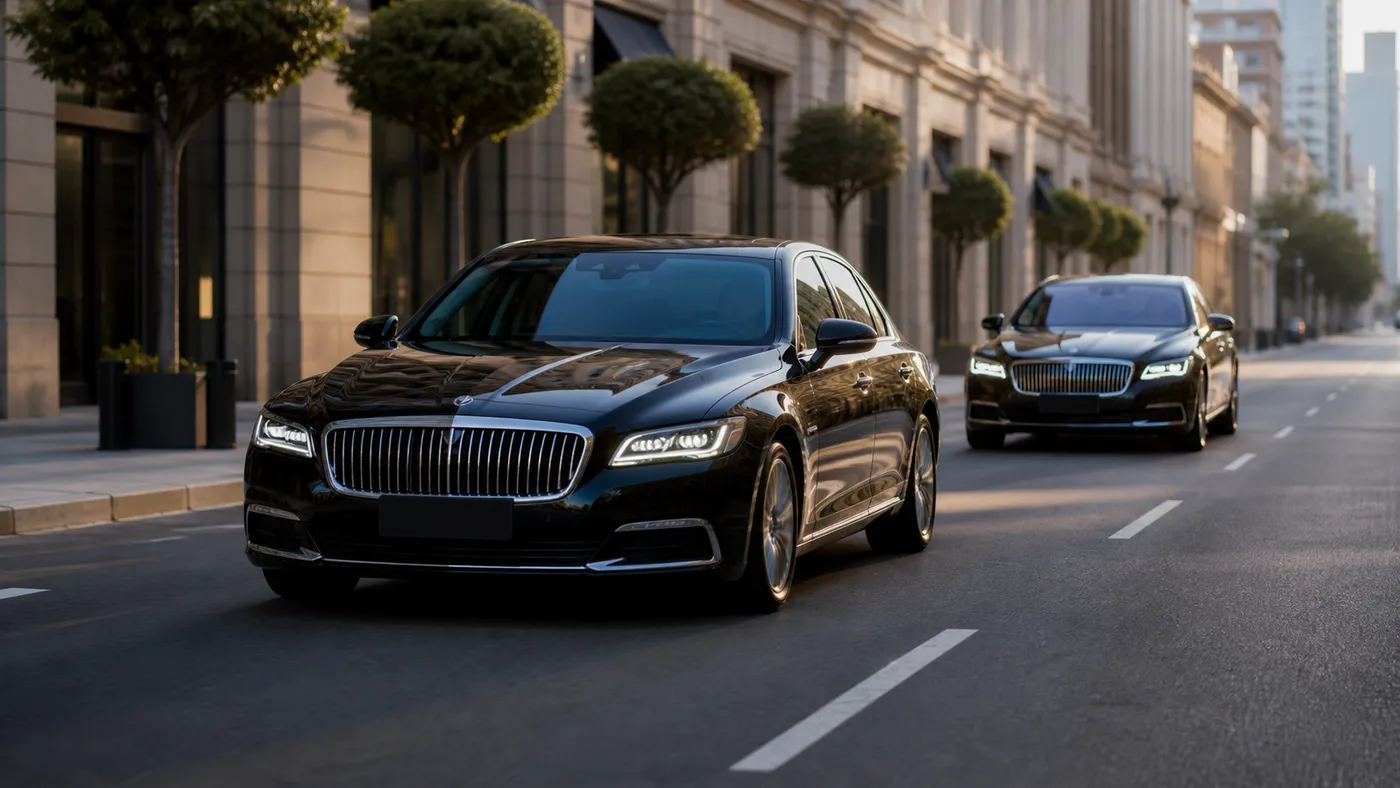
The flagship saloons and the larger luxury MPVs are built for exactly this: reclining rear seats, separate rear climate control, better sound insulation and enough glass to see out of without being cooked. If a long journey is the point of the booking rather than an incidental part of it, the vehicle choice matters far more than it does around town.
- Preferred cabin temperature, said out loud rather than endured
- Rear window blinds, or a seat out of the afternoon sun
- Reclining or adjustable rear seats if anyone plans to sleep
- Travel sickness, which changes both seating and route preference
- Somewhere to put a coat, laptop and bag without them sliding about
Luggage and what travels where
Long journeys attract more luggage than transfers, and often more awkward luggage: a case for the week, wellingtons, a gun slip, a case of wine, presents, a dog crate. The boot capacity that comfortably swallowed two cabin bags on an airport run is a different proposition here, and the honest answer is often a larger vehicle rather than a full boot and a bag on a lap.
Think as well about what you want with you rather than behind you. Medication, documents, a book, headphones and anything you will want at the first stop should travel in the cabin. It is a small thing, but nobody wants a boot opened on a wet verge because the reading glasses are in the suitcase. Say what needs to stay to hand and the loading is arranged accordingly.
- Total case count and the largest single dimension
- Country kit: boots, coats, sports equipment, dog crates
- Anything fragile, or that must travel flat
- Items you want in the cabin rather than the boot
- A dog travelling, its size, and whether it needs a harness or crate
- Shopping or gifts collected en route that will need space
The chauffeur's day, and why it matters
Behind every long journey is a chauffeur who has to get to you before it starts and home after it ends. That is not your problem to solve, but it is worth knowing, because it shapes what is sensible. A long drive out, a full day waiting and a long drive back is a great many hours, and the honest answer is sometimes two chauffeurs or an overnight stay rather than one very long shift.
Professional operators work to rest requirements for good reason, and we would rather propose the arrangement that keeps everyone alert than the one that looks tidiest on paper. Tell us the whole shape of the day, including the wait in the middle, and we will say plainly what works and what would be pushing it. Fatigue is the one risk on a long journey that planning genuinely removes.