Skip to content
Luxury ChauffeursUnited Kingdom
Winter Driving in the UK: What Changes for Your Journey

City Travel

Winter Driving in the UK: What Changes for Your Journey

6 min readUpdated 9 January 2026

Quoted individually. Share the outline and we reply with a written price — no rate card, no obligation.

Topic
City Travel
Reading
6 min read
Updated
9 January 2026
Coverage
London & the whole UK

British winters are not extreme by international standards and they are consistently disruptive, which is a different thing. The country gets enough snow to close high routes but not enough to be organised about it, enough rain to flood roads several times a season, and a period around the solstice when it is dark by mid-afternoon. All of that changes how a journey should be planned.

What follows is what actually changes between June and January, drawn from the parts of the country where it matters most. It is not a list of dramatic events. It is a set of small adjustments, mostly to timing, that together mean a winter journey feels the same as a summer one from the back seat, which is the entire objective.

Daylight, and how little of it there is

In late December, much of Britain has usable daylight from around eight in the morning until around half past three in the afternoon, and less than that in Scotland. An afternoon appointment ends in the dark, a country lane is unlit, and a rural entrance that is obvious at noon is invisible at five. This is the single most underrated winter factor.

It affects planning in two ways. First, we prefer to drive an unfamiliar final approach in daylight before repeating it in the dark, which sometimes means arriving earlier than strictly necessary. Second, set-down positioning matters more: where someone steps out, what they step onto, and whether the entrance is lit are all worth thinking about in advance.

Low winter sun is the other side of the same problem. On east to west routes at the beginning and end of the day, glare can reduce visibility severely for extended periods, and it affects the A roads across the flatter parts of England more than most people expect.

Snow, gritting and the routes that close first

Main roads and motorways are treated as a priority when snow is forecast, and they generally stay open. The problem is everything else. Minor roads, rural lanes and residential streets are treated late or not at all, which means the first and last miles of a journey are frequently the difficult ones even when the motorway is clear.

Certain routes close early and reliably. The Snake Pass and the Woodhead corridor across the Pennines, the higher sections of the M62, the A66 between Cumbria and the north east, and several Scottish trunk routes are all affected in snow, sometimes for extended periods. When they close, the alternatives are long, and a two hour journey can become four.

Where a winter journey depends on one of those crossings we say so at the quotation stage, monitor conditions beforehand, and would rather propose an earlier departure or a different route than set off hoping. Occasionally the honest advice is to travel the day before, and we will give it.

  • Motorways are treated first; lanes and side streets often are not
  • Trans-Pennine routes close early and reopen late
  • The A66 and higher Scottish routes are affected regularly
  • High winds close certain bridges to some vehicle types
  • Standing water and flooding follow sustained rain in low-lying areas
  • Fog affects flat eastern routes and river valleys most
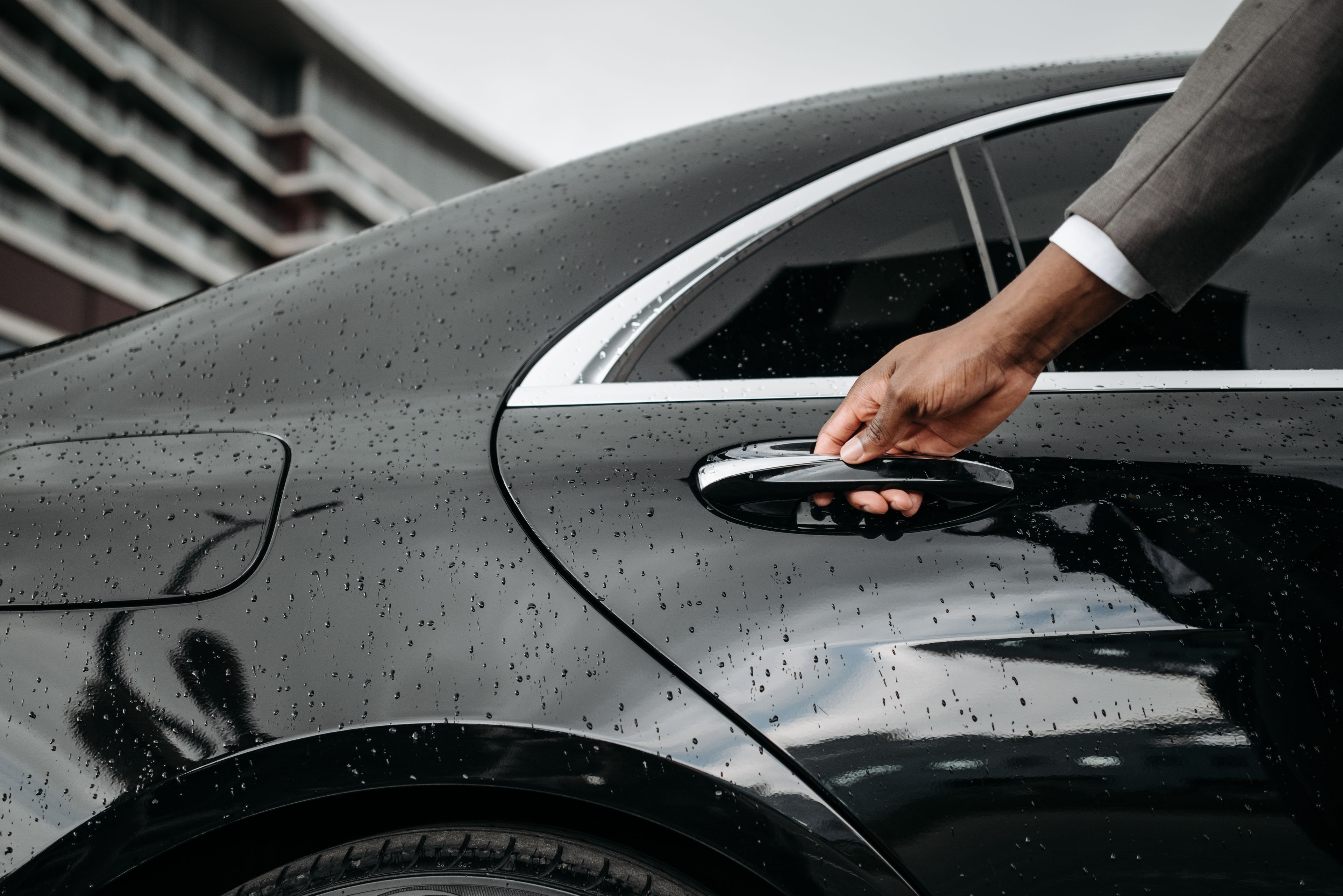
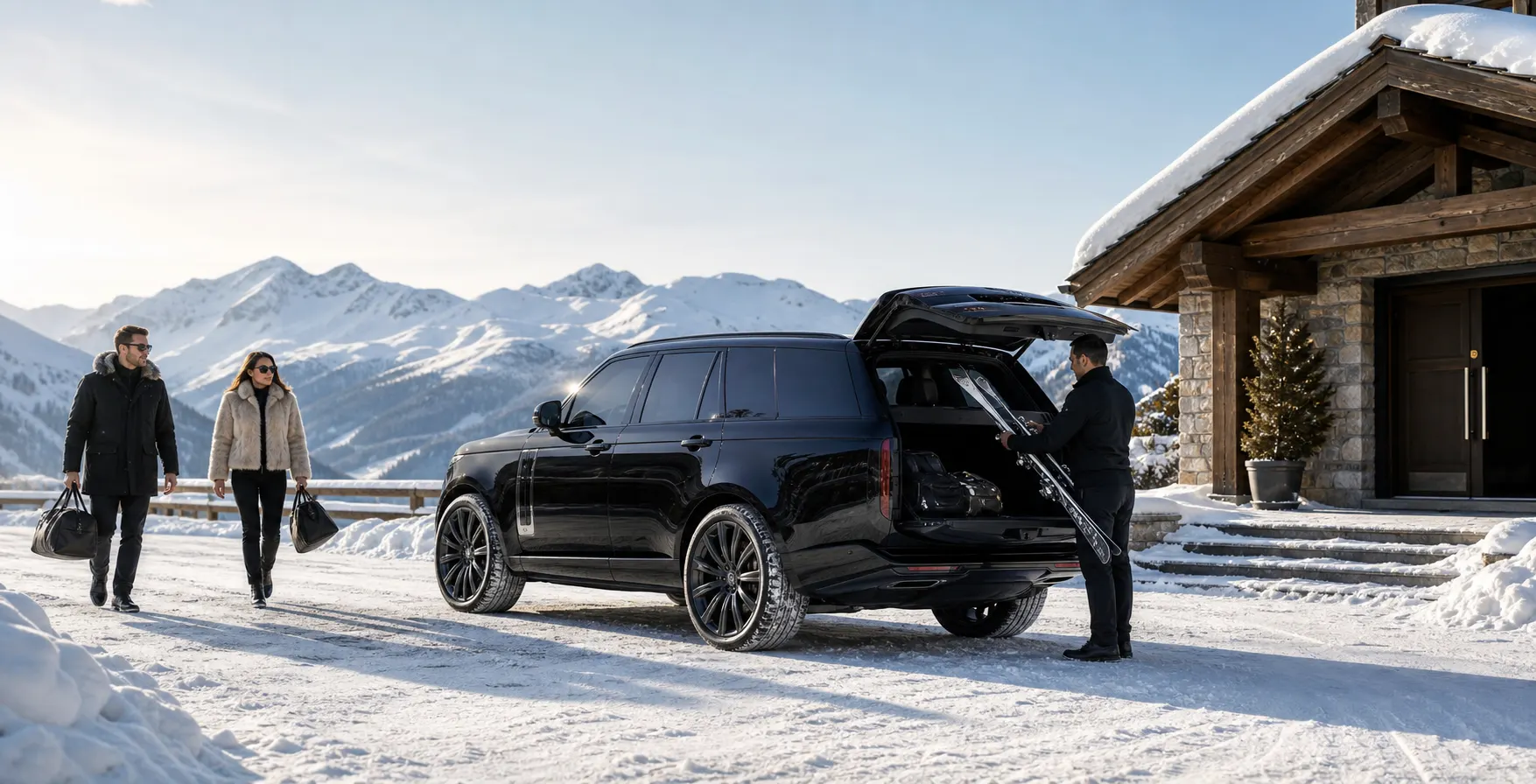
Winter Driving in the UK: What Changes for Your Journey — illustrating the guide

Wind, water and the storm season

Named storms arrive through the autumn and winter and bring the same set of consequences: fallen trees on rural roads, surface water on motorways, and wind restrictions on exposed bridges and elevated sections. Certain estuary crossings close to high-sided vehicles and occasionally to all traffic when the wind reaches particular speeds.

Flooding is more common and less dramatic. Low-lying roads in the Somerset Levels, the Thames valley, the Fens and the river cities including York flood after sustained rain, sometimes for days. A flooded road is not a road to attempt, and we reroute rather than take a view on depth.

Fog is the quiet one. Freezing fog on the flatter eastern routes and river valleys can reduce visibility to very little, and it lifts unpredictably. Journeys through those areas at dawn in winter deserve a wider margin than the mileage suggests, particularly where a flight is involved at the far end.

The car in winter

Vehicles working through the winter need preparation rather than heroics: tyres in good condition and appropriate for the season and the work, screenwash that will not freeze, lights and wipers checked, and a clean windscreen inside as well as out. Salt spray on a motorway in February makes the inside of a windscreen filthy within hours.

Cabin comfort changes too. Pre-warming the car before a collection matters far more in January than in July, and a chauffeur who starts the heating twenty minutes early is doing something worth noticing. Blankets and a warm car at the end of a cold evening event are small things that make a considerable difference.

None of this is unusual for a professional operation. It is simply the routine of winter work, carried out by our own chauffeurs and expected of the vetted operators we work with, and it is largely invisible when it is done properly. The only visible sign should be that a January journey feels no different from a June one.

  • Tyres appropriate to the season and in good condition
  • Screenwash that will not freeze, topped up daily
  • Lights and wipers checked before every early start
  • The windscreen cleaned inside as well as out
  • The cabin warmed through before a winter collection
  • Blankets and a warm car for a cold evening finish

Airports, flights and the margin

Winter affects airports in ways that are outside anyone's control. De-icing adds time to departures, snow closes runways temporarily, and a single disrupted morning generates knock-on delays through the day. We check published arrival information before setting off for a collection and adjust rather than sitting in a car park at the original time.

For departures the answer is margin. In winter we build in more time than the drive requires, because the alternative is a tense journey and a missed check-in. It is far better to arrive with time to spare than to spend an hour watching a queue and calculating.

The general winter principle is the same everywhere: earlier departures, wider margins, and honest advice about what a particular route is likely to do. Where a schedule genuinely cannot absorb the risk, we will say so and suggest a different plan rather than accepting a booking we are not confident about.

In Short

Key Points

  1. 01Midwinter daylight ends by mid-afternoon and changes rural arrivals
  2. 02Motorways are treated in snow; lanes and side streets frequently are not
  3. 03Trans-Pennine and northern routes close first and reopen last
  4. 04Flooding and fog cause more disruption than snow in most winters
  5. 05Winter journeys are planned with earlier departures and wider margins

Why Luxury Chauffeurs

Why Choose Luxury Chauffeurs

  • 01

    Held, not hailed

    The car is reserved against your name for the whole booking. Nothing is pooled, nothing is reallocated, and no algorithm decides who arrives at your door.

  • 02

    Priced in writing

    Distance, duration, vehicle and timing are worked out before you commit, then confirmed in writing, so the figure you agree is the figure for the journey.

  • 03

    London and beyond

    A short run across Mayfair and an unhurried drive to the Highlands are arranged with the same care, by the same people, under one booking.

  • 04

    Discretion as habit

    Unbranded vehicles, chauffeurs who speak only when spoken to, and a rear compartment where a confidential call needs no lowering of the voice.

Luxury Vehicles

Choose Your Chauffeur Driven Car

From an executive saloon to a Rolls-Royce. Model, colour and specification are subject to availability and booking confirmation.

Four Steps

How Booking Works

Chauffeur booking with us is a conversation rather than a checkout. Every journey is priced individually.

  1. 01

    Tell us the journey

    Send the date, the addresses and the shape of the day on WhatsApp, or use the journey planner. There is no obligation and no card details are taken to get a price.

  2. 02

    We quote in writing

    You receive a written quotation covering the vehicle, the timings and everything included — no estimates that move later, and no surge pricing.

  3. 03

    The car is held

    On confirmation a vehicle and a named professional chauffeur are assigned to your date, and the terms are put in writing.

  4. 04

    Your chauffeur arrives

    Briefed on the route, the access and the waiting arrangements before the day, so nothing is decided at the kerb.

Executive chauffeur travel

Corporate & Business

Business Travel Across Britain

Corporate chauffeur work runs to a diary rather than a postcode. Meetings overrun, a signing drags past six, and the airport leg still has to make check-in. Because the vehicle is committed to your booking, a revised plan costs a message rather than a fresh price. Accounts can be arranged so individual travellers never handle payment, and the paperwork is kept plain enough for a finance team to reconcile without chasing anybody.

The rear compartment is treated as a working space. Cabins are quiet enough for a confidential call, papers can stay open on the seat between stops, and chauffeurs understand that what is overheard is not repeated. Roadshows, board visits and conference movements involving several cars are coordinated centrally, so one person holds the schedule and one thread carries every change to it.

Airports

Airport Chauffeur Connections

Met in arrivals with a name board, luggage carried, and departures planned around your check-in.

Before You Send

What to Tell Us

None of it is compulsory. The more you include, the sooner we can reply with a firm written price rather than a question.

  1. 01

    Where and when

    Pickup and destination addresses, the date, and the time you need to arrive rather than leave.

  2. 02

    Who is travelling

    Passenger numbers, large cases and cabin bags, and the ages of any children so we fit the right seats.

  3. 03

    The shape of the day

    One journey, a return, or a car held for several hours. Say if the timings might move.

  4. 04

    Flight or event details

    A flight number lets us plan around the published schedule; an event name tells us which gate and which traffic plan.

  5. 05

    Vehicle preference

    A category is enough — or ask us to recommend one for the party and the distance.

  6. 06

    Anything else

    Accessibility requirements, a preferred route, a stop on the way, or a quiet car with no conversation.

Professional Chauffeur Standards

The Standard We Hold

What a premium chauffeur service should mean in practice, rather than in a brochure.

  • Vetted professional chauffeurs

    Every chauffeur is licensed, insured and vetted before they drive for us. They are briefed on your journey in advance and dressed for the occasion.

  • Discretion by default

    Vehicles carry no branding. Your chauffeur speaks when spoken to, and what is discussed in the back of the car stays there.

  • Immaculate vehicles

    Current-generation cars, valeted before every journey, with still water and charging in the rear compartment.

  • One point of contact

    The same person handles your enquiry, your quotation and your booking, so nothing is explained twice.

A professional chauffeur waiting beside a luxury car

Where We Travel

Nationwide Chauffeur Service

London is where most of our work begins, but a chauffeur can be arranged to and from any address in the United Kingdom.

Get a Quote

Request a Personalised Quotation

Every journey is priced individually against distance, duration, vehicle and timing. Send the outline and we will reply with a written quotation.

Frequently Asked

Related questions

What This Page Covers

  • winter driving UK
  • chauffeur winter journeys
  • snow road closures UK
  • winter airport transfer
  • UK flooding roads
  • Pennine route closures
  • winter travel planning
  • seasonal chauffeur advice

Related

Continue Reading

WhatsApp

+44 7775 554848

The quickest way to reach us, day or night.

Email

info@luxury-chauffeurs.uk

For itineraries, accounts and anything with an attachment.

Coverage

London & the whole UK

Quoted individually, in writing, before anything is confirmed.

A chauffeur-driven journey at dusk

Arrange Your Chauffeur

Where Will Your Next Journey Take You?

Tell us the date, the destination and the mood of the day. We will reply with a written quotation and a chauffeur assigned to you.

Get a QuoteWhatsApp