




Arranging transport for a funeral is a small task inside a difficult week, and it is usually done by somebody who has a great deal else to think about. The aim of this page is to make it briefer. It sets out how the day is generally organised, what the funeral director handles, and the few decisions that are left to the family.
We are not undertakers, and we do not provide hearses or the traditional following limousines that form part of a cortege. What we provide is ordinary chauffeur-driven cars for the journeys around the day: bringing relatives from a distance, moving family between the service and a reception, and taking people home again afterwards.
What the funeral director arranges
The funeral director takes responsibility for the hearse, the cortege and its timing, and in most cases for the family limousines that travel directly behind it. They liaise with the crematorium, church or burial ground, and they hold the schedule for the formal part of the day. Anything to do with the cortege itself should be arranged through them.
That leaves a set of journeys around the edges, and those are the ones families ask us about. If you are unsure which category something falls into, ask the funeral director first. They will know what is already included in their own arrangements, and it avoids two vehicles being booked for the same movement.
The journeys outside the cortege
In practice these are the ones families most often need help with. Bringing relatives in from another part of the country, or from an airport, in the days beforehand. Taking guests who are not travelling in the cortege from a house to the service. Moving people between the service and a wake at a different address. And the journey home at the end.
None of these is complicated, and all of them are easier arranged in one conversation than as separate bookings. Send the addresses and the times you have been given, and we will work to the funeral director's schedule rather than proposing one of our own.
- Relatives arriving from elsewhere in the country or abroad
- Guests travelling to the service separately from the cortege
- The journey between the service and a reception or wake
- Taking people home afterwards, at whatever hour it finishes
- A quiet return to a house later the same day

Timings on the day
Services at crematoria in particular run to a fixed slot, and the schedule around them is tighter than most people expect. The funeral director will give you the times, and those are the times we work to. We would normally have a car in place well before it is needed, so that nobody is standing at a window watching the road.
Allow more time than seems necessary between the service and anywhere you are going afterwards. People do not move quickly at a funeral, conversations happen in the car park, and nobody should be hurried. Where the wake is at a different address, a generous gap is better than a tight connection between the two.
Where the service is some distance from wherever the family is gathering, build the departure around the earliest person rather than the latest. It is better for a car to stand outside a house for ten minutes than for anyone to feel rushed on the morning. Your chauffeur waits quietly and will not be the reason anybody is hurried.
Who travels in which car
Deciding this in advance, quietly, saves a difficult moment on the day. Families are not always straightforward, and standing beside a car working out who sits where is not something anybody wants at that particular hour. A short list written the evening before, with names against vehicles, is enough.
Where somebody would find a low seat or a long walk difficult, that decides which car they are in and where it stops. Tell us and it is arranged without further discussion. If somebody would rather travel alone, that is easily accommodated as well, and does not need explaining to anyone.
Relatives arriving from a distance
Long journeys to a funeral are often made by people who are elderly, unfamiliar with the area, or in no condition to drive themselves. Meeting them from a train or at an airport and bringing them directly to a house or hotel removes one thing from a day that already has enough in it.
For airport arrivals we ask for the flight number and the scheduled time and allow generously for the terminal, adjusting to the arrival as it is published rather than to the timetable. Where somebody is landing late the night before, it is usually worth arranging that journey separately from the day itself.
Small things that help
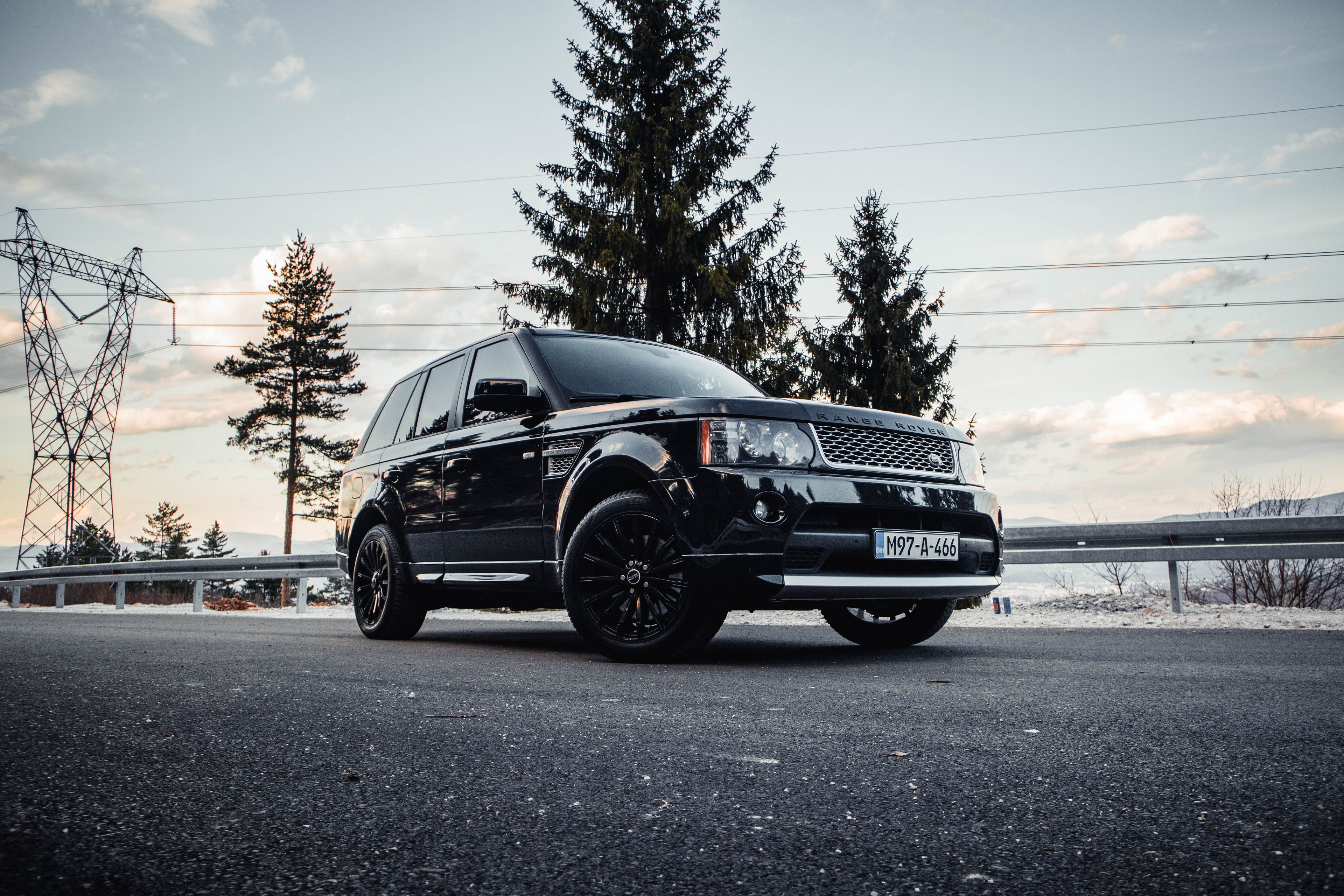
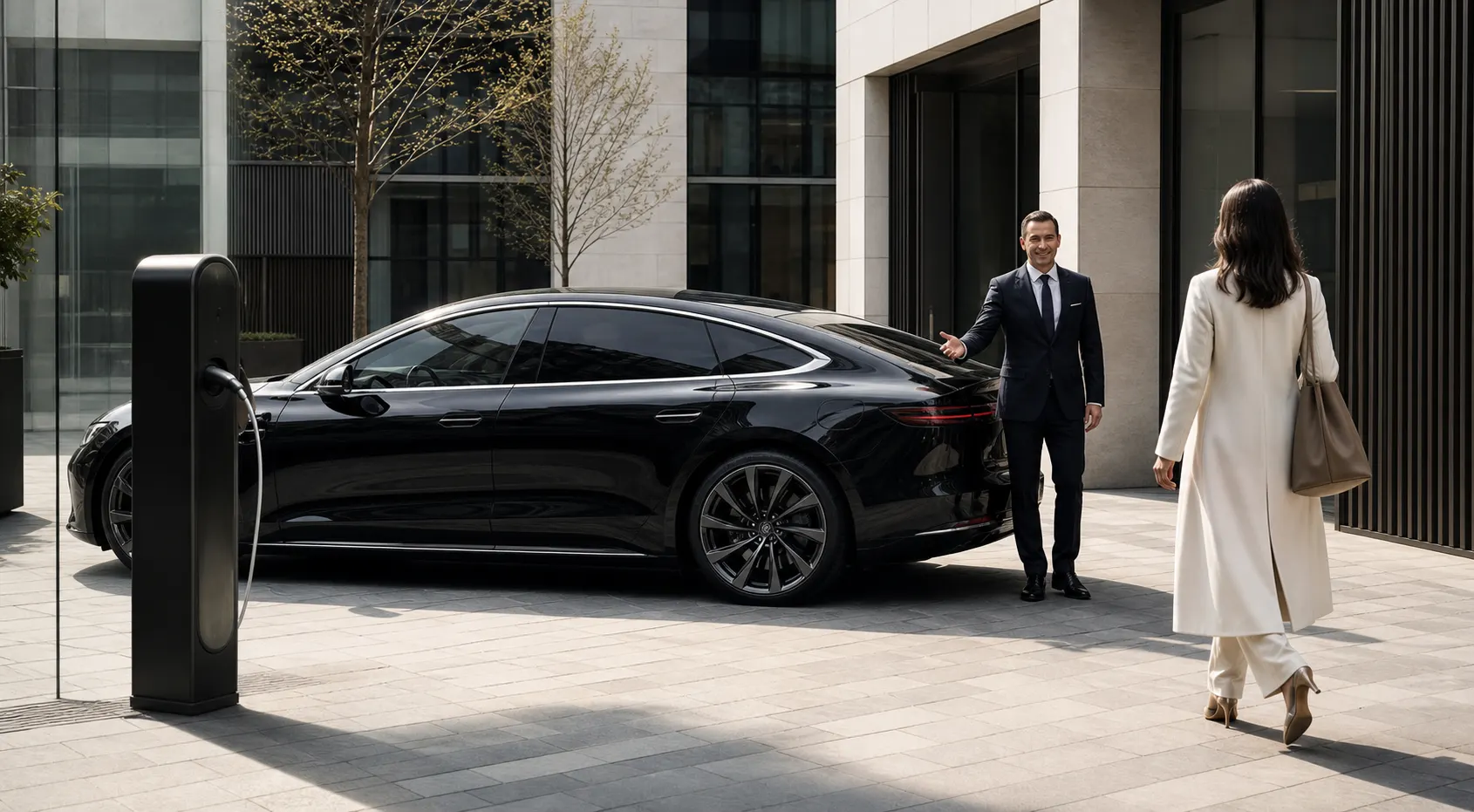
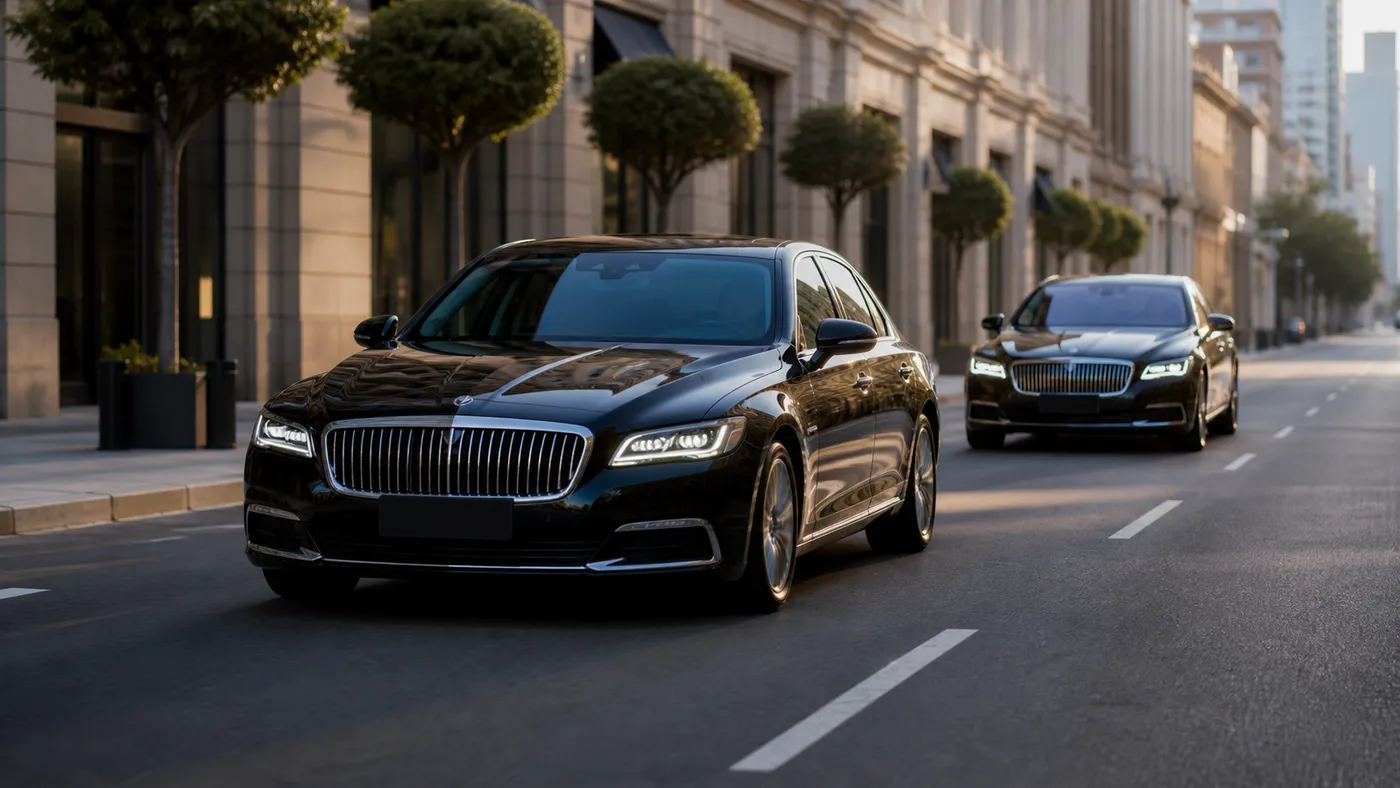
A chauffeur at a funeral does very little visibly, and that is the point. The car is where it should be, the door is opened, nothing is said that does not need saying, and the vehicle waits without anybody having to ask twice. Dark vehicles are the usual preference and can be requested, subject to availability.
If there are flowers to be moved, an order of service to be collected, or a coat somebody will want later, mention it and it will be handled. Everything is arranged over WhatsApp or email, and we confirm the times back to you in writing so nothing depends on a conversation half-remembered from a difficult week.
- A dark vehicle, requested when you enquire
- Flowers or an order of service to be carried
- Water in the car, without anybody having to ask
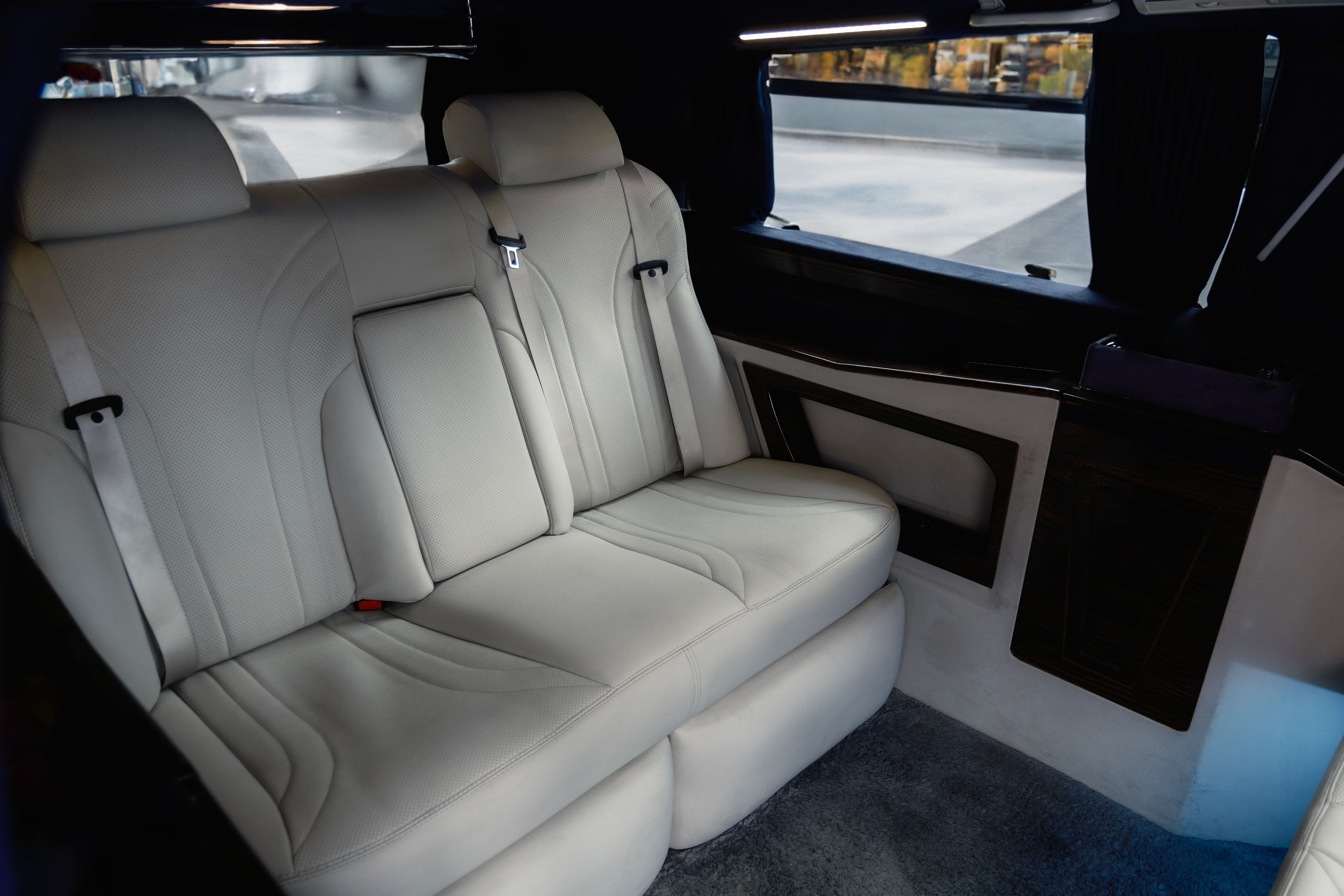
- A quiet cabin, with no music unless you want it
- Somewhere for coats that will be wanted later