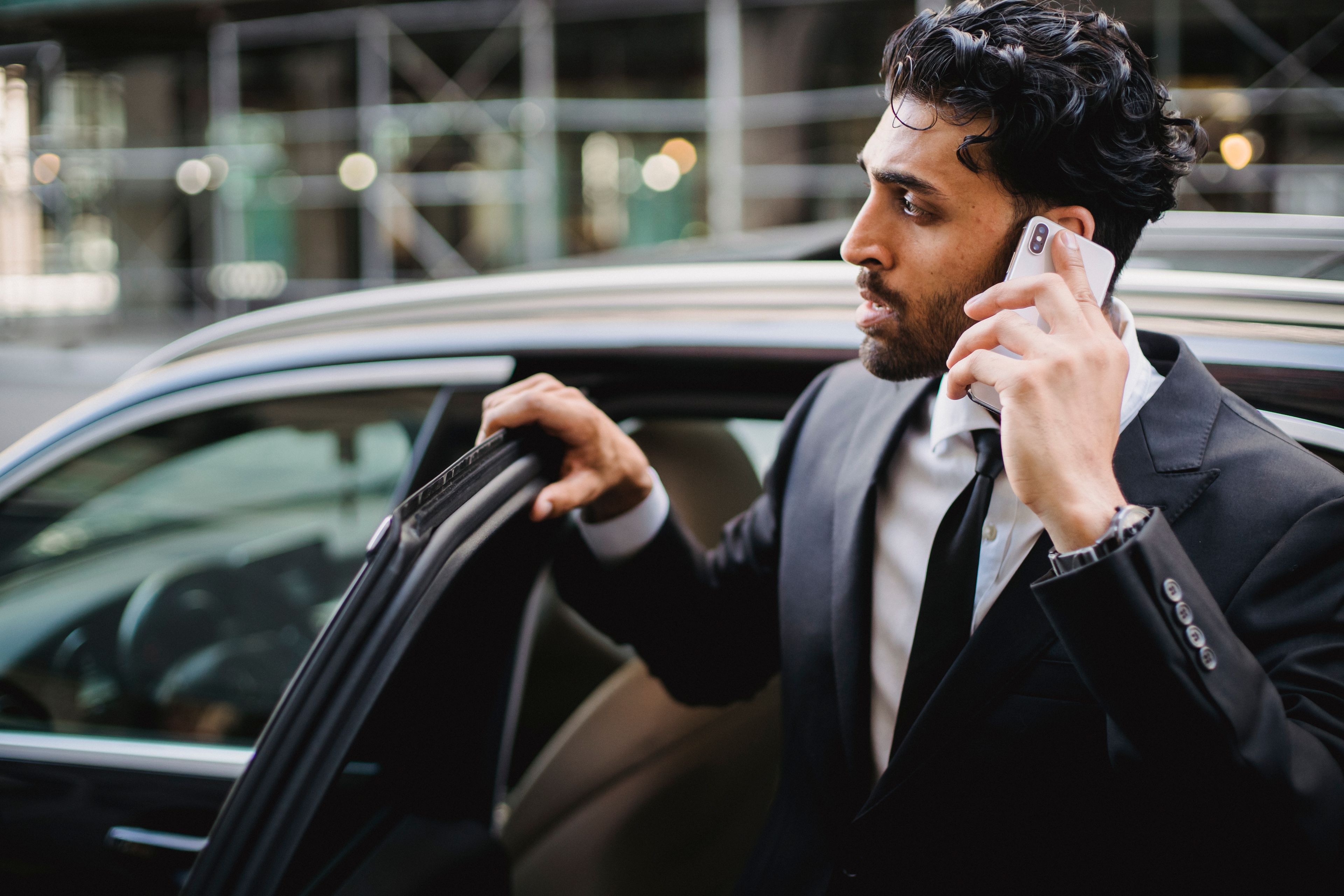






Diplomatic and governmental travel is unusual because the arrival itself carries meaning. Who steps out of which vehicle, in what order, at which door, is not an administrative detail but part of the occasion being observed. A transport arrangement that gets everyone to the right building at the right hour and disregards the sequence has still failed at something the host will certainly notice.
Alongside protocol sits an unforgiving attitude to time. Meetings involving ministers, ambassadors or visiting delegations tend to be scheduled to the minute and attended by people whose own diaries are equally rigid, so a delay does not simply move one appointment. It disturbs a chain of them, and frequently across more than one organisation.
Precedence, order and the arrival
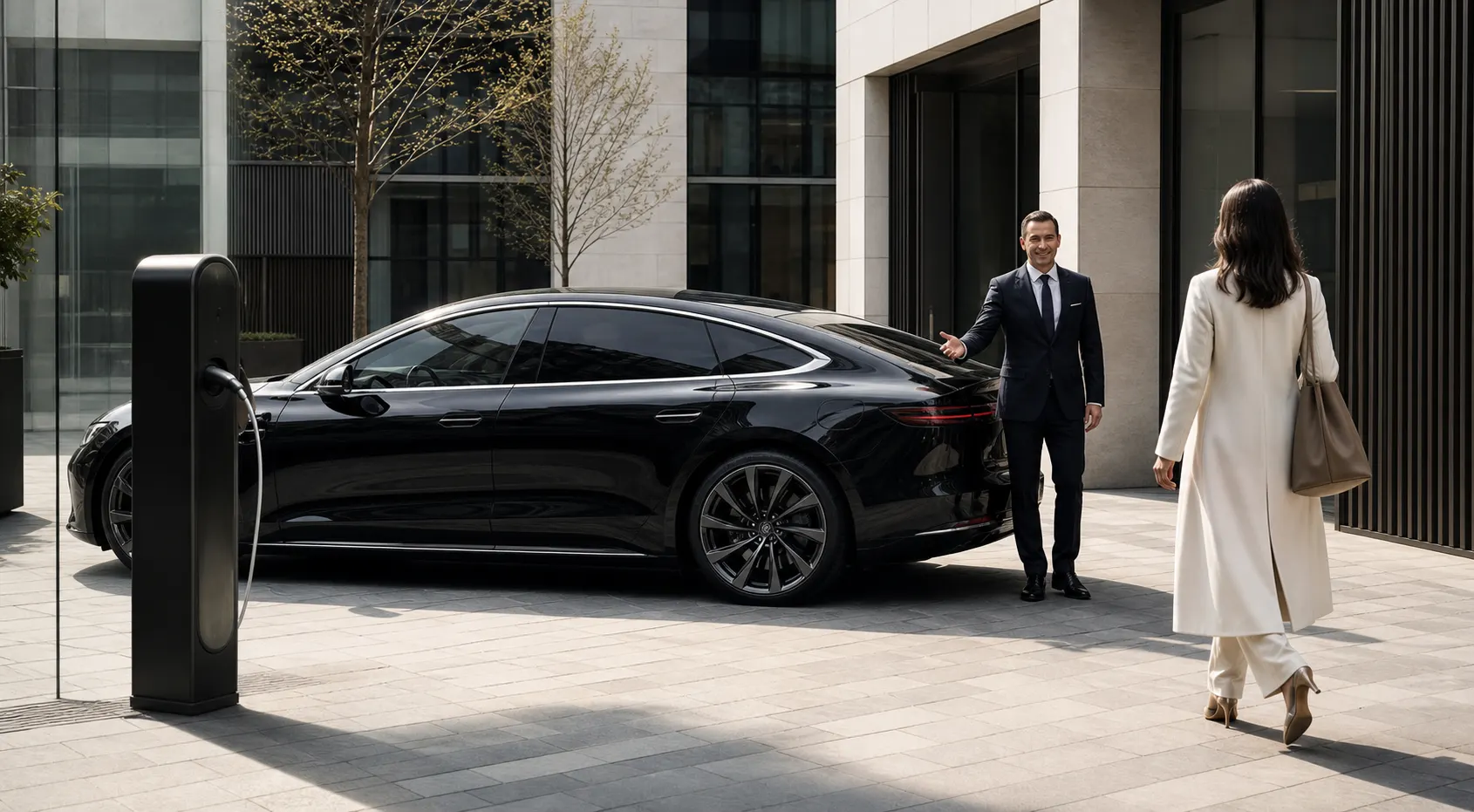
Where several vehicles are carrying one party, the order in which they arrive and the order in which passengers alight generally matters. Somebody on the host side will have decided who is greeted first, and the transport should be arranged to support that rather than leave it to whichever car happened to clear the last junction quickest.
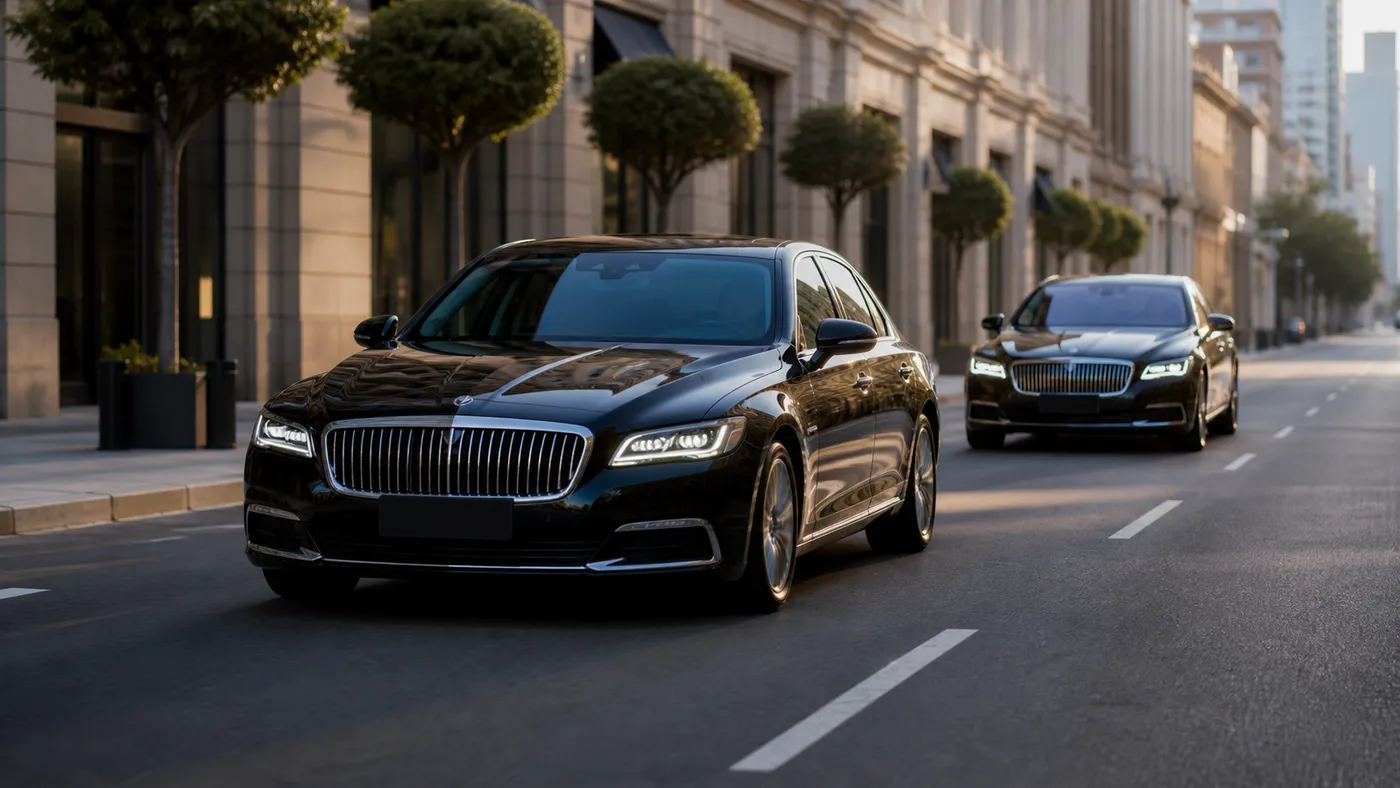
In practice this means agreeing the sequence beforehand, allocating passengers to specific vehicles by name, and giving the chauffeurs a plan for how they will hold position on the approach. It also means building in a staging point a short distance from the venue where cars can wait together and arrive in the intended order. None of this is complicated, but it does have to be decided in advance rather than assumed.
Embassies, residences and access
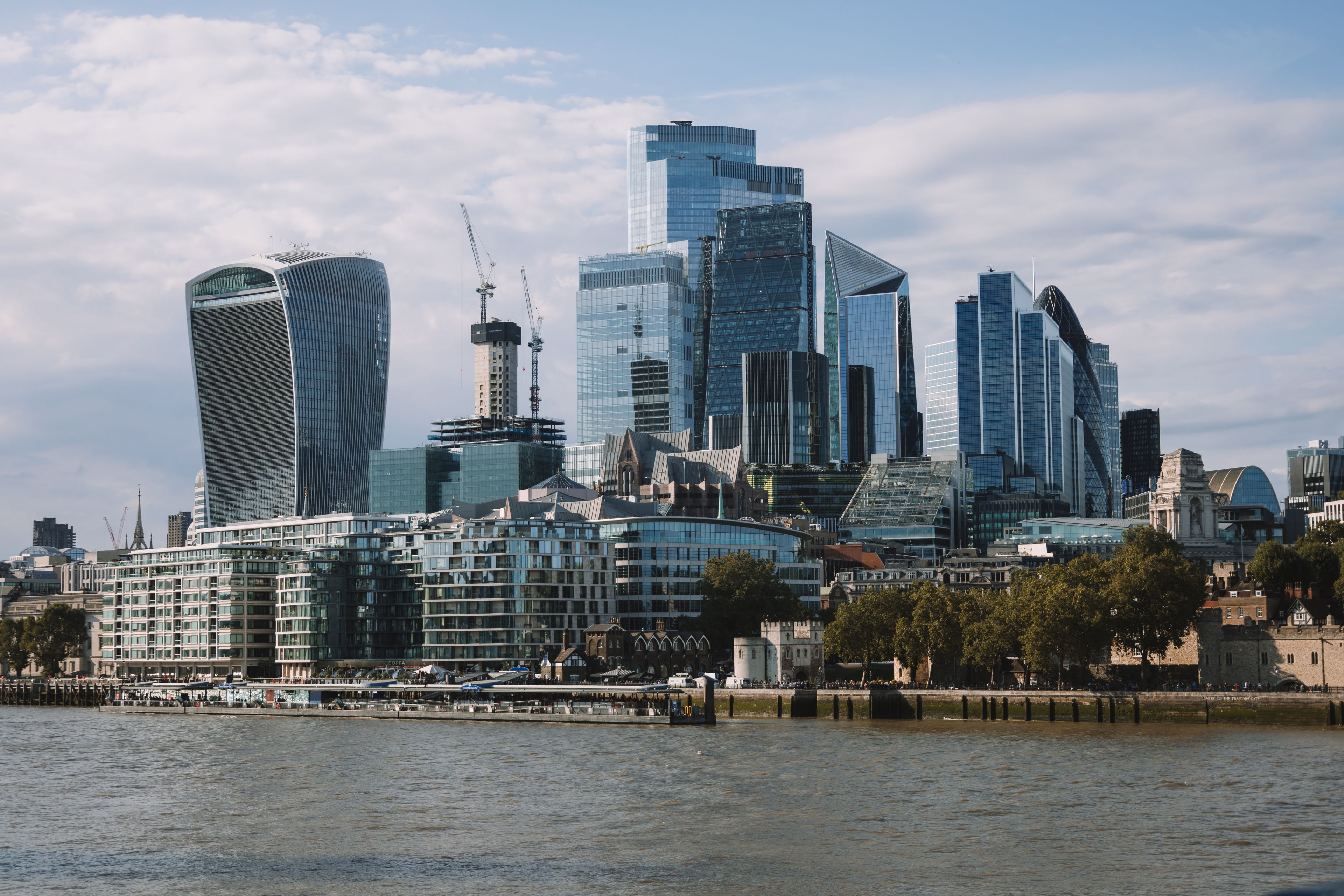
London's diplomatic addresses cluster in Belgravia, Kensington, Mayfair and St James's, which are among the most restricted places in the city for a waiting vehicle. Many have controlled forecourts, some require a registration submitted in advance, and several have set-down arrangements that differ entirely from what the street frontage suggests. Residences frequently have different rules again from the chancery.
The practical answer is to obtain the access instruction from the host organisation and pass it on in full when booking. Where a car needs to enter a compound, wait inside, or hold on a particular side of the street, saying so removes the improvisation. For recurring movements, using the same chauffeurs builds familiarity with those arrangements, which is worth a great deal when a schedule tightens unexpectedly.
Delegations and multi-vehicle days
A visiting delegation is a group logistics exercise with unusually high consequences for error. Fifteen people arriving on the same flight need to reach the same hotel, then split across two or three venues, then reconvene for a dinner, and each of those moves has its own timing. Trying to do that with individually booked transfers produces a day of small failures.
The workable structure is a fleet of vehicles held for the whole visit, coordinated by one person who has the itinerary, with passengers assigned to cars in advance and a printed or messaged allocation everybody has seen. Add a spare vehicle where the party is large. Delegation numbers change at short notice more reliably than almost anything else in travel, and having capacity in hand is far easier than finding it at ninety minutes' notice.
Punctuality as a working method
In this sector, being early is the only reliable way of being on time. That means departure times set against the worst plausible traffic rather than the average, chauffeurs positioned before the passenger appears rather than after, and a habit of confirming the route and any known closures the evening before rather than the morning of.
Central London complicates this in specific and predictable ways: state occasions, demonstrations, security operations and infrastructure works all close roads at short notice, and the diplomatic quarter is affected disproportionately. A chauffeur who checks the day's closures before setting off, and who has a second route in mind, is doing the part of the job that never becomes visible when it works.
Discretion and what we do not claim
Confidentiality is straightforward: passenger identities, addresses, itineraries and the existence of a journey are not discussed with anybody, including other clients and including afterwards. Vehicles are unbranded, chauffeurs do not photograph anything, and no details of a movement are shared beyond the people arranging it. Written undertakings can be agreed before work begins where an organisation requires them.
It matters to be equally plain about the limits. We provide professional chauffeurs and vehicles. We do not provide close protection, security-trained drivers or protective mobility, and we make no claim to any accreditation in that field. Where a delegation has a genuine protective requirement, it should be arranged through specialists in that discipline, and we are glad to work alongside arrangements they set.
Making the arrangements
The most useful thing an organiser can send early is the shape of the visit: dates, approximate party size, the venues if known, and any protocol requirements around vehicle order or passenger allocation. Precise timings can follow. That outline is enough to hold the right number of vehicles and to identify chauffeurs familiar with the relevant addresses.
Everything is arranged over WhatsApp or email, and each element is quoted in writing before it is confirmed. Where an embassy, department or agency travels regularly and wants an account so individual movements can be booked without a fresh quotation each time, the arrangements for that account are agreed and confirmed in writing when it is opened.