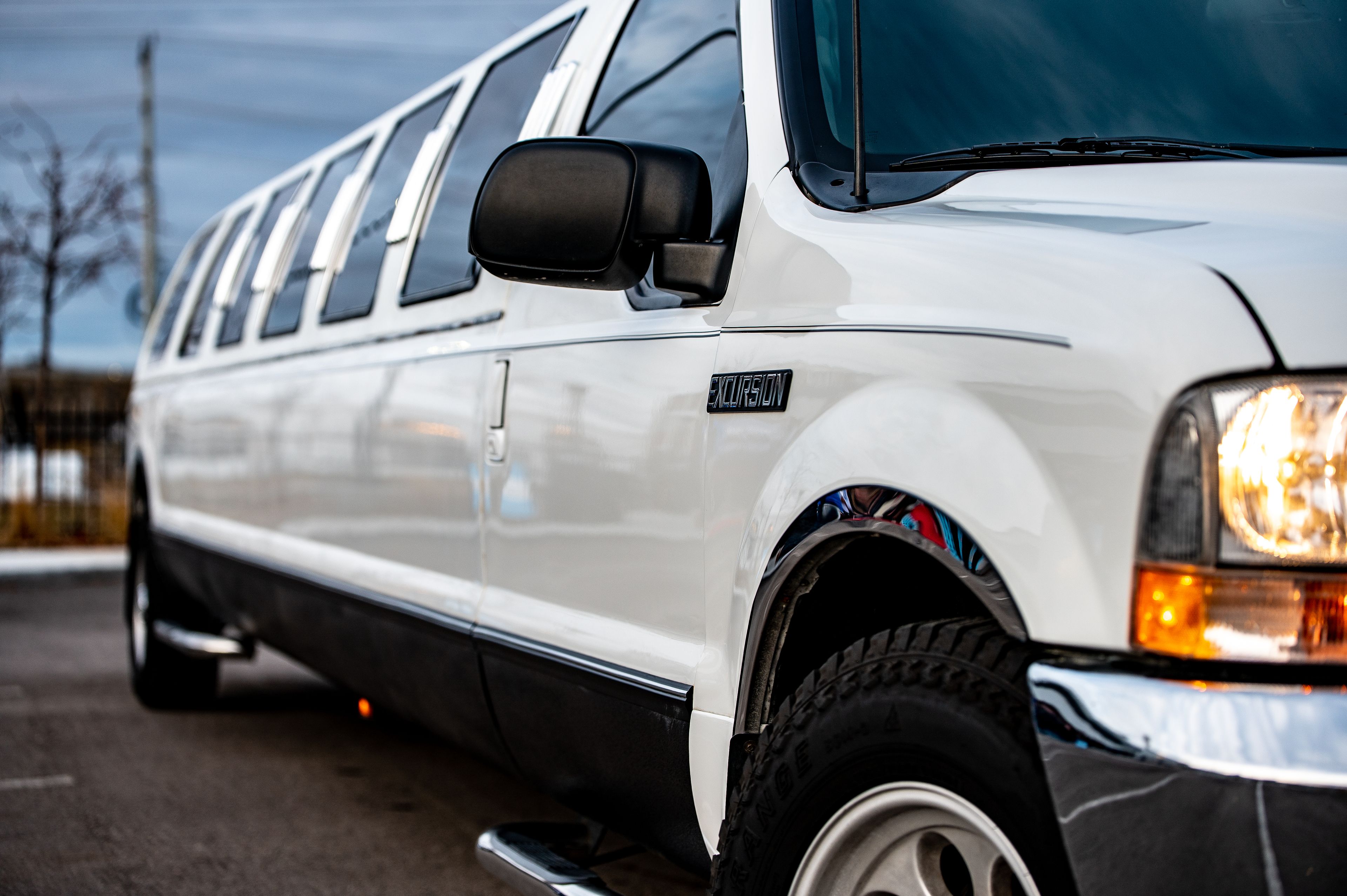









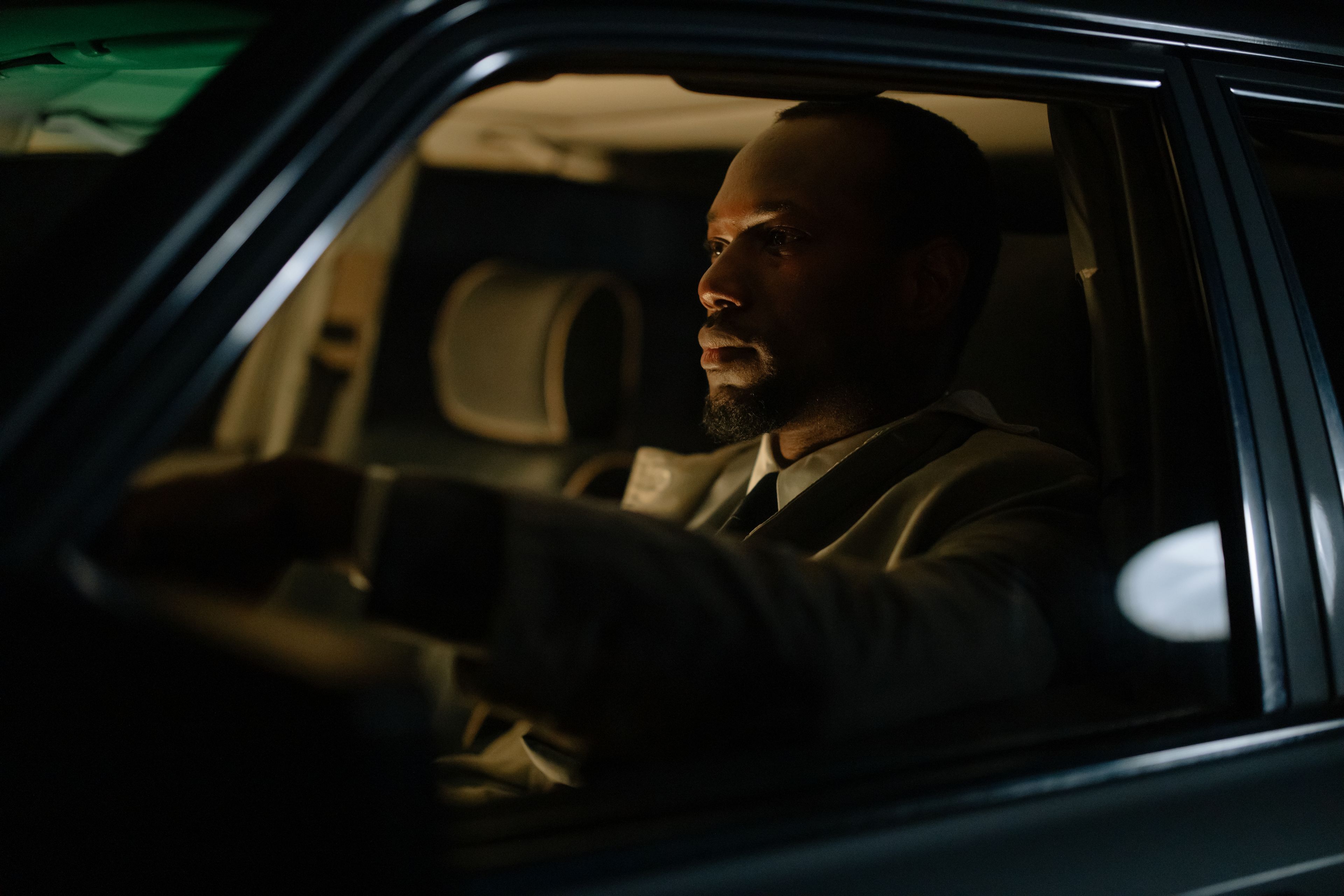
Nobody books a chauffeur expecting to stand on a hard shoulder, and the honest position is that it very rarely happens. Modern vehicles maintained properly and driven by professionals are dependable, and the majority of chauffeurs will go years without an incident that stops a journey. But a puncture on a Cotswold lane does not care how well the car was serviced.
So the useful question is not whether it can happen but what happens next, and how quickly the situation stops being your problem. That divides into three parts: the preparation that makes it unlikely, the handling in the moment, and the recovery afterwards. The third is the one where we have to be careful about what we promise, and this page is candid about why.
Most of the work happens before you get in
Vehicles are serviced on schedule and prepared before each journey rather than only when something looks wrong. That preparation includes the unglamorous checks that actually prevent roadside stops: tyres, fluid levels, lights, warning messages on the dashboard and whether there is enough fuel or charge for the route with margin. A chauffeur who finds something not right reports it and the car does not go out.
The same applies to the vehicles supplied through the operators we work alongside. They are expected to present a car in the condition we would present one in, and that expectation covers mechanical condition as much as cleanliness. It is one of the reasons we work with a vetted network rather than taking whatever is available on the day, and it is the part of the arrangement you never see.
The first few minutes
If a vehicle does fail, safety comes before everything, including your schedule. The chauffeur gets the car off the carriageway or into the nearest safe place, gets passengers to the safe side of a barrier if the motorway rules require it, and only then starts making arrangements. That order is not negotiable, and a chauffeur who reversed it would not be working with us.
From there, we take over the problem. The chauffeur contacts us with the location and the nature of the fault, and the next steps run in parallel rather than one after another. What you should be doing meanwhile is nothing more strenuous than sitting somewhere safe and telling us if a hard deadline is waiting at the far end.
- Getting the vehicle and everybody in it to a safe position
- Telling us the location, the fault and whether anyone is unwell
- Recovery arranged for the vehicle through the appropriate breakdown cover
- A replacement car sought from our own vehicles or the nearest operator
- Your onward commitments checked, so the priority is clear
- A written update to you rather than silence while it is sorted
What we can and cannot promise
We will always do everything possible to get you moving again, and on a motorway corridor or in a city that is usually quick. What we will not do is state a guaranteed replacement time, because the honest variable is geography. A failure on a busy trunk road and a failure on a single-track Highland road on a Sunday evening are not the same event.
If a journey is genuinely time-critical, say so when you book rather than assuming we will infer it. Knowing that a flight, a ceremony or a court listing sits at the end of the day changes the margin we build in and what the fallback looks like. Anything affecting your quotation as a result of a failure on our side is dealt with in writing afterwards, not argued about at the roadside.