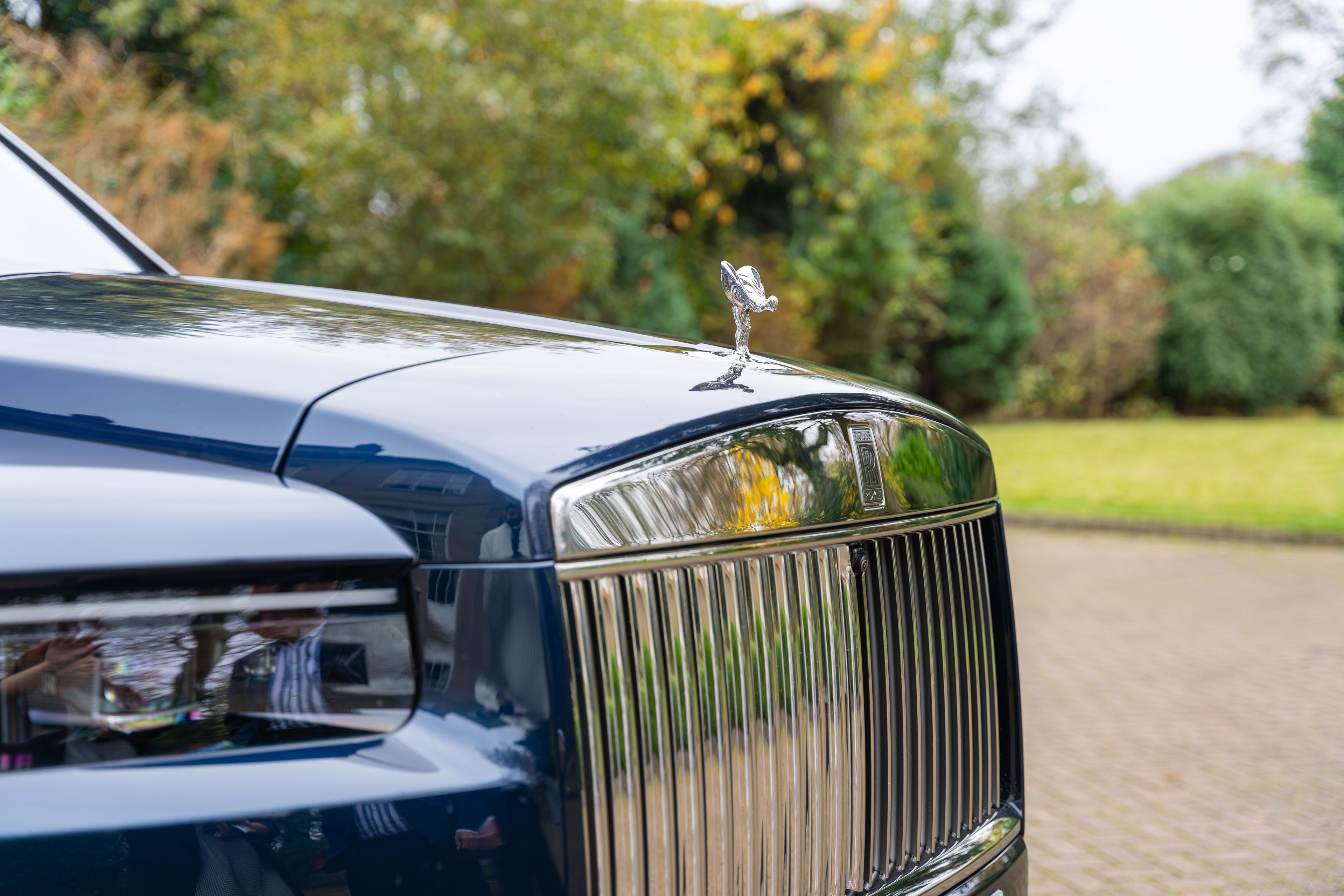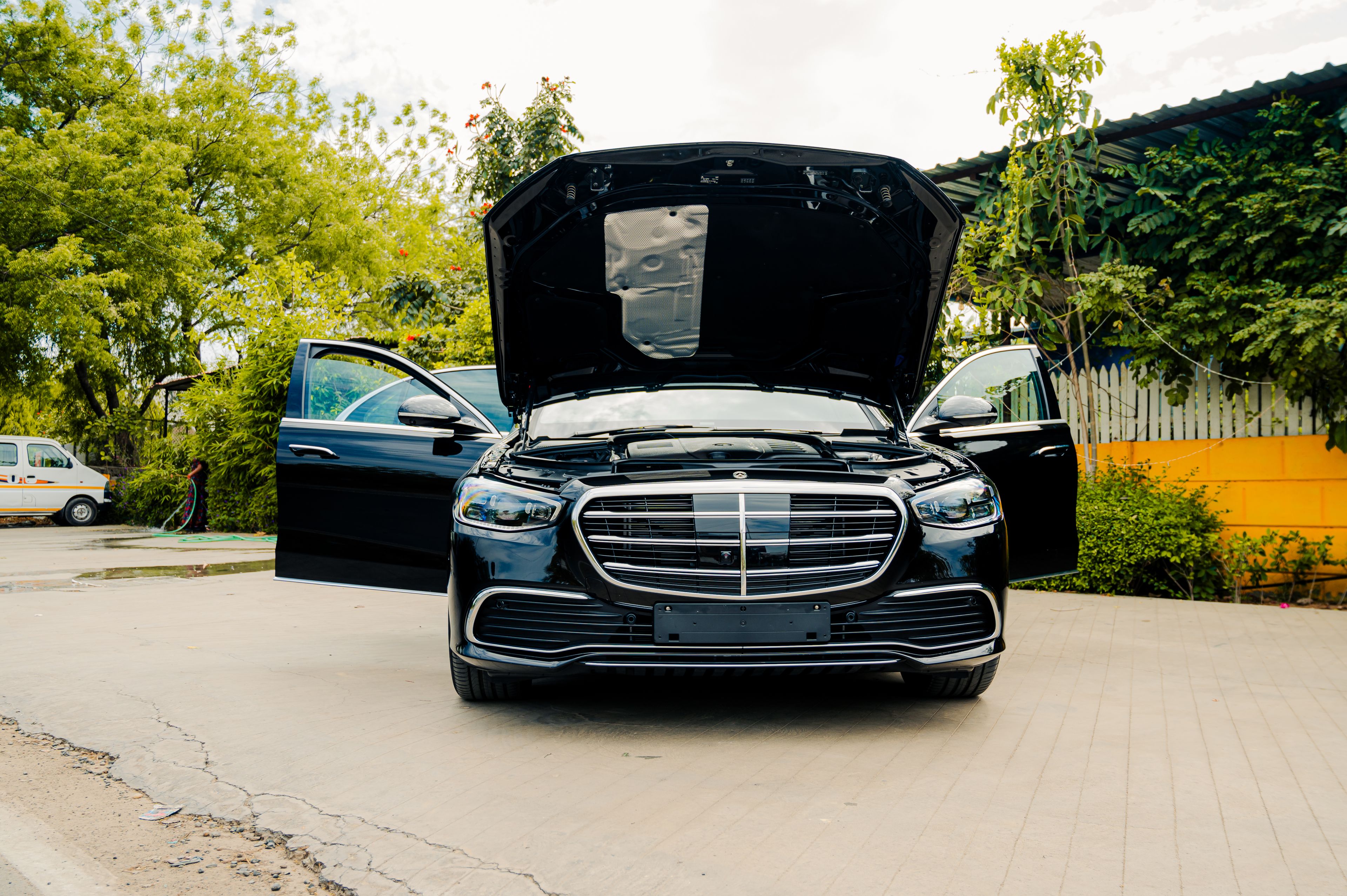



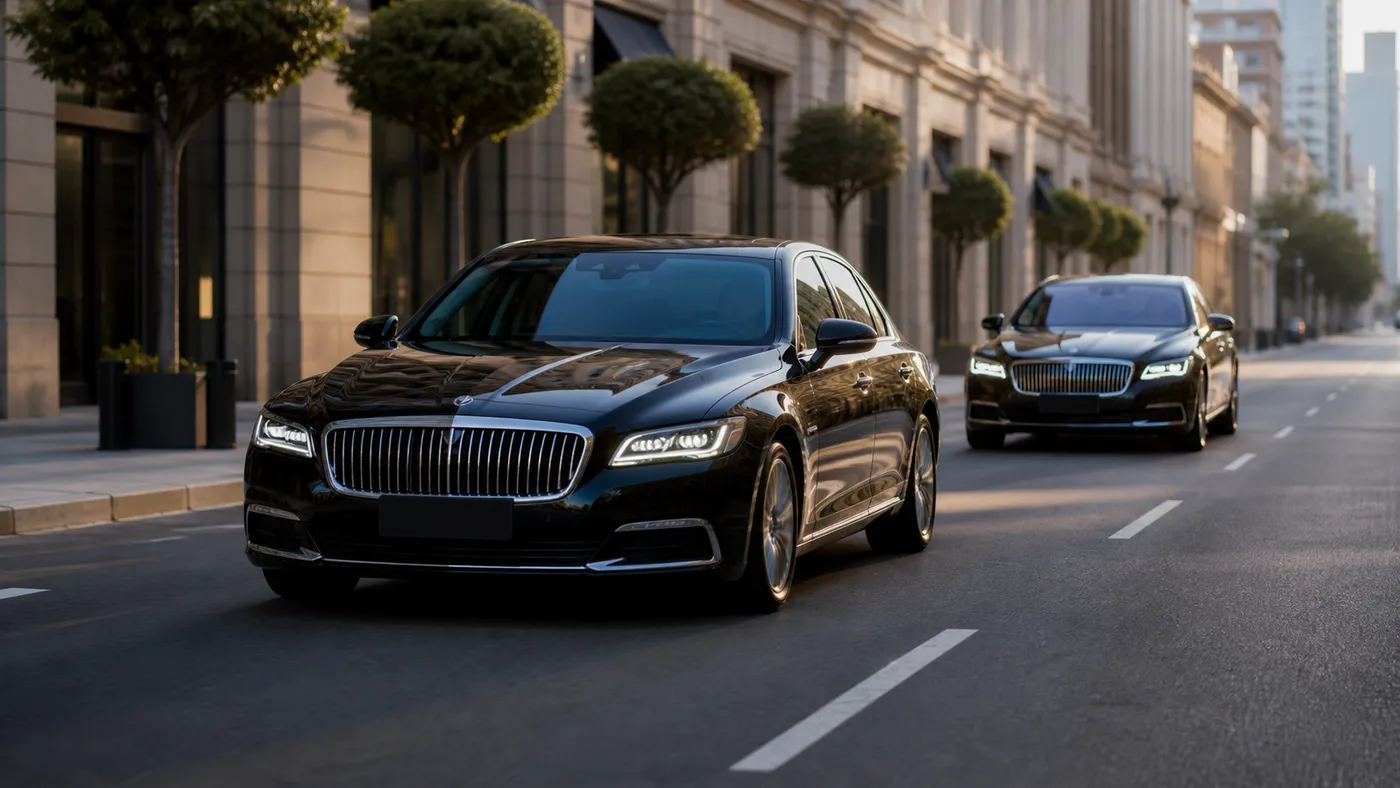


If chauffeur travel in Britain has a default car, this is it. The Mercedes-Benz E-Class has spent decades as the executive saloon that professional operators actually buy, and that single fact does more for its pricing than anything on the specification sheet. Supply is deep, parts are everywhere, and any competent chauffeur has spent years behind the wheel of one.
Which makes it a genuinely useful benchmark. When people ask what a chauffeur costs, the picture in their head is usually an E-Class on a weekday, and everything else in a range prices relative to that. Below is what sits behind it: what the car costs to keep on the road, when demand outruns supply, and the handful of days when a different vehicle is the better decision.
The saloon the trade is built on
Scarcity is the quiet driver of every chauffeur quotation, and the E-Class is the one car in its class that is not scarce. Operators across the country run them in numbers, they are specified for chauffeur use rather than adapted to it, and a replacement can usually be found in the same city if something goes wrong on the morning. That depth is worth more to a booking than any single feature.
It shows up in ways that are easy to miss. A car that is common is a car that can be matched to a job efficiently, which means less empty repositioning and fewer awkward compromises. Ask for something nobody keeps and a vehicle has to travel a long way to reach you; ask for an E-Class and the nearest sensible option is usually close at hand, particularly in London and the larger regional cities.
What an E-Class costs to keep working
The running side is unremarkable in the best sense. Modern diesel and plug-in hybrid versions cover long motorway days without frequent stops, service intervals are well understood, and tyres are a normal size in plentiful supply. Depreciation on a high-mileage executive saloon is real and it is the largest single cost of ownership, but the used market is deep enough that the curve is predictable.
Insurance for professional hire and reward sits within familiar territory too, and bodywork repairs after a car park scrape are neither exotic nor slow to arrange. None of this makes an E-Class cheap to run, because no car covering serious annual mileage in professional service is cheap. What it does mean is that the cost is well understood, and predictable costs translate into quotations that do not need padding out for uncertainty.

The weeks it goes first
Deep supply is not infinite supply. The E-Class is the car that clears first on ordinary business days, precisely because it is what most corporate bookers ask for by name. Tuesday to Thursday mornings in London during term time, the weeks of major conferences and trade fairs, and the first fortnight of September when everyone returns at once are the periods where a late enquiry finds a thin diary.
Airport work does the same thing at the daily level. The early-morning long-haul departure window and the evening arrivals bank take out a great many executive saloons at exactly the hours when chauffeurs are hardest to staff. The pattern is entirely predictable, which is the useful part: if your journey falls inside one of these windows, book it early and it behaves like any other day.
- Midweek mornings in London during the business term
- Major conference and exhibition weeks in any large city
- The first two weeks of September, when everything restarts
- Early-morning long-haul departures from the main airports
- Evening arrival banks, particularly on Sundays and Mondays
- The run-up to Christmas, when corporate dinners cluster
Specification, colour and what to ask for
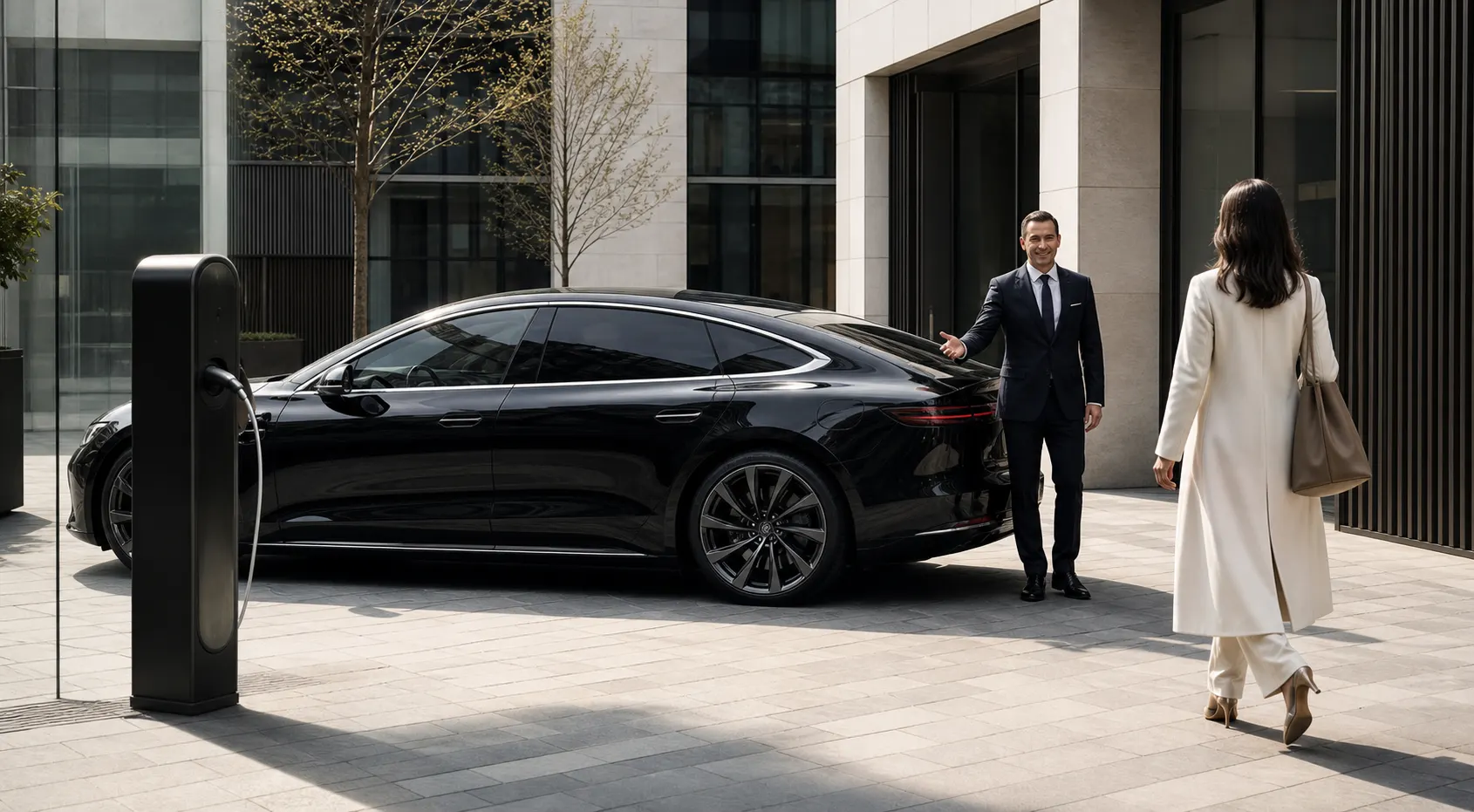
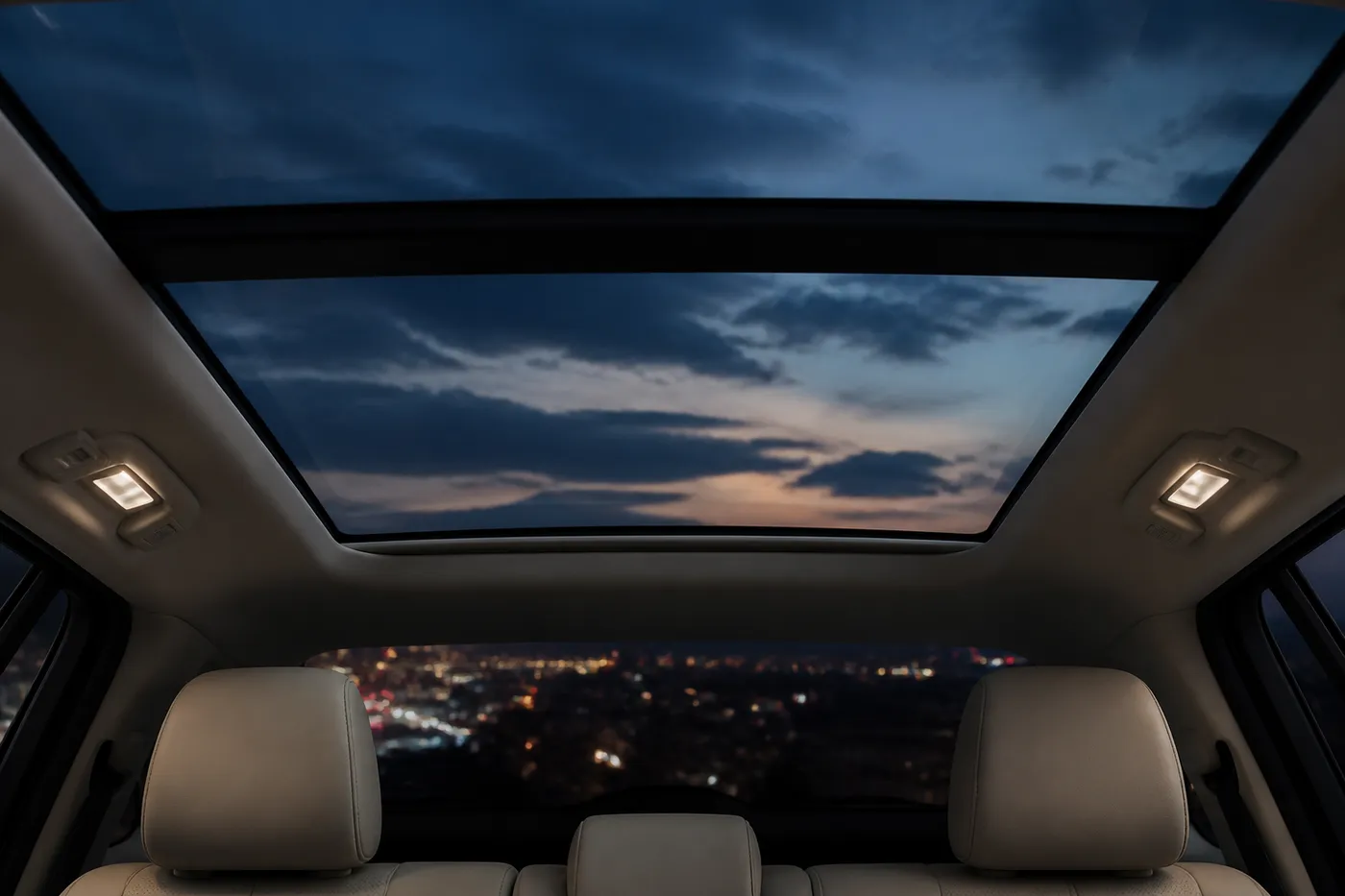
Chauffeur E-Classes are almost always dark, and there is a practical reason beyond taste: a black or graphite car photographs well outside a hotel, hides road film between washes, and does not draw attention at an office entrance. Interiors tend towards black or grey leather with rear privacy glass. A particular colour can be requested and we will tell you honestly whether it is likely for your date.
What can be confirmed is the class of vehicle, its condition and the standard of the chauffeur. Model year, exact colour and individual options remain subject to availability and are settled when the booking is confirmed. Our cars come from our own fleet alongside a vetted network of professional chauffeur operators, and we would rather tell you what is genuinely allocated than promise one car and quietly send another.
When another car serves the same day
The E-Class is usually the sensible answer rather than the compromise, but it has clear limits and they are almost all about volume. Four adults with four large cases will not fit, and no amount of careful loading changes the geometry of a boot. A luxury MPV takes the same party with room to spare, and choosing it is a practical decision rather than an extravagant one.
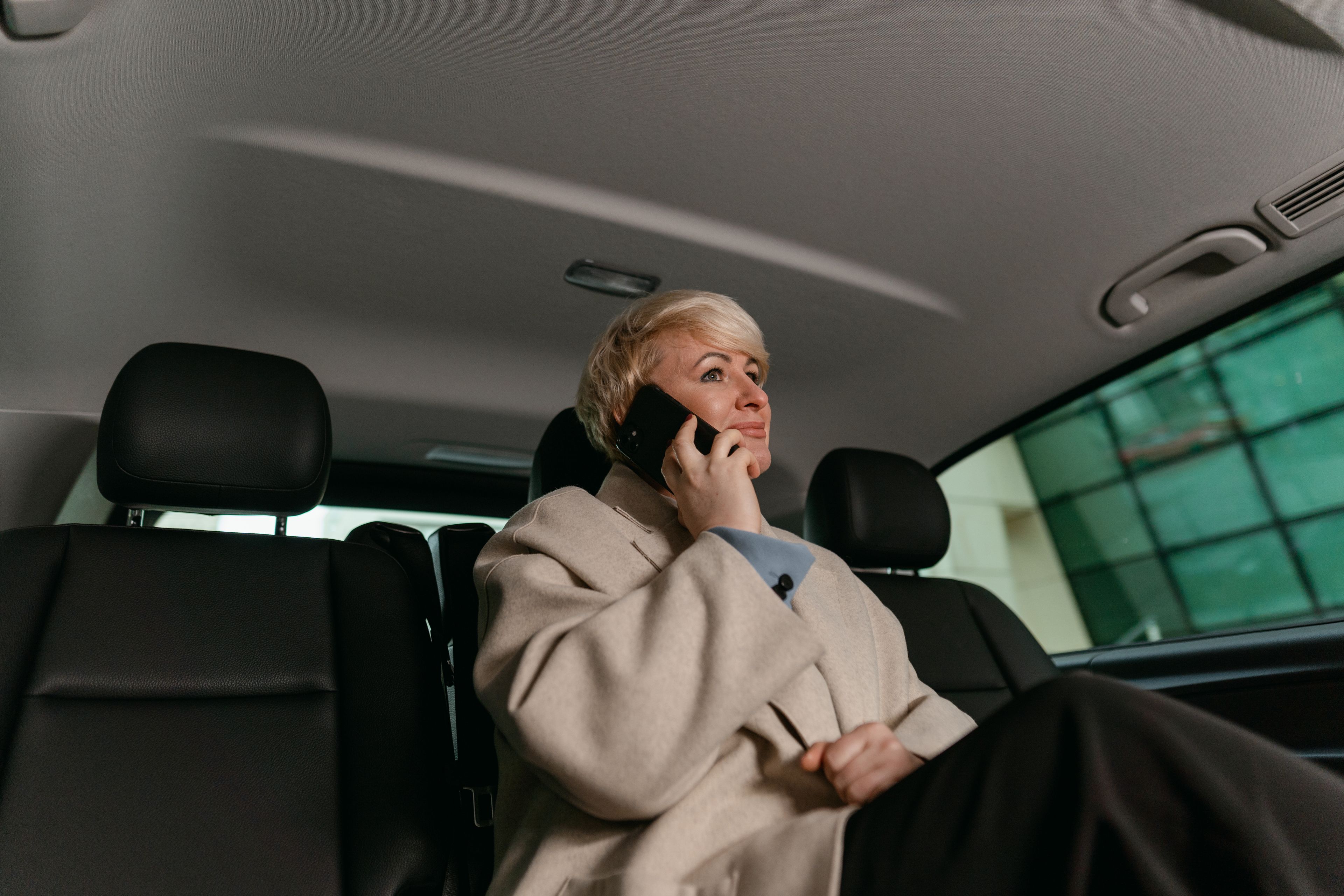
Length of journey pulls in the other direction. For a two-hour motorway run where somebody intends to work or sleep, the extra rear space of a larger saloon earns its keep. For a twenty-minute hop across a city with a briefcase, it does not, and choosing an E-Class there is not settling for less. It is buying exactly what the journey requires and no more.
- Four passengers with full-size luggage: take the MPV instead
- Long motorway legs where the rear cabin is a workplace: consider a larger saloon
- Short city transfers with hand luggage: the E-Class is the right car
- Parties arriving together: one larger vehicle beats two saloons
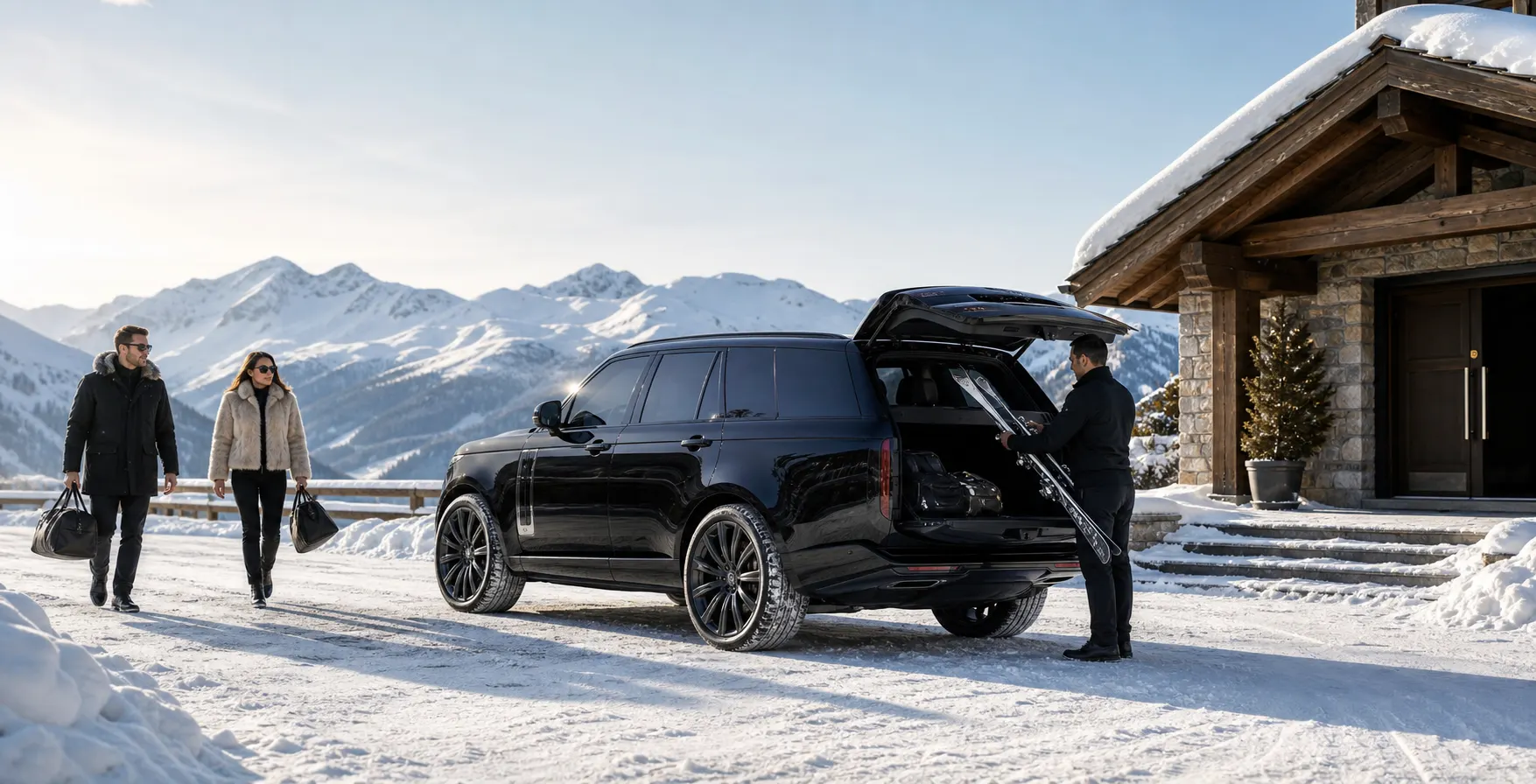
- Gravel drives and rough estate tracks: an SUV handles it better
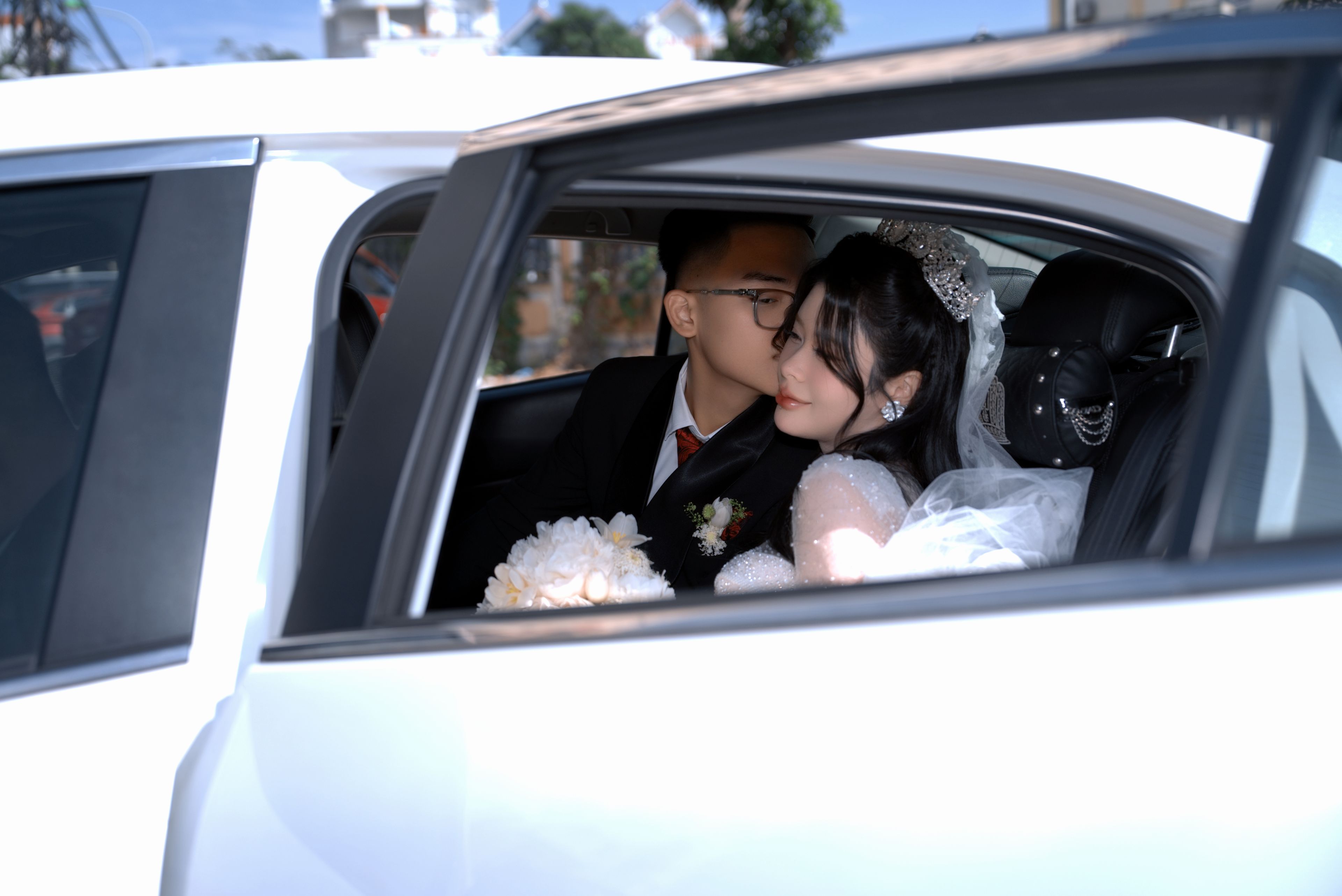
- Occasions where the car appears in the photographs: choose deliberately
Getting a figure for an E-Class journey
There is no rate to quote here and we will not invent one, because the same car on the same route behaves differently at seven in the morning than it does at two in the afternoon. What we can do quickly is price your actual day. Every journey is quoted individually and returned in writing, with the vehicle, the timings and the terms all set out before anything is held.
Send the date, the times, the exact addresses at both ends, the number travelling and the number of large cases, over WhatsApp or by email. If the party or the schedule points towards a different vehicle, we will say so rather than selling you the one you happened to name. Being told you need less than you asked for is a reasonable thing to expect from an operator.