





Wedding transport is priced on a different logic from everything else a chauffeur does, and the reason is simple: almost nothing about a wedding day is a transfer. A car is held from the morning until whenever it is genuinely released, it sits still for long stretches, and it has to be ready the instant somebody decides it is time to leave.
That changes which variables matter. Distance barely registers. What registers is the number of hours, the number of separate movements, how far apart the venues are, and how scarce your date is. This guide works through each of those, and ends with the parts of a wedding brief that can usually be simplified without anybody feeling the loss.
A wedding car is booked by the day
The core of a wedding quotation is a block of committed time, not a route. From the moment the car arrives at the house or hotel in the morning until it is released, the chauffeur is yours and cannot be anywhere else. Ten minutes of driving spread across seven hours is still seven hours of a working day, and that is the honest basis on which it has to be priced.
It is worth being realistic about when the day actually ends. Many couples book the car to the ceremony and then find they want it for photographs at a second location, or for a departure from the reception several hours later. Deciding the shape early is cheaper than extending on the day, when the chauffeur may already be committed elsewhere and the answer may simply have to be no.
Venue geography does most of the pricing
A wedding where the preparation, the ceremony and the reception all sit within a few miles of one another is straightforward. One where the bride prepares in one county, the ceremony is in another and the reception is at a house down a mile of unmade track is a different day entirely, and the driving between those points has to be timed with real margins because nothing about a wedding can run late by accident.
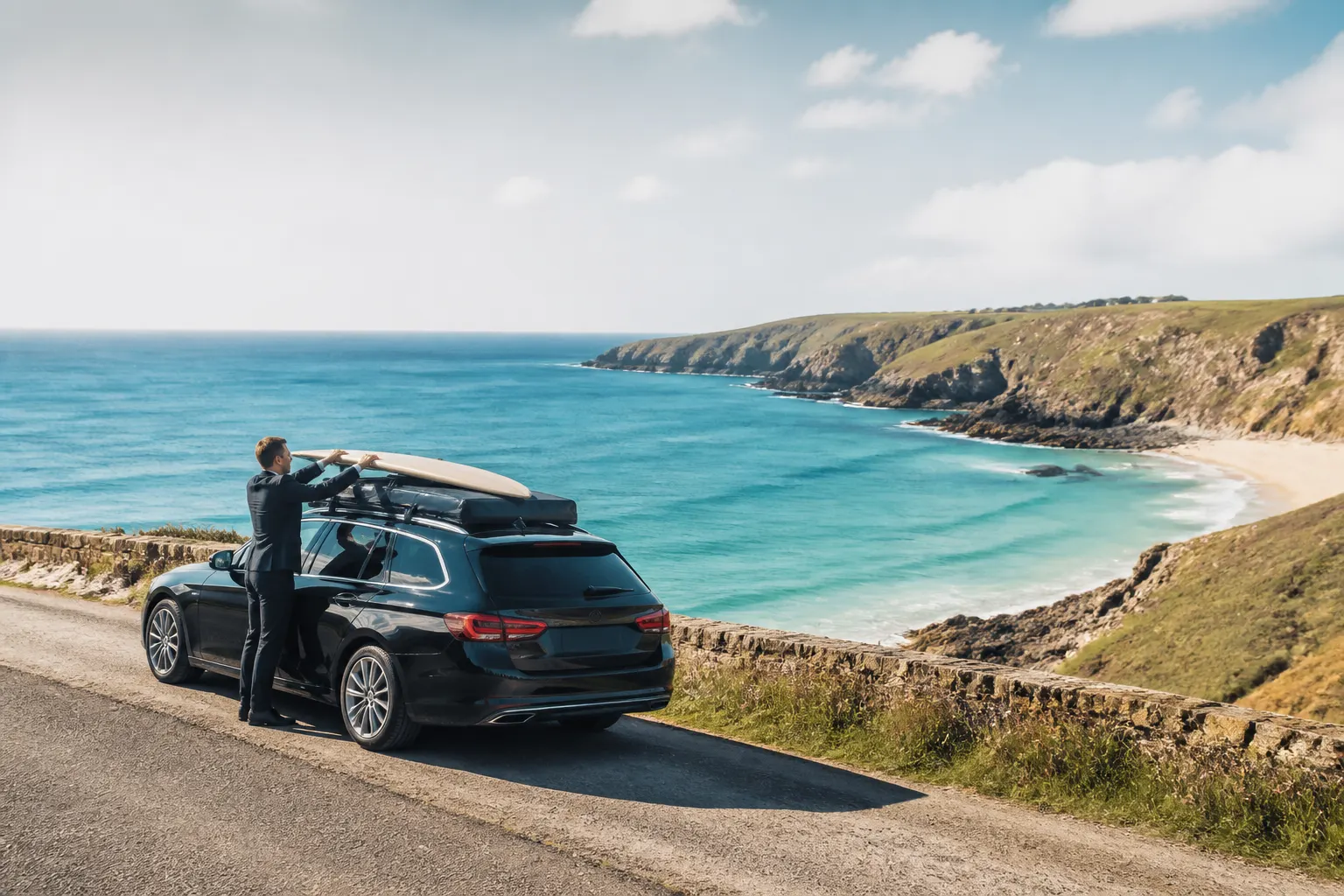
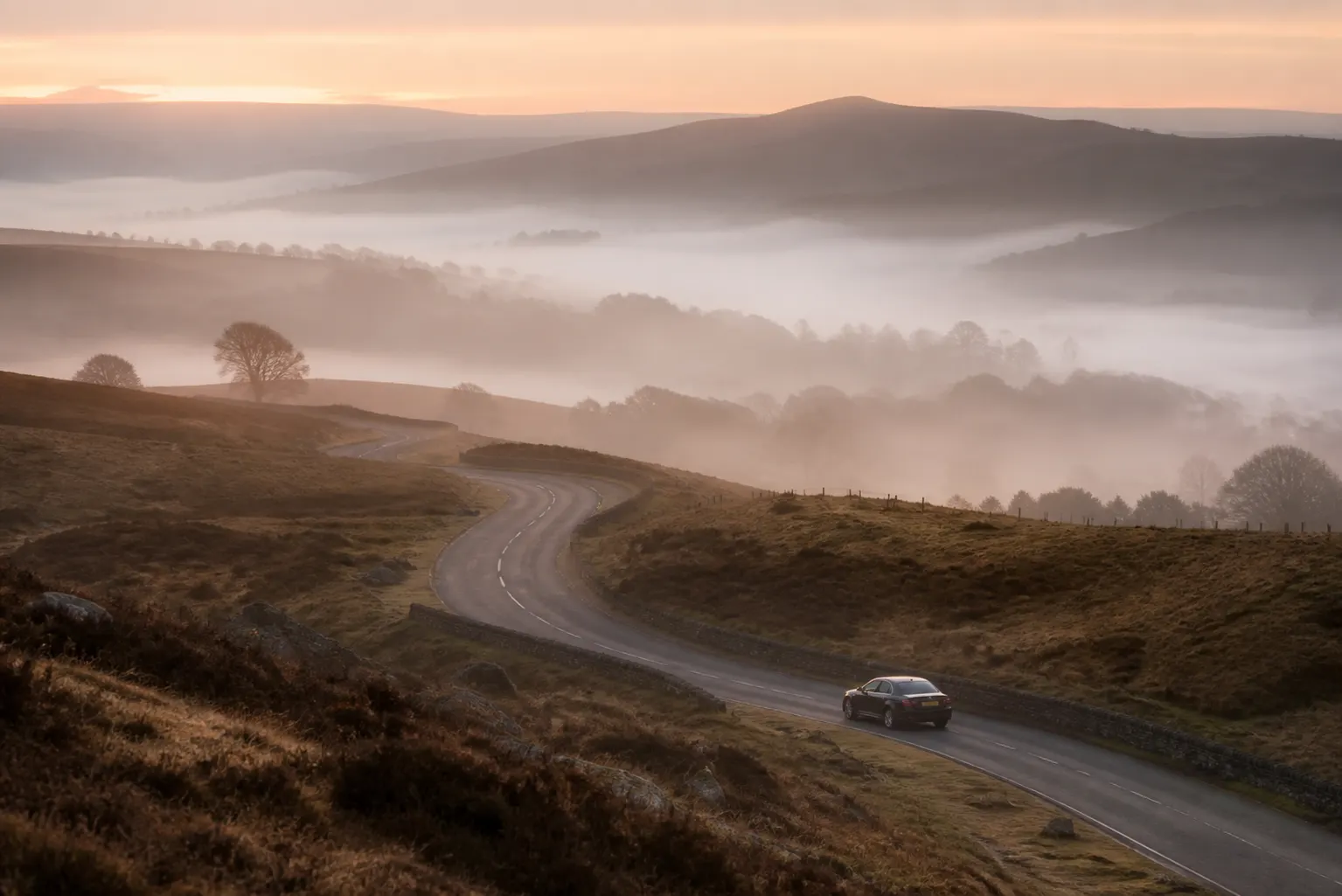
Rural venues carry their own considerations. Narrow lanes, gravel drives, gateposts built for carts, and parking that consists of a field all affect which cars can sensibly attend and how long each movement takes. It is always worth telling us what the approach to the venue is actually like, because the answer occasionally changes the vehicle recommendation.
Guest movements multiply quickly
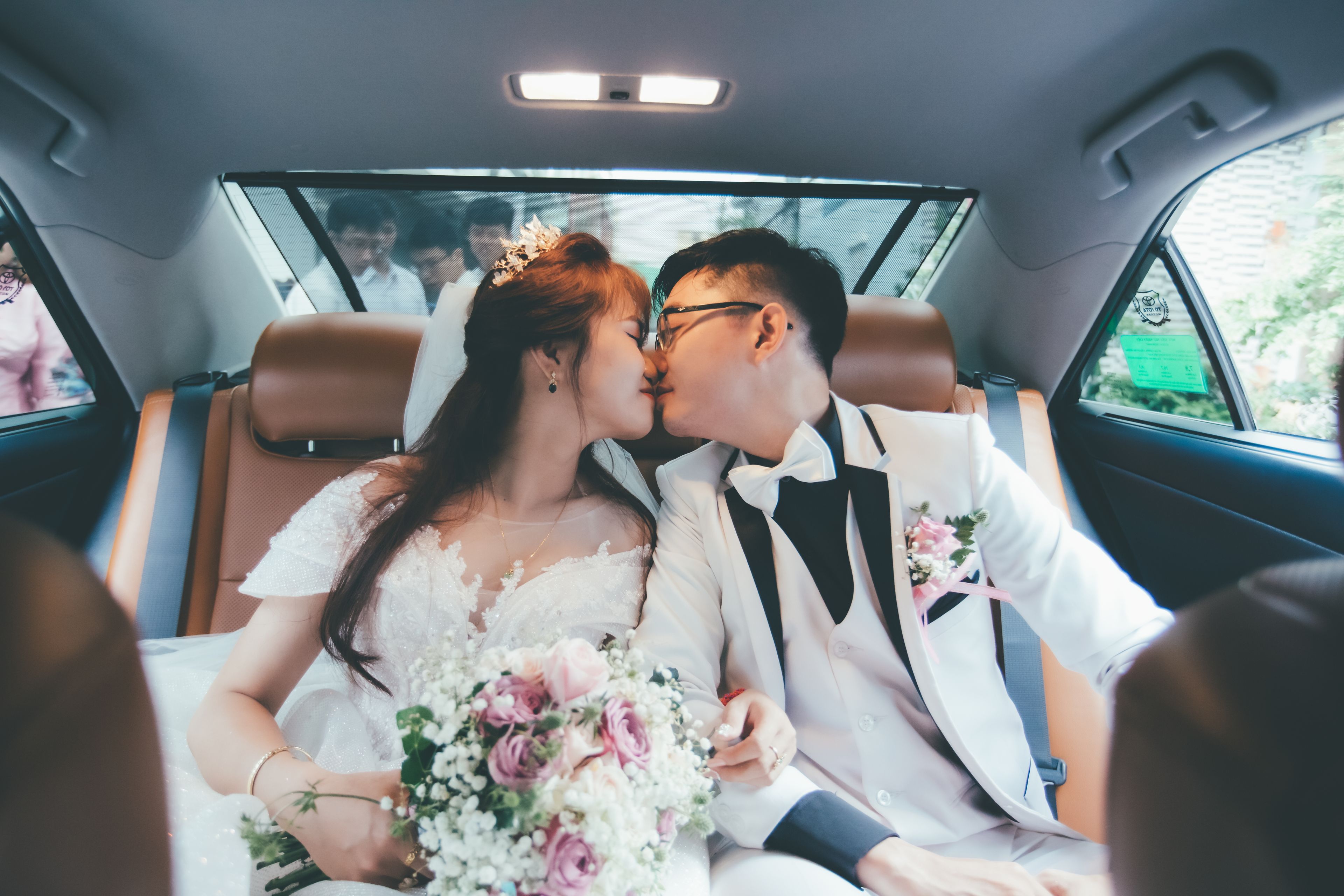
The couple's car is usually the easy part. What grows a wedding brief is everybody else: parents, bridesmaids, elderly relatives who cannot manage the walk from the car park, guests shuttling between a hotel and the venue, and the evening return once the last dance has finished. Each of these is a separate commitment of a car and a chauffeur.
There is a straightforward efficiency here. Moving a group in one luxury MPV rather than in two saloons reduces the number of chauffeurs held for the day, and it also means the group arrives together rather than in a straggle. Where guest shuttles are needed, batching them into defined runs at agreed times is far more workable than an open-ended on-call arrangement.
- The couple's car for the ceremony and any onward movement
- A car for parents or for the wedding party in the morning
- Transport for guests who cannot manage a long walk from parking
- Shuttle runs between an overnight hotel and the venue
- An evening departure for the couple, and a late return for guests
- Anything needed the following morning, which is easy to forget
Season, day of week and lead time
Wedding demand in Britain is concentrated into a short season and, within it, into Saturdays. A Saturday in late June asks for cars at exactly the moment that every other couple, every summer ball and every race meeting is asking for them too. A Friday or a weekday in the shoulder months faces nothing like the same competition, and the difference is significant.
Lead time works alongside this. Booking early does not change the season, but it means choosing from the full range rather than from what remains. For a specific prestige or classic car on a peak Saturday, the practical constraint is availability rather than anything else, and once those cars are committed no amount of planning will produce another one.
The car itself, and what rarity costs
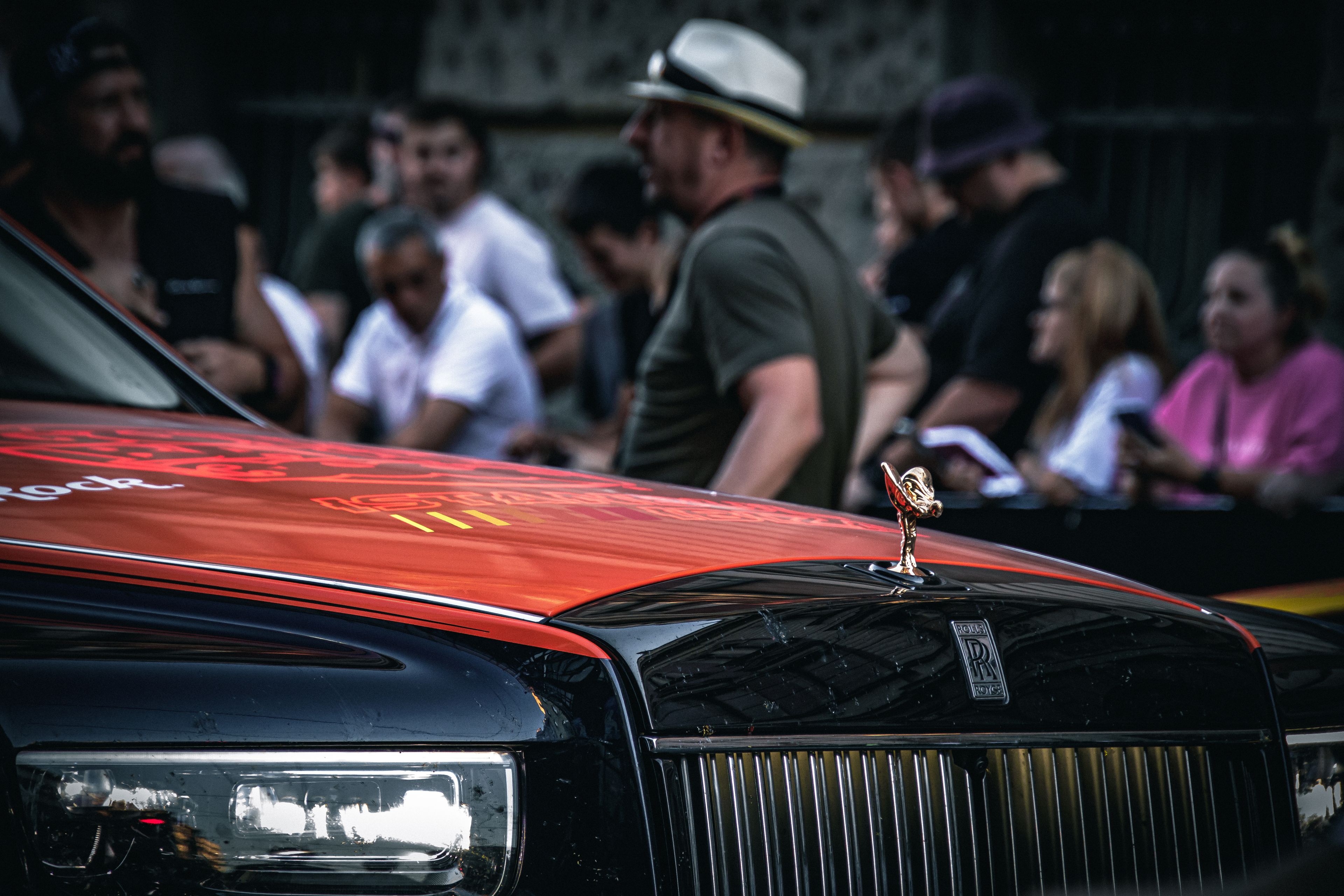
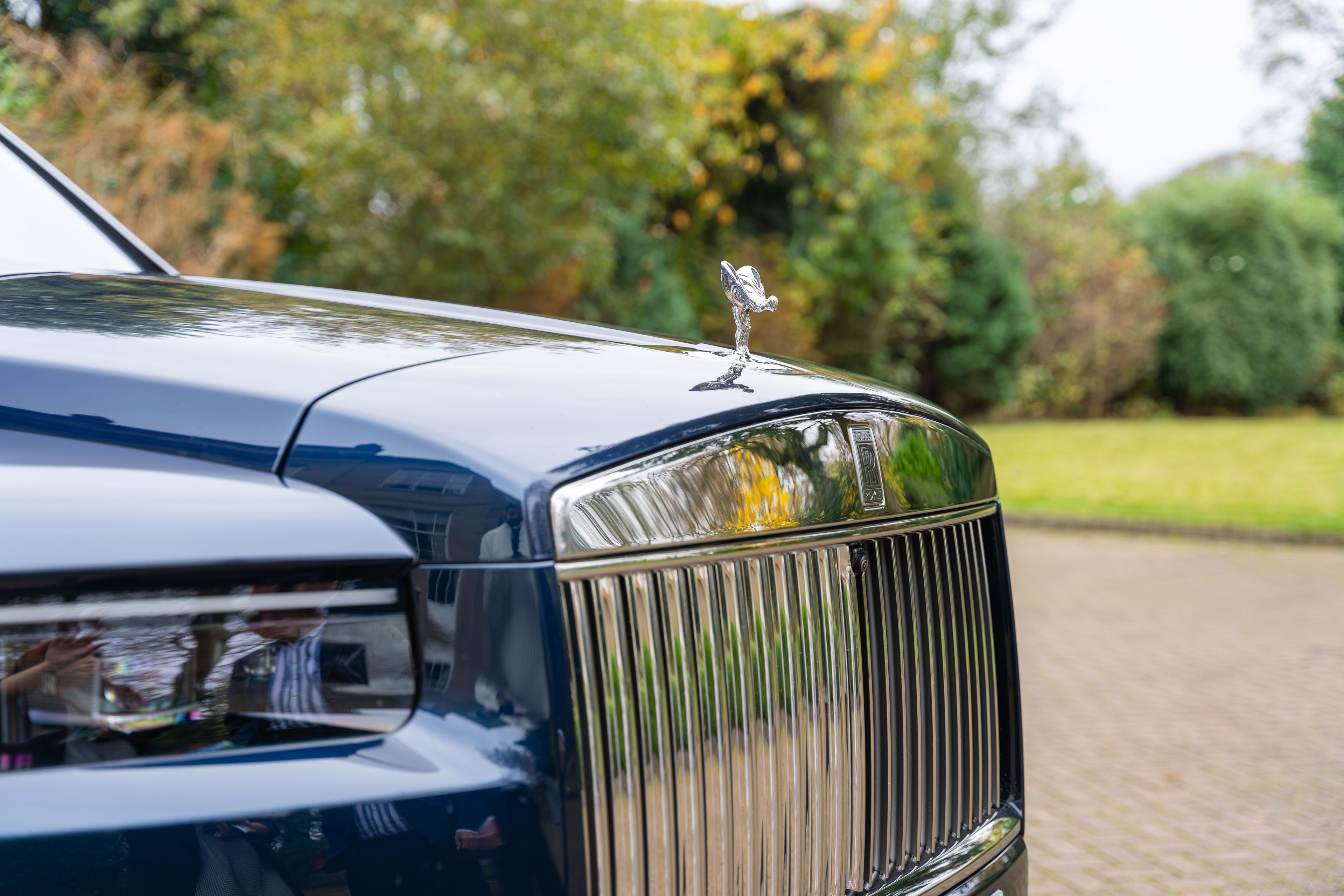
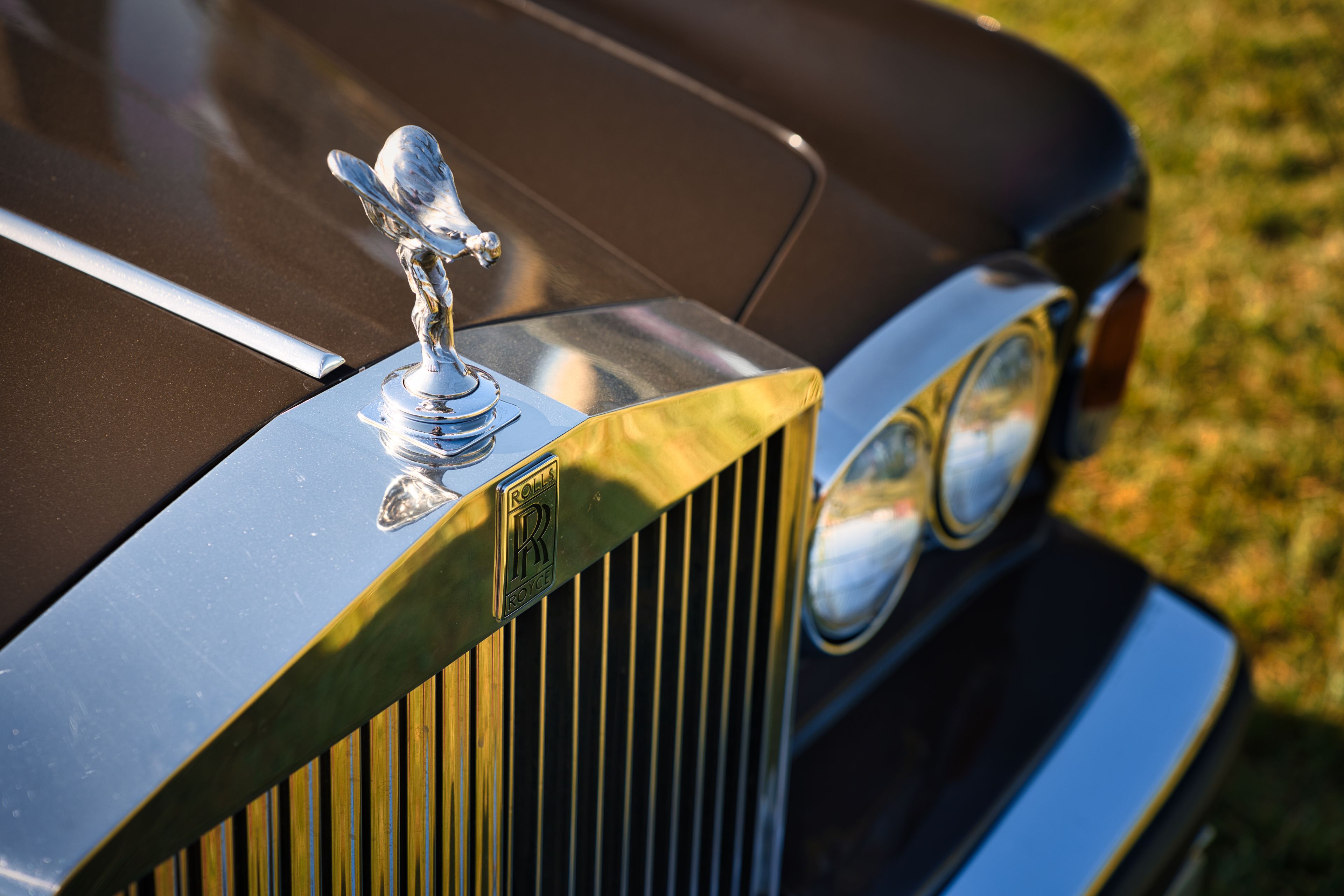
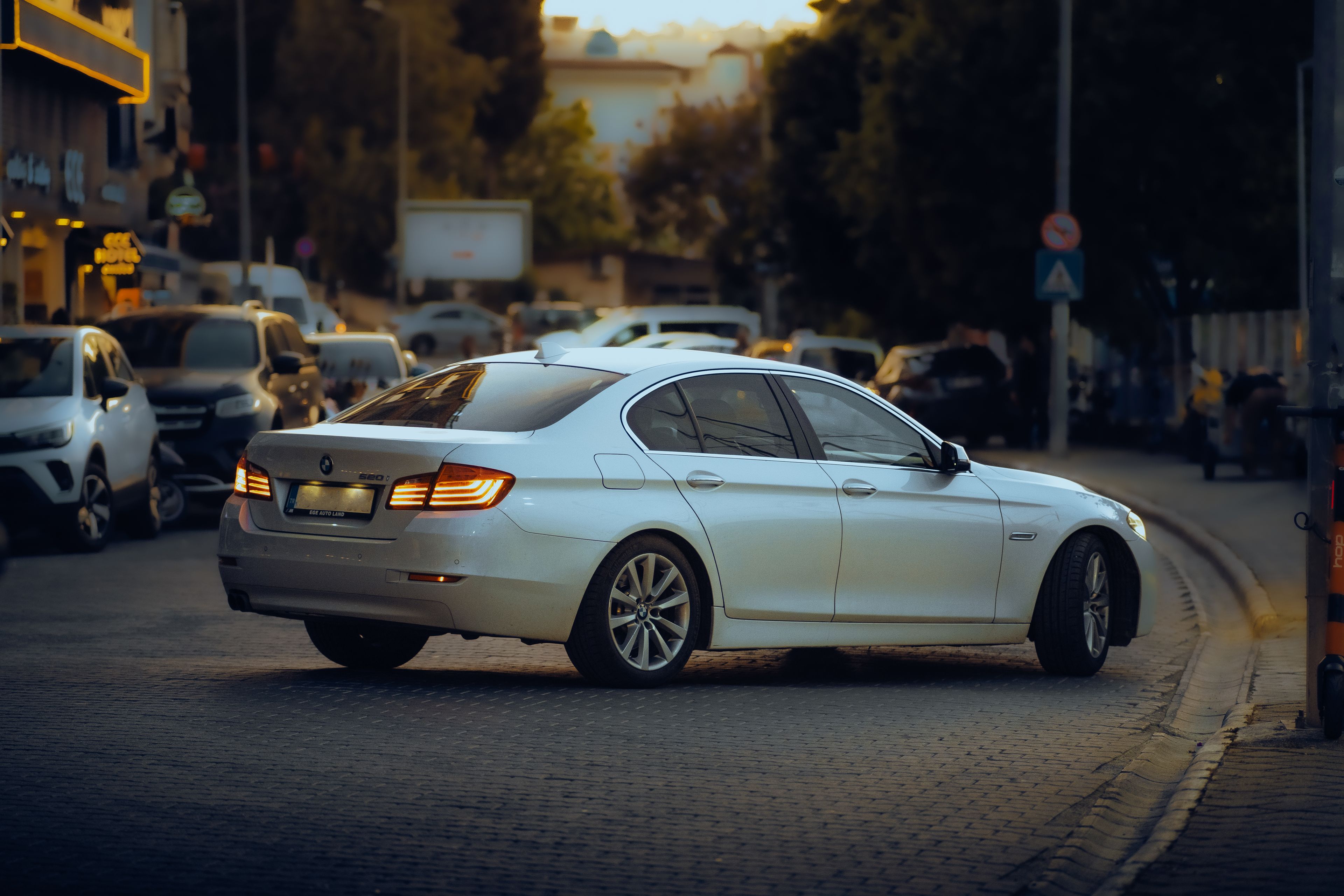
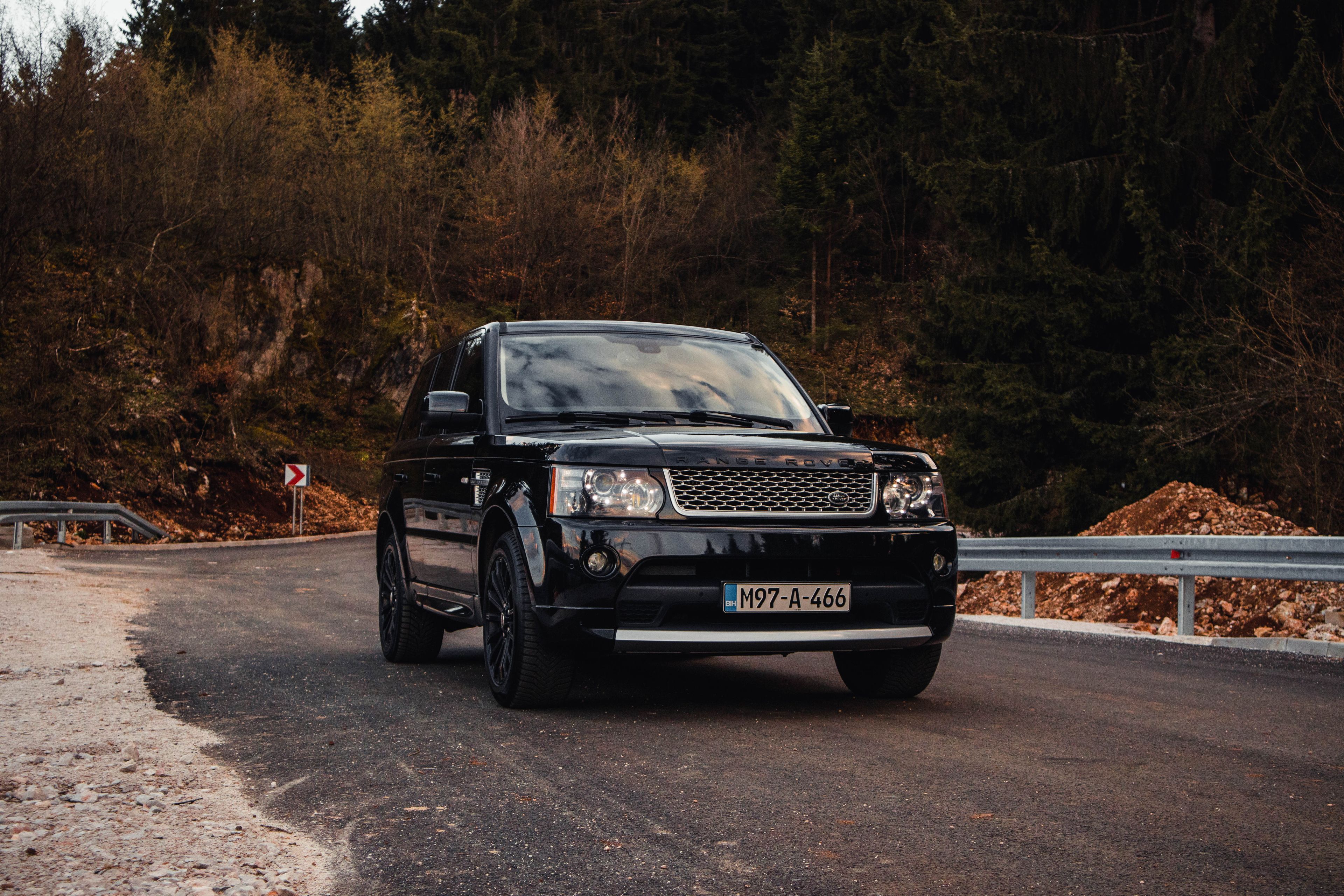
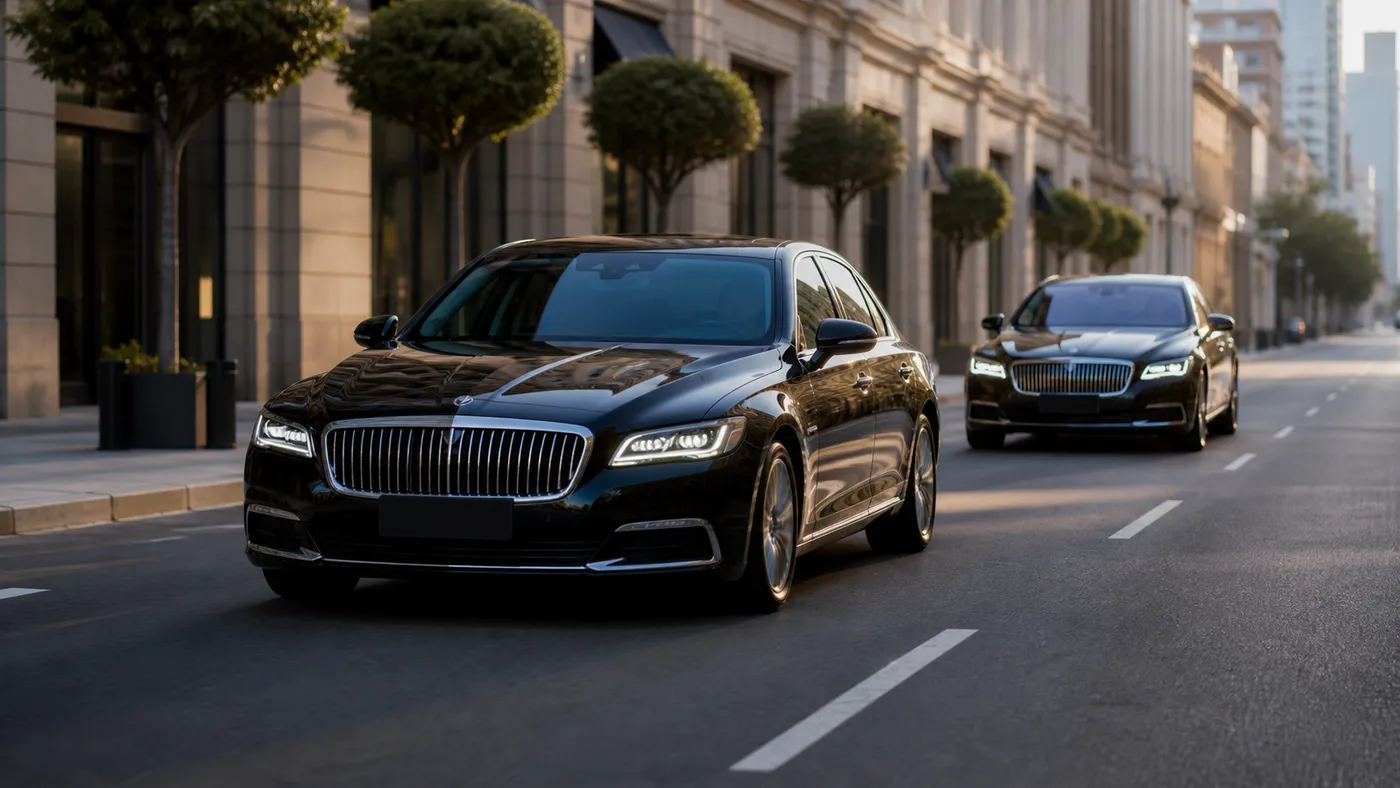
For the ceremony car, the choice is genuinely about the pictures as much as the journey, and that is a perfectly good reason to choose something special. Rarity has consequences, though: a car that few operators hold is committed early, needs more careful preparation, and cannot simply be swapped for something similar if the date moves. Common executive saloons and MPVs behave in the opposite way and are much easier to arrange late.
A sensible compromise, used by a great many couples, is to specify carefully for the car that appears in the photographs and to be pragmatic about everything else. Guests being moved between a hotel and a marquee do not need a flagship saloon. They need seats, air conditioning and somebody reliable at the wheel.
Trimming a wedding brief sensibly
Most wedding briefs contain at least one expensive habit that nobody would miss. The commonest is holding every car for the full day when only one of them is genuinely needed all day. The second commonest is an open-ended finish that exists because nobody wanted to decide, which forces us to hold hours that will very likely go unused.
Send us the outline of the day as it currently stands, however rough, and we will tell you which parts are doing real work. Each wedding is quoted individually and set out in writing, with the vehicles, the hours and the terms named, so you can see exactly what each element of the plan is contributing before you commit to any of it.
- Hold one car for the whole day and book the others for defined windows
- Batch guest shuttles into agreed runs rather than an on-call arrangement
- Consolidate groups into one larger vehicle where the numbers allow
- Decide a realistic release time instead of leaving the finish open
- Consider a Friday or a shoulder-season date if you have any flexibility
- Specify carefully for the ceremony car and pragmatically for the rest