




Dogs travel by chauffeur far more often than people assume, usually between a London house and a country one, or to and from a kennel before a flight. It is entirely routine when it has been arranged and entirely awkward when it has not, because the animal cannot be an afterthought at the kerb and no chauffeur enjoys having to refuse one.
The single thing that makes it work is telling us in advance. Not every vehicle is suitable, not every chauffeur can take an animal, and the passenger who rides in that car next may have a genuine allergy. Once the pet is on the booking, the right vehicle is assigned, protection is carried and the journey becomes unremarkable in the best sense.
Why the animal must be declared
A car that has carried a dog needs cleaning before it carries the next passenger, and that time has to exist in the schedule rather than be taken out of somebody else's journey. Hair works its way into upholstery, and a passenger with a real allergy will notice a vehicle that had a dog in it that morning. Declaring the animal is what allows all of that to be handled properly.
There is a practical side too. Some chauffeurs are allergic themselves, some interiors mark easily, and a few bookings will simply be reassigned to a car better suited to animals. None of this is a problem given notice, and all of it becomes a problem when discovered on a pavement with a lead in your hand and a train to catch in forty minutes.
How a dog should travel
The Highway Code requires animals to be suitably restrained so they cannot distract the driver or injure anyone if the vehicle stops suddenly, and the practical options are a crate, a harness clipped to a seat belt, or a guard behind the rear seats. Which one applies depends on the vehicle and on the dog, and it is worth settling at the booking rather than in the street.
A crate is the calmest arrangement for most animals and the tidiest for the car, provided there is somewhere sensible to put it. In an estate or an SUV load area that is easy. In a saloon boot it is not, because a dog should not travel in a sealed compartment without ventilation or a view out. A harness on the rear seat is then the workable answer.
- A crate in the load area of an SUV, estate or MPV
- A harness clipped into a rear seat belt for a smaller dog
- A boot guard behind the rear seats where the vehicle has one
- A washable blanket or protective cover over the seating
- Water, and a bowl that does not tip over on a roundabout

Which vehicles suit an animal
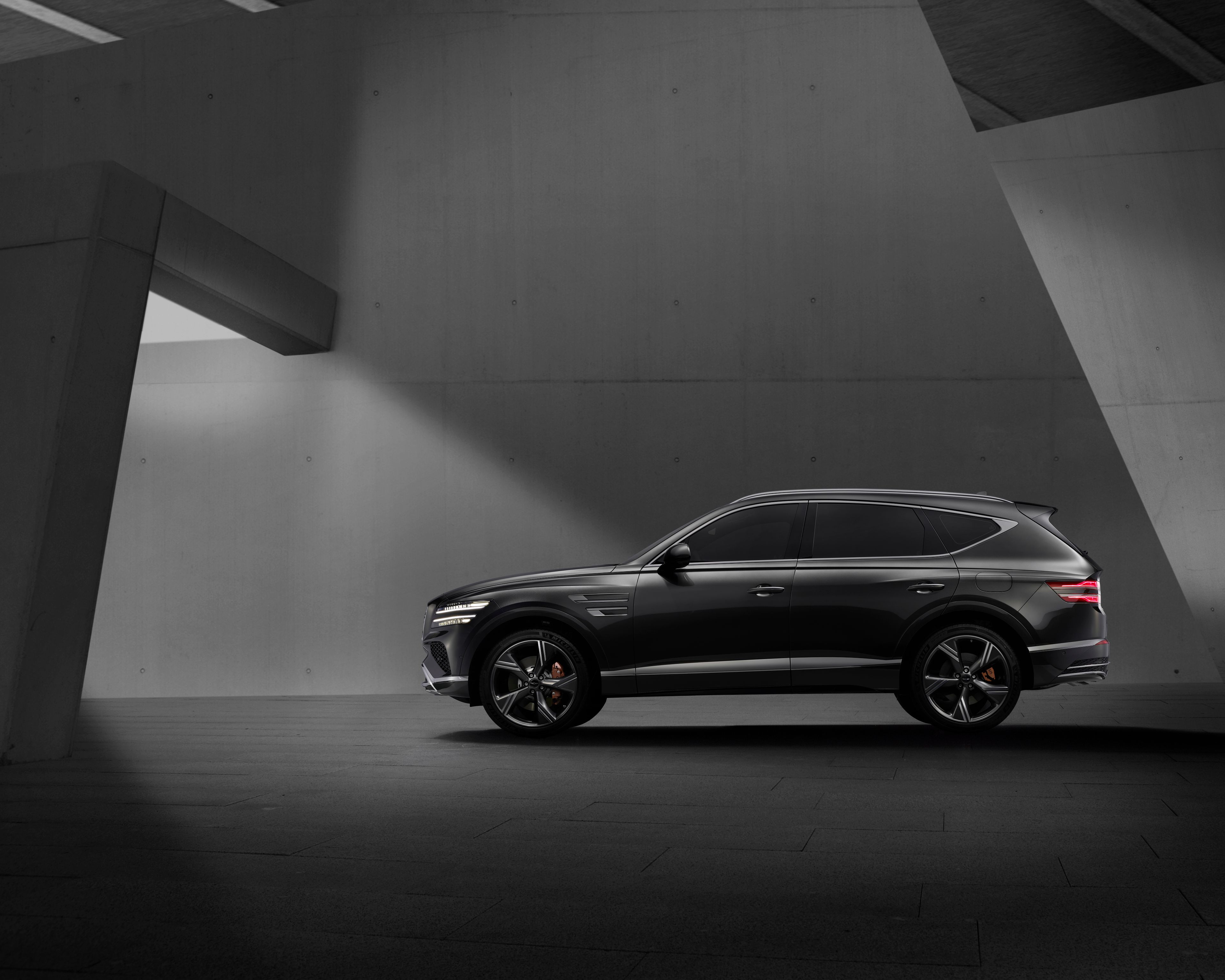
The best vehicle for a dog is one with a separate load area, a flat floor and a lip low enough for the animal to jump in without being lifted. An SUV with a folding bench or a luxury MPV with the rear space cleared both do this well. What matters is that the dog is not sharing a seat with people and not sliding about on leather at every junction.
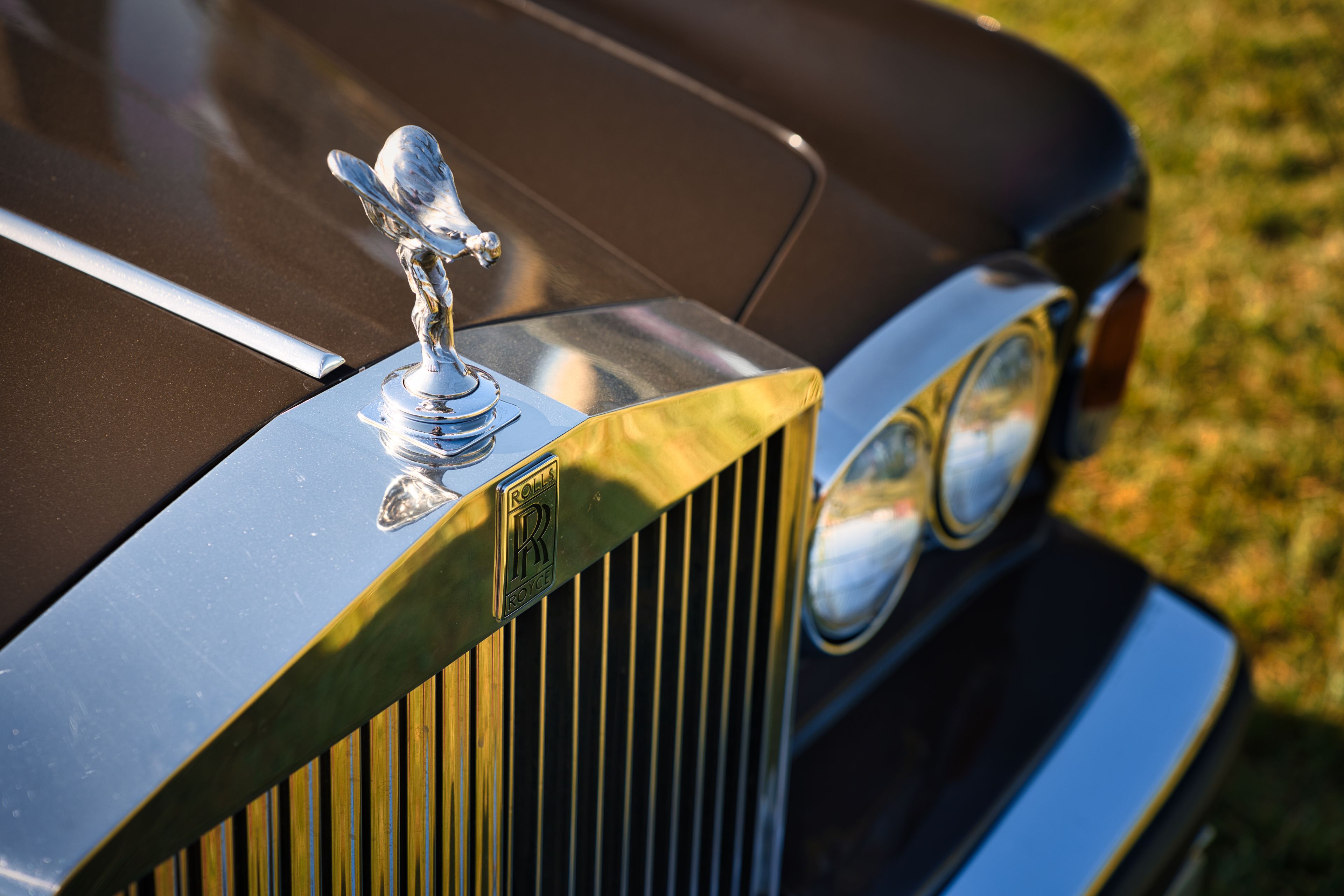
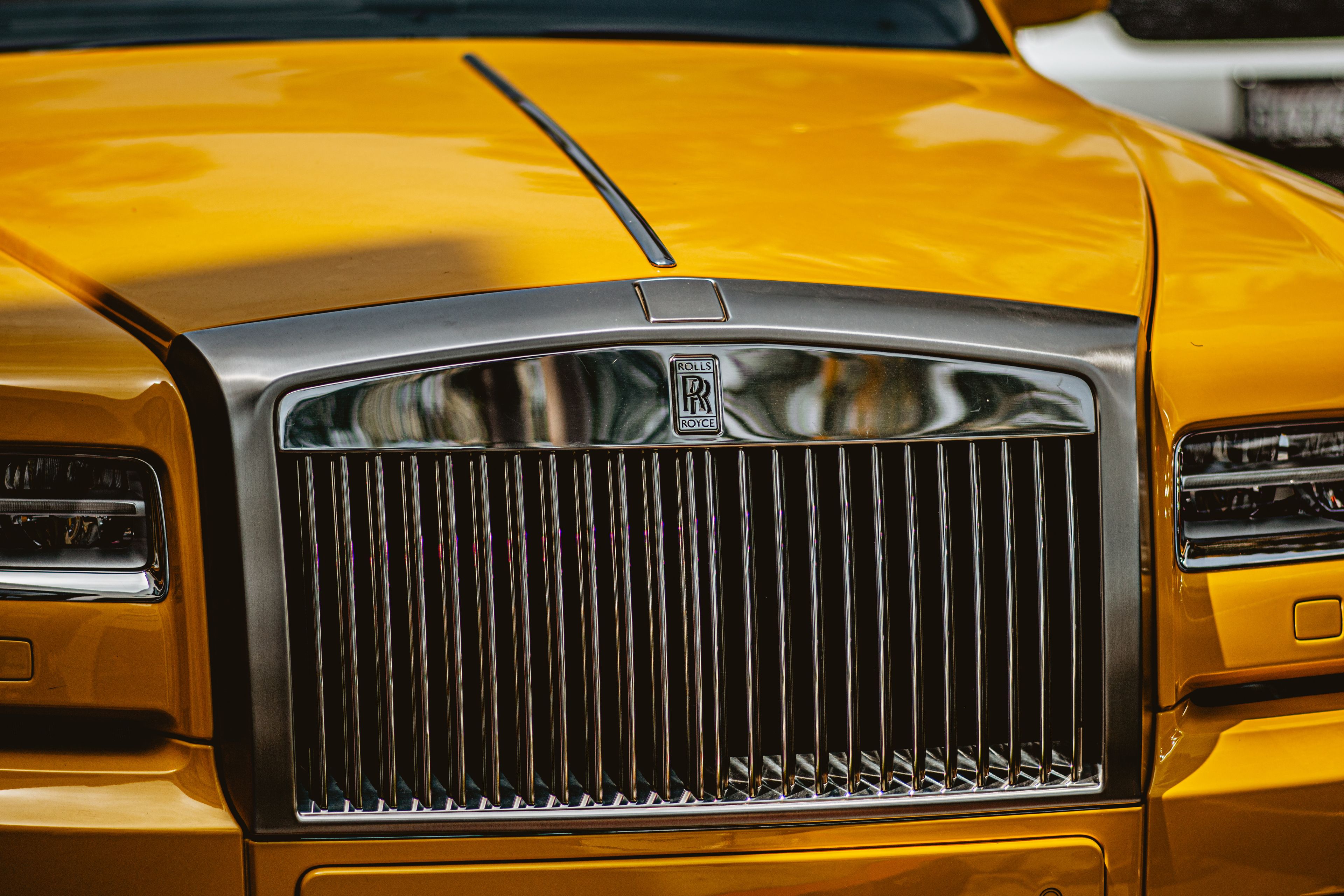
The ultra-luxury cars are the wrong choice, and we would say so before you booked one. Lambswool floor mats and hand-finished hides do not want claws, and the load area is trimmed to cabin standard. It can be done for a small dog in a crate on a short run, but it is not what those motor cars are for, and there is always a better option available.
Wet dogs and muddy paws
A dog collected after a walk on the Downs is a different proposition from one collected from a hallway. Protective covers are carried and they work, but they cope with damp rather than with a spaniel that has just found a pond. A towel by the door and a few minutes of drying before the animal gets in saves the interior and makes the journey pleasanter for everybody in it.
Say if the collection is at the end of a walk, a shoot or a beach, because the vehicle assignment changes accordingly and the chauffeur brings more than the usual protection. Nobody minds mud that was expected. What causes difficulty is a car prepared for a business day meeting a wet retriever it was never told about, and a single line in the booking message fixes it entirely.
Assistance dogs are different
An assistance dog is not a pet and is not treated as one. Under equality law in the United Kingdom a service provider must not refuse a disabled passenger because they are accompanied by an assistance dog, and there is no additional charge or special arrangement to negotiate. The dog travels in the vehicle with its owner, in the footwell or beside them, exactly as they prefer.
Telling us in advance is still useful, simply so the chauffeur knows and so there is room arranged where the dog will be most comfortable. It is a courtesy rather than a condition, and it is never a request that will be questioned or queried. If a particular seating position works better for you, say which and it will be set up before the car arrives.
Airports, kennels and longer journeys
Animals arriving in the United Kingdom by air are generally cleared through an animal reception centre rather than through the passenger terminal, and those facilities sit away from the main buildings. If you are collecting a pet on arrival, the address is not the terminal, so send the exact location and the expected release time and the run gets planned to it properly.
On long journeys, plan a break as you would for a person. Most dogs settle after twenty minutes and sleep, but a three-hour run deserves a stop for water and a short walk, and a chauffeur will build that in when they know it is needed. Travel sickness is worth mentioning too, since it changes where the animal is best placed in the vehicle.
Vehicles come from our own cars and from a vetted network of professional chauffeur operators, and suitability for animals varies between individual cars, so it is confirmed with your booking along with model, colour and specification, all of which are subject to availability. Send the details below on WhatsApp or by email when you enquire; a short message is all it takes.
- Breed, size and rough weight of the animal
- Whether a crate is travelling, and its folded dimensions
- Where the collection is: a house, a kennel or the end of a walk
- Any travel sickness, anxiety or need for frequent stops
- Whether a second animal is travelling as well