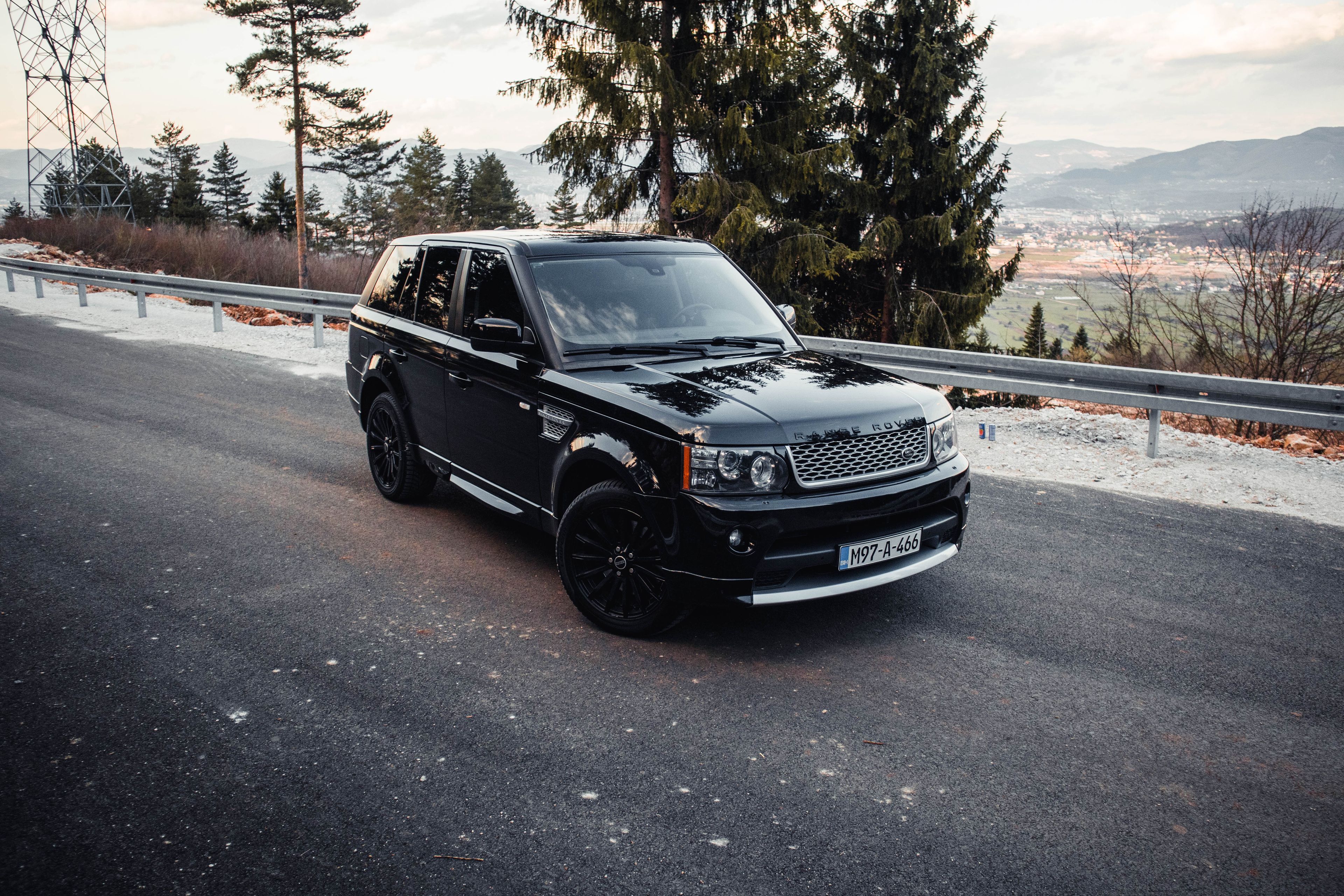

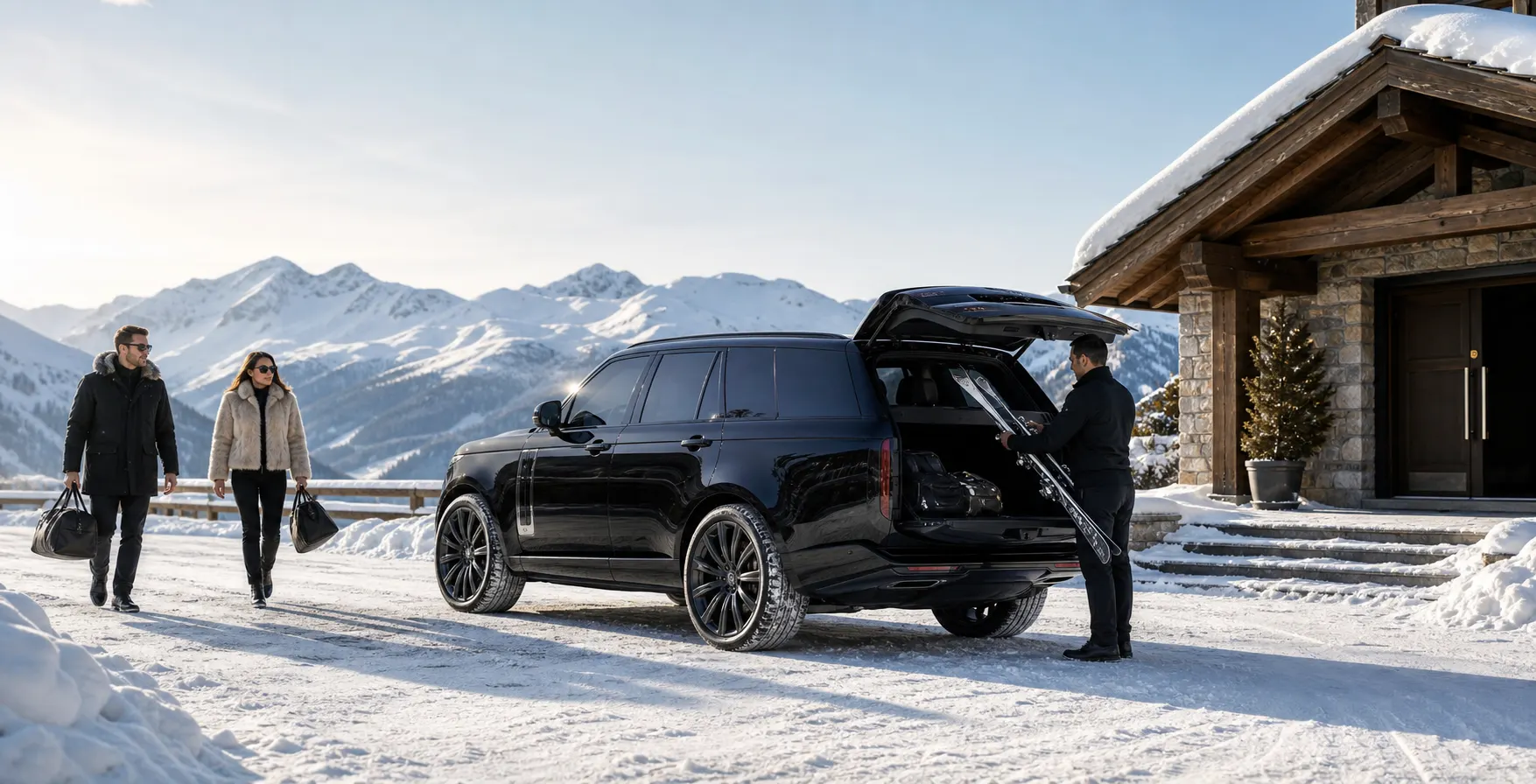


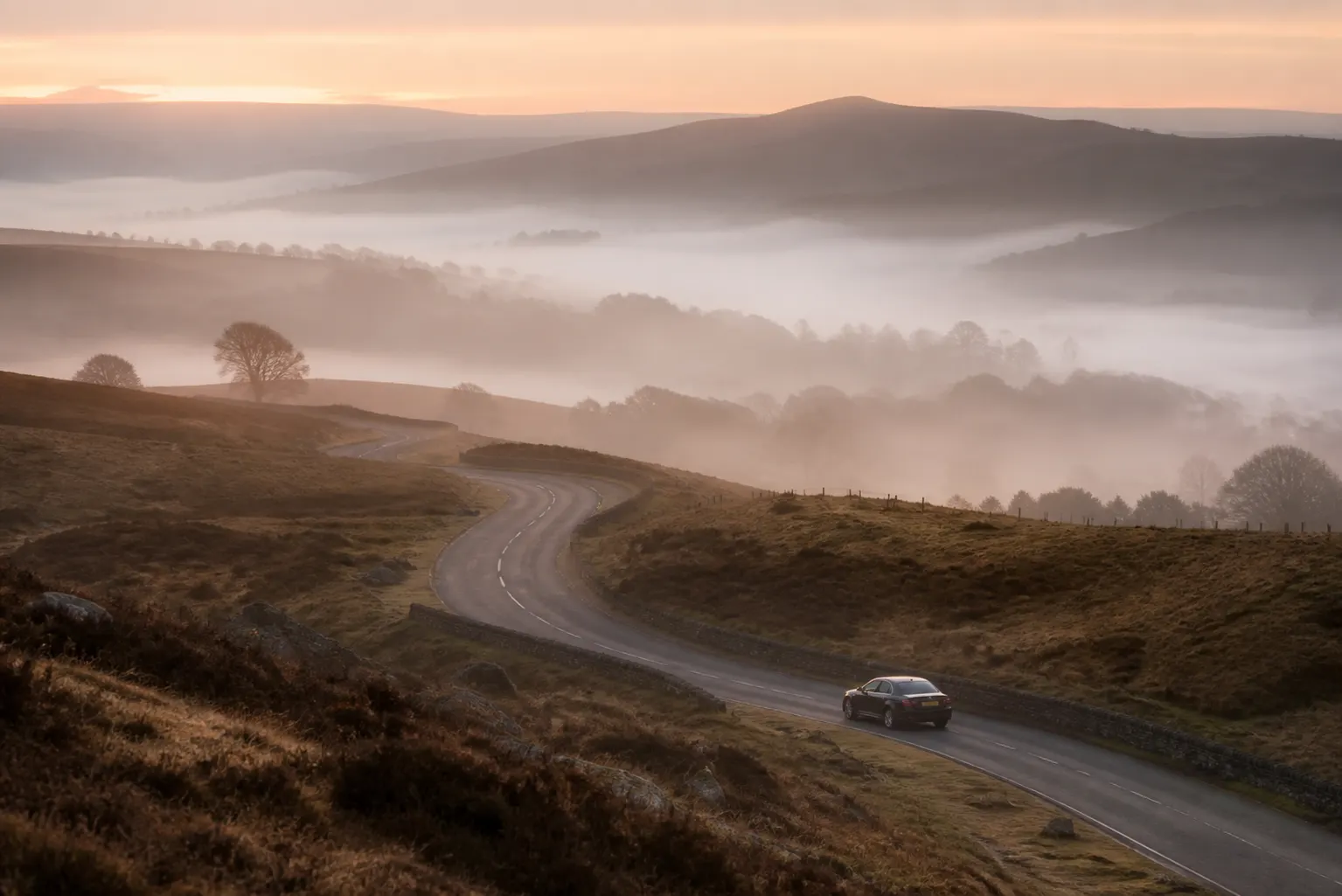


There is a particular kind of British journey that a Range Rover was made for: a wet Friday afternoon, a motorway, then thirty miles of unlit lanes, then a gravel drive with a cattle grid halfway along it. Very few luxury vehicles handle that sequence without either complaining or making the passengers work for it. This one treats the whole thing as unremarkable, which is precisely the point.
The Autobiography specification is where it becomes a genuine chauffeur car rather than a very good family vehicle. This guide describes the rear compartment as a passenger experiences it, explains why the elevated seating position changes long journeys more than people expect, and sets out honestly where a flagship saloon remains the better booking.
The view, and why it matters
Range Rover has always seated its passengers high and upright, with what the company has long called a command driving position and an equally commanding rear one. From the back seat you look over hedgerows, over the roofs of ordinary cars, and out of a windscreen that is unusually deep. In stationary traffic you can see what is causing it, which is oddly reassuring.
The practical benefit is that long journeys feel shorter. Passengers who read in a saloon and feel queasy often find they are perfectly fine here, because the horizon stays visible and the head is upright rather than reclined. If anybody in your party is prone to travel sickness on winding roads, this is the vehicle to ask for.
Getting in without effort
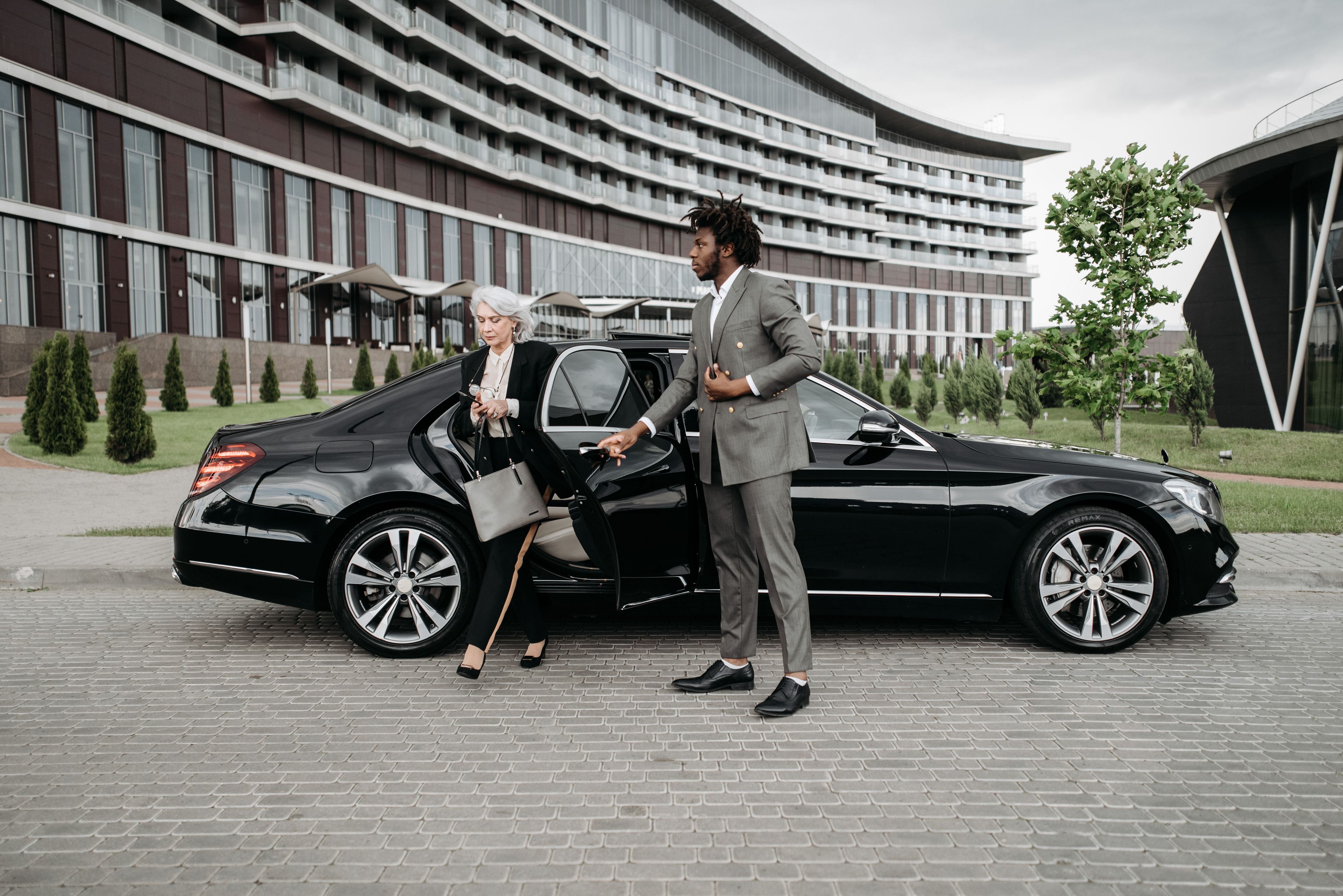
A tall vehicle should be awkward to board, and this one is not, because the air suspension lowers the body when a door is opened and raises it again once everyone is seated. The seat then meets you at roughly the height of a dining chair, so you step across rather than climbing up or dropping down. For older passengers this is transformative.
Some vehicles are also fitted with deployable side steps that slide out as the door opens. It is an option rather than a fixture, so worth asking about if it would help. Where it is not fitted, a good chauffeur simply offers a hand and positions the vehicle so the step-across happens on a kerb rather than a road surface.
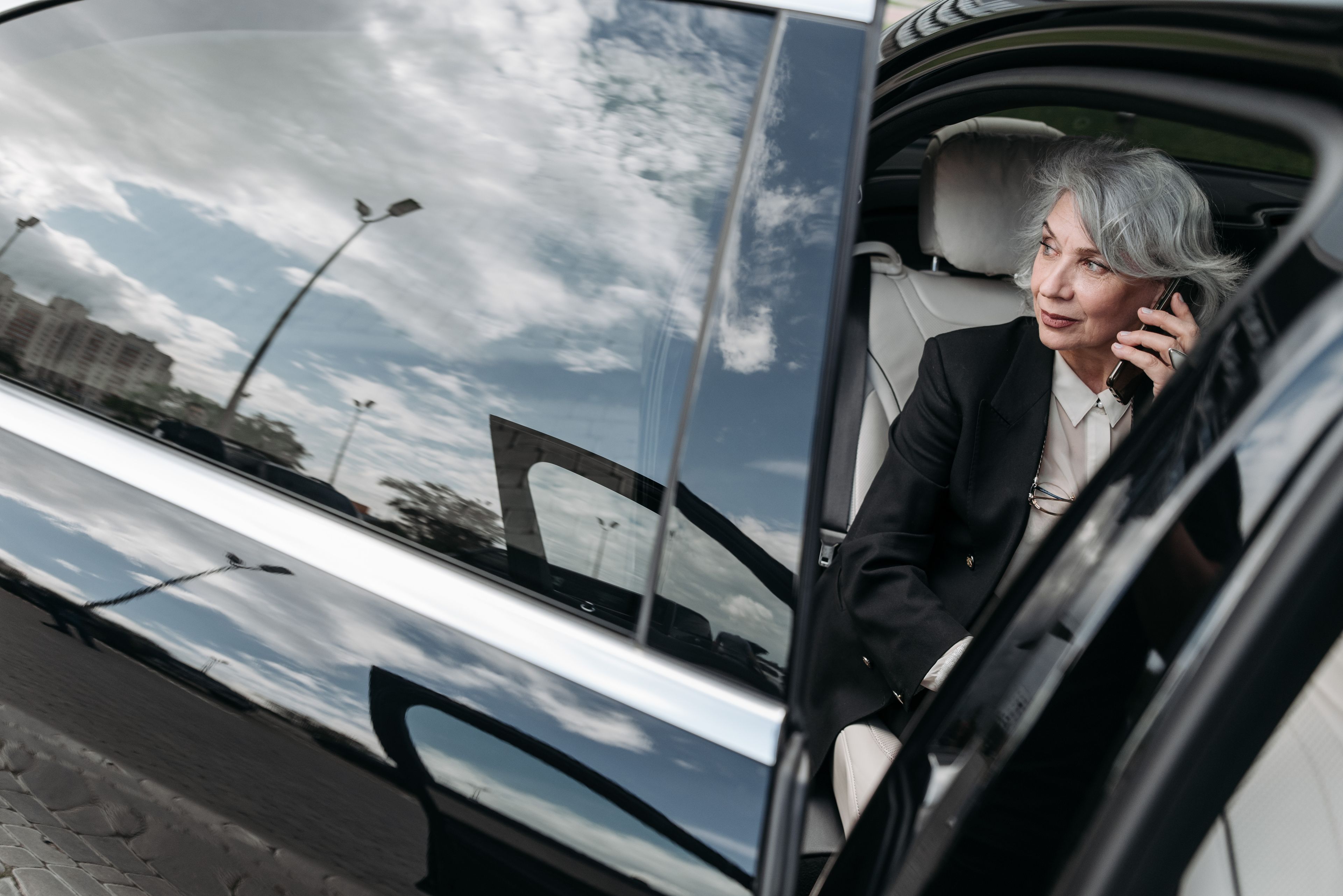
The rear compartment in Autobiography form
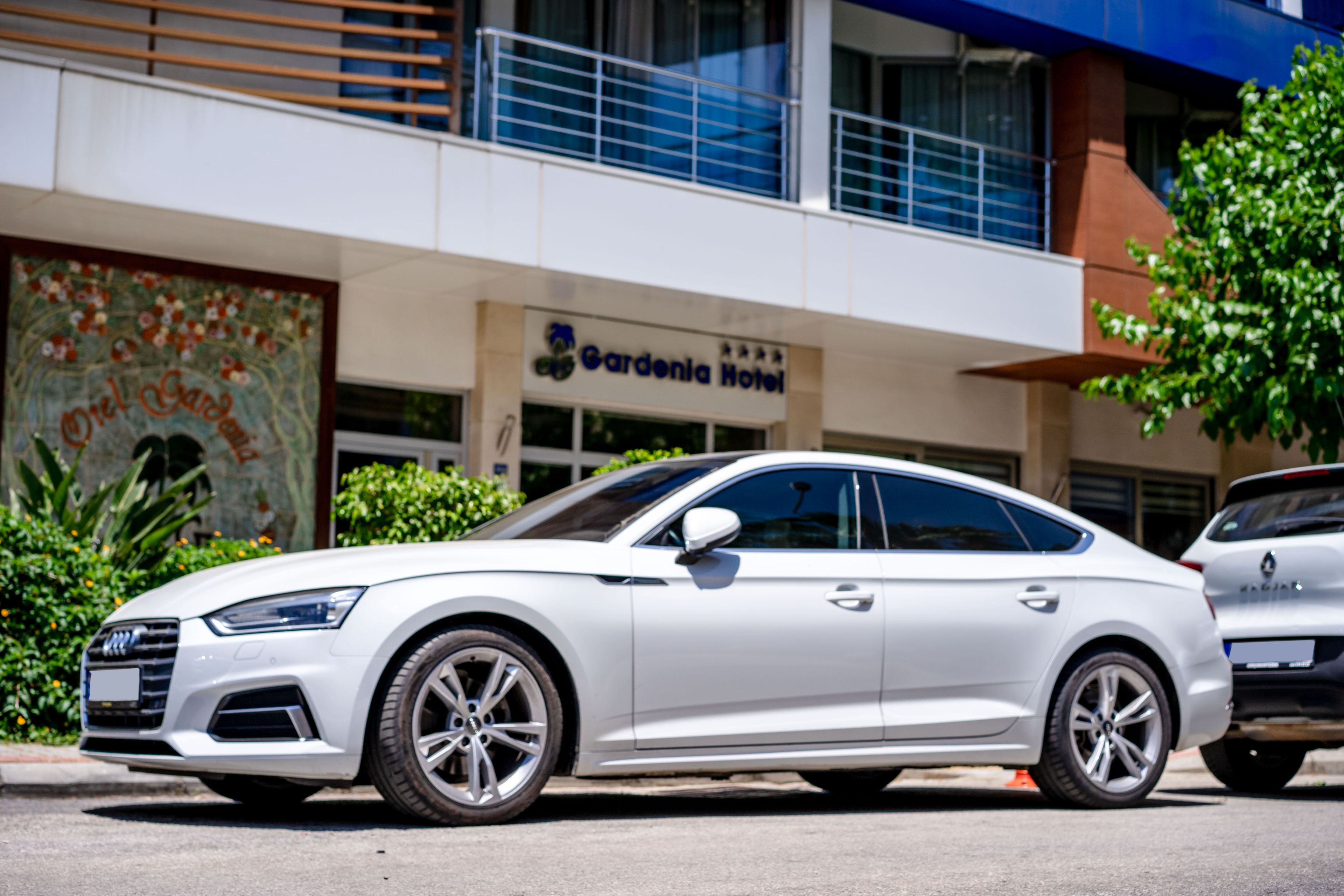
The rear of an Autobiography is trimmed to a standard that stands comparison with anything from Germany, and it is arranged around comfort on long journeys rather than short sprints. Not every feature below is on every vehicle, since specification varies with model year and how each car was ordered, so ask about anything that matters to you.
- Heated, ventilated and massaging outer rear seats on many examples
- Electrically adjustable rear backrest recline on higher specifications
- Four-zone climate control with dedicated rear temperature panels
- Rear entertainment screens mounted on the front seat backs, when ordered
- Powered side blinds and deeply tinted privacy glass to the rear
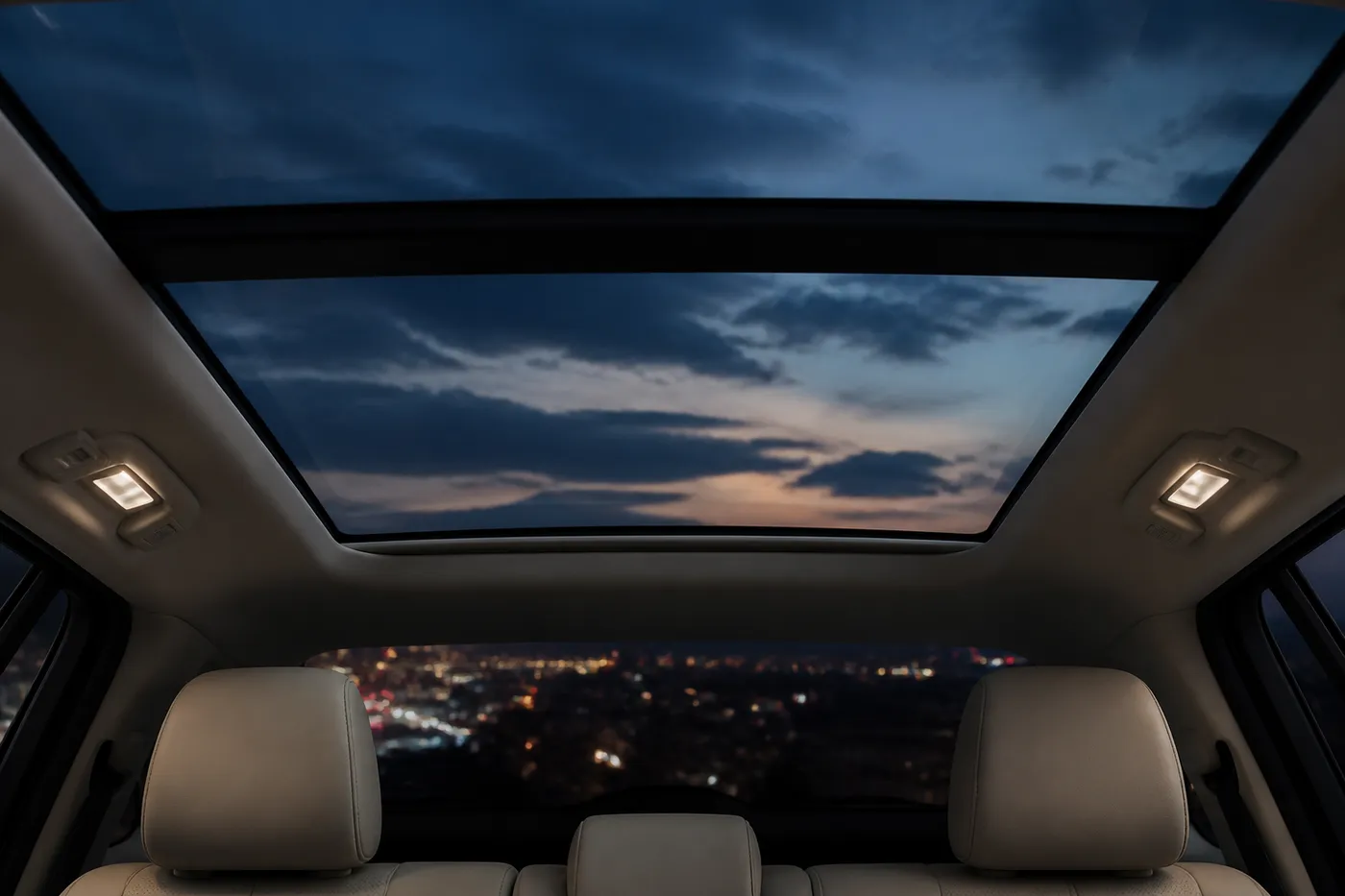
- A sliding panoramic roof, which lightens the cabin considerably
How it rides and sounds
Air suspension does most of the work, and it does it very well. Broken town surfaces, ridged concrete and country road patchwork are all softened to the point of irrelevance. The vehicle leans a little more in corners than a low saloon does, which is simple physics, and a chauffeur who drives it properly compensates by carrying less speed into bends.
Cabin noise is low, though a large vehicle with a tall body will always generate a little more wind rush at speed than a flagship saloon. The difference is small and most passengers never think about it. Where the Range Rover pulls ahead is on poor surfaces, where the long-travel suspension simply absorbs what would jar a lower car.
Long wheelbase and rear space
Both standard and long-wheelbase versions are built, and the longer one adds a serious quantity of rear legroom. Some long-wheelbase examples are configured with four seats and a fixed rear console instead of a three-seat bench, which is superb for two passengers and simply removes the option of a third.
For weddings and family travel this is a detail worth confirming before the day. Four adults in a standard-wheelbase Autobiography is comfortable. Four adults in a four-seat long-wheelbase configuration is exceptionally comfortable. Five people in either is not on, since the rear is designed around three at most and often around two.
When a saloon is the better choice
For a straight motorway run between two cities with nothing rougher than a service station car park involved, a flagship saloon is marginally quieter and rides a shade more smoothly. If pure refinement over three hundred motorway miles is the sole criterion, the saloon wins by a narrow margin. Choose the Range Rover when the roads, the weather or the destination are less predictable.
Our vehicles come from our own fleet and from a vetted network of professional chauffeur operators, so wheelbase, colour, trim and rear-seat configuration vary between cars. All are subject to availability and confirmed at booking. If the specification matters, tell us over WhatsApp or by email when you enquire rather than afterwards.