




The risk at Manchester is complacency. The airport is close to the city, the motorway runs almost to the door, and drivers who use it regularly develop a confident sense of how long it takes. That confidence is usually well founded and occasionally expensive, because the M60 is one of the least forgiving orbital routes in the country when something goes wrong on it.
A good collection time here therefore respects two things at once: a drive that is genuinely short most of the time, and a terminal complex busy enough to need a proper allowance inside. Getting the balance right is a matter of asking a few specific questions rather than applying an average.
Which terminal, and what that costs you
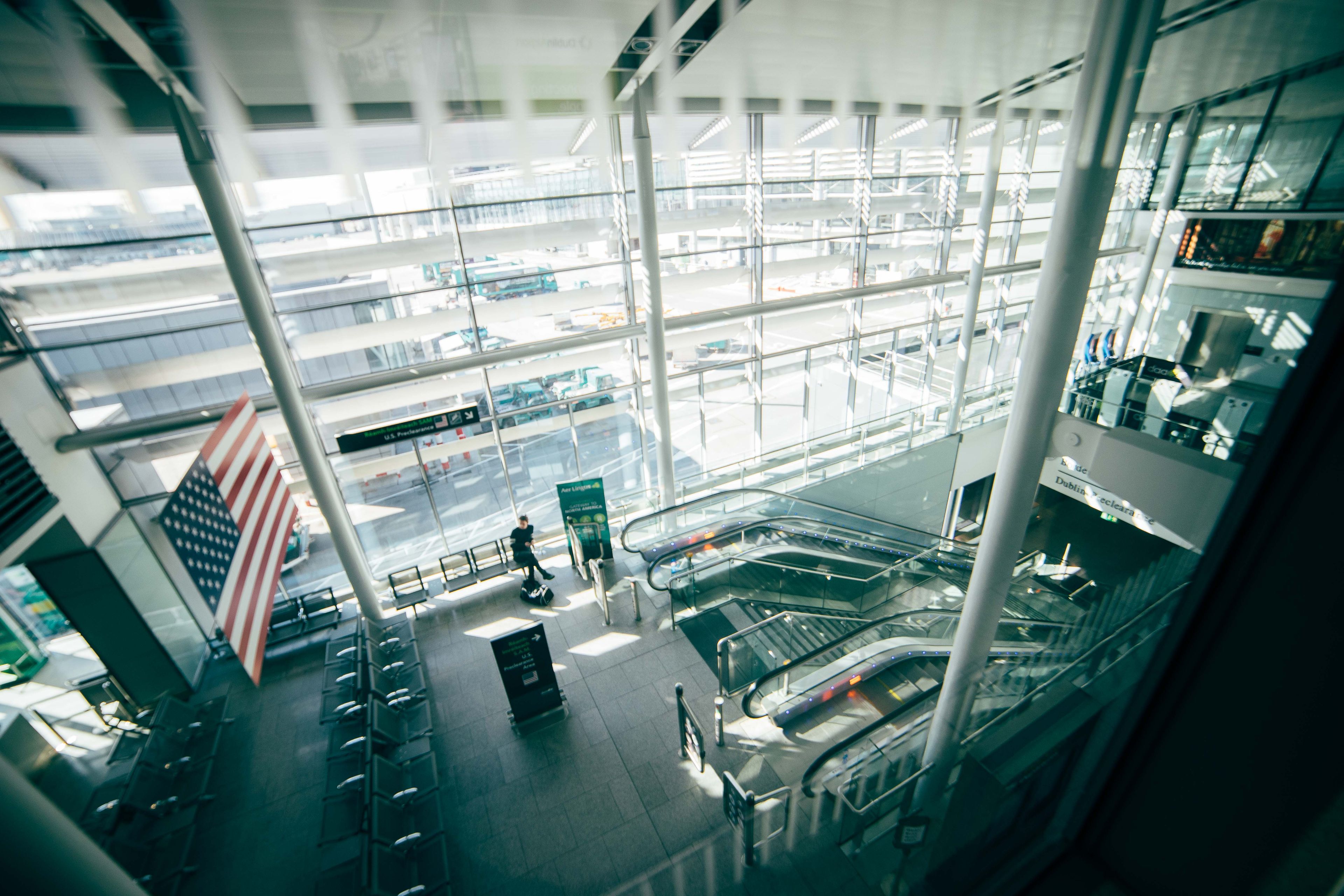
The three terminals have separate forecourts and separate drop-off arrangements, and the signage on the approach requires a decision before you reach the site. Landing in the wrong one is recoverable via the covered walkway, but it is a walk of some length with luggage, and it is time nobody wants to spend before a flight.
Terminal 2 has grown considerably and the internal distances there are larger than they were, so the walk from set-down to bag drop deserves a real allowance rather than a token one. We confirm the terminal from your flight details at booking and check it again before the day.
The M56, the M60 and the hour
From central Manchester the drive is typically twenty to thirty-five minutes depending on traffic, running out on the M56 to junction 5. From Cheshire and the south the approach is often quicker still. From the north and east, the M60 does the work, and that is where the variability lives.
The orbital carries very heavy commuter traffic and has few useful alternatives when it stops. An incident on the western side can add half an hour with almost no warning, and diverting onto local roads through Sale or Stretford is slower rather than faster. Weekday mornings from about seven and evenings from about four are the windows that deserve the biggest allowance.
Weekends are generally kinder, though large events in the city and at the major stadiums reshape the roads considerably and can catch out a Saturday afternoon departure. If your travel day coincides with something significant in Manchester, tell us and we will build it in.
How the time is calculated
Start with what your airline asks. Carriers publish their own arrival guidance and set their own bag drop and gate closing times, and these vary by airline and by destination. We confirm the position for your particular flight at booking rather than working from a general rule.
Then add the realistic drive for your day and hour, the walk from the forecourt to bag drop, and a margin sized to the route. For a departure from Cheshire on a Sunday morning that margin can be modest. For one from Leeds or Preston on a Monday morning it should not be.
- Airline arrival guidance for your flight, confirmed at booking
- Terminal, and the internal walk it involves
- Your actual starting point, with the postcode
- The hour and day, and any major event in the city
- Hold bags or cabin only, and the total number of pieces
- A margin sized to the M60 rather than to the M56
Long-haul and early morning departures
Manchester runs a substantial long-haul programme and those flights tend to depart in the morning, which puts a lot of passengers on the road at exactly the wrong hour. If you are on one of them, the drive and the terminal are both busy at the same time, and that combination is worth a more generous allowance than either alone.
Very early departures, before the commuter peak begins, are the opposite. The roads are clear, the drive is quick and the timing is reliable. We still leave a margin, because a five in the morning flight offers no second chance if something is closed overnight.
What happens on the day
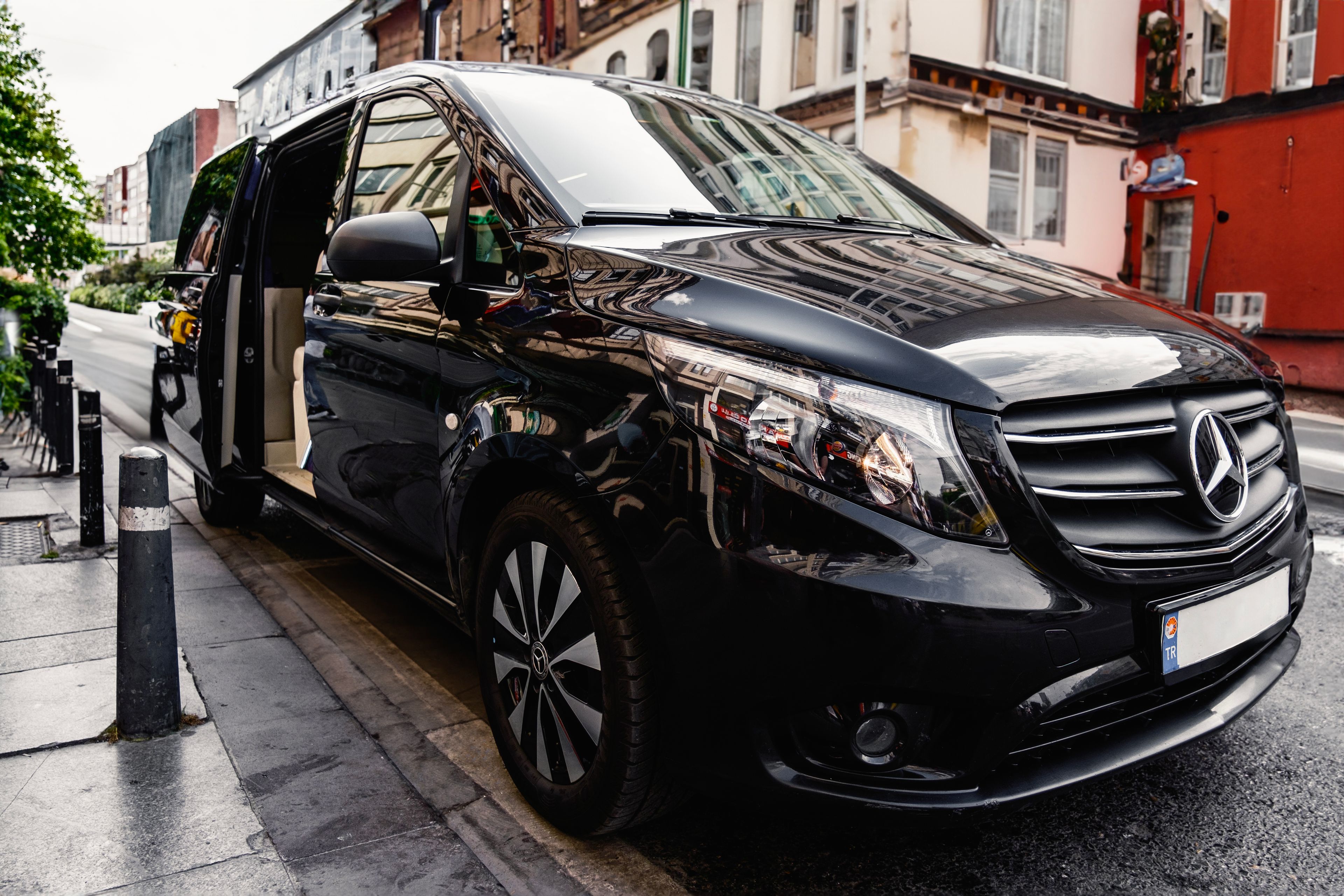
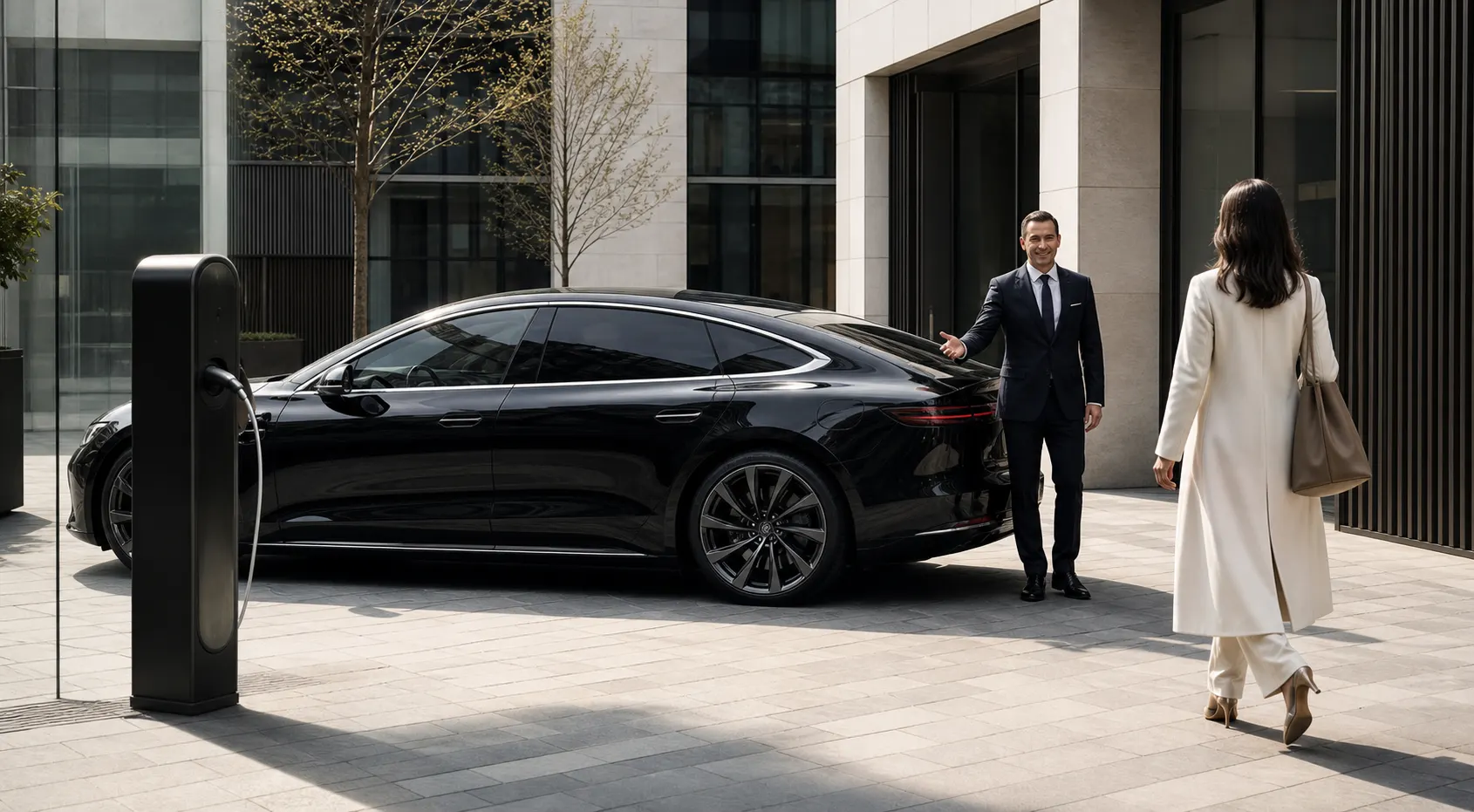
The car arrives ahead of the agreed time, with the route checked that morning and the vehicle chosen at booking against your luggage rather than your headcount. If the M60 has already gone wrong, your chauffeur will have decided what to do about it before pulling away from your door.
At the airport, the set-down for your terminal is used and the cases come out onto the pavement or as far as the doors if that helps. Forecourt arrangements are the airport's own and are chargeable; we deal with them and include them in the quotation. Cars come from our own fleet and from a vetted network of professional chauffeur operators across the north west.