






The words executive and VIP get used loosely across the industry, and they rarely mean the same thing from one company to the next. That vagueness suits nobody, least of all a client trying to work out whether the more expensive tier is buying them something real or simply a more impressive line on a quotation.
Here is how we use the terms and, more importantly, where the boundary between them actually falls. The distinction lies in the vehicle, in how much choreography surrounds the journey, and in how much time is held in reserve. It does not lie in the professionalism of the person driving, and any company suggesting otherwise is telling you something troubling about its lower tier.
What each label describes
The executive tier is the working standard of the trade: a clean, current business saloon or MPV, a professional chauffeur in appropriate dress, a car held for your booking alone, and a journey planned in advance rather than improvised. It covers the overwhelming majority of airport transfers, business travel and evening engagements, and it does so without drama. Drama, in this trade, is almost always a symptom of poor planning.
The VIP tier concerns itself with everything around the journey as much as the journey itself. It generally means a higher-specification vehicle, a longer window of standby either side, closer coordination with assistants, venues or a client's own security arrangements, and a chauffeur briefed on a level of detail that would be excessive for an ordinary transfer. It is choreography rather than transport.
What does not change between them
The driving does not change. The same standards of vehicle preparation, punctuality, route planning and discretion apply to every booking we handle, and there is no version of our service in which a chauffeur is less careful because the tier is lower. If a company implies that the attentive people are reserved for the premium bookings, the sensible response is to wonder who is driving the others.
Confidentiality does not change either. What is said in the car stays in the car regardless of what was paid for the journey, and that is a matter of professional conduct rather than a feature attached to a price band. The same holds for how a chauffeur handles a passenger's belongings, their timing and their privacy at a door. None of it is optional at any level.

What the higher tier genuinely adds
Time is the substantial one. A VIP arrangement holds the vehicle and chauffeur for longer either side of the stated movement, so a schedule that shifts by forty minutes is absorbed rather than renegotiated. For anybody whose day is set by other people, that reserve is the difference between a plan and a hope. It is the least visible part of the tier and easily the most useful.
Preparation is the second. Routes are walked or checked in advance, arrival points confirmed with the venue rather than assumed, alternative approaches identified, and the chauffeur briefed on who else will be present and what happens at the door. Where a client's own team is involved, the chauffeur works to their instructions rather than around them. Most of this work is done before the day and never seen.
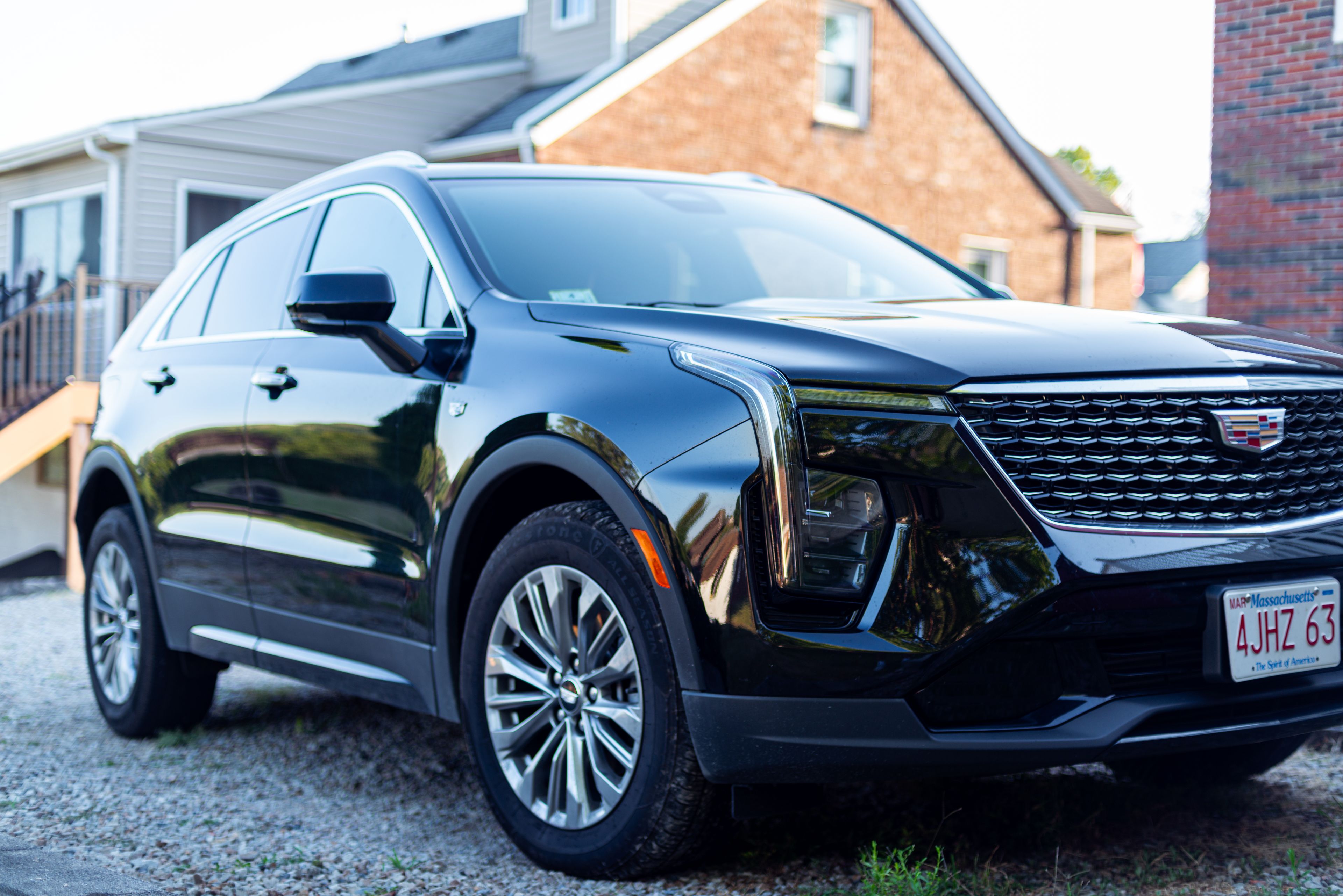
Vehicle specification is the visible part and usually the least important. A grander car makes a difference at an arrival that matters and very little difference at a hotel side entrance at midnight. If you are choosing purely on the badge, you are probably buying the tier for the wrong reason. The badge is the easiest thing to sell and the hardest thing to justify.
Side by side
For a specific journey, the tiers separate along these lines, and the useful test is whether anything on this list actually describes your day. If none of it does, the higher tier is being bought for reassurance rather than for function, which is an expensive way to feel prepared for a journey that was never going to be difficult. Reassurance rarely survives contact with an ordinary Tuesday.
Different journeys within the same week can sit at different levels, and there is no obligation to be consistent. A chairman who travels at the executive standard four days out of five and at the higher level for one significant arrival is not being inconsistent; they are matching the arrangement to the requirement, which is what these labels are for.
- Airport transfers and routine business travel: executive, which is built for it
- A schedule controlled by other people and liable to move: VIP, for the standby
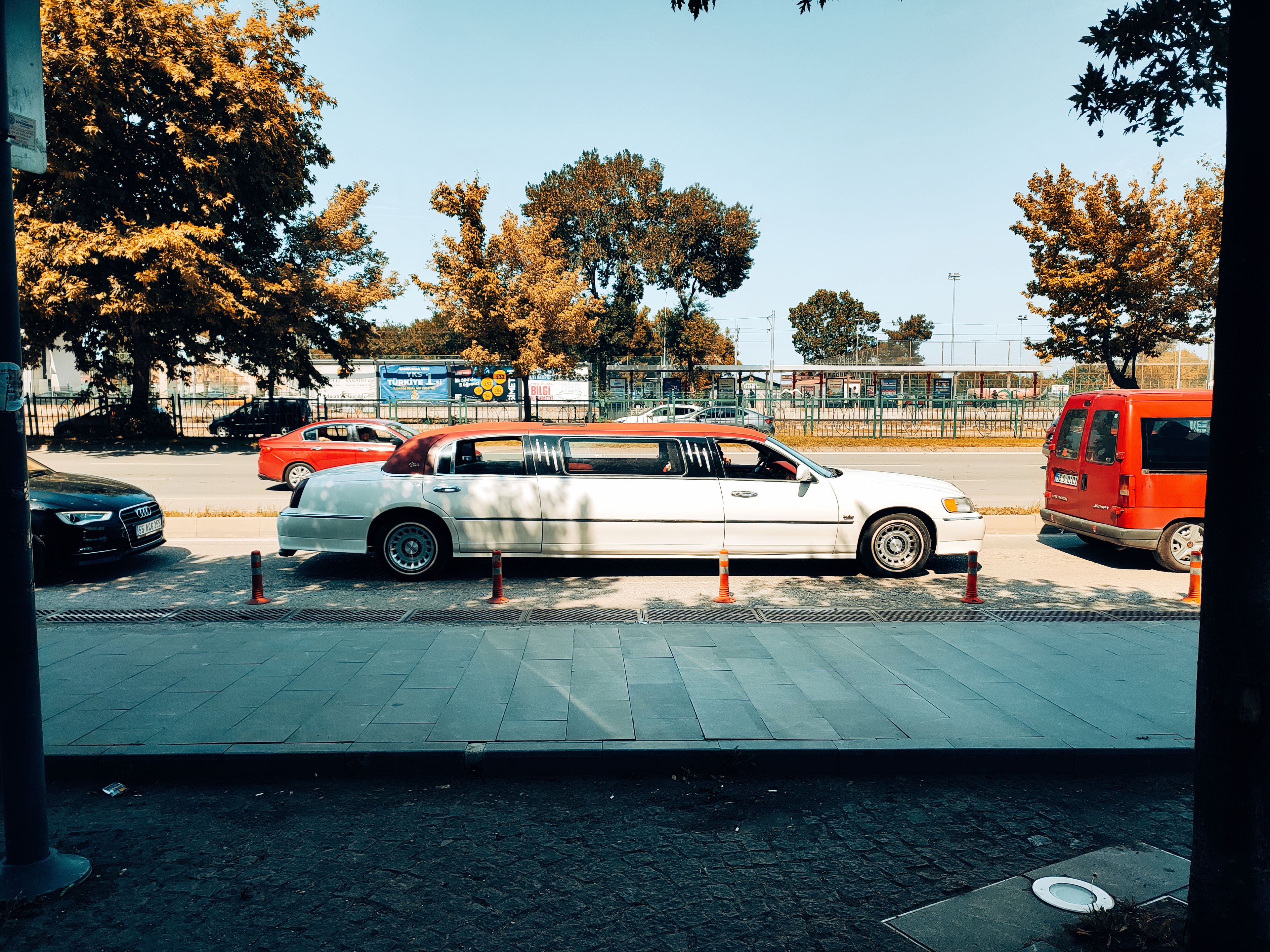
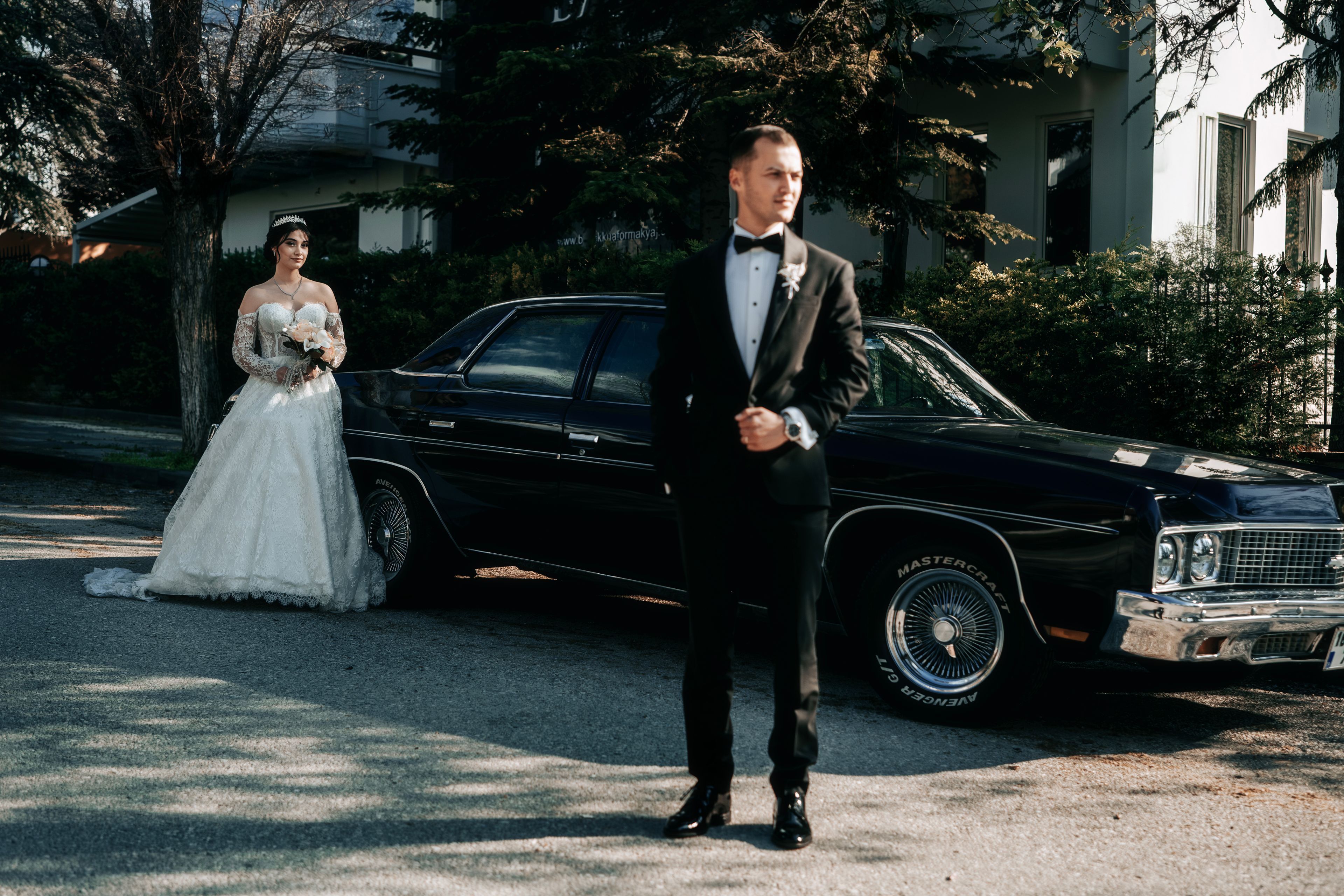
- A public arrival where the vehicle is seen and photographed: VIP
- Discretion at an ordinary hotel or office door: executive, which draws no attention
- Coordination with a client's own security or venue team: VIP
- Driving standard, punctuality and confidentiality: identical across both
- Multiple movements across a day with uncertain timings: VIP or hourly hire
When executive is the right level
For most journeys, most of the time, the executive tier is the correct booking and the upgrade would be money spent on something you will not use. A morning run to the airport with a fixed departure, a cross-city meeting, a dinner reservation, a station transfer: all of these have defined timings and no audience, and the grander arrangement contributes nothing to any of them.
It is also, quite often, the more appropriate choice on its own terms. Arriving discreetly matters to a great many passengers, and an unremarkable dark saloon that nobody looks at twice does that better than anything conspicuous. If your day involves a sensitive meeting, a hospital appointment or a private matter, the quieter option is genuinely the better one rather than the cheaper compromise.
We will say so directly when we think it applies. Recommending a level above what a journey needs is an easy way to increase a quotation and a reliable way to lose a client permanently, and we would rather have the second booking than the larger first one. Nobody forgets being sold something they did not need, and very few people come back afterwards.
Briefing either tier well
The quality of any journey rests more on the brief than on the tier. Tell us the exact address and which entrance, who is travelling, what they are carrying, whether the timing is firm or provisional, and anything about the destination that a chauffeur could not reasonably guess. A well-briefed executive booking outperforms a poorly briefed premium one on any measure that matters.
Where a journey does need the higher level, tell us why, because the reason shapes the planning far more than the label does. Vehicles come from our own cars and a vetted network of professional chauffeur operators, and model, colour and specification are subject to availability and confirmed when you book. Send the details on WhatsApp or by email and we will recommend a level rather than assume one.