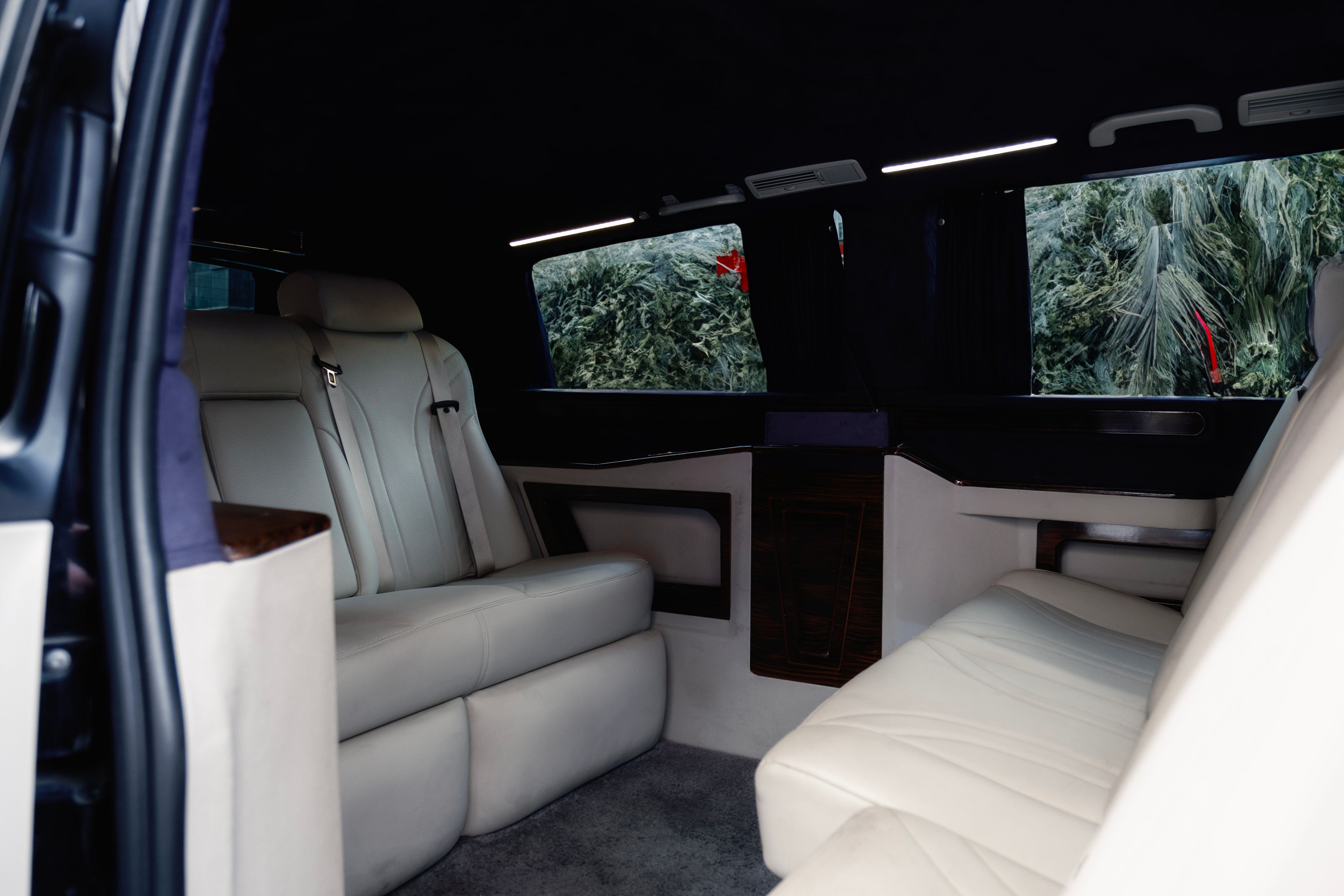








A visiting client forms an impression of your organisation before they meet anybody from it. The first person they deal with is whoever collects them, in a car you chose, arriving at a time you set. That is a considerable amount of message delivered by somebody who does not work for you, which is why hosts who take the arrangement seriously tend to be remembered for it.
Getting it right is less about extravagance than about removing decisions from a guest who is somewhere unfamiliar. This covers what to establish before booking, how to be attentive without being oppressive, how a multi-day visit differs from a single meeting, and the leg at the end that hosts consistently underplan.
The arrival sets the tone
A guest who walks out of an airport into an arranged car has been told something specific: that their time was thought about in advance. A guest who is sent a link to a taxi application has been told something too. Neither message requires words, and the second is delivered just as clearly as the first regardless of how the rest of the visit goes.
This matters most where the visit itself is the relationship. A first meeting with a prospective client, a partner flying in to resolve something difficult, or a visitor who has travelled a long way at your invitation all justify the extra thought. The arrangement should feel like part of the visit rather than a logistical afterthought bolted onto the front of it.
What to find out from the visitor
Ask early, and ask through their assistant where one exists, because assistants answer these questions accurately and guests answer them politely. The aim is to establish preferences you can act on rather than to present a menu of options that turns a courtesy into an obligation for the guest to make decisions.
A short set of questions covers the ground. Ask them once, record the answers, and use them again on the next visit, which is a small act of memory that guests notice disproportionately.
- Flight details and terminal, taken from the itinerary rather than assumed
- Whether they would prefer to be met inside arrivals or at a set-down point
- How many people are travelling in the party, and how much luggage
- Whether they are going to a hotel first or straight to the meeting
- Any dietary, mobility or accessibility requirement relevant to the journey
- Whether they want conversation or quiet, particularly after a long flight
- Any preference about the class or type of vehicle, if they have one
- Who at their end should receive the arrangement details

Hosting without hovering
There is a line between attentive and overbearing, and it usually falls at the point where the guest is being asked to acknowledge how much trouble has been taken. A car waiting quietly, a chauffeur who takes the luggage without discussion, and a journey during which the guest can read or make a call is hosting. A retinue at the terminal exit is theatre, and it tends to embarrass people.
Brief the chauffeur on the register you want. A guest arriving from a long flight generally wants water, a quiet cabin and to be left alone; a guest arriving for a celebratory occasion may want a conversation about the city. Chauffeurs read these situations well when they have been given context, and read them by guesswork when they have not.
Multi-day visits and a held car
Where a visitor is with you for two or three days, holding a car for the period changes the experience entirely. The same chauffeur learns the pattern, knows which hotel entrance works, understands who sits where, and stops needing to be briefed each morning. For the guest, it means never wondering how they are getting anywhere, which is the entire point of being hosted.
It also solves the awkward gaps. Visitors have appointments of their own, dinner with somebody else, an hour they want to spend somewhere they have read about. A held car absorbs all of that without anyone having to arrange something at short notice in a city they do not know, and without your team feeling obliged to accompany them everywhere.
Language, comfort and small courtesies
For international visitors, mention the languages the guest is comfortable in when you book. It is not always possible to match, but it is frequently possible, and a chauffeur who can exchange a few sentences in a guest's own language after a long flight makes a disproportionate difference to how the arrival feels.
The rest of the courtesies are small and cumulative. Water in the car. A charging cable that fits their device. The route explained briefly if the guest looks uncertain about where they are. Knowing that the hotel is fifteen minutes away rather than being told it depends. None of this is expensive in any sense, and collectively it is what people mean when they say a visit was well organised.
The departure leg people forget
Hosts plan arrivals meticulously and departures barely at all, which is odd, because the departure is the last thing the guest experiences. A visitor who was collected beautifully on Monday and left to arrange their own way to the airport on Wednesday has been given a slightly deflating end to the visit, and it is the end that gets recounted afterwards.
Arrange the departure at the same time as the arrival, and confirm it with the guest before they need to think about it. A short set of checks covers the whole leg.
- Confirm the departure flight and the terminal, not just the date
- Establish when the guest wants to be inside the terminal, not when to leave
- Check whether they are leaving from the hotel or from your offices
- Account for any additional luggage acquired during the visit
- Tell the guest the arrangement the day before, not on the morning
- Decide whether anyone from your team is accompanying them
- Make sure the chauffeur knows the guest may want quiet on the way out