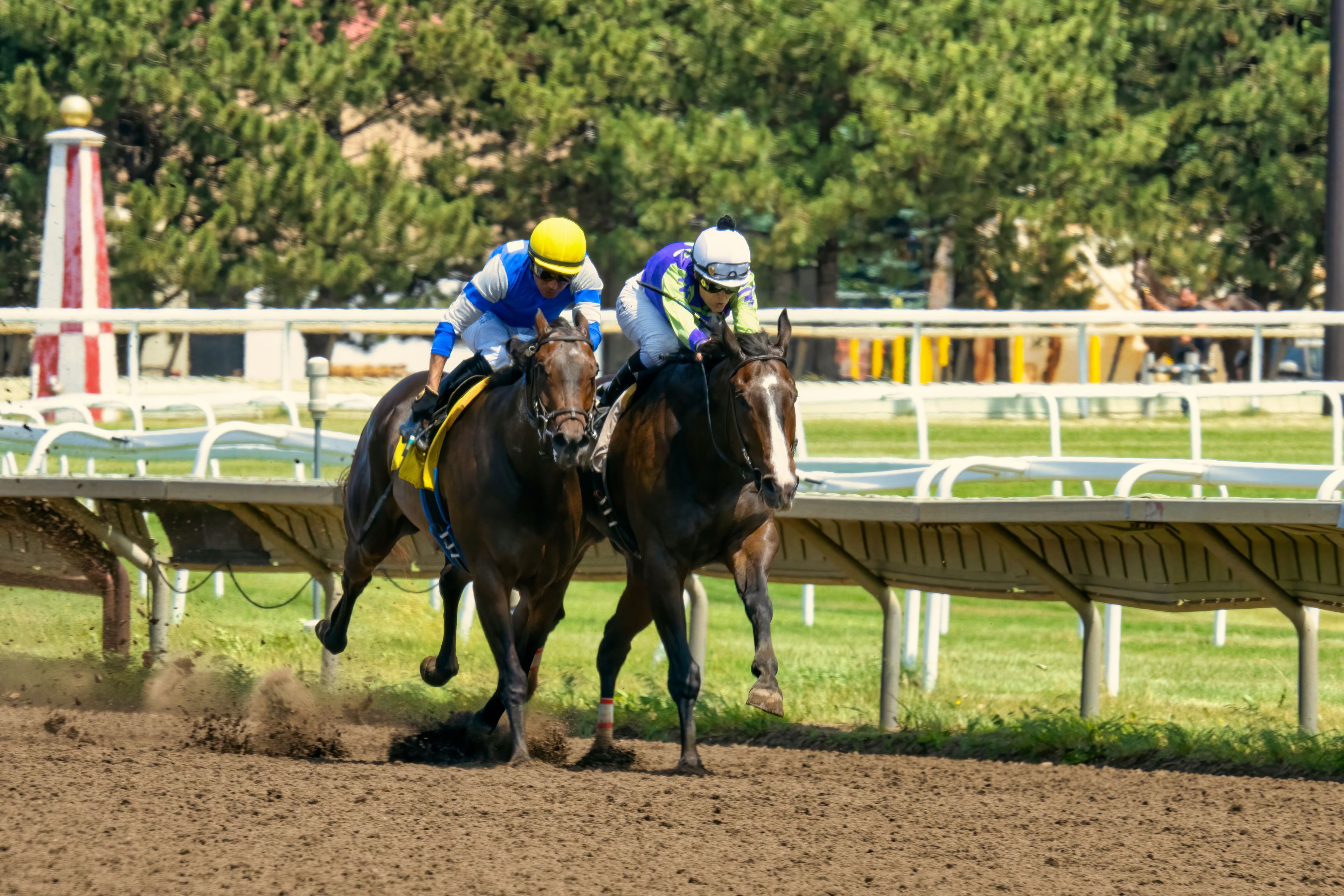







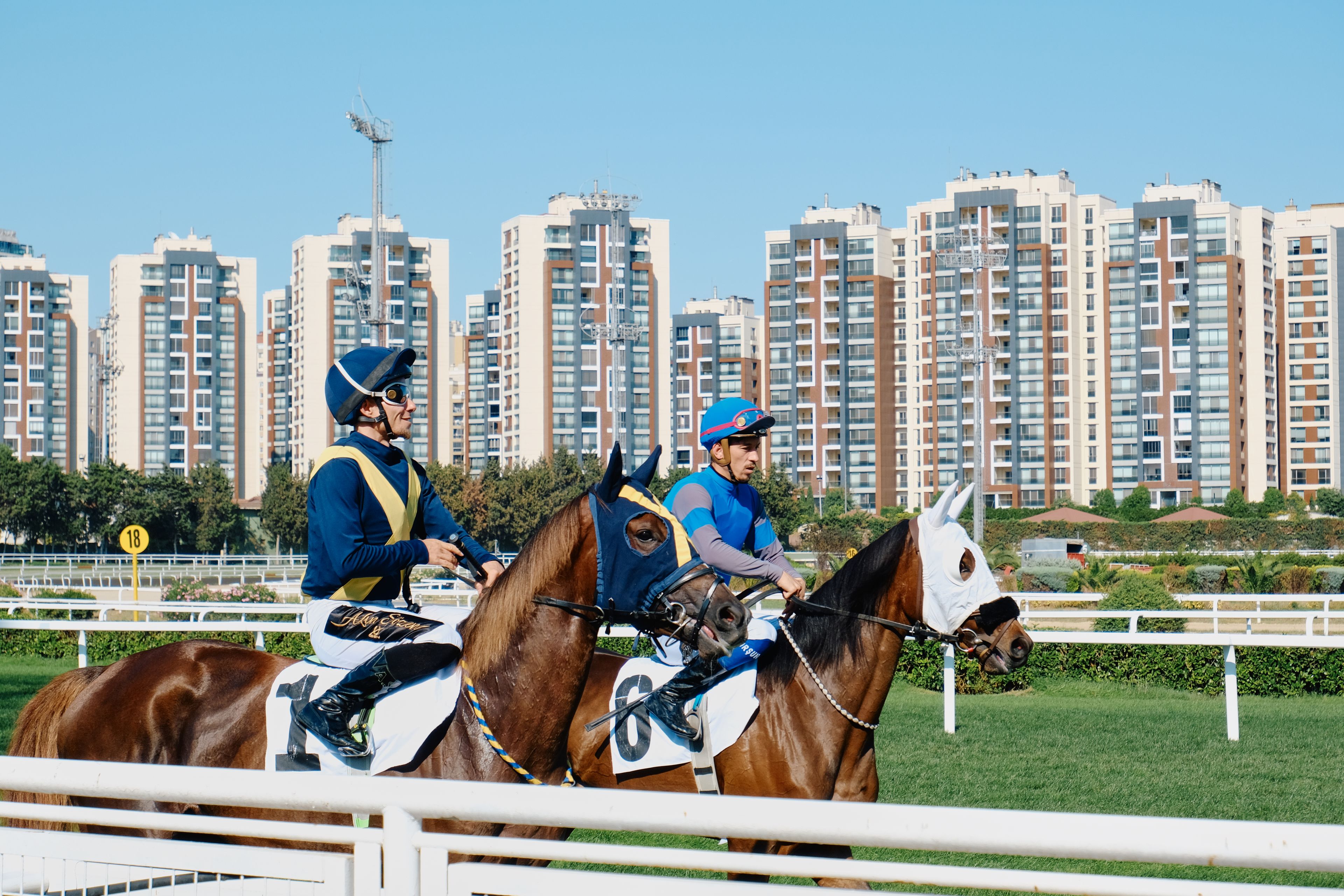
Royal Ascot runs over five days in June, Tuesday to Saturday, and draws a crowd measured in the hundreds of thousands across the week. The racecourse sits in a Berkshire town whose road network was not designed for it, which is the essential fact underlying every transport decision you will make. Getting in is manageable. Getting out, along with everybody else, at the same moment, is the part that separates a well-planned day from a long one.
This guide covers the practical planning: choosing a day, understanding what the enclosures actually require of you, how the car park system works and what we can and cannot do about it, and how to arrange the departure so that the end of the day is as civilised as the start. We are an independent chauffeur service with no affiliation to the racecourse.
The week, and which day to choose
The five days are not interchangeable. Tuesday, the opening day, carries the Queen Anne Stakes and is generally the sharpest in terms of racing. Thursday is Ladies' Day, the busiest and the most photographed, and the day on which the road network is most severely tested. Saturday is the most relaxed and the most family-inclined, and traffic is noticeably easier than midweek.
If your priority is the racing and the atmosphere without the crush, Tuesday or Friday tend to be the better choices. If the point is the spectacle, Thursday is what you came for and the travel should be planned around it, which means leaving earlier and expecting a slower departure. The Royal Procession takes place in the early afternoon, ahead of the main racing, and anyone who wants to see it needs to be inside the enclosure well before it — which shapes the entire morning schedule.
Enclosures and dress
There are four enclosures and each has its own dress code, published by the racecourse and enforced at the gate. The Royal Enclosure is the most formal: morning dress with a top hat for men, and for women a dress or skirt of a specified length with a hat, rather than a fascinator. Access is by invitation or sponsorship rather than general sale, and the requirements are worth reading in full rather than approximating.
The Queen Anne Enclosure sits below it and asks for a suit and tie for men and a hat or headpiece for women. The Village Enclosure and the Windsor Enclosure are progressively more relaxed but still have real requirements. In all cases the racecourse publishes the current code each year and it changes in small ways, so check the year you are attending rather than relying on memory.
From a transport point of view, dress matters more than it sounds. Top hats do not tolerate being crushed, hats with brims need to be carried rather than worn in the car, and morning dress in June is uncomfortable in a vehicle without proper rear climate control. A car with a good boot, generous rear headroom and effective air conditioning is not a luxury on this particular day.

Car parks, passes and where we can actually take you
Ascot operates a numbered car park system, and access to each is controlled by a pass issued by the racecourse in advance and generally tied to your badge or ticket type. Passes are arranged by you, either through the racecourse or through whoever is hosting you. We cannot obtain one, and we would be cautious of anyone who suggested otherwise.
What we do is straightforward: we drive to whichever car park your pass permits, or, if you have no pass, we set you down at an agreed point within walking distance and collect you from the same place afterwards. Set-down and pick-up arrangements around the course are managed by stewards on the day and can change at short notice, so we agree a fallback point with you in advance.
If you are being hosted, ask your host early which car park applies to your badge. It is the single piece of information that determines how the arrival works and where your chauffeur can legitimately take you, and it is very much easier to obtain in April than in the week before the meeting. Ask once, get it in writing, and keep the answer.
Timing: arriving early is the whole trick
Gates open several hours before the first race and there is a great deal to do in the interval — lunch, the parade ring, the bandstand, simply walking the enclosures while they are still navigable. Arriving early is not merely about avoiding traffic; it is the more enjoyable way to spend the day, and it converts the approach roads from a two-hour problem into a thirty-minute one.
From central London we would typically suggest leaving in the middle of the morning at the latest, and earlier still on Thursday. The A329, the M3 and the M4 approaches all congest heavily on race days, and the final two miles into the course can take as long as the entire thirty that preceded them. That last stretch is where optimistic schedules come apart.
We will give you an honest departure time when we quote, and it will look early on the page. It is the same advice we would give a friend, and it is the difference between arriving relaxed in a morning coat with time for lunch and arriving hot, behind schedule and still adjusting your tie as the first race goes off without you.
The journey home, which is the hard part
Everyone leaves at once. That is the whole difficulty, and it is not a problem that a better car solves. When racing finishes, tens of thousands of people head for the same car parks and the same handful of roads within the same twenty minutes, and nothing that has ever been built drives through that with any grace at all.
The practical answers are all about not being in it. Stay for the singing around the bandstand and leave forty-five minutes after the last race, by which point the car parks have thinned considerably. Or leave before the final race, if the racing matters less to you than the evening. Or arrange dinner locally and depart at eight, when the roads are entirely clear. Any of these turns a ninety-minute extraction into a fifteen-minute one.
Whatever you choose, agree it with us in advance so that your chauffeur is positioned correctly rather than joining the queue with everybody else, and agree a fallback meeting point in case the stewards move the arrangements on the day. Waiting time terms are set out in your written quotation, so a relaxed departure carries no surprises along with it.
Choosing the car for a day at the races
For two passengers, a flagship saloon is ideal: excellent rear climate control, generous headroom for hats, and a boot that will take shoes, coats and hat boxes without anybody balancing anything on their knees. For four or six, an MPV is the sensible answer for the same reasons, with the additional benefit that everyone can sit properly in formal dress.
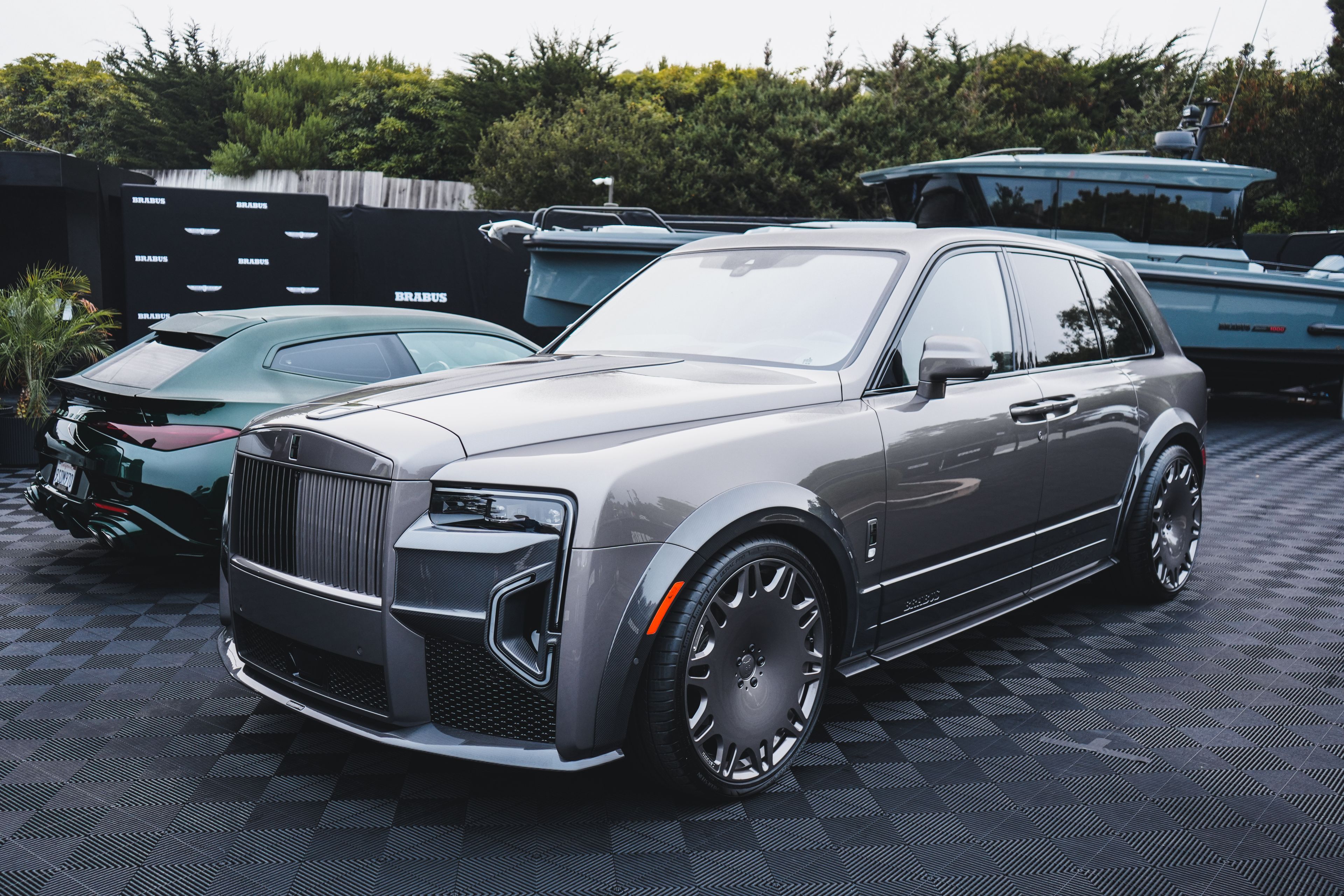
For a landmark occasion a Rolls-Royce is an entirely appropriate choice, and Ascot is one of the days it suits best. Availability during the Royal meeting is genuinely tight, however, so a specific car for a specific day is a conversation to have months rather than weeks ahead of the meeting. Model, colour and specification remain subject to availability and booking confirmation.
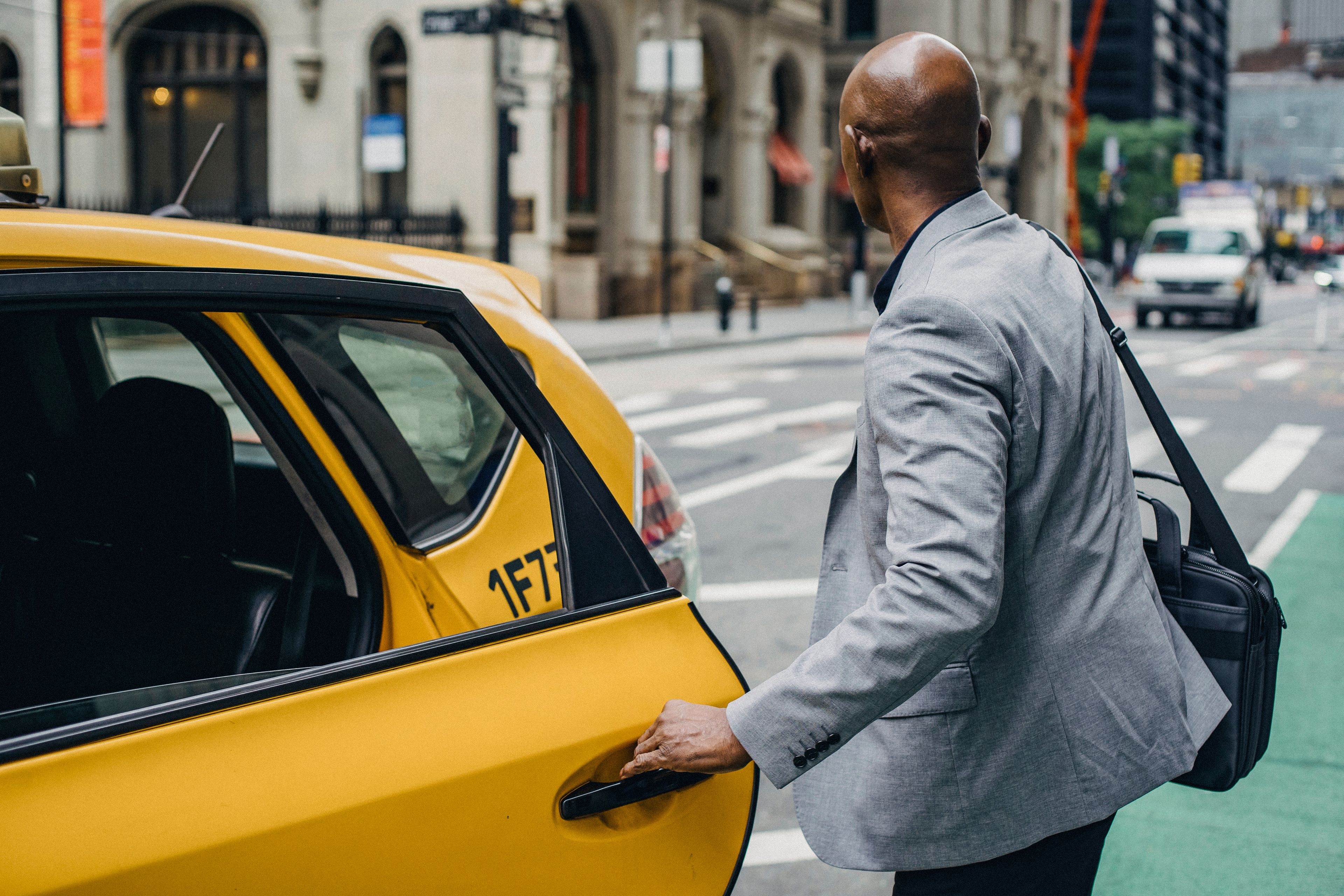
Whichever vehicle you take, your chauffeur will hold coats, hat boxes and anything else you would rather not carry through the enclosures for eight hours, and will have cold water in the car for the journey home. In June, at the end of a long day standing in formal dress, that last detail is appreciated more than almost anything else.