






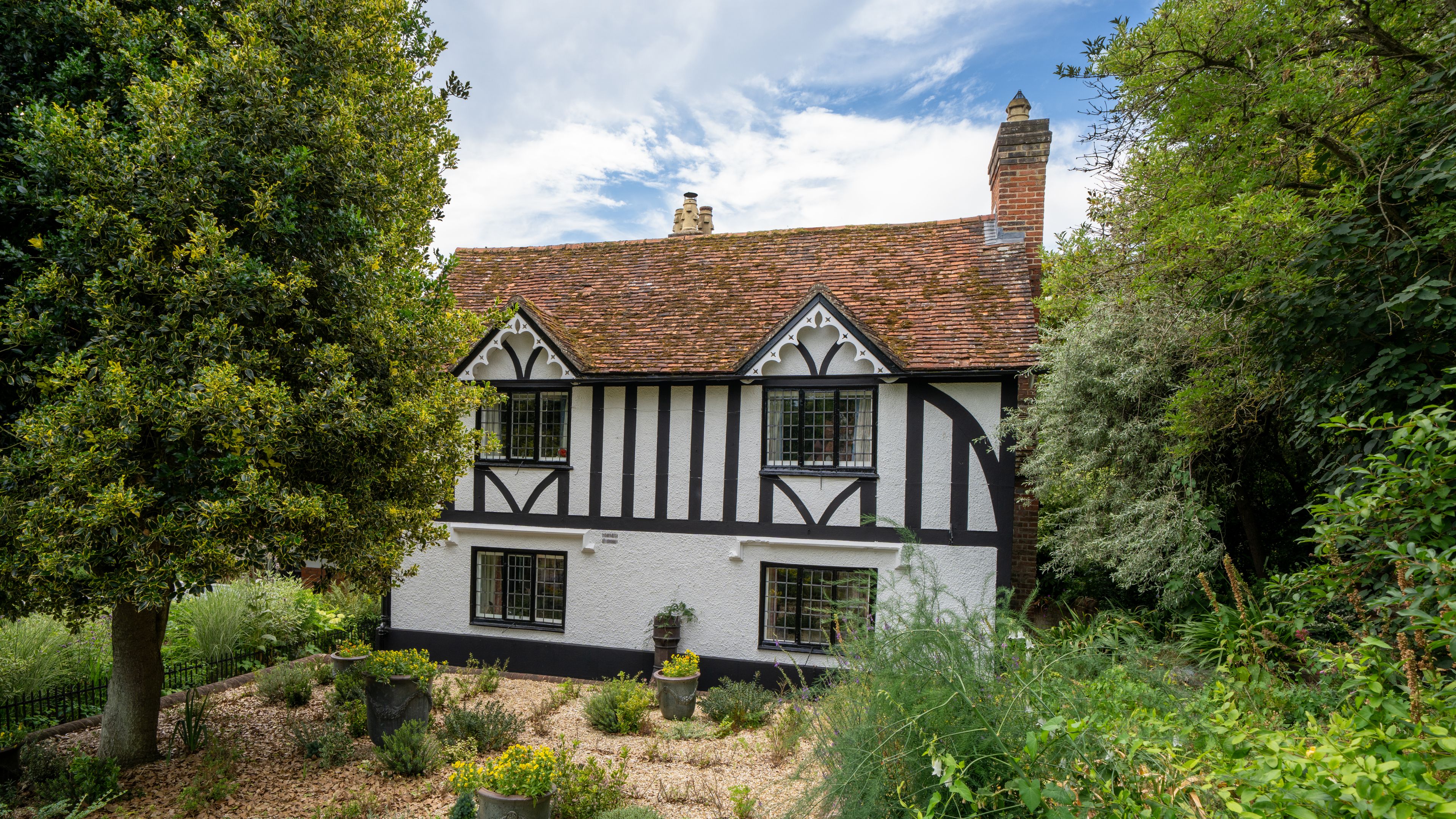
The region runs roughly from Bath in the south-west to Chipping Campden in the north-east, across parts of six counties, and it has no single centre. That is precisely why it defeats the coach and the train and rewards a private car. The pleasure of the place lies in the lanes between the villages as much as in the villages themselves, and in being able to stop because a view has appeared over a hedge rather than because a timetable has allowed it.
This piece covers the practical side of visiting well: how to get there from London, Birmingham or Bristol; which villages genuinely repay a stop and which are best seen at the right hour; what a country house drive does to an unsuitable car; and how to think about a day trip against a weekend. It is written from the perspective of somebody who will be driving, which changes the emphasis considerably.
Why the region resists a fixed itinerary
There is no correct Cotswolds route, and any operator promising one is selling a seat rather than a day. The villages are scattered across an escarpment and a plateau, connected by lanes that are frequently single-track, often walled and always slow. Driving times between them run longer than the map suggests: five miles can take twenty minutes, and on a summer Saturday considerably more.
This has a liberating effect once you accept it. The right plan is a loose one — four or five villages, a good lunch and the willingness to reorder everything by eleven o'clock. Trying to see nine villages in a day produces a sequence of car parks and photographs and very little of the thing you came for. Four, taken slowly, with an hour somewhere for a proper meal, is a considerably better day.
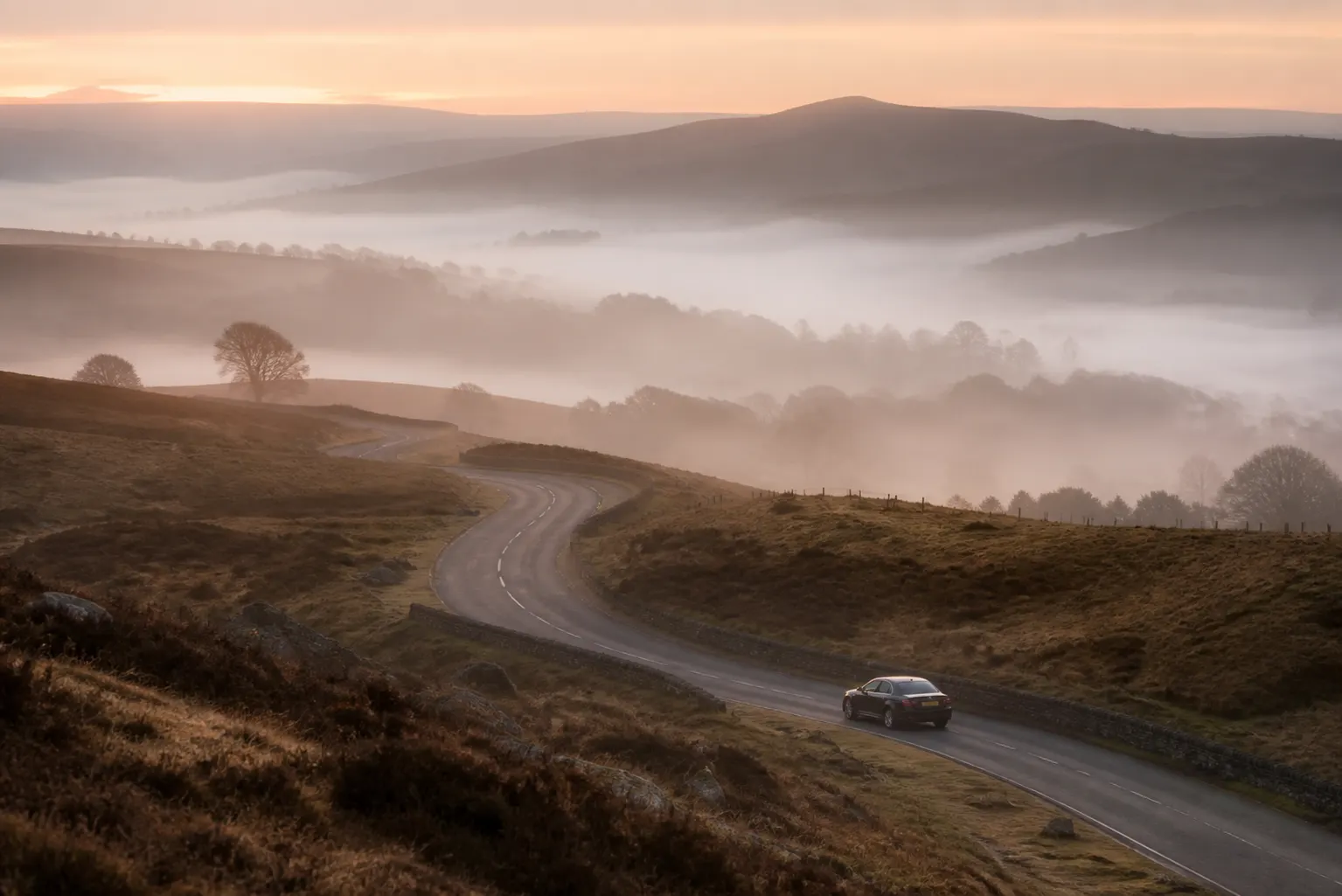
It also means the driving is part of the pleasure rather than the cost of it. The road between Stow-on-the-Wold and Snowshill, or the descent into Broadway off the escarpment, are as memorable as anywhere you will actually park. Being driven means you get to look at them properly instead of watching for oncoming traffic on a blind bend between two drystone walls.
The three ways in
From London the standard approach is the M40 to Oxford and then west, which puts you at Burford in around two hours and at Bourton-on-the-Water in about two and a half. Burford's high street, falling steeply to a bridge over the Windrush, is the natural first stop and one of the finest streets in England. This route also allows Blenheim Palace to be picked up on the way out or the way back.
From Bristol or Bath the southern Cotswolds open first: Castle Combe, Tetbury, Cirencester and the Coln valley, all within an hour and a half and noticeably quieter than the northern honeypots. This is the better approach if you want the region without the crowds, and it pairs naturally with a stay in Bath, which is itself among the finest short breaks in England.
From Birmingham or the Midlands the northern villages are surprisingly close — Chipping Campden and Broadway are under an hour — which makes a half-day escape genuinely feasible. Whichever direction you come from, we would suggest arriving early or staying late. The villages between eleven and four in summer are a different proposition from the same villages at nine in the morning.
The villages, honestly assessed
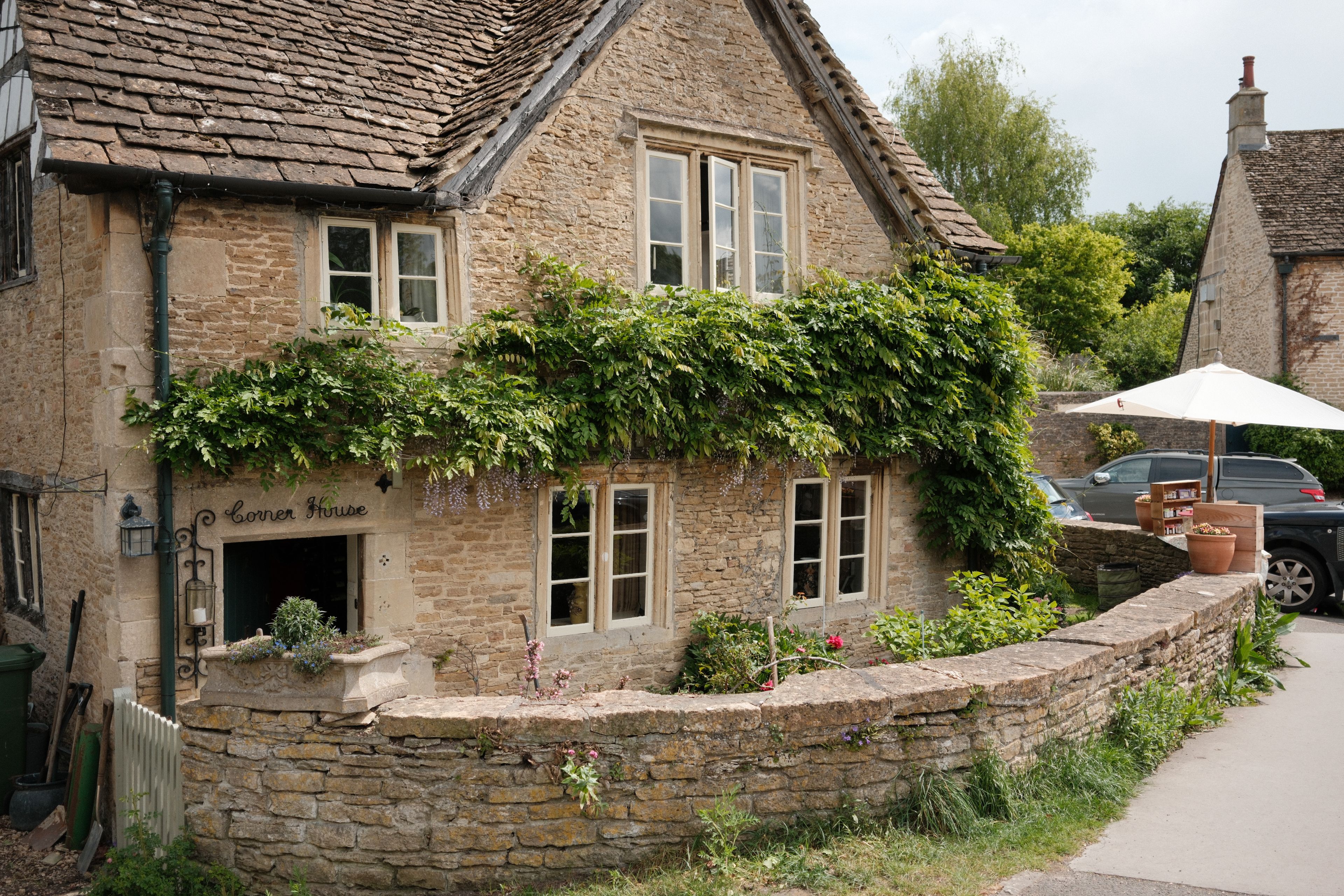
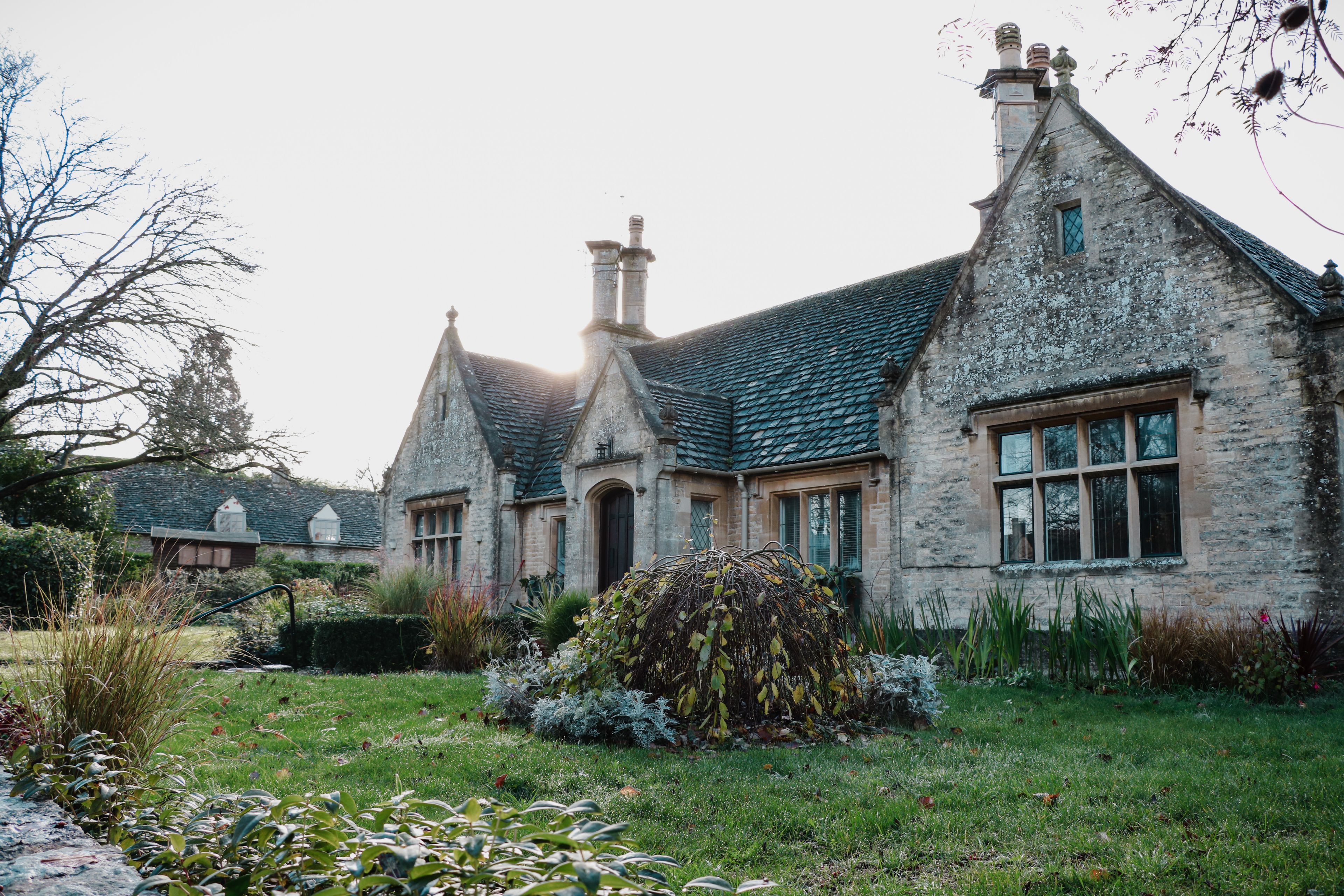
Bibury, with the weavers' cottages of Arlington Row, is as beautiful as its reputation and as busy. Go first thing. Bourton-on-the-Water is charming and heavily visited; it is a lovely place at half past eight and a difficult one at midday. The Slaughters, Upper and Lower, sit a mile apart along a stream a few minutes away, have almost no parking and are consequently peaceful — for many people they are the best twenty minutes of the day.
Stow-on-the-Wold sits high with a proper market square and good antique dealers. Burford is the most complete high street. Broadway, in the north, is grand and green, with Broadway Tower on the escarpment above it and a view that on a clear day is claimed to reach thirteen counties. Chipping Campden has the finest market hall and the fewest coaches.
Then there are the places that are not villages at all: the farm shops, the walled gardens, the arboretum at Westonbirt in autumn, and a scattering of very good pubs in hamlets you would never find without local knowledge. Any of them can be worked into the day, and in high summer they are frequently the more rewarding stop of the two.
Country house drives and the case for a higher car
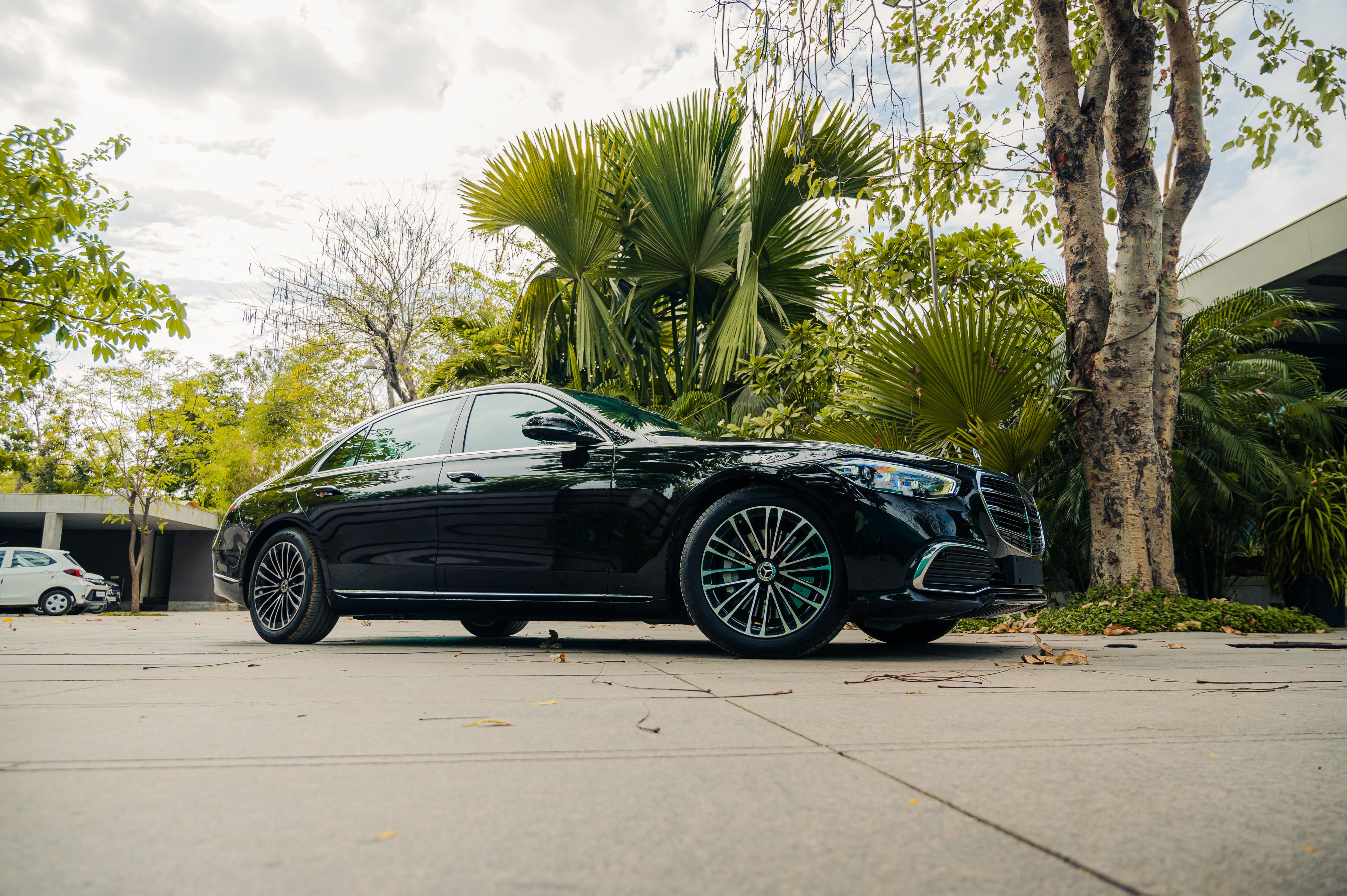
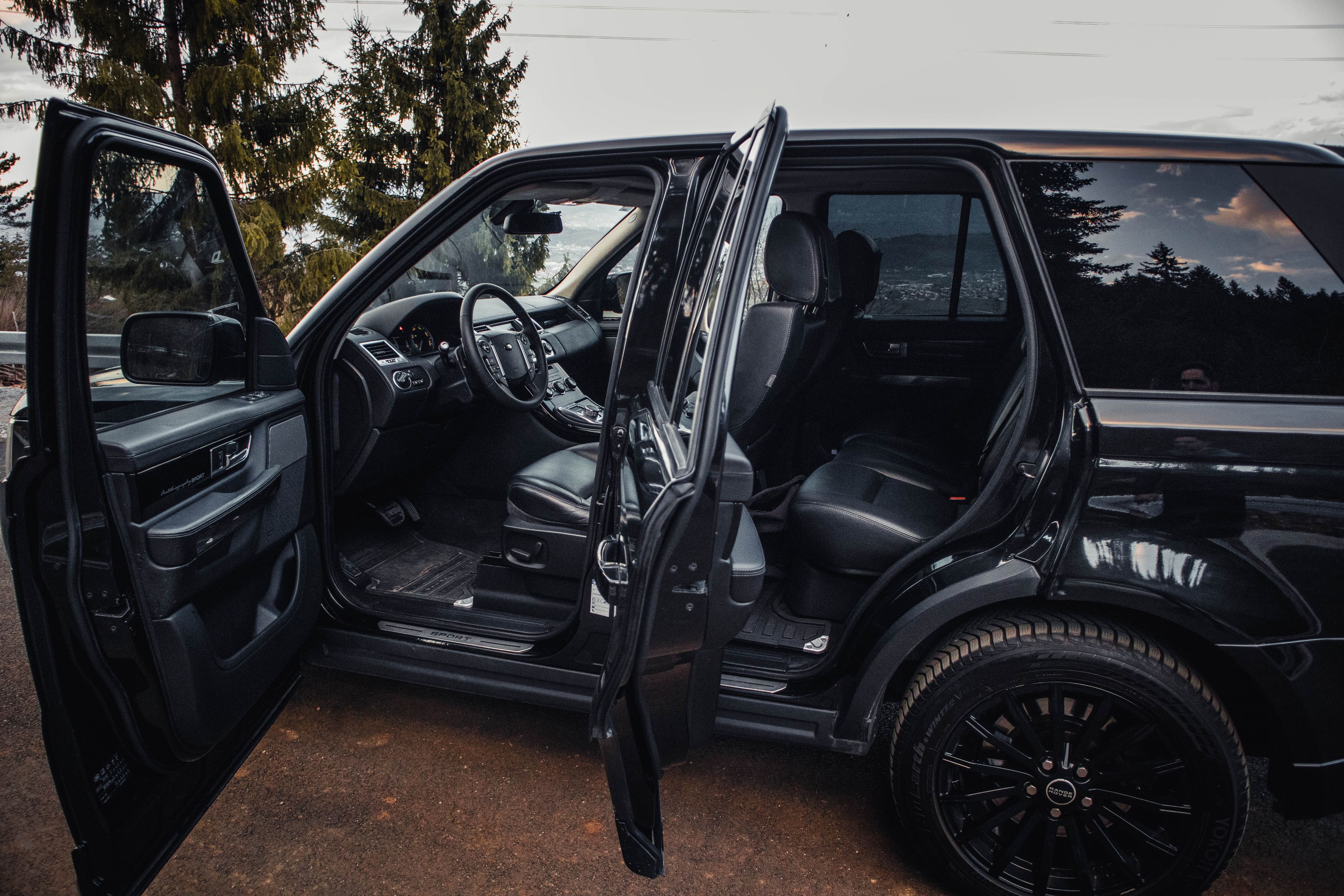
The Cotswolds have an unusual concentration of country house hotels, and a great many of them are reached by a gravel or unmade drive of several hundred metres. In August this is charming. In February, after rain, in a low saloon with a full boot, it is less so. A Range Rover or a comparable SUV handles these approaches without drama and gives you the ride height to see over the drystone walls, which on these lanes is a real gain.
Winter adds another argument. The escarpment roads catch weather that the valleys do not, and a few of the higher lanes become genuinely awkward in ice or standing water. All-wheel drive is not an affectation here; between November and March it is simply the sensible specification, and it is what we will recommend without being asked and without making a performance of it.
For a group of four to six with luggage for a weekend, a luxury MPV is the alternative and works very well on the main roads, though it is less comfortable on the tightest single-track sections and harder to place in a village. We will talk the trade-off through with you when we quote rather than leaving you to discover it on a Saturday morning.
Day trip or weekend
A day from London works and is popular: leave at eight, four villages, a long lunch, home for dinner. It is a genuinely good day and it covers the headline experience. What it cannot give you is the region in early morning or evening light, which is when the stone does what the photographs promise and when the villages are almost empty.
A weekend changes the character entirely. You arrive on Friday afternoon, spend Saturday moving slowly between villages with the car and chauffeur at your disposal, and come home on Sunday having actually rested rather than driven. On a multi-day arrangement your chauffeur's accommodation is arranged by us and set out clearly in the written quotation, so there is nothing at all for you to organise.
Either way, book lunch. It is the anchor of a Cotswolds day and the good places fill weeks ahead in season, particularly on Saturdays and through the summer. Tell us where you are booked and at what time, and the morning route will be built backwards from it so that you arrive comfortably rather than at a run with ten minutes to spare.